The Hormonal Link Between Alcohol, Salty Cravings & Weight Gain
The science behind your happy hour pizza craving
 ValVades

Image by MaaHoo Studio / Stocksy June 09, 2026 The road from a glass of wine to a basket of nachos is surprisingly well-traveled. And many of us assume this is because alcohol makes us care less about our choices, so we eat whatever sounds good in the moment. But researchers are starting to think there's more to the story. Alcohol doesn't just affect willpower. It may actually influence the biological signals that shape what sounds appealing to eat in the first place.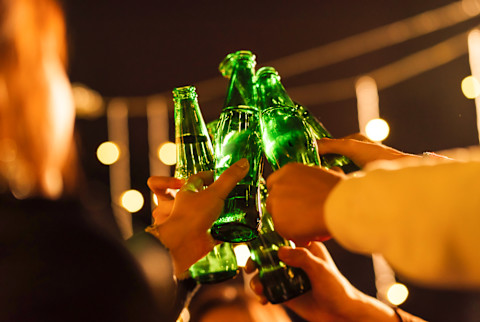
This hormone may be driving alcohol cravings
The new analysis, published in Obesity Reviews, proposed a mechanistic explanation for a phenomenon many of us have experienced firsthand: why drinking alcohol often leads to cravings for savory foods.
The key player appears to be a hormone called fibroblast growth factor 21, or FGF21. FGF21 isn't new to researchers. It's involved in energy balance, metabolism, and appetite regulation. Previous studies have shown that alcohol consumption causes a rapid increase in circulating FGF21 levels, sometimes within minutes.
So, what does a spike in FGF21 actually do?
Researchers think it may influence the types of foods we crave. Specifically, it appears to increase our preference for savory, umami-rich foods. And once you understand that, a lot of familiar post-drinks food choices start to make sense.
Why alcohol can send you straight to the pizza menu
Think about the foods people crave after a few drinks. It's usually not grilled chicken, Greek yogurt, or a piece of salmon.
It's pizza. Fries. Chips and guacamole. Loaded nachos. The basket of bar snacks that somehow disappears in 15 minutes.
According to the researchers, part of the reason may be that alcohol is activating biological pathways that increase our desire for savory foods. Historically, that wasn't necessarily a bad thing. For most of human history, savory flavors were a pretty reliable clue that a food contained protein.
The problem is that many modern foods don't follow that rule.
Researchers call them "protein decoys." They taste rich, savory, and satisfying because they're loaded with salt, flavor enhancers, and umami compounds, but they often contain far less protein than your brain expects. So your body may be trying to solve a protein need, but the foods you're reaching for aren't fully getting the job done.
The result can be something researchers call protein dilution. You consume plenty of calories, fat, and carbohydrates, yet your protein intake remains relatively low. Because the body's protein needs haven't been fully met, appetite may remain elevated, making it easier to keep eating.
This could help explain why alcohol and weight gain are linked in ways that go beyond the calories contained in the drink itself.
How to manage the late-night cravings
You don’t need to swear off alcohol forever or never order pizza again. But if you know you're going out for drinks, it helps to have a plan before the cravings hit.
One of the easiest things you can do is prioritize protein earlier in the day and make sure you're eating a protein-rich meal alongside your drinks. Showing up to happy hour hungry and relying on chips, fries, or bar snacks is basically the perfect setup for overeating later on.
It can also help to recognize that the sudden craving for pizza or chips isn’t a lack of discipline. Your appetite hormones are playing a role, pushing you toward savory foods. The difference is that today, savory doesn't always mean protein.
Sometimes you may just want pizza and choose the pizza, and that's okay. But sometimes the answer will be a burger without the fries, grilled fish tacos, steak skewers, edamame, or another option that provides the savory flavors you're looking for while delivering more protein. Understanding the craving and thinking about it versus ordering based on old habits can make a difference over time.
The takeaway
This research suggests that alcohol doesn't simply make us eat more. It may change what we want to eat in the first place. And understanding that distinction can make it much easier to work with your biology rather than against it.