The Travel Skincare Routine That Actually Works (Not Just at Home)
Your skin doesn’t know it’s on holiday. But it absolutely knows something is wrong. New water. Different air. A sleep schedule your…
 AbJimroe
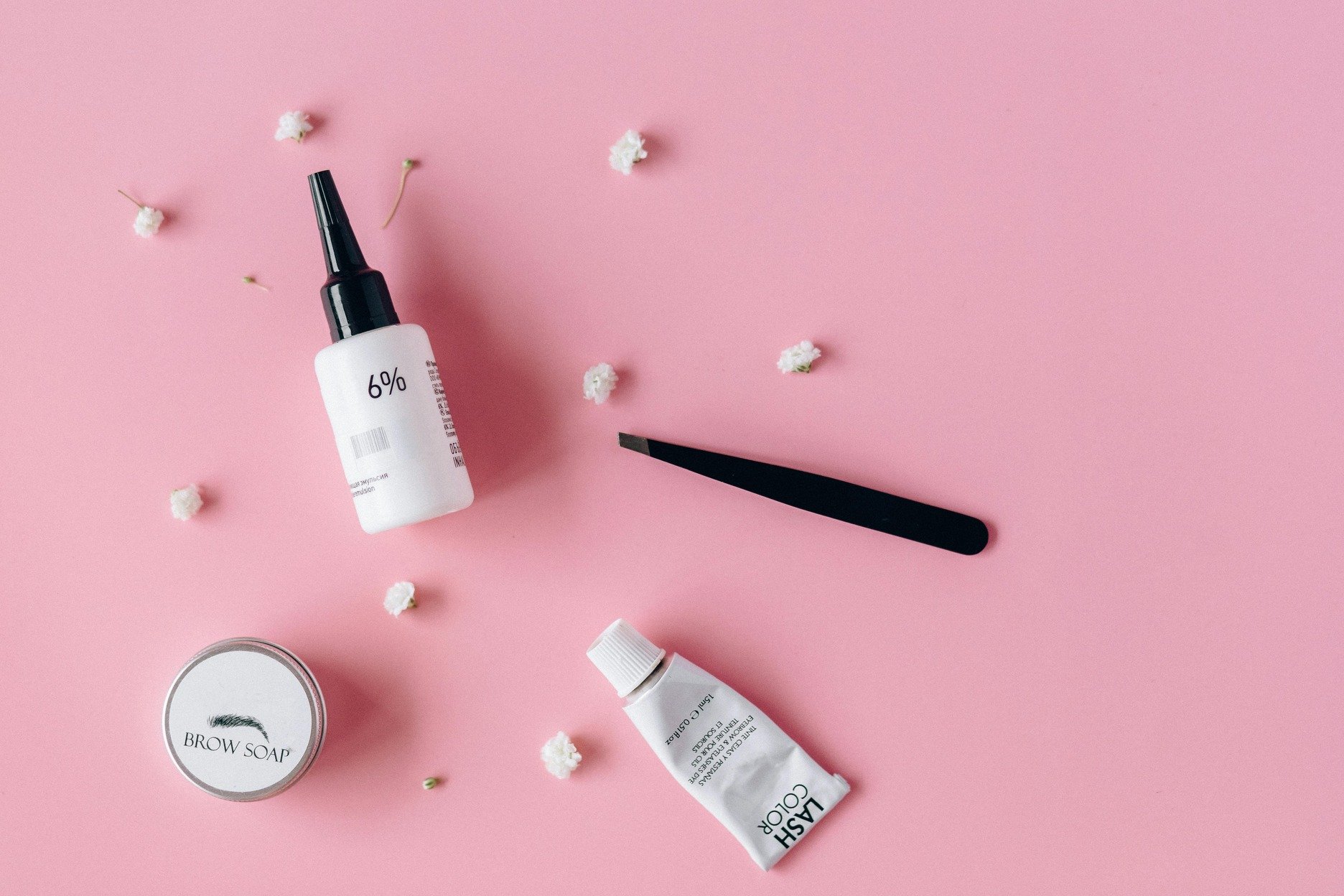
Your skin doesn’t know it’s on holiday. But it absolutely knows something is wrong.
New water. Different air. A sleep schedule your body hasn’t agreed to. Climate that’s either drier, more humid, or hotter than anything your routine was built for. Travel does a number on skin, and most people respond by either abandoning their routine entirely or dragging their entire bathroom cabinet through airport security.
Neither works. Here’s what actually does.
TL;DR
Airplane cabin humidity drops below 20%, your skin loses moisture fast before you’ve even landed A travel skincare routine should have five steps maximum: cleanse, tone/mist, serum, moisturise, SPF Adapt your routine to your destination’s climate, not just your skin type at home The days before and after travel matter as much as what you do mid-flight Switching to fragrance-free, minimal-ingredient products reduces the risk of travel breakoutsWhy Travel Wrecks Your Skin (And Why It Doesn’t Have To)
The problem isn’t that travel is bad for skin. The problem is that most people don’t adjust their routine to account for what’s actually happening to their skin.
Airplane cabins sit at humidity levels below 20%, compared to the 40 to 60% your skin is used to indoors. That gap causes transepidermal water loss, which is the technical way of saying your skin is leaking moisture faster than it can hold onto it. By the time you land, you can look dull, feel tight, and have skin that’s more reactive than usual to anything you apply.
Then there’s the climate at your destination. A London complexion landing in Bali needs completely different support than it does at home. High humidity means more oil production. Dry, high-altitude environments like ski resorts or desert destinations strip the skin barrier faster than any cleanser. Image Skincare, adapting your products to your destination environment is one of the most underrated skincare moves a traveller can make.
The 5-Step Travel Routine (That Fits in a Washbag)
A travel routine should do one thing above all else: protect and maintain your skin barrier. You’re not trying to transform your skin mid-holiday. You’re trying to keep it calm, hydrated, and functioning well so it can handle everything else.
Step 1: Gentle cleanser.
Not your usual exfoliating wash. A low-pH, fragrance-free cleanser that removes without stripping. Your skin is already dealing with environmental stress, this isn’t the moment for salicylic acid or glycolic-laced cleansers unless you’re prone to breakouts and can’t function without them.
Step 2: Hydrating mist or toner.
This is the step most people cut first and shouldn’t. A simple hydrating mist, rosewater, hyaluronic acid-based, or even a basic thermal water spray, plumps skin between steps and helps subsequent products absorb better. It’s also genuinely useful mid-flight when your face starts feeling like paper.
Step 3: Serum.
One serum, not four. On holiday, a hyaluronic acid serum or a niacinamide blend does everything you need, hydration, barrier support, and a light brightening effect without the sensitivity risk of actives like retinol or vitamin C.
Step 4: Moisturiser.
Match the weight of your moisturiser to the climate. Humid destination? Go lighter, a gel-cream or a water-based formula. Dry or cold? Opt for something with ceramides and shea butter that genuinely seals moisture in rather than just sitting on top.
Step 5: SPF.
Non-negotiable, wherever you’re going. UV radiation is twice as intense at 30,000 feet compared to ground level, which means even window seat lounging on a daytime flight is sun exposure. At your destination, reapply every two hours if you’re outdoors.
That’s it. Five steps, everything fits in a small pouch, and your skin stays in good shape.
The Week Before You Travel
This is where most travel skincare fails, before the trip even starts.
If you’re using retinol, strong AHAs, or a high-percentage vitamin C serum regularly, dial them back in the five to seven days before you fly. These actives increase skin sensitivity, and combining heightened sensitivity with dry cabin air and climate change is a fast route to redness, reactivity, and breakouts when you land.
Focus instead on barrier-building. Ceramide-rich moisturisers, niacinamide, panthenol. Think of it as prepping a long-distance runner before a race, you want your skin in the most resilient state possible before you put it through the stress of travel.
Also: drink more water than you think you need. This sounds obvious, but skin hydration genuinely starts from the inside, and most people arrive at airports already slightly dehydrated from a busy pre-travel day.
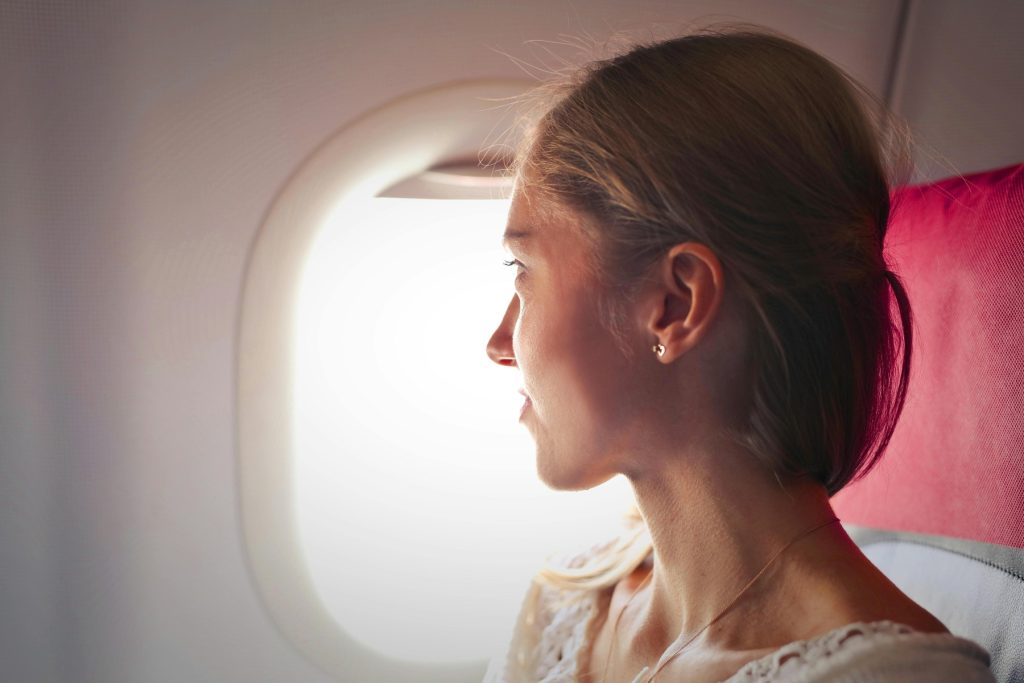
On the Plane: The Moves That Actually Help
Remove your makeup before or shortly after boarding. This is the one most people resist and the one that makes the biggest difference. Cabin air is recycled, and wearing full makeup for eight hours in low-humidity recycled air traps bacteria against your skin and makes dehydration worse.
Apply a slightly thicker layer of your moisturiser than you would at home. Not a heavy mask, just a little more than your usual amount. Reapply your hydrating mist every couple of hours, or whenever your skin starts to feel tight.
Skip the alcohol and the salty airline snacks if your skin matters to you on this trip. Both accelerate dehydration. Drink water consistently throughout the flight rather than trying to catch up at the end.
Also avoid sheet masks on planes, they draw moisture to the surface and then, as they dry out in the cabin air, can leave skin more dehydrated than before. A thick moisturiser and a mist is a better approach.
At Your Destination: Adapting to a New Climate
Give your skin two to three days to adjust before adding anything new. New water quality, new air, new climate, new stress levels, your skin needs a moment to recalibrate. Keep the routine minimal and consistent while it does.
If you break out in the first few days, it’s usually not a product issue. It’s adjustment. Resist the urge to add new products in response, that typically makes things worse, not better.
Once your skin has settled, you can start adding destination-specific treatments. In humid climates, you might find you need less moisturiser and more oil control. In dry or cold climates, you might want to add a facial oil at night. Pay attention to what your skin is actually telling you rather than what your routine at home tells you to do.

The Day You Get Home
This is the overlooked step in every travel skincare guide.
Your skin has been through a lot. Reintroduce actives gently, don’t go straight back to retinol on night one. Start with a barrier-repair night cream for two to three nights, stay well-hydrated, and ease back into your regular routine over the following week.
Travel skin doesn’t resolve itself overnight. But with a little care coming home, it recovers fast, and often ends up in better shape than when you left, particularly if you’ve given it a break from heavy actives and kept it consistently hydrated.
The secret to good travel skin isn’t a longer routine. It’s a smarter one.






















.jpg&h=630&w=1200&q=100&v=c0f97a310e&c=1)