This "Calming" Compound May Influence Your Gut, Immune System & Metabolism
And how to get more of it.
 Tfoso
Tfoso


Registered Dietitian Nutritionist
Image by Guille Faingold / Stocksy July 29, 2026 Your body is constantly sending chemical signals that help keep everything from your brain to your gut running smoothly. One of these messengers is GABA, a naturally occurring compound best known for helping regulate activity in the brain. But GABA may have a much bigger role in the body than previously thought. A new review1 explores how GABA may also influence the gut, immune system, metabolism, hormones, and liver. And while GABA supplements have already been studied for things like relaxation and sleep, researchers are now taking a closer look at its potential as a broader "functional nutrient." Here's what you need to know.
What is GABA, exactly
GABA is a naturally occurring metabolite found throughout the body. In the brain, it functions as the primary inhibitory neurotransmitter, meaning it's the signal that slows things down and keeps neurons from firing too rapidly. That's the role GABA is best known for, and it's a critical one.
But GABA isn't only made in the brain. It's also produced in the gut by certain bacteria in your microbiome, and it shows up in small amounts in some foods, including fermented foods, tomatoes, and sprouted grains. The body has GABA receptors in many tissues outside the nervous system, which is part of what makes researchers curious about its broader potential.
The review frames GABA as a "functional nutrient." That's different from an essential nutrient like a vitamin or mineral, where a shortfall causes a deficiency. Instead, a functional nutrient is a bioactive compound that, under certain conditions, may influence how the body works. In other words, it's a molecule with a wider reach than its reputation suggests.
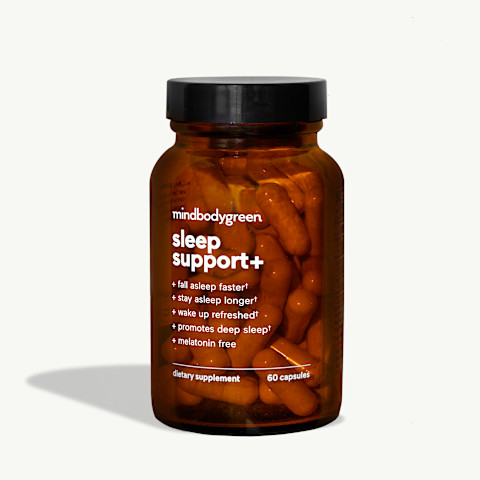
GABA may do more than calm the nervous system
The review pulled together experimental and preclinical evidence (animal and cell data) across five areas of the body. Most of this research comes from animal studies and cell models rather than large human trials, so these are early signals rather than proven benefits:
How to get GABA & what we know about supplementation
GABA shows up naturally in certain foods. Fermented foods like kimchi and miso, tomatoes, and some sprouted grains tend to have higher concentrations. Your gut microbiome also produces GABA, so supporting a healthy microbiome may influence your body's own levels.
The takeaway
For now, GABA is best understood as a stress and sleep supplement with a growing list of possibilities attached to it. The research on its role in the gut, immune system, metabolism, and liver is genuinely interesting, but it's early, and larger human trials will determine how much of it holds up.





















![AEO checker tools that measure answer engine visibility [2026]](https://53.fs1.hubspotusercontent-na1.net/hubfs/53/aeo-checker-1-20260903-3858273.webp)