Tourism group says EU entry-exit system issues could ‘significantly deter demand’ for Europe
The World Travel and Tourism Council has called for a better border system
 Fransebas
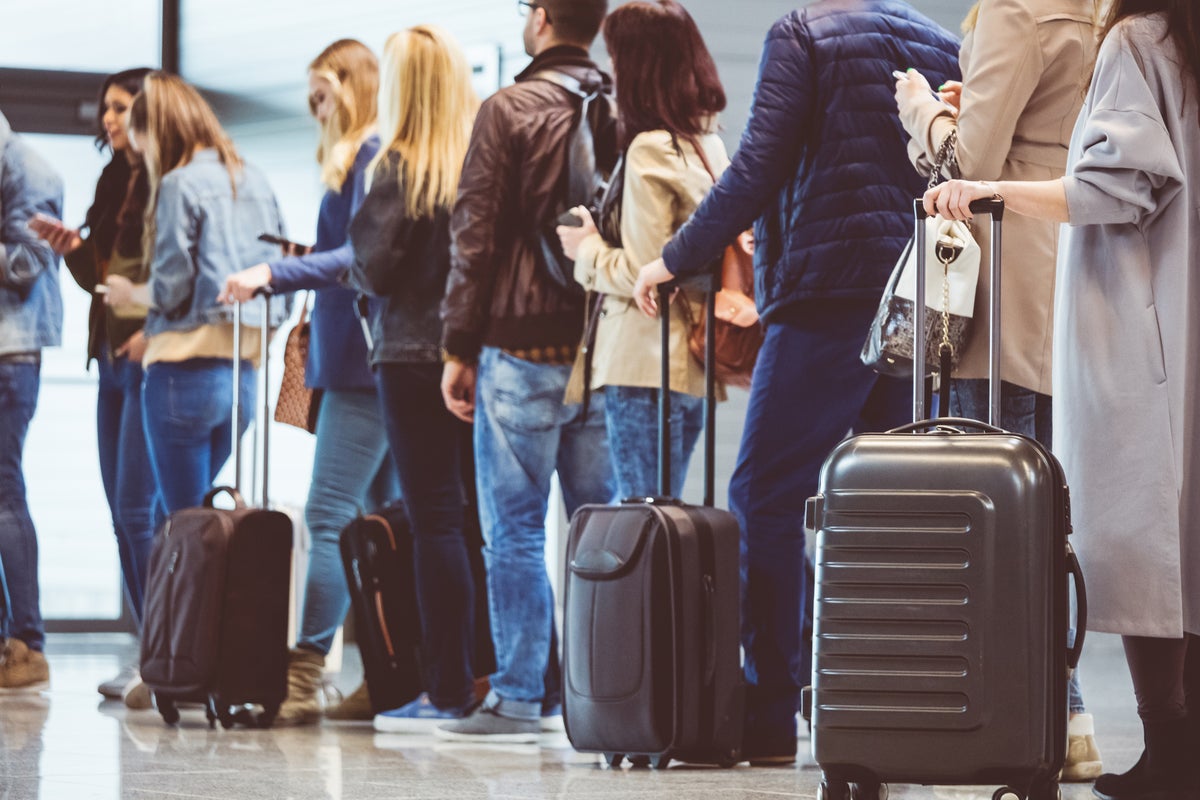
A global tourism association has warned that the EU’s new biometric data system could place Europe’s travel industry at a “clear disadvantage”.
The World Travel and Tourism Council (WTTC), which represents private sector travel and tourism businesses around the world, issued a statement on Wednesday warning that the long queues passengers are facing in European airports “could significantly deter demand” for trips to the continent.
Passengers have previously been warned of hours-long queues at border control due to the new entry-exit system (EES) rollout, which requires visitors from third-nation countries, including the UK, to provide fingerprints and photographs upon first entry into the Schengen Area.
The WTTC said that while it recognised the importance of modernising border systems, it has “consistently warned that without adequate flexibility, reliable equipment, sufficient staffing and traveller communication, operational bottlenecks risk undermining the visitor experience and Europe’s global competitiveness as a destination”.
The council said if issues are not addressed, Europe will be placed at a “clear disadvantage” compared to other destinations where entry into the country is seamless.
In a recent survey by the WTTC, one in three travellers said that they would be less likely to visit the Schengen Area if border waits of three or more hours are consistent.
If applied to 2026 forecasts, this would equate to 41 million arrivals, or a potential £34bn in visitor spending.
To prevent this, WTTC says it is calling for three key actions for a smoother rollout. First, to accelerate the uptake of the “Travel to Europe” app so passengers can pre-register for EES.
The council would also like to see better communication across key markets so travellers understand the new border requirements.
The group has also asked for a guarantee of “full operational readiness” at borders through adequate staffing, reliable EES kiosk machines and a more streamlined process.
In most instances, passengers entering the Schengen area need only to create a digital profile on their first visit at self-service kiosks, valid for three years, where they may be asked to submit fingerprints, have a photo taken and answer basic questions.
On subsequent visits to the Schengen area, travellers will need to register their presence (but not provide further biometric details).
However, the delineation of these two groups has not been made clear at some airports, causing lengthy queues at border control.
Gloria Guevara, president and CEO of WTTC, said: “EES represents an important step towards smarter, more secure borders for Europe. But implementation must be practical, coordinated and traveller focused.
“If lengthy delays become accepted practice, travellers will look elsewhere. Europe cannot afford to compromise its competitiveness or the experience it offers millions of visitors.
“We encourage policymakers to work closely with industry to ensure the system delivers on its promise of better borders without creating unintended barriers to travel.”
The statement followed an open letter published by Airports Council International, addressed to EU president Ursula von der Leyen, calling for member states to have more flexibility this summer in pausing EES amid growing queue concerns.
Read more: EU reputation ‘at risk’ from entry-exit system, says aviation expert