Train journeys in Britain are at their most popular since 1920 but punctuality problems persist
Only two-thirds of trains arrived on time over the last year
 Koichiko
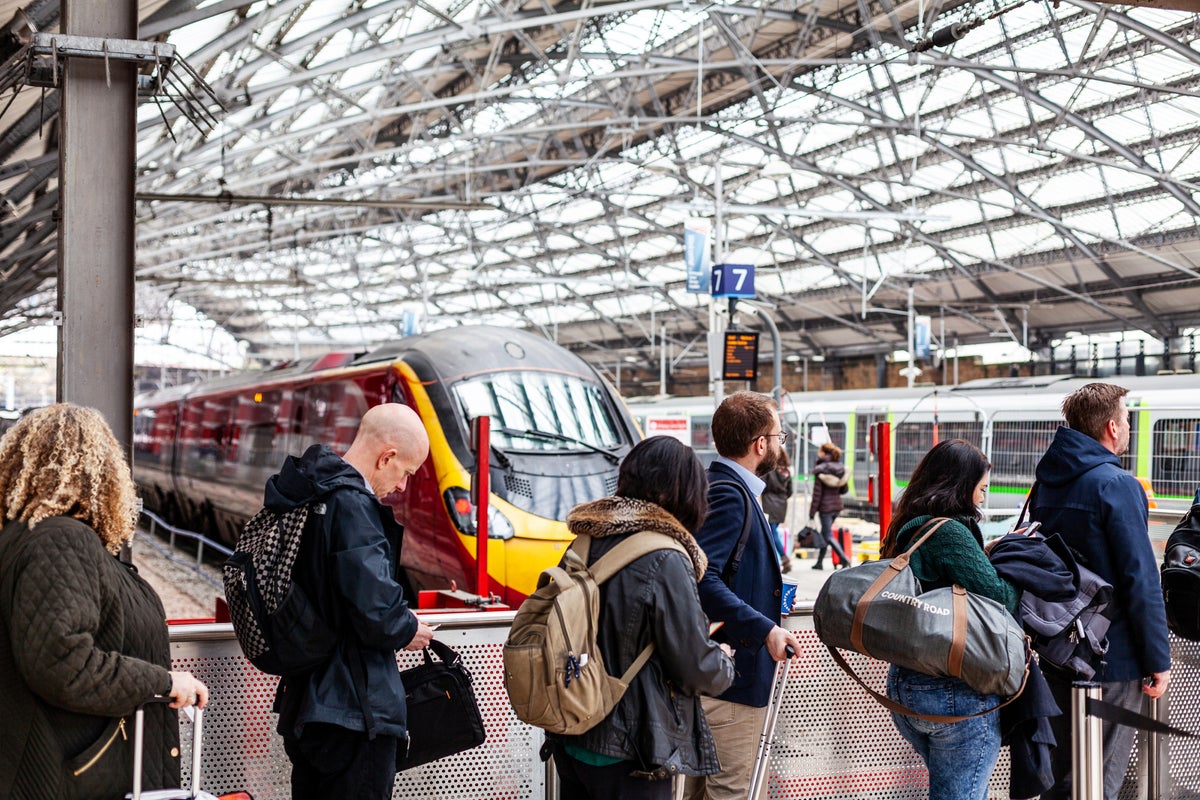
Rail journeys in Great Britain have reached their highest level in more than 100 years, new statistics show.
According to the Office of Rail and Road (ORR), passengers made 1.83 billion journeys across England, Scotland and Wales between last April and March 2026.
The number is a six per cent increase on the 1.73 billion journeys recorded last year.
The economic and safety railway regulator said that new infrastructure, particularly on the Elizabeth line, is behind the highest official figures since 1920.
Passenger journeys on the Elizabeth line reached 257.4 million in the same period, with stations on the new central section of the line amongst the busiest since opening in 2022.
Previously, the highest annual figure of 1.75 billion was recorded in the period from April 2018 to March 2019.
However, figures show that rail punctuality has hit its worst level since Covid, as only two-thirds (66.7 per cent) of trains across Britain arrived on time – within one minute of their scheduled arrival – during 2025 to 26.
The timeliness of trains is at its lowest since the 2019 to 2020 period before the Covid pandemic, when 64.97 per cent of trains arrived on time.
Last year, the ORR called for train operators to “focus relentlessly” on improving punctuality.
The ORR added that although season ticket journeys have risen by four per cent year on year to 234 million, they are still well below the pre-pandemic figure of 588 million.
Darren Caplan, the chief executive of the Railway Industry Association, said in a statement to The Telegraph: “The present Department for Transport figures support the ORR’s report, showing current passenger numbers at around 110 per cent of pre-Covid levels, including the Elizabeth line, and 100 per cent if not included.
“We will clearly need more capacity in the future, and to plan for consistently growing numbers of rail users, both passengers and freight.”
Graham Richards, the ORR’s director of planning and performance, said: “The Elizabeth line has been a massive boost to rail, but behind the usage figures, there is a significant shift to how and when we use the rail network. As more people are using the railway, it's important to have a relentless focus on ensuring trains are as punctual and reliable as possible.”
Read more: Independent Travel Awards: Win incredible prizes from luxury holidays to high teas