MSI’s new 4K 120Hz OLED monitor uses inkjet tech that could make premium screens cheaper
The world’s first 27-inch 4K 120Hz inkjet-printed OLED monitor has arrived, although MSI has not revealed its price or release date.
 Tekef
Tekef
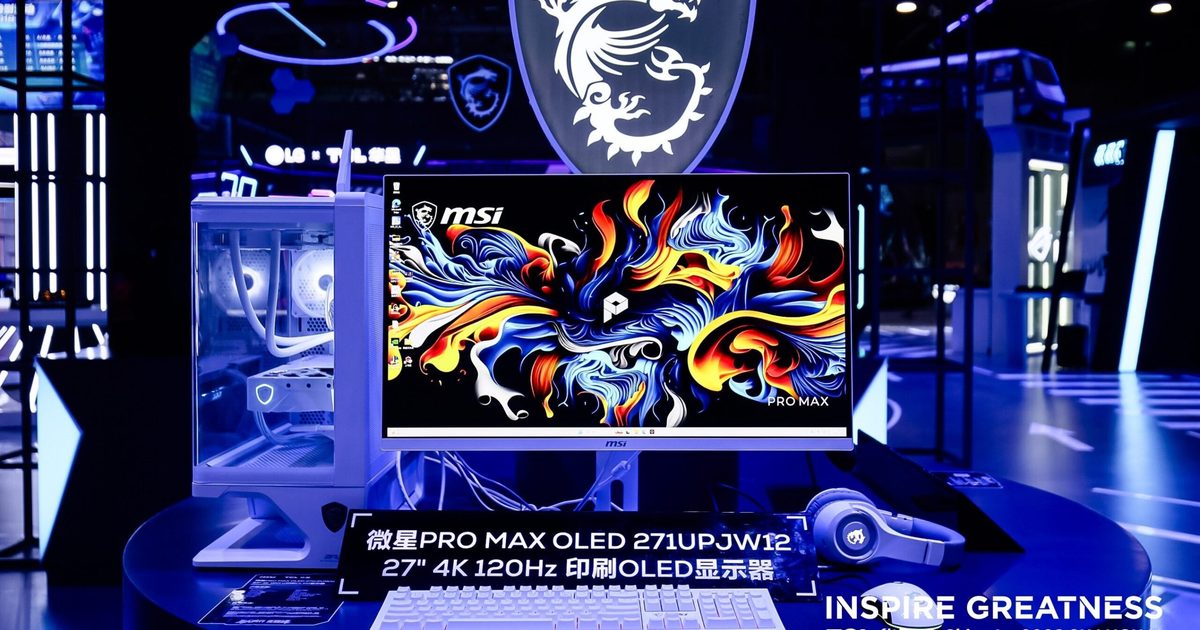
The first 27-inch 4K 120Hz IJP OLED monitor arrives through MSI and TCL CSOT
 MSI PRO MAX OLED 271UPJW12 IJP OLED Monitor
MSI
MSI PRO MAX OLED 271UPJW12 IJP OLED Monitor
MSI
The future of OLED monitors may have just taken a significant step forward. MSI and TCL CSOT have unveiled the world’s first 27-inch 4K 120Hz desktop monitor built using inkjet-printed OLED technology, bringing a manufacturing method once limited to prototypes and specialist displays closer to everyday buyers.
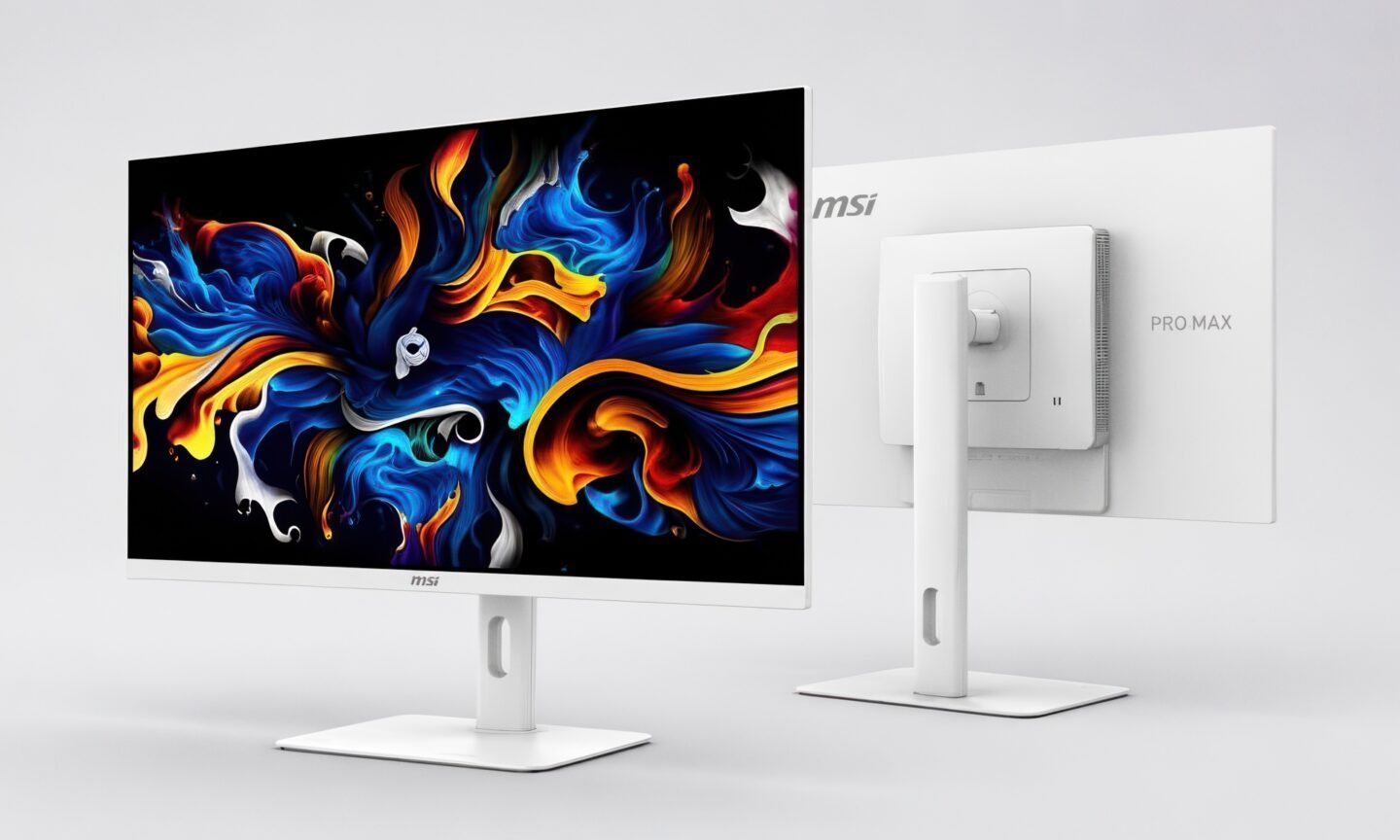
Called the MSI Pro Max OLED 271UPJW12, the monitor uses a TCL CSOT panel created by printing organic light-emitting material directly onto the display. The process wastes less material than conventional OLED manufacturing and could eventually make panels cheaper and easier to produce at scale.
Why inkjet printing could make a difference
Traditional OLED panels are manufactured using expensive vacuum equipment and highly precise metal masks. Inkjet printing deposits the organic material in controlled patterns, much like a printer placing ink onto paper.
TCL has spent years showing prototypes based on the technology, but commercial products are now starting to appear. Lenovo recently revealed the first laptop equipped with a 240Hz inkjet-printed OLED display, while reports indicate that TCL CSOT has started low-volume production of 27-inch 4K panels.
 MSI
MSI
Earlier estimates suggested the process could reduce total production costs by around 20%. Whether those savings reach buyers will depend on manufacturing yields, production scale, demand, and how manufacturers position the first wave of products.
This is more than a manufacturing experiment
MSI’s monitor has a 3840 x 2160 resolution, a 120Hz refresh rate, and a vertical RGB stripe pixel layout. The familiar subpixel arrangement should produce sharper text and reduce the colored edges that can appear around letters on some OLED monitors.
It also reaches a claimed 1,000 nits of peak HDR brightness, covers 99% of the DCI-P3 color space, and carries VESA DisplayHDR True Black 500 certification. The 27-inch screen delivers a pixel density of 164 pixels per inch.
 MSI
MSI
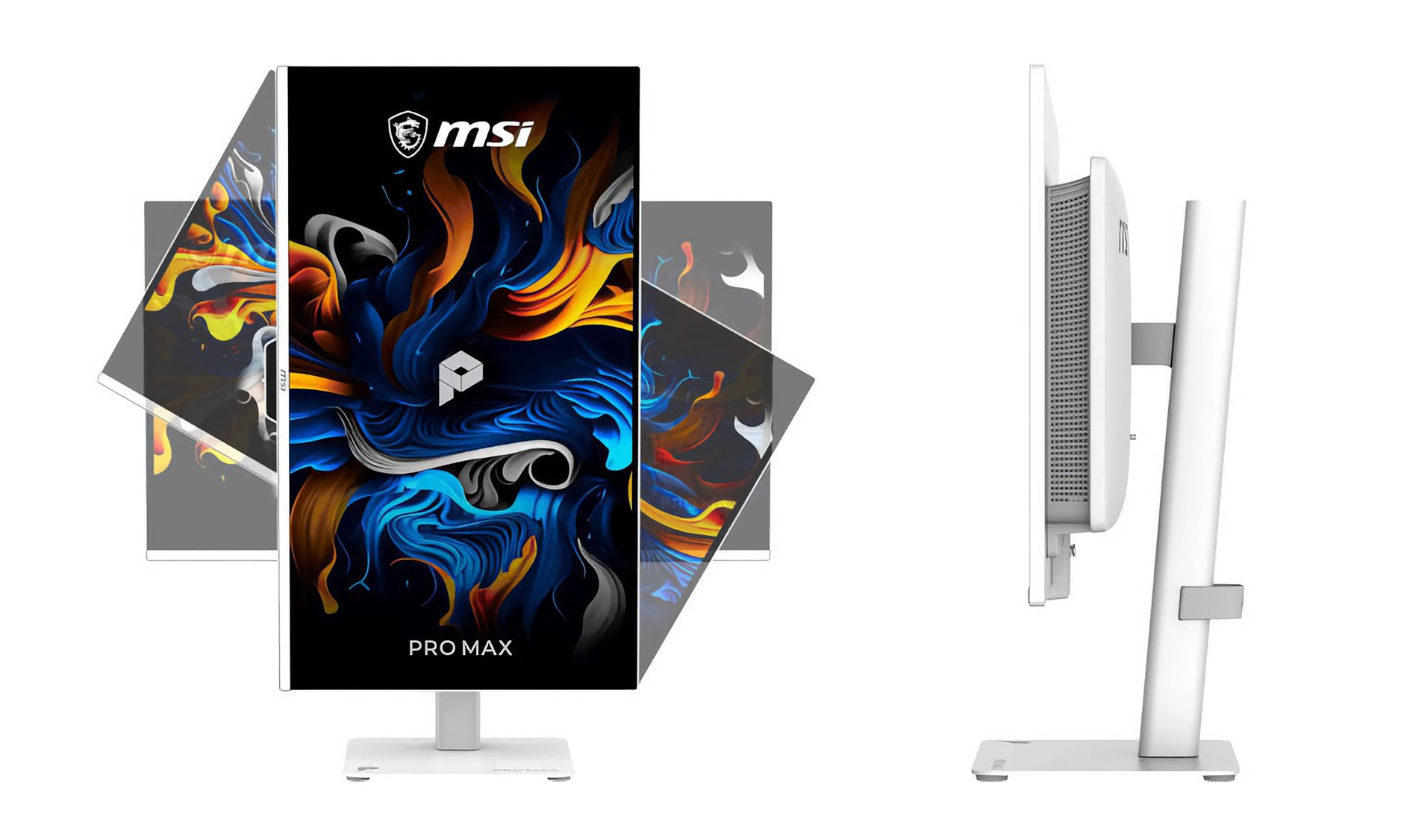
MSI has also introduced an OLED protection system that runs panel compensation in the background without interrupting users. Other features include a KVM switch, picture-in-picture and picture-by-picture modes, USB-C with 15W charging, and a fully adjustable stand.
Pricing and availability remain unknown. The first models may still be expensive, and lower manufacturing costs do not guarantee lower retail prices. However, wider production could eventually make high-quality OLED monitors easier to manufacture and more affordable to buy.

I’ve got about 4 years of experience, mostly covering gaming, PC hardware, and smartphones. In my free time, I like…
MSI launches a white 16-inch gaming laptop with a 12GB RTX 5070 and a pile of matching accessories
MSI bundles a mouse, headset, and extended mouse pad with its new white Crosshair gaming laptop

MSI has launched the Crosshair A16 HX MLG Edition globally, giving one of its upper mid-range gaming laptops a white-and-red makeover alongside a full set of matching accessories. MLG here stands for Mo-Loong-Gi, meaning “Dragon Princess,” and refers to an original character created by MSI rather than Major League Gaming.
What are you getting with this special edition laptop?
The ROG Gjallar packs Dolby Atmos in a compact form factor, but its US debut is still under wraps
Asus' new ROG Gjallar gaming soundbar brings Dolby Atmos and a wireless subwoofer to your desk.
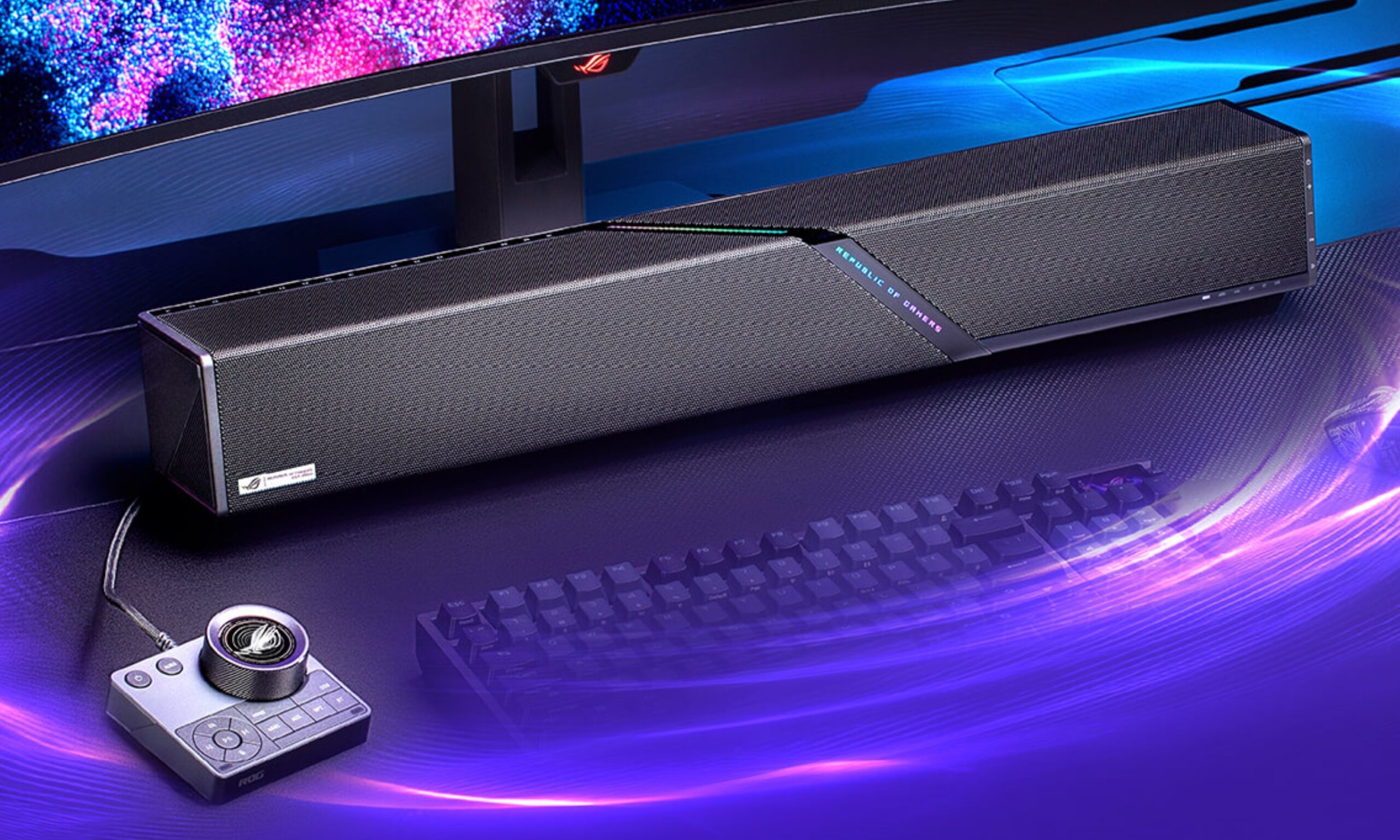
Asus unveiled the ROG Gjallar back in early July 2026, as the first speaker system under the ROG brand. However, at the time, the company stayed quiet on pricing and availability. That's changed now.
So what's actually inside the ROG Gjallar?
New Lenovo leak just gave us our best look at Google’s post-Chromebook gamble
Lenovo’s Googlebook 15 looks ready to start a fight with Windows
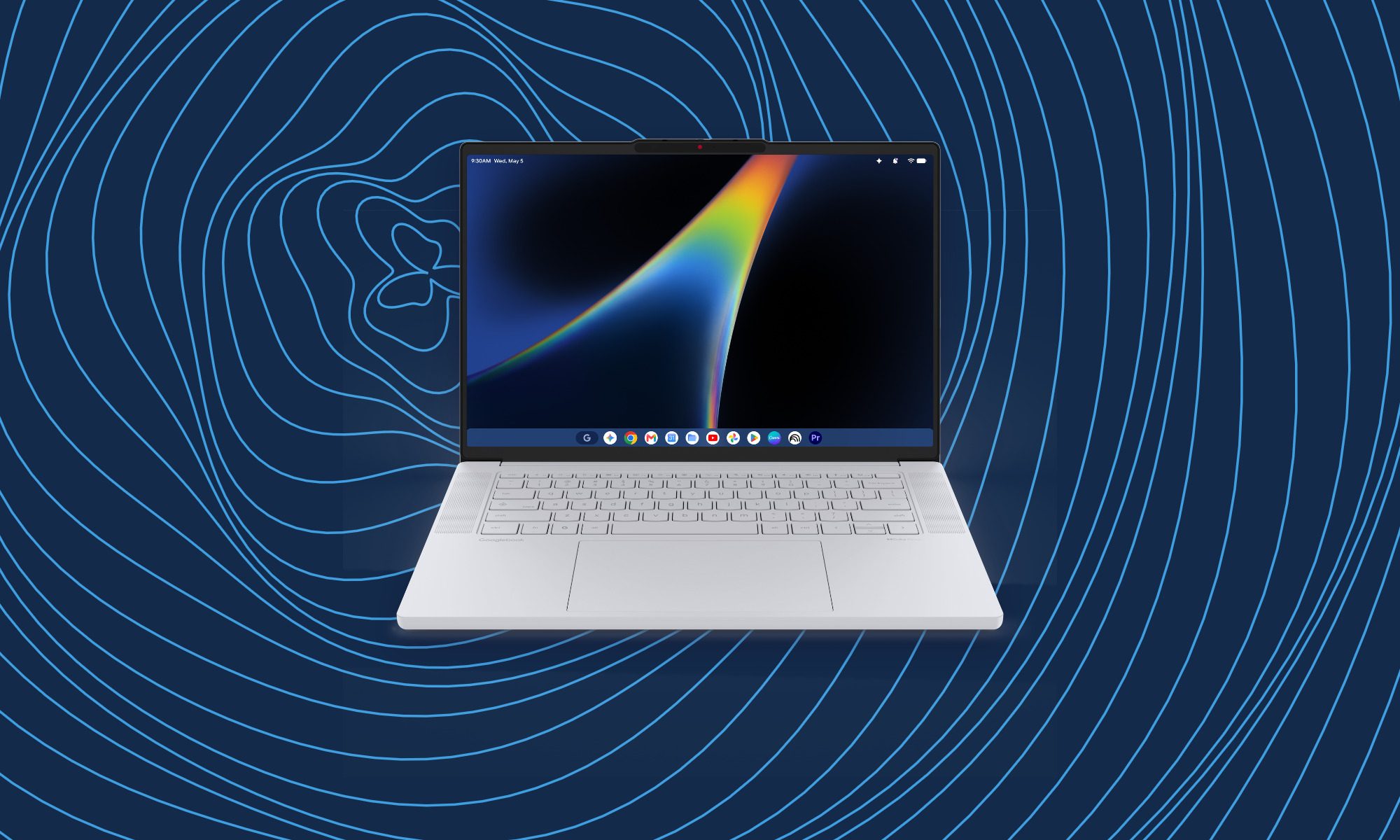
Chromebooks spent 15 years establishing Google as a viable laptop platform. The leaked Lenovo Googlebook 15 suggests the company now wants its next generation of Android-powered computers to sit beside premium Windows machines without those obvious compromises. This model looks distinct from Lenovo's upcoming 2-in-1 tablet that leaked online a few days ago.
Digital Citizen obtained what it describes as the complete press-image collection for the unannounced laptop, revealing its exterior, keyboard, ports, and the clearest look yet at Google’s new desktop interface. Lenovo has yet to unveil the device, but a proper reveal could arrive at IFA in September.








/cdn.vox-cdn.com/uploads/chorus_asset/file/23952435/HT025_tikTok_0006.jpg)

/cdn.vox-cdn.com/uploads/chorus_asset/file/25357667/STK259_MICROSOFT_COPILOT_2__B.png)