UK diesel price disparity hits new high as Iran oil crisis deepens
One of the immediate cost impacts of the war has been the rising cost of fuel at the pumps
 ValVades
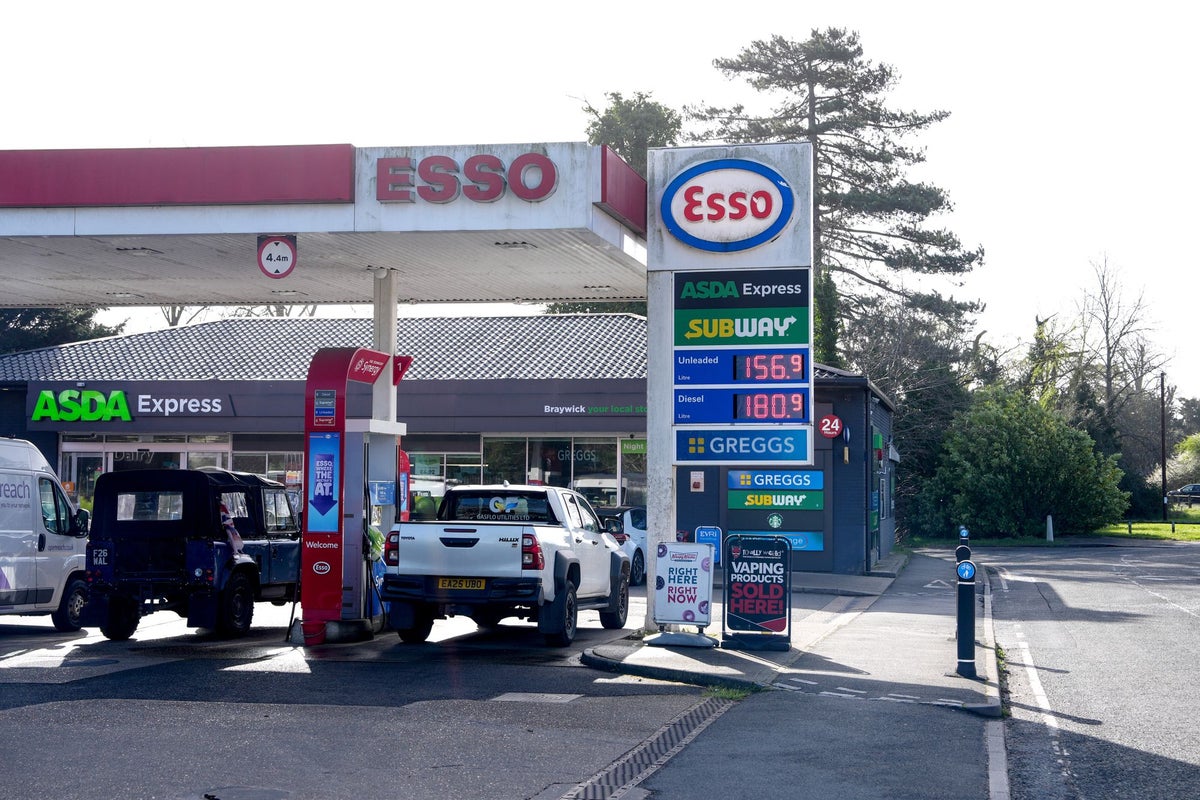
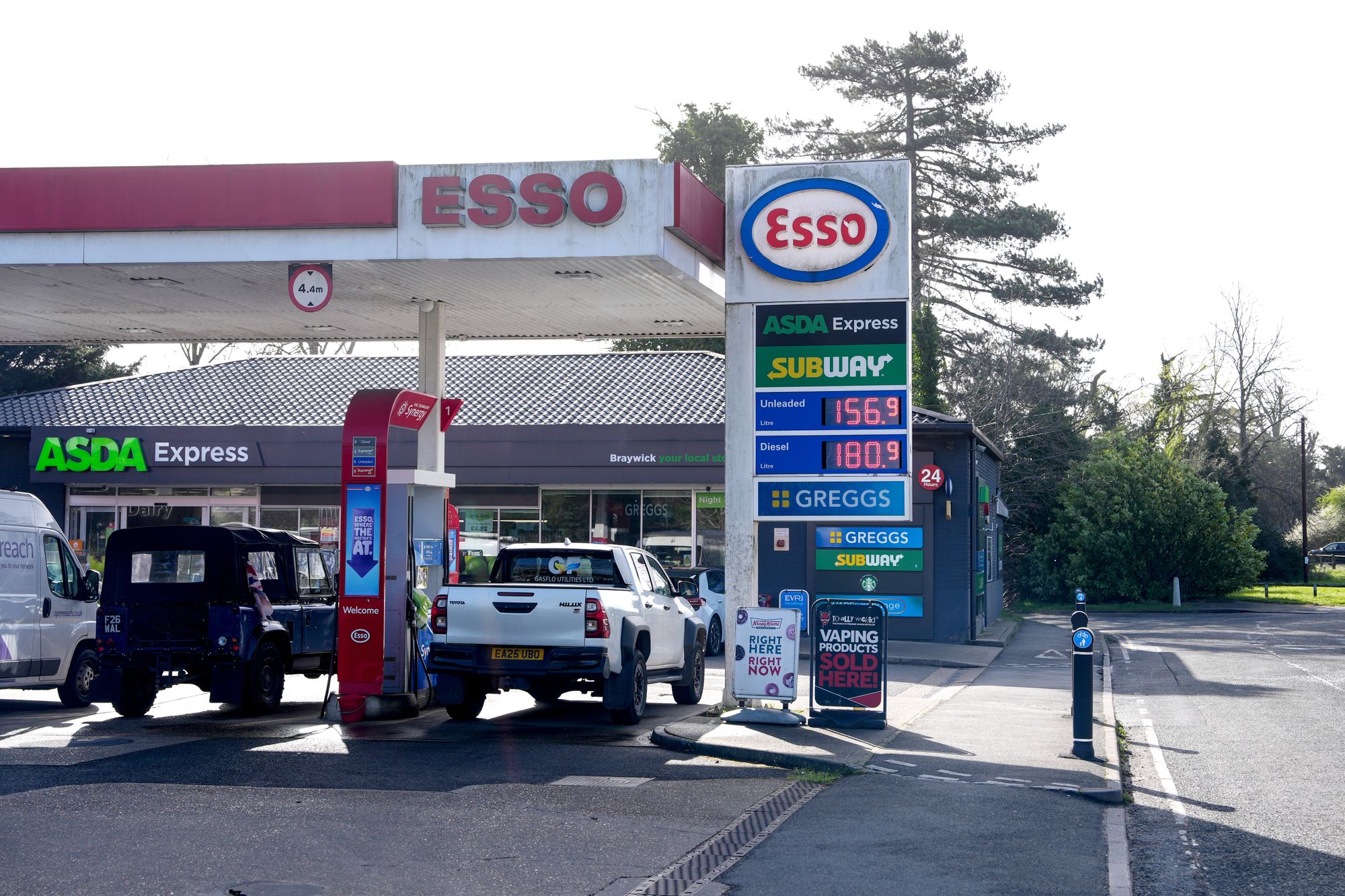
The price gap between diesel and petrol has hit its highest point since at least 2003, new figures reveal, as the deepening oil crisis linked to Iran continues to drive up fuel costs.
Motoring services company RAC reported a litre of diesel averaged 179.9p at UK forecourts on Sunday, a significant 28.5p more than petrol at 151.4p.
The widening gap stems from UK refineries prioritising petrol, increasing reliance on imported diesel.
Global oil prices, affecting wholesale fuel costs, have soared due to Iran's tightening grip on Strait of Hormuz tankers, pushing up pump prices.
The RAC Foundation warned this is the biggest price disparity since at least 2003, possibly ever.
It affects 16.2 million diesel vehicles licensed in the UK by last September, DVLA data shows.
This included the vast majority of light goods vehicles, such as vans.
Steve Gooding, director of the RAC Foundation, said: “Diesel is the lifeblood of millions of small businesses, but today white van man is bleeding cash just to stay on the road.
“Whether you drive or not, soaring diesel prices will take money out of your pocket, either at the pump or in the bills you pay for everything from calling out the plumber to getting a home delivery.
“If oil prices remain at this level the impact on the forecourt could be felt for weeks, if not months.
“That’s bad news for everyone, not just drivers of the UK’s 4.6 million diesel vans, the majority of which will be used for work purposes.”
Brent crude saw its cost climb by over 3 per cent, reaching 117 US dollars a barrel at one point during Monday morning trading.
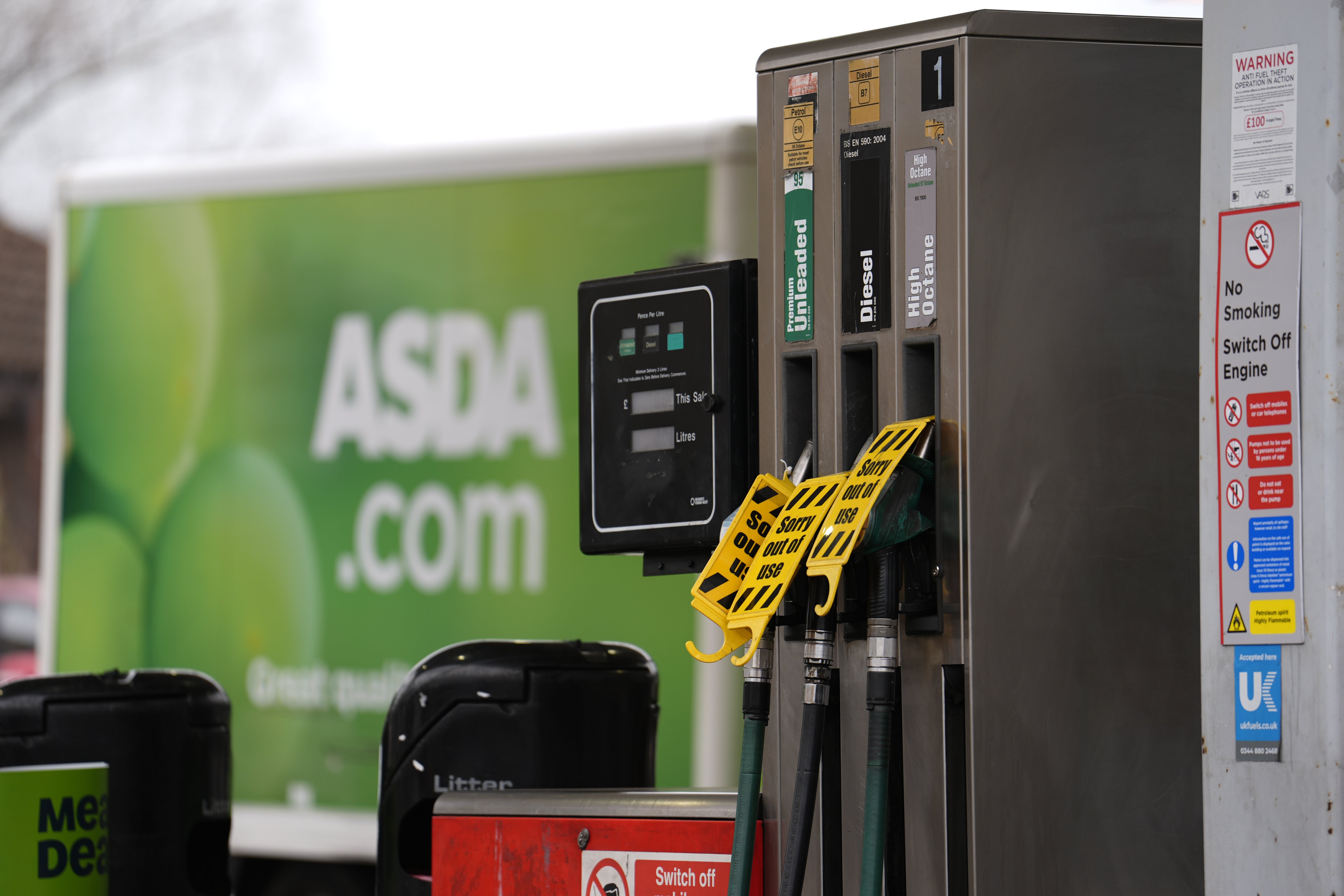
This latest increase comes amid ongoing attacks by the US and Israel on Iran, further exacerbated by the Iranian-backed Houthi rebels’ entry into the conflict on Saturday with their inaugural missile strike.
There are mounting calls for the Government to abandon the increase in fuel duty planned for September because of the rise in pump prices.
Chancellor Rachel Reeves announced in her November 2025 budget that the 5p-per-litre cut in fuel duty introduced by the Conservative government in March 2022 would only be extended until the end of August 2026, with rates then gradually returning to March 2022 levels over the next five years.