Vance says U.S. expects Strait of Hormuz to be open 'toll free' long term
The U.S. and Iran have issued conflicting statements on how the Strait of Hormuz will be managed.
 JimMin


Vice President JD Vance said Monday he expects the U.S.-Iran deal will open the Strait of Hormuz without tolls for the long term, but shippers say the arrangement to cross the sea lane remains unclear.
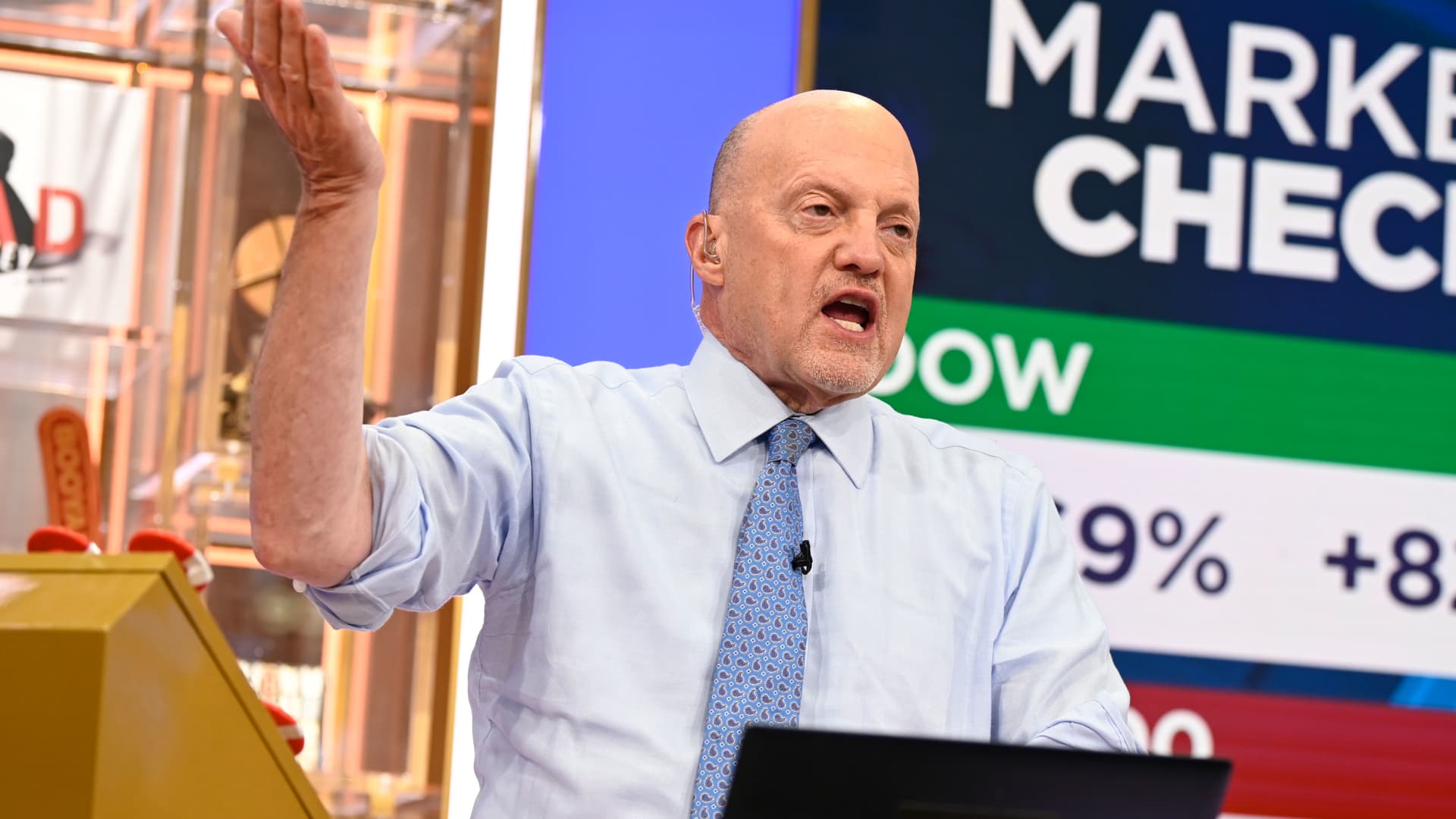
"Our expectation is that the strait is going to be opened in a toll-free way for the long term, and that's the sort of thing that we're going to figure out in these technical negotiations," Vance told CNBC's "Squawk Box" in an interview.
Iranian state media has said Hormuz will open to toll-free transits for a 60-day period. The strait will be managed by Iran and Oman after that period, according to Iran's Tasnim news agency.
The U.S. and Iran are expected to sign an agreement to end the conflict on Friday in Switzerland. President Donald Trump said the deal opens Hormuz without tolls in exchange for the U.S. ending its naval blockade against Iran.
Iran's parliamentary speaker Mohammad Bagher Ghalibaf and Foreign Minister Seyed Abbas Araghchi are expected to represent Iran in the negotiations, Vance said.
"There are a lot of very important details to figure out," the vice president said. "We're actually going to sit at the table and discuss together and figure out a path forward on these details."
Vance said ship traffic through Hormuz has already increased over the past 24 hours. The ship-tracking firm Kpler has not observed a huge increase of transits or a mass exodus from the Persian Gulf, said Matt Smith, director of commodity research at the firm.
The CEO of the oil tanker company Frontline told CNBC on Monday he believes "vessels will start to move very quickly once a deal is signed." Lars Barstad said he would have wanted "clearer language around the transit protocol, but that will hopefully come over the next few days."
Frontline operates a fleet of 80 ships worldwide. Five of its tankers are stuck in the Persian Gulf.
The global shipping trade group Bimco cautioned that statements from the U.S. and Iran regarding the deal are unclear and don't provide sufficient information on timing and safe routes through Hormuz.
"Due to lack of details and a history of overly optimistic reassurances, we believe the security situation for the shipping industry remains volatile, and we still consider it very risky for ships to commence transits at this point," said Jakob Larsen, the chief safety and security officer at Bimco.
The threat of mines in Hormuz remains a major concern, Larsen said. Secretary of State Marco Rubio told Congress earlier this month that Iran had mined large segments of Hormuz.
It will likely take several weeks for the hundreds of ships trapped in the Persian Gulf to exit through Hormuz, said Niels Rasmussen, Bimco's chief shipping analyst.
"We have seen an increase in ships transiting the strait last week, however, there is no indication that the announcement of an agreement has changed the situation yet," Rasmussen said.