Why New Zealand is the world’s best wellness destination
It restores people without trying to. The wellness travel industry has become extraordinarily good at packaging the one thing... The post Why New Zealand is the world’s best wellness destination appeared first on A Luxury Travel Blog.
 ValVades
It restores people without trying to. The wellness travel industry has become extraordinarily good at packaging the one thing that cannot be packaged. Rest. Genuine, unscheduled, nervous-system-level rest.
Walk through any luxury travel fair and you will find sleep retreats, breathwork itineraries, cold plunge protocols, and anti-inflammatory meal programmes layered into every second proposal. There is every conceivable routine that you can have curated for you. This is the world that wellness tourism has built, and a significant part of it is genuinely useful. However, somewhere in the scramble to turn restoration into a product, the thing most travellers are actually looking for has slipped quietly out the back door.
After 25 years of Aroha Luxury New Zealand Tours, and guiding people through New Zealand, I have come to believe that what the majority of travellers need is not a wellness programme. What they need is a country content to exist quietly around them while they find their way back to themselves. New Zealand happens to be extraordinarily good at this.
What the numbers say, and what they miss
The wellness travel market is enormous and growing quickly, projected to nearly double within a decade from its current value of close to a trillion dollars. More than 90% of luxury travellers now actively seek wellness features when choosing a trip. Hilton’s most recent travel research describes the driving force behind 2026 travel behaviour as something remarkably simple: exhaustion. People are planning journeys around emotional intention first, and then finding the destination that can support it. The industry term for this is ‘intention-led’ travel, a shift away from the itinerary and toward the inner question of what this trip actually needs to do.
There is real honesty in that recognition, and I find it encouraging that the conversation has moved in this direction. What I have learned from watching thousands of guests arrive in New Zealand is that the answer rarely involves adding anything at all.
The case for elemental rather than prescribed wellness
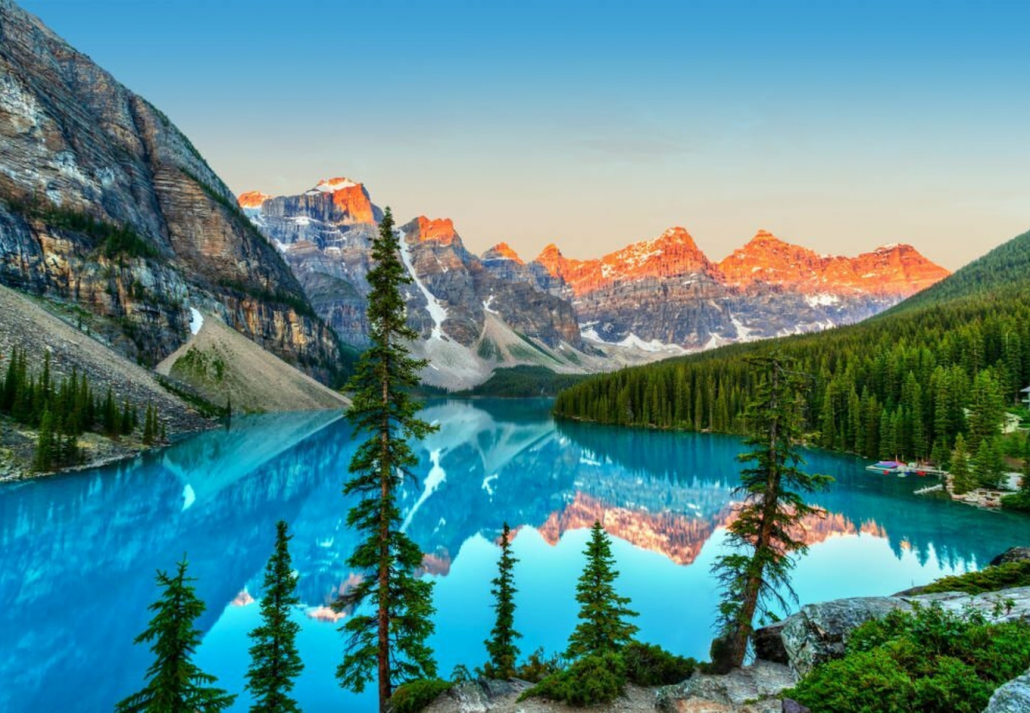
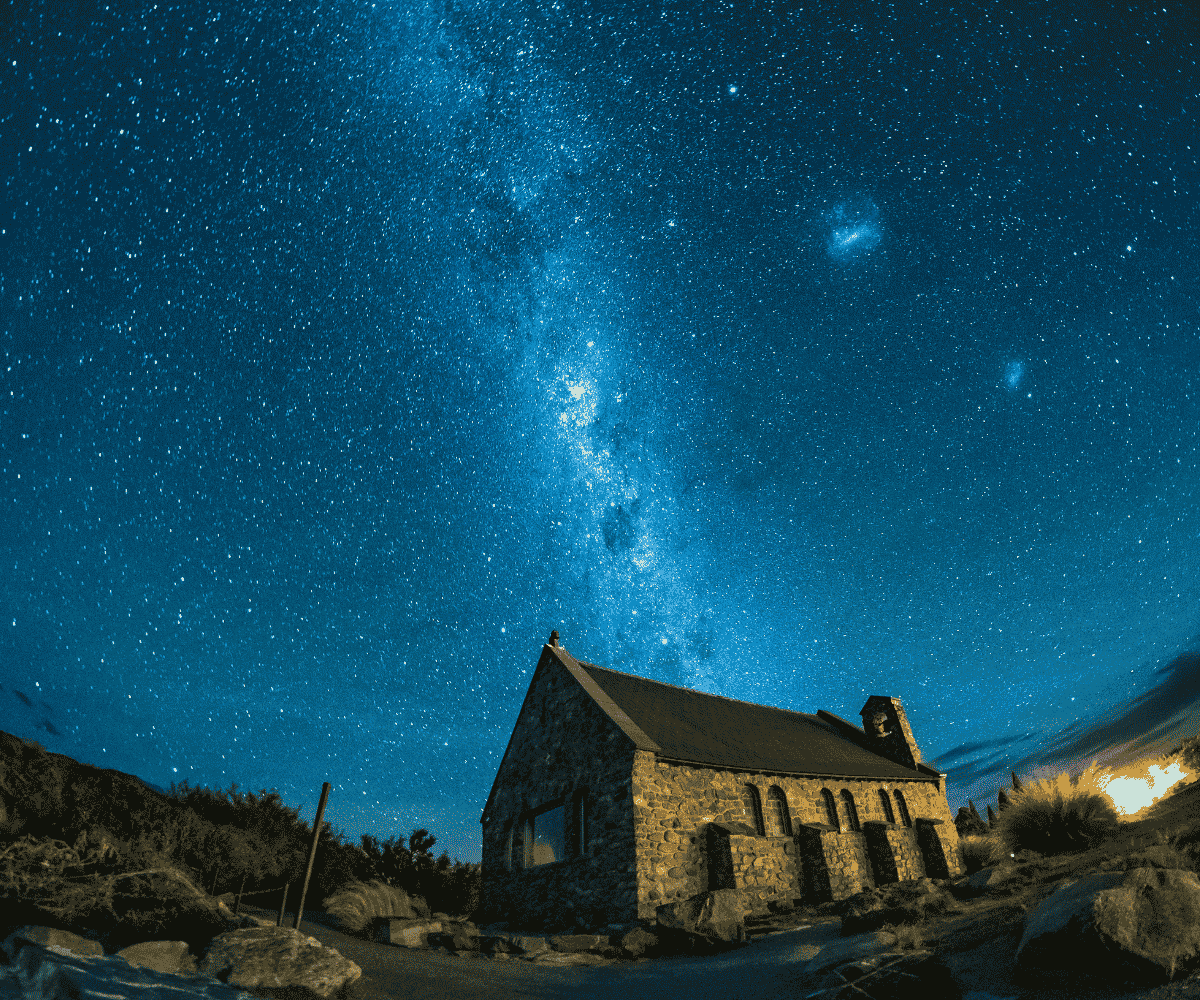
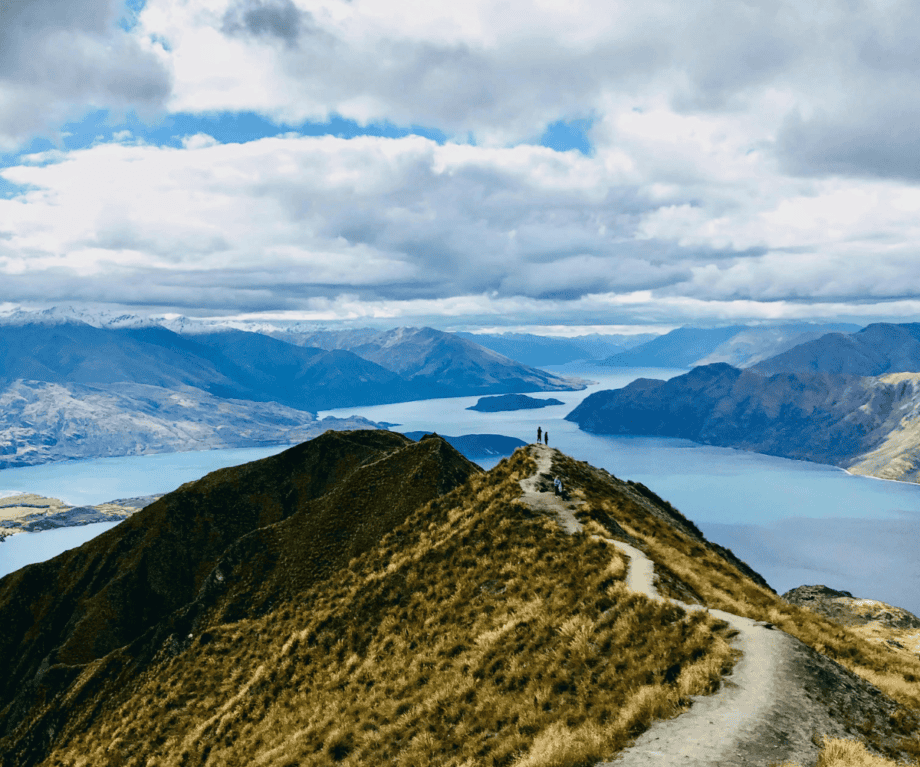
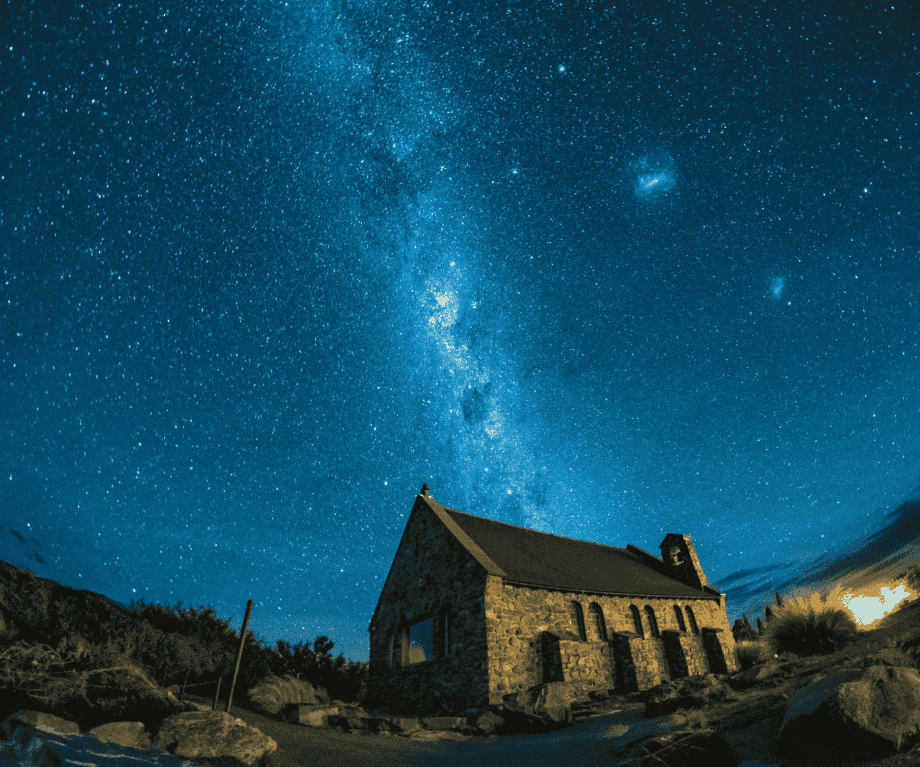
New Zealand’s restorative quality is not designed. It is geographical. The country has heat, cold water, open air, native forest, silence, and space in unusual abundance and unusual proximity to one another. A morning walk through native bush on the way to a geothermal valley. A lake so cold in the late afternoon that five minutes in it reorganises your thoughts entirely. A sky, in places like the Mackenzie Basin, that is genuinely dark at night and full enough of stars that most guests fall quiet and stay that way.
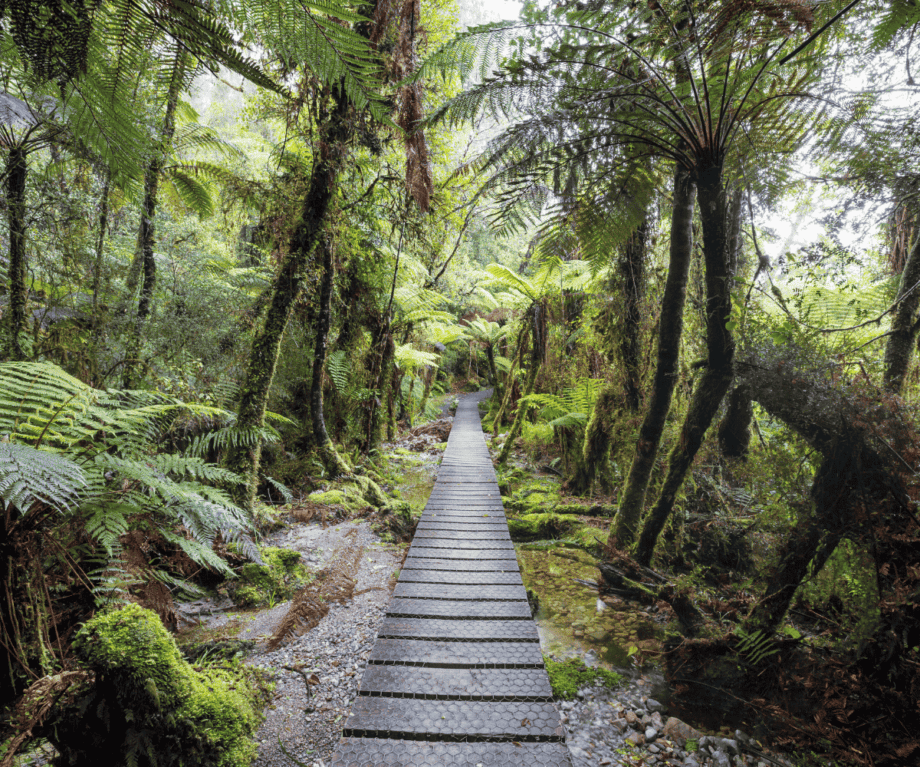
None of this is on a programme. None of it requires booking in advance or arriving at a designated time with the appropriate footwear. It is simply there, available to anyone moving through the country slowly enough to receive it. An itinerary, at its best, is the thing you stop noticing once the journey has properly begun.
Rotorua, for instance, is visited by most travellers as a geothermal spectacle and a gateway to Māori culture, both of which it absolutely is. It has its own particular atmosphere, literally and otherwise. The warmth, the steam rising off the water, the birdsong looping through the bush, the light sits differently here. It is the kind of place that works on the body and most guests notice the difference by the time they sit down to dinner.
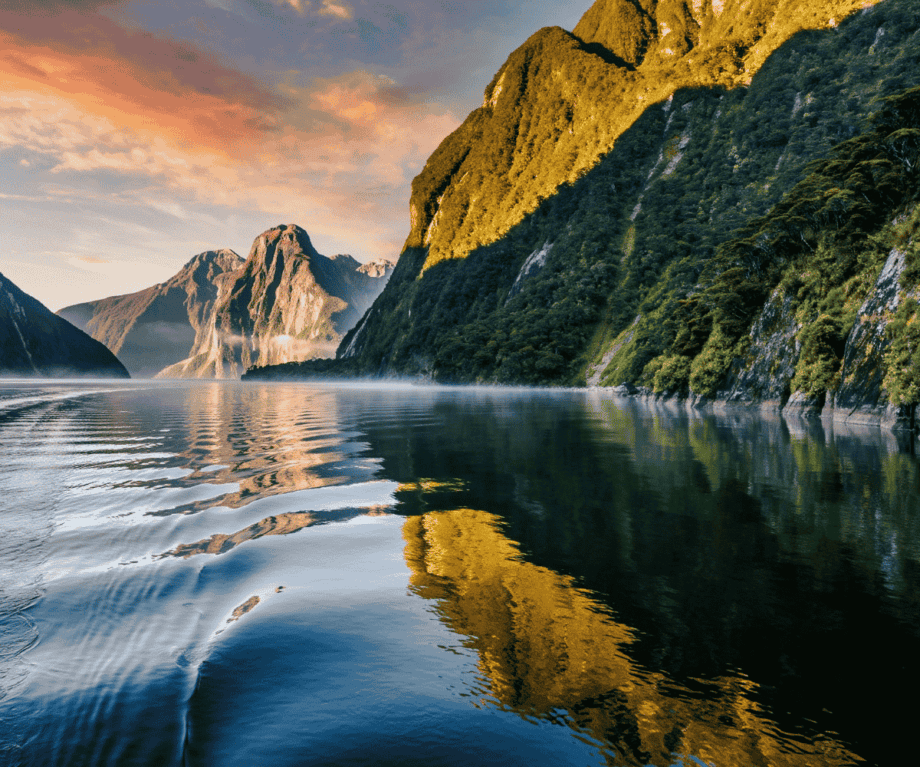
Fjordland is the other end of the spectrum entirely, and it works differently but just as completely. The scale there does something to people that I have never quite found the words for, though I have watched it happen hundreds of times. Milford Sound in the early morning has a stillness that most guests experience as almost physical. The mountains are too large to take in all at once and the water is so still that the reflection is indistinguishable from the original and people stop to stare.
The shift that happens around day three
I have watched this enough times that I can almost set a clock by it. Guests arrive in New Zealand with the residue of their ordinary lives still on them. The checked phone, the half-finished thought, the slightly pressured quality that comes from moving between obligations at pace. For the first couple of days, they are still, in some sense, managing the trip rather than being in it.
Then something shifts around day three, though I have seen it arrive as early as the first evening in the right lodge with the right view at the right time of day. The quality of conversation changes. People start noticing things outside the window rather than checking what’s next. Someone says, without any particular self-consciousness, that they had forgotten what it felt like to do nothing in particular.
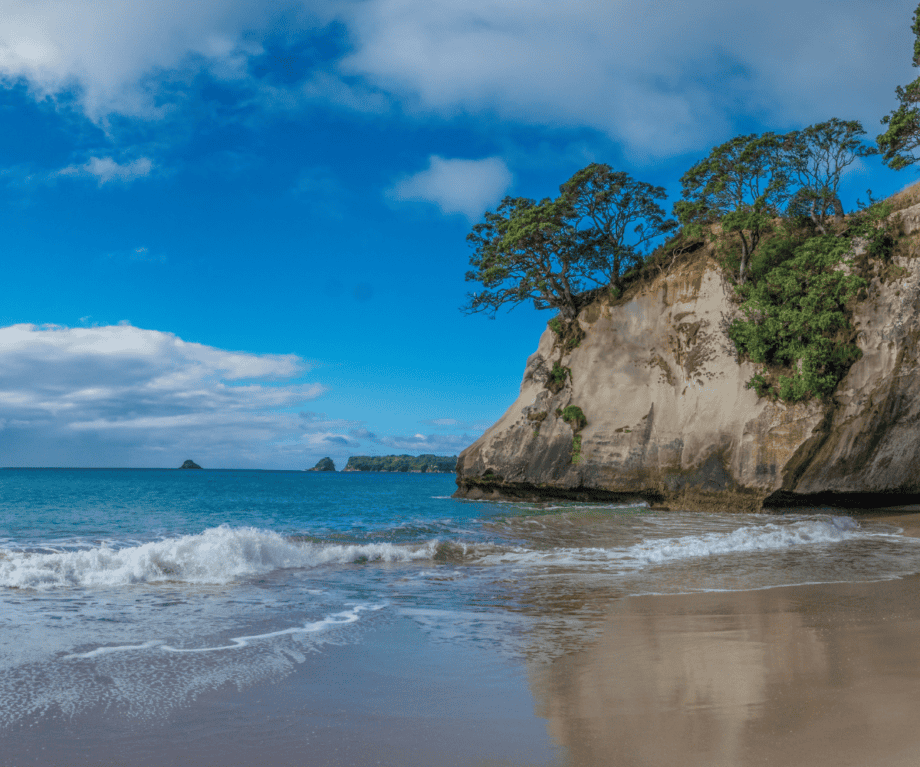
This is what restorative travel actually looks like because, at the core, it’s not actually a transformation; it’s a return to self. People are not discovering something new; rather, they are remembering how to sit in silence.
The itinerary that allows for this is deliberately created to diffuse haste and make time and space with fewer destinations and more time in each. The days find their own shape. And because the logistics are handled, the only choices that remain are the pleasant ones. Where to sit, whether to have wine, or whether to stay another hour because the afternoon light on the water is doing something amazing.
Everything you need to plan your trip in 2026
The question the industry rarely asks
The wellness travel conversation has become very sophisticated about what to offer and remarkably quiet about what to remove. Most of what depletes people is not the absence of a morning routine. It is the presence of too many decisions, too much noise, too little beauty in the immediate environment, and the persistent low-grade pressure of being responsible for everything.
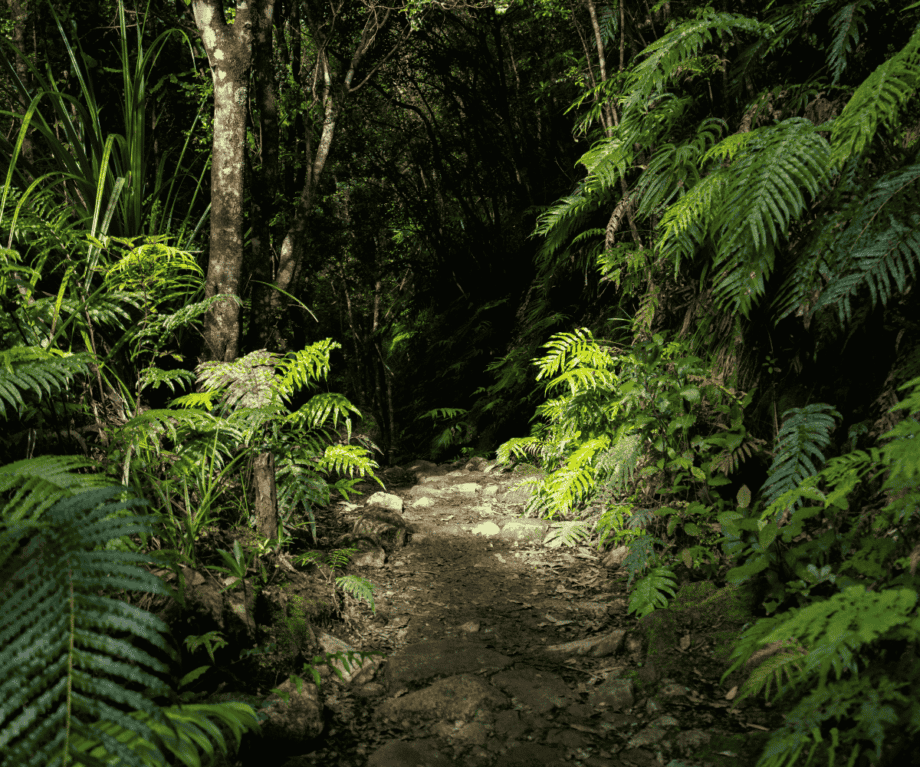
A privately guided journey in New Zealand removes most of those things cleanly. Someone else is handling the driving and navigation. The places we stay are chosen carefully and they show it. And the guide, who knows this country as well as their own backyard, has learned that occasionally the finest thing on the itinerary is an unscheduled afternoon when everyone can simply do as they please.
That is not a wellness programme, it is something less marketable than that. It is the experience of being genuinely looked after in a place that happens to be quite extraordinary.
What people carry home
The feedback I remember most clearly from guests over the years is as much about a specific activity or a particular lodge as it is about the pace. About how it felt to not check the time for an entire afternoon. About sleeping unexpectedly well, from the second night. About the quality of conversations that happened because there was actually time for them to develop, rather than be interrupted.
One guest, a surgeon from Boston who had not taken a proper holiday in four years, told me on the last day of his journey that he had spent the first two days waiting to feel guilty about not working. By the third day, he said, New Zealand had simply worn the waiting out of him. He looked, genuinely, about ten years younger than when he arrived.
That is not something you can put in a brochure or build a pricing tier around. It is what happens when a person who has been running at full capacity for too long is placed in an environment that asks nothing of them except to be present, and then has the patience to wait while they remember how.
New Zealand does this better than anywhere I know. Not because it has the most sophisticated wellness infrastructure, but because it has something more useful: space, beauty, and the particular quality of a place that has never needed to compete for attention.
The white robe is optional. The restoration tends to happen anyway!

Did you enjoy this article?
Receive similar content direct to your inbox.