Are classroom screens making children less cognitively capable? Experts are divided
Jared Cooney Horvath says screen-heavy classrooms are making children less capable, pointing to declining IQ scores since 2000. Not all experts agree, with some citing benefits of moderate screen use.
 Tekef
Tekef

Jared Cooney Horvath has spent over 15 years studying how people learn, and he says the picture for today’s kids isn’t good. The neuroscientist and former teacher argues that classroom technology is quietly eroding how children think and retain knowledge, according to a report from The Guardian.
Horvath’s new book, The Digital Delusion, lays out the case that generational progress in health and education has stalled since around 2000, right around the time kids started to get access to screens. Concerns about early exposure run even deeper, with some researchers now warning that screen habits formed before age two carry their own developmental risks.
What does Horvath think screens are the problem?
Horvath points to falling IQ scores across the West even as time spent in school has stayed steady or increased. He traces the shift to the rapid growth of educational technology, an industry he says is now worth $400 billion in the United States alone.
Laptop adoption in schools took off around 2010, then accelerated sharply when Covid forced a digital pivot. Most schools never reversed course afterward. Horvath cites Pisa testing data showing that students who spent more than six hours a day on screens scored significantly worse than peers who avoided screens entirely.
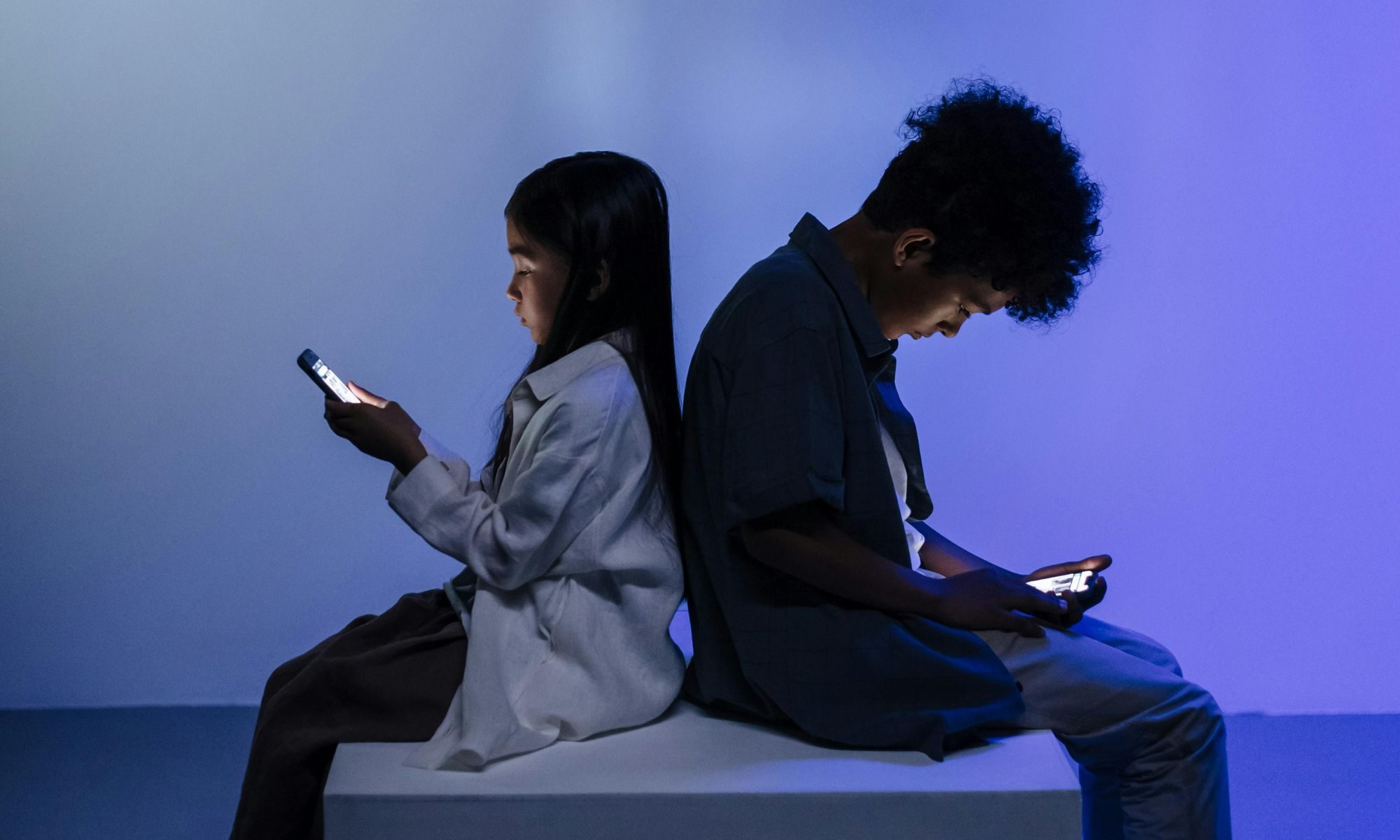 Ron Lach / Pexels
Does everyone in education agree with him?
Not quite. Rose Luckin, an emerita professor at the UCL Knowledge Lab, says Horvath is right that edtech was oversold without solid proof behind it. But she points out that the same Pisa data shows moderate device use actually correlates with better outcomes than no use at all.
Meanwhile, Dylan Wiliam, an education assessment expert at UCL, adds that the current research only shows correlation, not causation. Daisy Christodoulou of No More Marking agrees society got too comfortable with unproven tech, even if she’s more optimistic about its potential going forward.
So the real question isn’t whether screens belong in classrooms at all. It’s figuring out when and how much screen time actually helps kids learn.








/cdn.vox-cdn.com/uploads/chorus_asset/file/24504725/HT015_S_Haddad_ios_iphone_14_grayscale.jpg)