Wizz Air cuts capacity forecast despite a stronger-than-expected summer
The budget carrier has cut its planned capacity for the second half of its fiscal year by five per cent
 Aliver
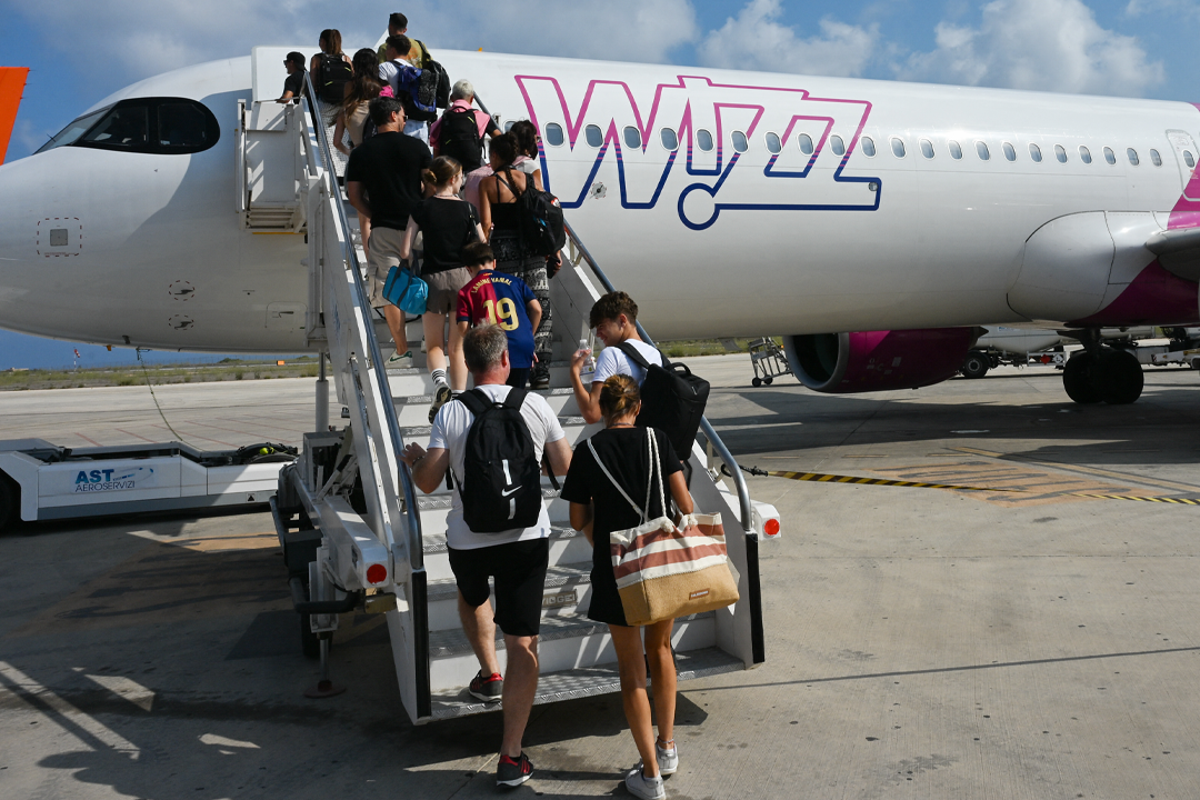
Wizz Air has joined rivals in scaling back growth plans as the Iran war continues to drive a sharp rise in fuel costs.
The budget carrier announced on Thursday that it had cut its planned capacity for the second half of its fiscal year by five per cent, although a stronger-than-expected summer prompted it to raise its near-term revenue outlook.
Shares in the airline were up 3.4 per cent at 985.5 pence by 8.40am GMT.
The U.S.-Iran war, considered the worst airline crisis in terms of costs since the COVID-19 pandemic, has sent the global aviation industry into a severe cost shock.
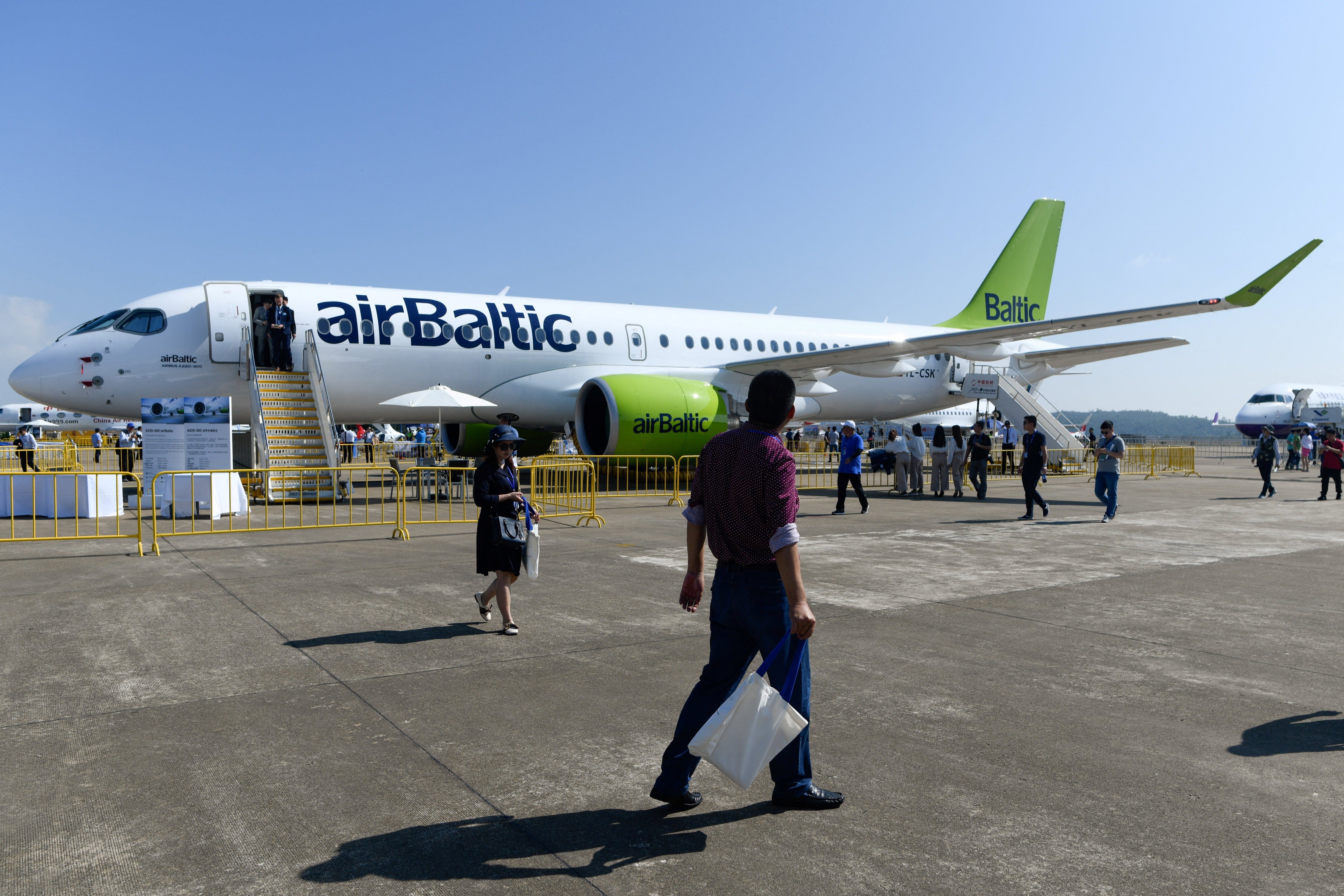
Latvian airline airBaltic became the first European carrier to file for bankruptcy earlier this week due to the conflict. It said that the move was an important step to “strengthen our financial position and support our broader plan to build a more efficient, stronger airline for the future”. It told passengers that tickets remain valid with no required action.
While full-service airlines have generally proved more resilient than low-cost operators, whose business models depend on cheap fares, even major US airlines have reduced planned flight schedules as higher fuel prices threaten earnings.
Wizz is among the better-positioned carriers, with liquidity of more than €2.2 billion ($2.5 billion) and fuel hedging covering 80 per cent of its requirements over the next 12 months at about half the current market price.
The airline set out medium-term targets of €10 billion in revenue and a 10 per cent margin on earnings before interest and tax by fiscal 2030. It plans to operate a fleet of 335 aircraft and carry 127 million passengers a year by that date.
Wizz currently operates 269 aircraft and flew 69.7 million passengers in fiscal 2026.
Ahead of its capital markets day on Thursday, the Hungarian airline upgraded its second-quarter forecast for revenue per available seat kilometre (RASK) — a key industry measure. It now expects the metric to be flat year on year versus a previous forecast for a low single-digit decline.
"The slightly better pricing backdrop is a welcome development, especially in the context of the very high capacity growth by Wizz Air," Goodbody Stockbrokers analysts said.
Rival Ryanair also nudged up its outlook for average fares last week, saying they could rise slightly this winter following a "mild upturn" since July, although the forecast remained heavily dependent on oil prices.









.jpg?width=1200&height=800&crop=1200:800)