A 277K-Person Study Found This Can Steal Years Of Healthy Life
It might be time to get out and meet some new friends.
 Fransebas


Author:
September 29, 2026
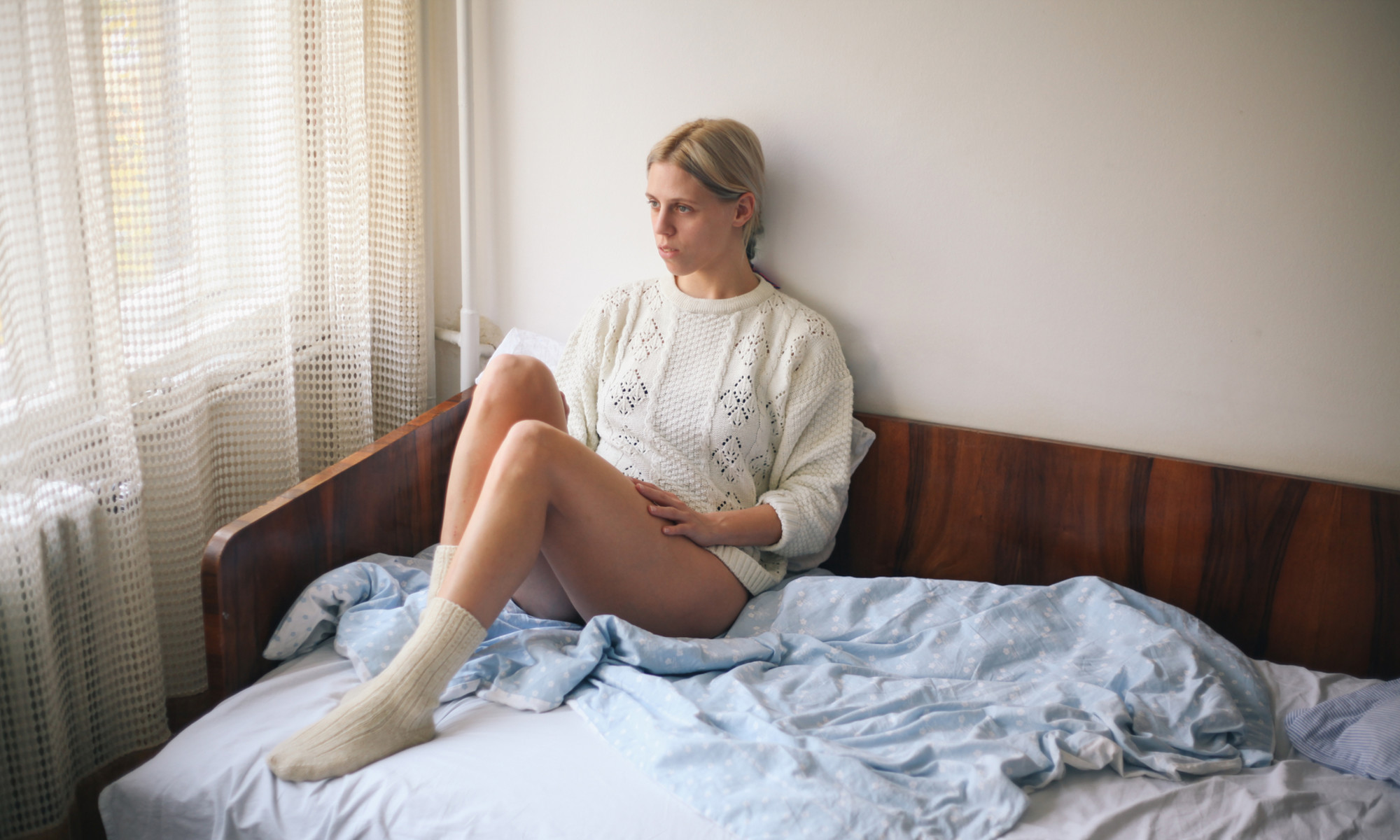
Image by Demetr White / Stocksy September 29, 2026 You can have a full calendar and still feel alone. Maybe you talk to coworkers all day but rarely see friends outside of work, or you have plenty of people around you but no one you'd call when something is weighing on you. Those experiences are different, but both can reflect social disconnection. In a recent study, researchers examined how loneliness and social isolation were associated with the number of years people could expect to live without major physical or mental health conditions. The study followed 277,489 adults for about 13 to 14 years.
About the study
Researchers analyzed UK Biobank data from adults who were free of seven major chronic conditions at the start, including cardiovascular disease, cancer, diabetes, depression, and anxiety.
They measured loneliness based on how often people felt lonely and whether they had someone close to confide in. Social isolation was based on more objective measures, including living alone, seeing friends or family, and participating in social activities.
The distinction is important because being alone and feeling alone aren't necessarily the same thing.
The biggest gap showed up in mental health
At age 50, people experiencing both loneliness and social isolation had fewer disease-free years ahead of them than those experiencing neither.
For physical diseases, women with both had an estimated 2.4 fewer disease-free years, while men had 1.7 fewer.
The gap was larger for mental health. Women with both had 3.7 fewer years free of depression or anxiety, while men had 5.8 fewer years.
Loneliness alone was also associated with fewer mental-health-free years among women, with an estimated gap of 3.9 years.
Overall, the association between social disconnection and fewer healthy years was particularly pronounced when researchers looked at mental health.
Loneliness & isolation may need different solutions
One of the more interesting findings was that healthy habits appeared to make a difference for social isolation, but not loneliness.
A healthier lifestyle, including physical activity, diet, sleep, and not smoking, was associated with a smaller gap in disease-free years among people experiencing social isolation.
But those habits weren't significantly associated with a smaller loneliness-related gap.
That doesn't mean healthy habits don't matter. It suggests they may not address every pathway through which social disconnection affects health. Feeling lonely is about the quality of your relationships, not simply how often you're around people.
Make connection part of your routine
You don't need a packed social calendar. A few consistent points of connection may be more realistic and meaningful.
The takeaway
Healthy habits may help offset some of the health effects linked to isolation, but they can't replace meaningful relationships. Staying healthy may be partly about who you make time for, too.