Abhaya Mudra: Meaning, How to Do It & Benefits (Gesture of Fearlessness)
Abhaya Mudra, known as the Gesture of Fearlessness, is one of the most recognised hand gestures in yoga and spiritual traditions. In this mudra, the right hand is raised to shoulder level with the palm facing outward, symbolising protection,...
 JaneWalter

>>Download Yoga Mudras Free PDF!
 Image source: shutterstock
Abhaya Mudra, known as the Gesture of Fearlessness, is one of the most recognised hand gestures in yoga and spiritual traditions. In this mudra, the right hand is raised to shoulder level with the palm facing outward, symbolising protection, reassurance, and inner peace.
This sacred gesture appears in Hindu and Buddhist iconography, where it represents divine support and the removal of fear. In yoga and meditation practice, Abhaya Mudra is more than a symbolic pose — it is a tool to cultivate courage, emotional balance, and a deep sense of safety within.
Practising Abhaya Mudra regularly can help calm the mind, build confidence, and encourage a grounded, fearless attitude in everyday life..
Meaning & significance
The word Abhaya Mudra comes from Sanskrit. Abhaya means fearlessness, and Mudra means gesture, so together it translates as the gesture of fearlessness. This mudra symbolises protection, reassurance, and freedom from fear. Practising it reminds us to stay calm, trust ourselves, and move forward with inner strength.
Physically, Abhaya Mudra is formed by raising the right hand to shoulder height with the palm facing outward. The open palm is a universal sign of peace and safety, showing a willingness to let go of fear and walk the path of awareness.
In many depictions, the left hand rests downward or forms another gesture such as Varada Mudra (gesture of compassion) or Dhyana Mudra (gesture of meditation), adding a deeper symbolic meaning.
Across dharmic traditions including Hindu, Buddhist, and Jain iconography Abhaya Mudra represents divine protection and spiritual courage. It is often seen in images of deities such as Shiva, Parvati, and the Divine Shakti, expressing the message: do not fear, you are protected.
Abhaya mudra in buddhism
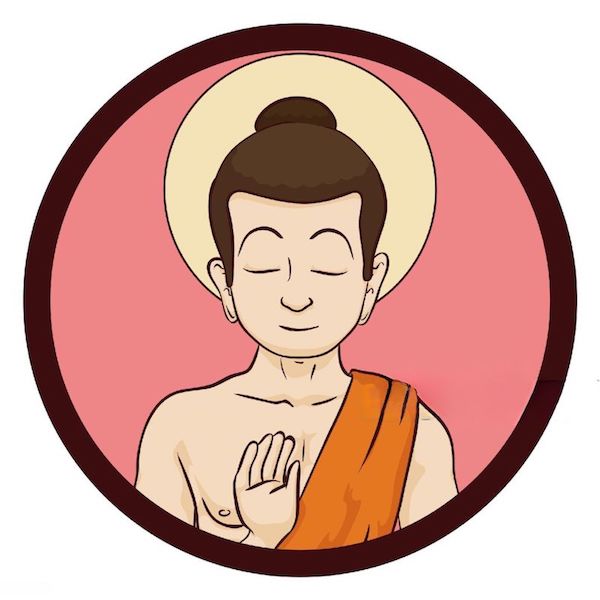 Image source: shutterstock
In Buddhism, Abhaya Mudra is a special hand gesture that means “fearlessness.” There’s a famous story where Buddha used this gesture to calm a very angry elephant. When the elephant saw the gesture, it became calm and peaceful. This shows how Abhaya Mudra can help stop fear and bring peace.
You can often see Abhaya Mudra in Buddhist art and statues. It shows Buddha holding his right hand up with the palm facing out. This gesture stands for kindness, peace, and bravery. Buddha is believed to have first used this gesture after becoming enlightened.
It’s also linked to Amoghasiddhi, one of the five Dhyani Buddhas, who represents wisdom and fearlessness. In various depictions, like the Leela Buddha, Abhaya Mudra helps show how Buddha faced and overcame fear, promoting a sense of inner calm.
Also Read: 10 Powerful Buddha Mudras and Their Meanings
How to do abhaya mudra(steps)
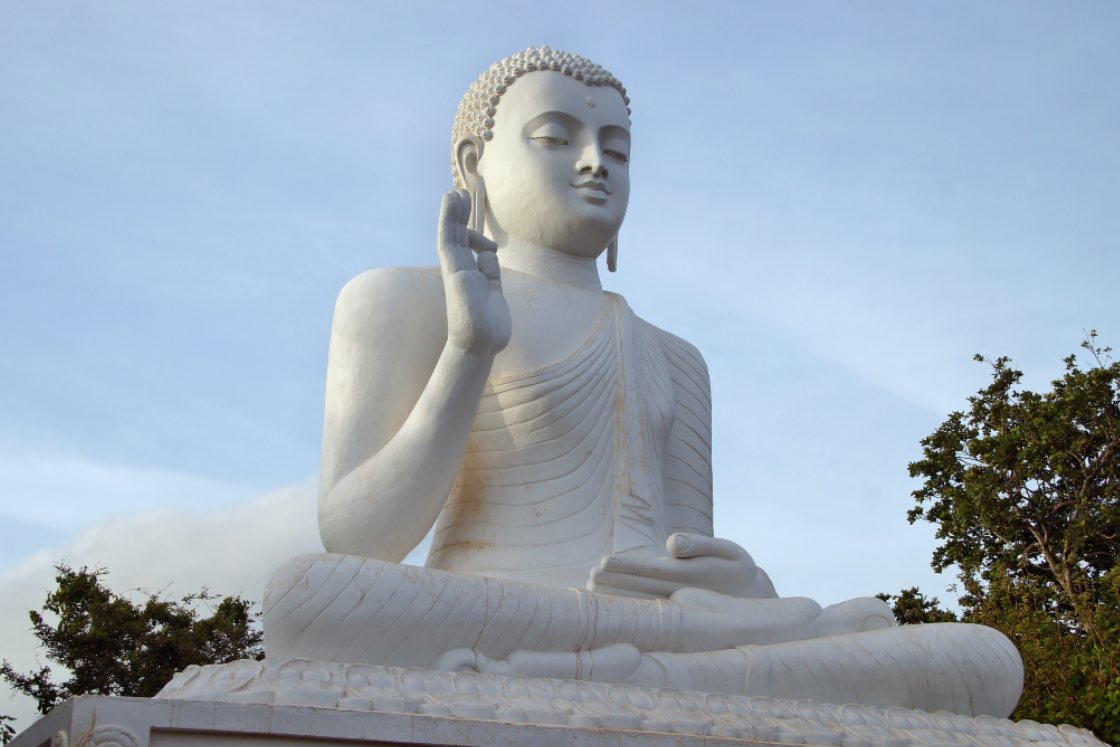
The Abhaya Mudra should be performed with the right hand only; the left hand often forms the Dhyana Mudra.
Sit comfortably in a yoga pose like Sukhasana or Padmasana on a mat. Take deep breaths to relax and energize yourself. Place your left hand on your left knee with the palm facing upwards. Lift your right hand to shoulder height, with the palm open and facing forward, fingers upright. Close your eyes and focus on your breath and inner awareness(Chitta). Hold this position for as long as you can, then gently release.Time & duration
Duration: Practice Abhaya Mudra for at least 20-30 minutes each day. This can be done in one continuous session or divided into 2-3 stretches of 10-15 minutes. Timing: For optimal benefits, perform the mudra in the morning. However, you can practice it at any time of day that fits your schedule.Additional tips
Performing Abhaya Mudra along with breathing exercises (Pranayama) can enhance its benefits. Ensure that your posture is relaxed and avoid exerting unnecessary tension on your body.Precautions
Sit in a comfortable and stable posture so the body remains relaxed and free from strain. Avoid practising if you feel unwell, dizzy, or extremely fatigued. Keep the hand and arm relaxed — the gesture should feel gentle, not forced. Maintain slow, natural breathing throughout the practice. If you notice any discomfort in the shoulder, wrist, or arm, lower the hand and adjust your position. Practise regularly but without overexertion; consistency is more important than duration. Stay hydrated, but avoid drinking large amounts of water immediately before practice..Side effects
Abhaya Mudra is generally very safe and gentle for most people. However, if the arm is held raised for a long time, you may notice mild fatigue, stiffness, or slight discomfort in the hand, wrist, or shoulder.
These effects are usually temporary and can be avoided by keeping the arm relaxed, practising for a comfortable duration, and lowering the hand whenever you feel strain. Listening to your body and practising mindfully helps ensure a safe and pleasant experience.
Affirmation
“I am protected and fearless. With every breath, I welcome courage and inner strength.”
Repeating this affirmation while practising Abhaya Mudra helps anchor the mind in a feeling of safety and trust. It encourages a calm, steady confidence and reminds you of the strength that already exists within.
Abhaya mudra and Varada mudra
Abhaya Mudra, or the “Gesture of Fearlessness,” involves raising the right hand with the palm facing outward. It symbolizes protection, reassurance, and fearlessness, often used to convey peace and safety. In contrast, Varada Mudra, the “Gesture of Charity,” involves lowering the right hand with the palm outward and fingers extended. It signifies generosity and the act of giving, often seen in depictions of blessings.
Together, these mudras complement each other by balancing spiritual and material aspects. Abhaya Mudra provides protection and courage, while Varada Mudra represents generosity and the fulfillment of material needs. Practiced together, they offer both spiritual support and practical assistance, reflecting a holistic approach to support and reassurance.
Gyan Mudra and Abhaya Mudra
Gyan Mudra and Abhaya Mudra are closely related but serve distinct purposes. Gyan Mudra involves touching the tip of the thumb to the tip of the index finger while the other fingers are extended. This mudra is known for enhancing mental consciousness, focus, and awareness.
Abhaya Mudra, on the other hand, is a modified variation of Gyan Mudra. Instead of the fingers touching, Abhaya Mudra involves raising the right hand with the palm facing outward. This gesture is used to symbolize fearlessness and protection. While Gyan Mudra supports mental clarity and awareness, Abhaya Mudra addresses fear and promotes a sense of inner courage. Essentially, Gyan Mudra cultivates mindfulness, whereas Abhaya Mudra helps overcome fears and boosts confidence.
Benefits of Abhaya Mudra
Overcome Fear: This gesture aids in overcoming personal fears and instills a sense of courage. By symbolizing protection, it encourages facing challenges with confidence and bravery. Calm the Mind: Regular practice of Abhaya Mudra promotes mental calmness and helps reduce anxiety. It creates a reassuring sense of safety, making it easier to manage stress and nervousness. Build Inner Strength: Abhaya Mudra fosters inner resilience and spiritual strength. Practitioners often feel more grounded and self-assured, enhancing their ability to handle life’s challenges. Enhance Intuition and Spiritual Insight: By activating the Ajna Chakra, Abhaya Mudra supports intuition and spiritual insight. This practice helps in gaining a deeper understanding of spiritual matters and personal growth. Promote Emotional Balance: Engaging the Anahata Chakra through Abhaya Mudra helps in achieving emotional balance and harmony. It supports effective emotion management and contributes to overall inner peace and stability.Conclusion
Abhaya Mudra is a gentle yet deeply meaningful gesture that reminds us to live with courage and trust. Through this simple hand position, we cultivate calmness, emotional balance, and a sense of inner protection.
When practised regularly in meditation or quiet reflection, it can help reduce anxiety, strengthen confidence, and bring a steady, grounded mindset. Over time, Abhaya Mudra becomes more than a gesture it becomes a reminder to move through life with openness, resilience, and fearlessness.
FAQs Abhaya Mudra
Q1. What is the significance of Abhaya Mudra?
Abhaya Mudra symbolizes protection, peace, benevolence, and the dispelling of fear. It represents the assurance of safety and security, as seen in depictions of deities like Shiva in his Nataraja form, offering protection from evil and ignorance.
Q.2 How long should I practice Abhaya Mudra each day?
Practice for 20-30 minutes daily, either in one session or split into shorter periods throughout the day.
Q.3 What should I focus on while practicing Abhaya Mudra?
Focus on maintaining a calm breath, a sense of inner protection, and visualizing fearlessness.
Q.4 What chakra is associated with Abhaya Mudra?
It primarily activates the Ajna (Third Eye) Chakra for intuition and insight, and the Anahata (Heart) Chakra for emotional balance.
Q.5 Can Abhaya Mudra help with stress relief?
Yes, it helps to alleviate stress by promoting a sense of safety and calm.
Q. 6 Is there a specific posture for practicing Abhaya Mudra?
It can be practiced while seated in a comfortable posture like Sukhasana or Padmasana, or standing.
Q7. What should I eat before practicing Abhaya Mudra?
It’s best to have a light meal or snack that includes fruits, nuts, or a small serving of whole grains. Avoid heavy, greasy, or spicy foods.
Q. 8 Should I practice Abhaya Mudra on an empty stomach?
Practicing on an empty stomach is ideal for some people, as it helps avoid discomfort and promotes focus. However, if you’re hungry, a light snack is fine.