An accessible guide to Amsterdam, from a wheelchair user who keeps going back
The compact city is made for navigating on wheels, but how does that translate to exploring in a wheelchair? Carrie-Ann Lightly has your guide
 JaneWalter

Amsterdam is a city built for movement. From the estimated 900,000 bicycles that outnumber its permanent residents to the 165 canals crossed by over 1,200 bridges – making it a larger waterway network than Venice. But how does that freedom of movement translate for disabled travellers visiting Dam?
I’ve visited Amsterdam three times, a number which is rare for me when it comes to overseas city breaks. Not because it’s perfect – truly, I don’t believe any city has perfect accessibility – but because it’s one of the few places where I can focus on the experience rather than the logistics.
When you travel as a wheelchair user, every journey usually starts with military-level planning. But a trip to Amsterdam can be more flexible. I find I can move, explore and change my plans without everything unravelling. The city is compact, largely flat and built for bikes, which provides an unexpected benefit for visitors with accessibility needs.
Read more: 8 best LGBT+ hotels in Amsterdam for luxury, budget and boutique stays
Getting there
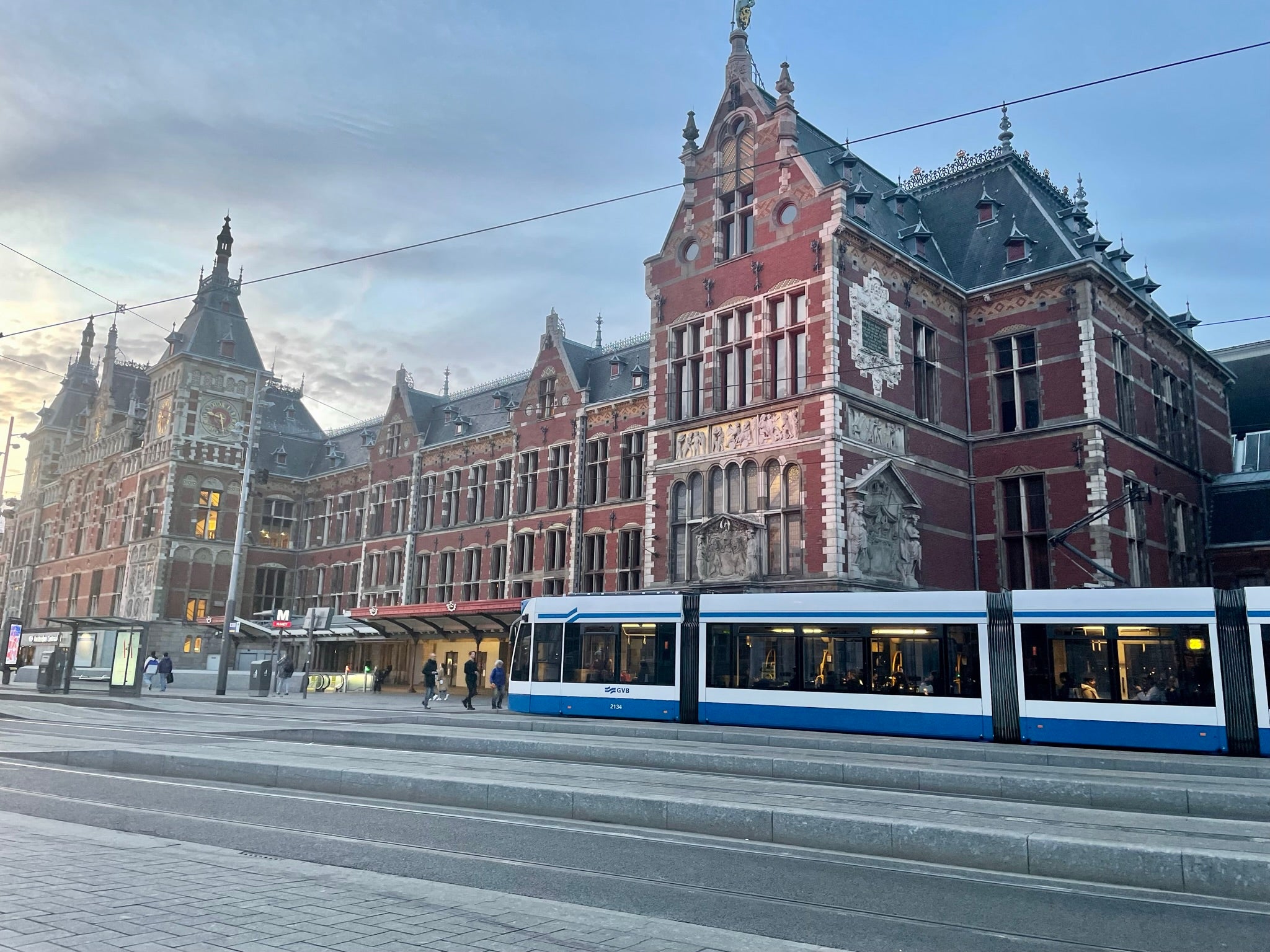
Travelling from London St Pancras International by Eurostar to Amsterdam Centraal Station sets a relaxed tone from the start of a trip, as I can stay in my wheelchair the whole time. The accessible seating is spacious, with a meal service included. You can also have a companion travel with you at a reduced fare so you can sit together.
Even being able to use the accessible toilet on board independently feels like a “perk” as it’s so rare for a wheelchair user travelling between countries.
Arrival into Amsterdam Centraal is just as straightforward. Step-free routes, lifts and clear signage mean you can leave the station independently and be in the city within minutes.
Where to stay
In Amsterdam, staying near Centraal Station puts much of the city within easy reach.
At ibis Amsterdam Centre, the decor is simple and contemporary. The accessible room is spacious and thoughtfully laid out with a bathroom that includes a roll-in shower and good turning space.
The central location also made it easy to return to the hotel between plans, so you can rest, reset and head back out again ready to explore.
Price: From £127
Getting around
Amsterdam’s cycling culture shapes how the city feels to move through. The same routes that work for bikes often work well for wheelchair users. There are cobbles and crowds, but sticking to the smoother cycle paths where permitted, travelling outside of peak times and choosing wider streets alongside the canals can make a big difference. Overall, I find it far more manageable to navigate than many other historic cities.
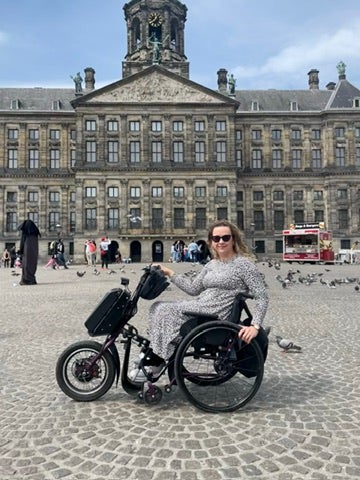
It’s possible to explore the city independently without relying on public transport. Though when needed, the options are straightforward to use, including the free ferries across the IJ to Amsterdam Noord, and the well-connected tram network, some of which have wheelchair spaces on board. From the ibis, it’s around a 10-minute roll to the wheelchair accessible tram platforms at Dam, while the free ferries across the IJ to Amsterdam Noord leave from directly behind Centraal Station.
Accessible toilets do take more effort to find. Smaller, older venues are hit and miss. One reliable fallback I found is Wagamama at Max Euweplein, just off Leidseplein and close to the Hard Rock Cafe, where I could use the accessible toilet without being tied to dining there. Chain restaurants and hotels are often happy for me to use their facilities too. It’s not a glamorous option, but it is a practical one, and it meant I could stay out longer without worrying.
Read more: The best wheelchair accessible hotels in London in 2026
What to do
A canal cruise is one of the easiest ways to get to grips with Amsterdam’s layout. The Blue Boat company have accessible boats with ramped boarding and spaces so you can remain in your chair. Its 75-minute City Canal Cruise leaves from Stadhouderskade 501, opposite the Hard Rock Cafe near Leidseplein, and returns to the same spot, with audio guides available in 19 languages.
From the water, the city feels calmer. You glide past houseboats, bridges and narrow streets, taking it all in without needing to navigate crowds or uneven surfaces.
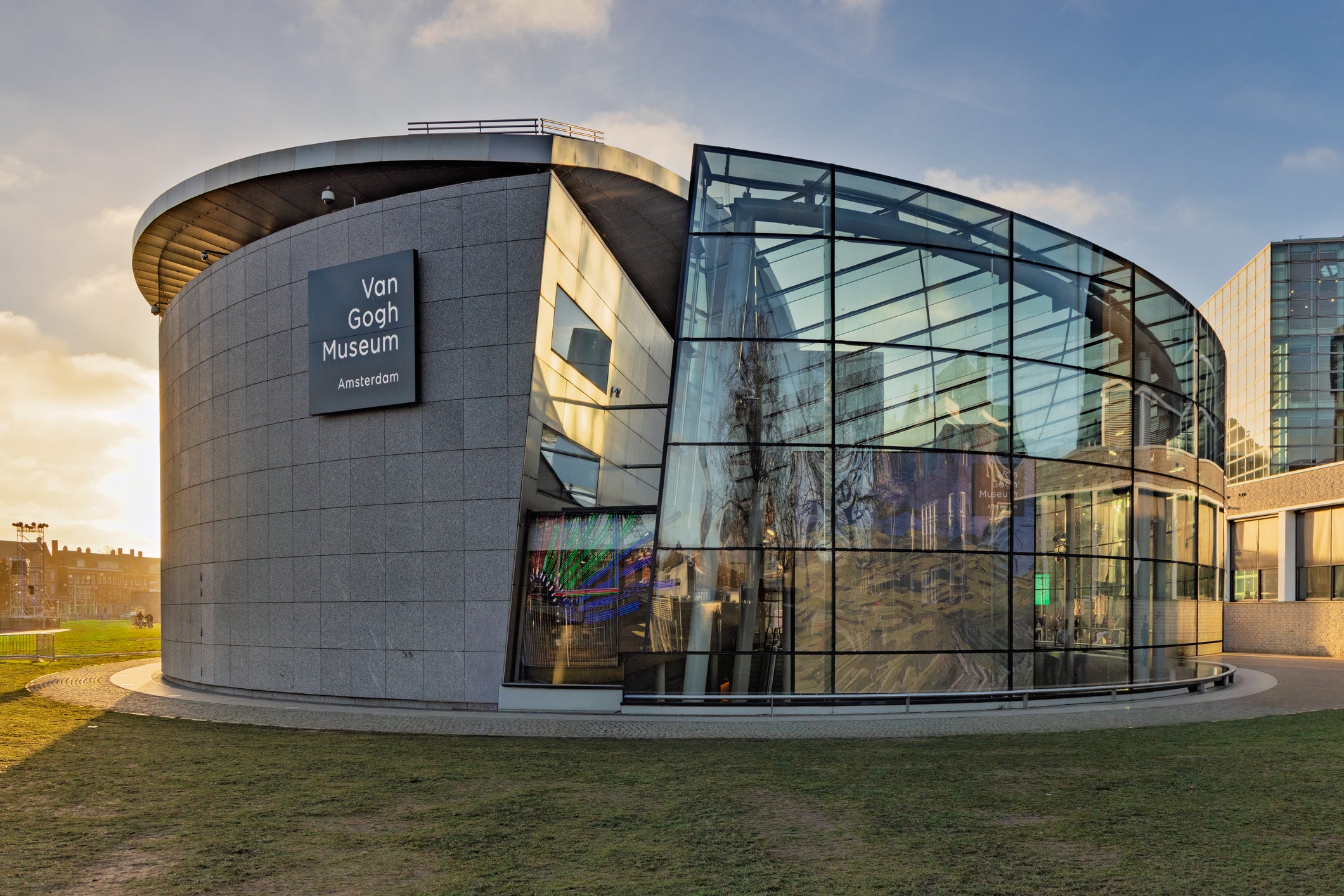
The Van Gogh Museum is one of Amsterdam’s best-known cultural attractions, with the world’s largest collection of work by the artist. The gallery traces his life, influences and artistic development, from early sketches and self-portraits to his vivid landscapes, still-life paintings and letters. It gives insight into the person behind the paintings.
It’s also one of the most accessible major attractions in the city. Entry is step-free, lifts connect each level and there are accessible toilets. What stands out to me is the pacing. Seating is built into the galleries, so you can pause when you need to without feeling in the way. The layout moves through his life and work in a way that feels thoughtful and easy to follow, rather than overwhelming.
One of my favourite ways to explore Amsterdam is taking the free ferry across the IJ to Noord, the neighbourhood directly opposite Centraal Station. Ferries leave frequently from behind the station and the crossing takes just a few minutes. With level boarding and plenty of space for wheelchairs, bikes and pedestrians, it feels less like a tourist attraction and more like joining Amsterdam locals on their everyday commute.
At the other side, the A’DAM Lookout offers a completely different perspective. Lifts take you to the top, where you can see the full spread of the city from the observation deck.
The Heineken Experience in the De Pijp neighbourhood near Museumplein offers a lively look at one of Amsterdam’s most recognisable exports, taking visitors through the brand’s former brewery with a mix of heritage, storytelling and interactive displays. Expect historic brewing rooms, multimedia exhibits, tasting moments and plenty of playful, photo-friendly touches along the way.
Much of the route is step-free, with lifts between floors, although some of the older areas are tighter and less straightforward to navigate. What makes the difference is how staff handle it. Where access was limited, they explain clearly, offer alternative routes and adapt the experience without fuss. It removes that awkward feeling of being left out or unsure, and makes the visit feel much more relaxed.
Food and drink
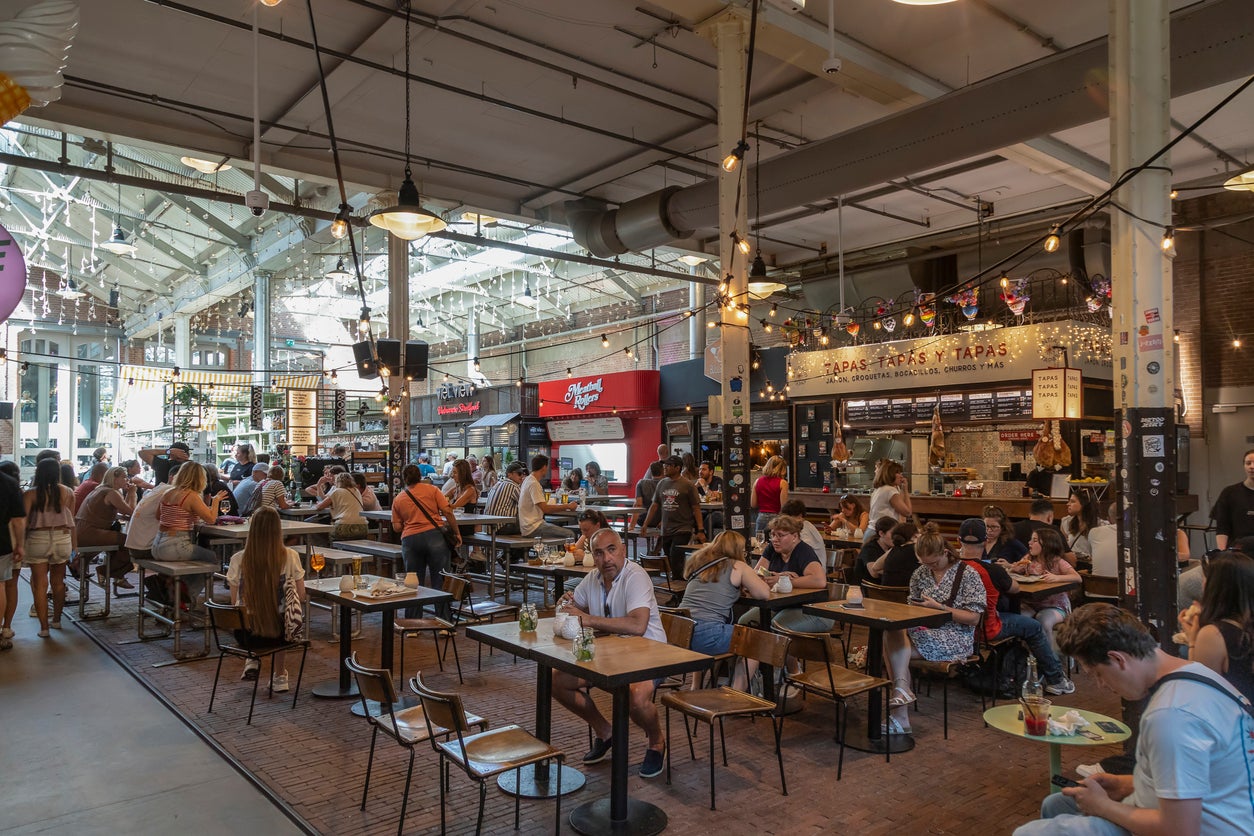
Amsterdam is a city you can snack your way through. Chips with mayo, fresh stroopwafels, bitterballen, local cheese picked up as you go. It suits a more flexible way of travelling. Vlaams Friteshuis Vleminckx, near Spui, serves cones of chips from a street level hatch, while Rudi’s Original Stroopwafels bakes its stroopwafels fresh from a food truck at the Albert Cuyp Market. For bitterballen, head to Foodhallen in Amsterdam West, where there’s an adapted toilet next door in Filmhallen.
For something more special, Sea Palace stands out. Set on a boat on the water near Centraal Station, it serves Cantonese favourites such as freshly made dim sum, Peking duck and prawns in XO sauce, all designed for sharing. Getting onto a floating restaurant as a wheelchair user can feel like stepping into the unknown, but here it is straightforward. Inside, there is space to move comfortably, accessible toilets and views across the harbour.
Across the IJ in Noord, Cafe Restaurant THT at Tolhuistuin is a favourite for lunch after visiting A’DAM Lookout. I’ve eaten everything from shakshuka to beef udon from its globally inspired menu, and the raised waterfront terrace has great views back across the IJ. There’s a lift to the restaurant, an accessible toilet and outdoor seating.
For an evening drink, Kanarie Club in Amsterdam West occupies a cavernous former tram depot at De Hallen, with a huge central bar and plenty of space to settle in over beers, wine or craft sodas. Wheelchair users will find it easier to enter directly from Bellamyplein rather than navigating the busy Foodhallen, and there’s an accessible toilet beside the bar.
Read more: Seven holiday destinations you can get to on the Eurostar from London
How accessible is Amsterdam?
Amsterdam is not perfect. Cobbles appear often. Some historic spaces are still hard to navigate. Accessible toilets aren’t always en route. But the city has a nice flow, distances are manageable, and the infrastructure supports different ways of moving. That’s why I keep going back. Not because everything works, but because enough of it does that I can spend my time experiencing the city, not figuring it out.