Apple’s OpenAI lawsuit just tripped over an embarrassing wrong-recipient email
OpenAI has published emails and messages challenging Apple’s trade-secret allegations, including an awkward exchange in which Apple’s outside lawyer contacted the wrong person.
 JaneWalter

Apple came for OpenAI’s trade secrets, but OpenAI had email receipts
 OpenAI
Unsplash
OpenAI
Unsplash
Apple and OpenAI’s legal battle has quickly moved beyond carefully worded court statements. OpenAI has just shared the email and message trails behind the dispute, and one exchange leaves Apple’s version of events looking questionable.
In a bluntly titled post, “Apple is getting this wrong,” OpenAI challenged Apple’s request for a preliminary injunction and accused the iPhone maker of building parts of its case around false or incomplete information. Apple wants a court to prevent OpenAI and two former Apple employees from accessing, acquiring, using, or disclosing its alleged confidential information.
Apple’s paper trail contains a hilarious mix-up
 Tim Witzdam / Pexels
Apple previously claimed it contacted OpenAI in February about former employees retaining confidential information and received no response. The emails released by OpenAI show Apple’s outside lawyer, Gabriel Gross, contacting OpenAI General Counsel Che Chang. Gross later sent Chang a follow-up thanking him for a phone call and an offer to cooperate. Chang replied that the conversation had never happened.
Gross subsequently acknowledged that the message was intended for another former Apple employee, whose surname was Wang, and had accidentally been sent through the email chain with Chang. OpenAI characterizes the episode as Apple confusing two Asian surnames.
OpenAI also argues that Apple never raised the specific accusations that eventually appeared in its lawsuit. According to the correspondence, Apple’s counsel said it was resolving the issue before communication stopped for approximately five months. To recall, the tech giant filed its lawsuit on July 10.
OpenAI brought more than emails
Apple’s case names former employees Chang Liu and Tang Yew Tan, accusing them and OpenAI of misappropriating confidential hardware information to accelerate OpenAI’s consumer-device plans. Apple recently requested expedited document production and depositions from OpenAI employees and corporate representatives.
 Bangyu Wang / Unsplash
OpenAI also published iMessages showing Apple employees continuing to ask Liu for help locating files and answering technical questions after his departure. It adds that the messages undermine Apple’s accusation that Liu deliberately retained access, arguing that Apple failed to disconnect former employees from its systems properly.
Those exchanges represent OpenAI’s defense in an active lawsuit rather than a court’s conclusion. They do, however, create an uncomfortable contradiction for Apple. However, they do create an uncomfortable contradiction for Apple since employees have allegedly continued requesting Liu’s assistance while the company now argues that his continued access created an urgent threat. This fight could even carry considerable for its hardware ambitions.

Vikhyaat Vivek is a tech journalist and reviewer with seven years of experience covering consumer hardware, with a focus on…
Google Drive steps up its video collaboration game with timestamped comments
Google Drive's timestamped comments pin feedback to exact moments in videos.
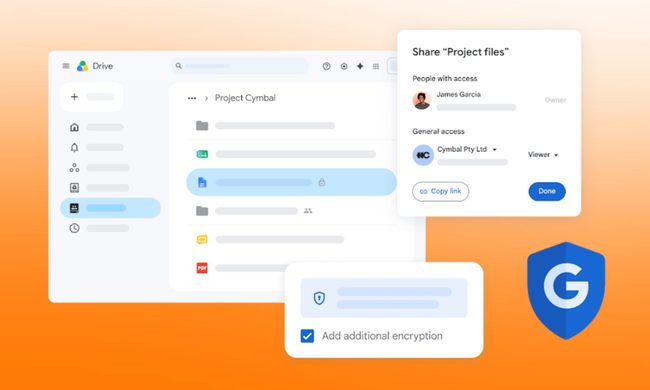
Over the years, I’ve collaborated with many video editors and content creator friends of mine, often pointing out things like how the text isn’t visible around the two-minute mark or how the transition in the opening sequence feels a little off.
However, most of the time, they would end up scrubbing through the whole clip trying to find what I meant, or they'd ask me to send a screenshot of the exact moment I was referring to. Considering I wasn’t charging anything to spot those issues, that extra effort always stung a little. Thankfully, Google’s latest Workspace update finally fixes that.
Apple is finally bringing one of my favorite Continuity features to Windows
Your iPhone and Windows PC could soon share a clipboard.
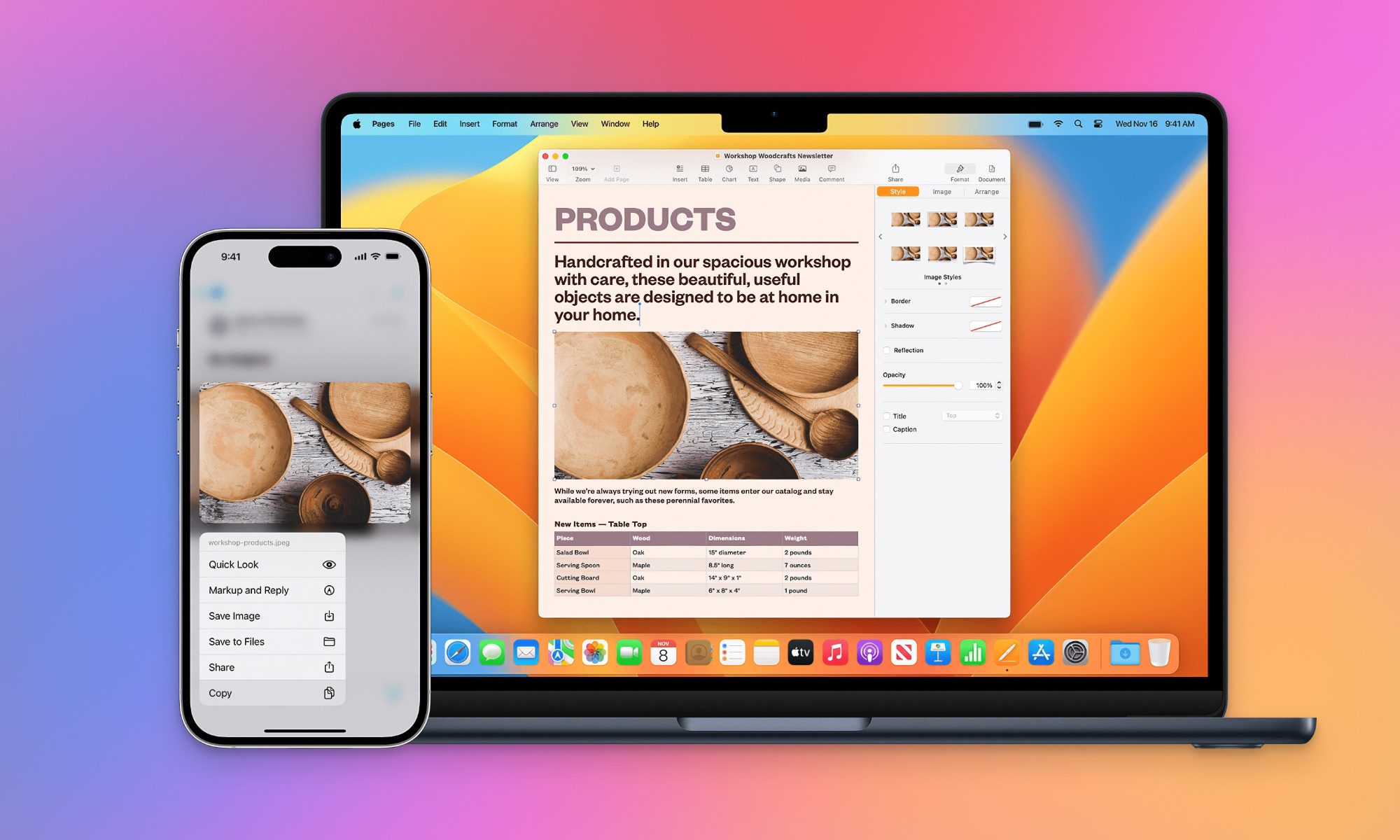
I recently wrote about Apple’s Continuity features and how they play a big role in keeping me trapped inside the Apple ecosystem. One of the smallest but most-used and favorite Continuity features is the Universal Clipboard, which lets me copy and paste text and files between multiple Apple devices.
Now, it seems that feature is finally coming to Windows PCs. As per MacRumors, Apple is reportedly working on letting you copy something on your iPhone and paste it straight into a Windows PC, no third-party app required.
MSI’s new 4K 120Hz OLED monitor uses inkjet tech that could make premium screens cheaper
The first 27-inch 4K 120Hz IJP OLED monitor arrives through MSI and TCL CSOT
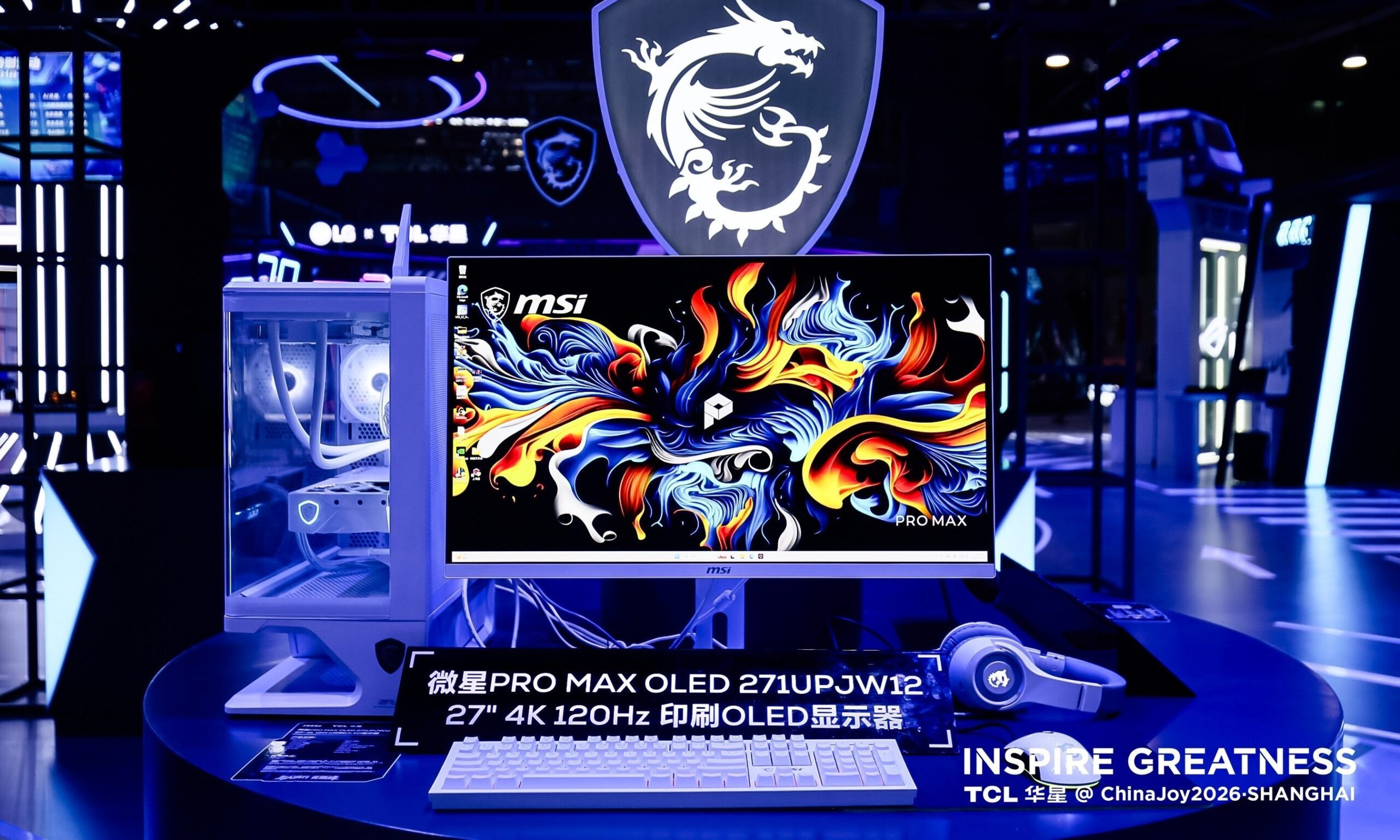
The future of OLED monitors may have just taken a significant step forward. MSI and TCL CSOT have unveiled the world’s first 27-inch 4K 120Hz desktop monitor built using inkjet-printed OLED technology, bringing a manufacturing method once limited to prototypes and specialist displays closer to everyday buyers.
Called the MSI Pro Max OLED 271UPJW12, the monitor uses a TCL CSOT panel created by printing organic light-emitting material directly onto the display. The process wastes less material than conventional OLED manufacturing and could eventually make panels cheaper and easier to produce at scale.













/cdn.vox-cdn.com/uploads/chorus_asset/file/25826491/PXL_20250106_223233485.jpg)