ASUS’ less powerful Googlebook could still cost a small fortune
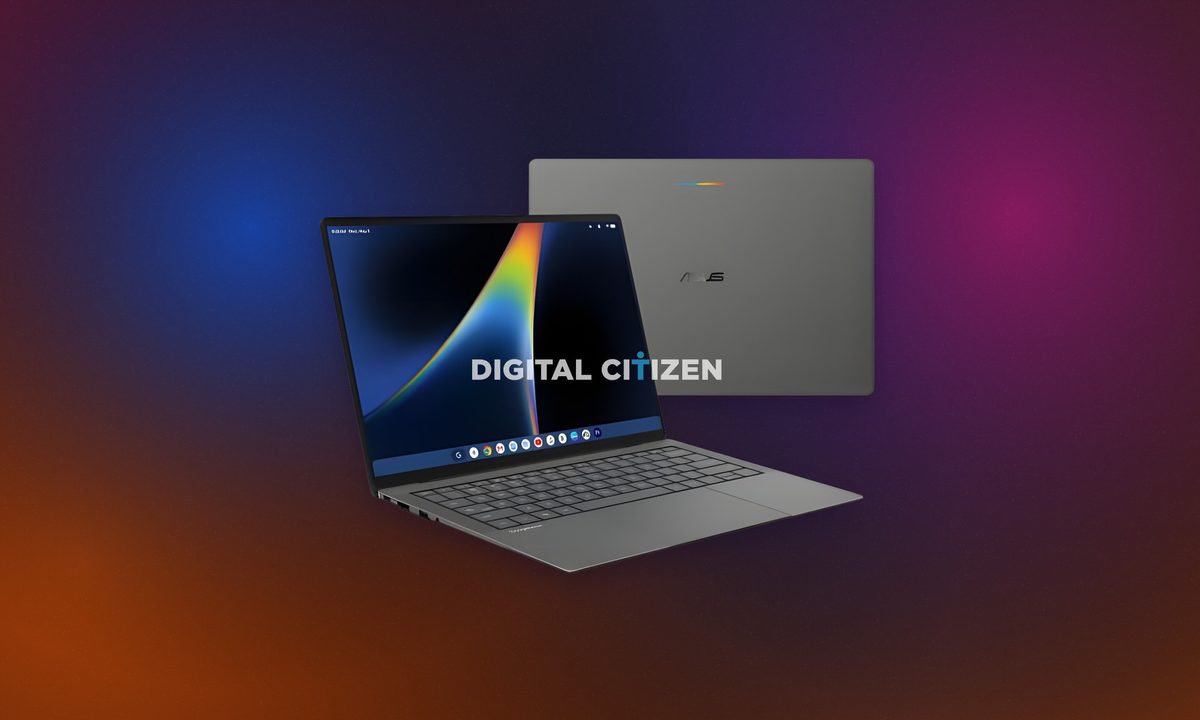
A leaked ASUS Googlebook CX9406 listing suggests even a Core Ultra 5 model with 16GB of RAM could come with a premium price.
 KickT
KickT
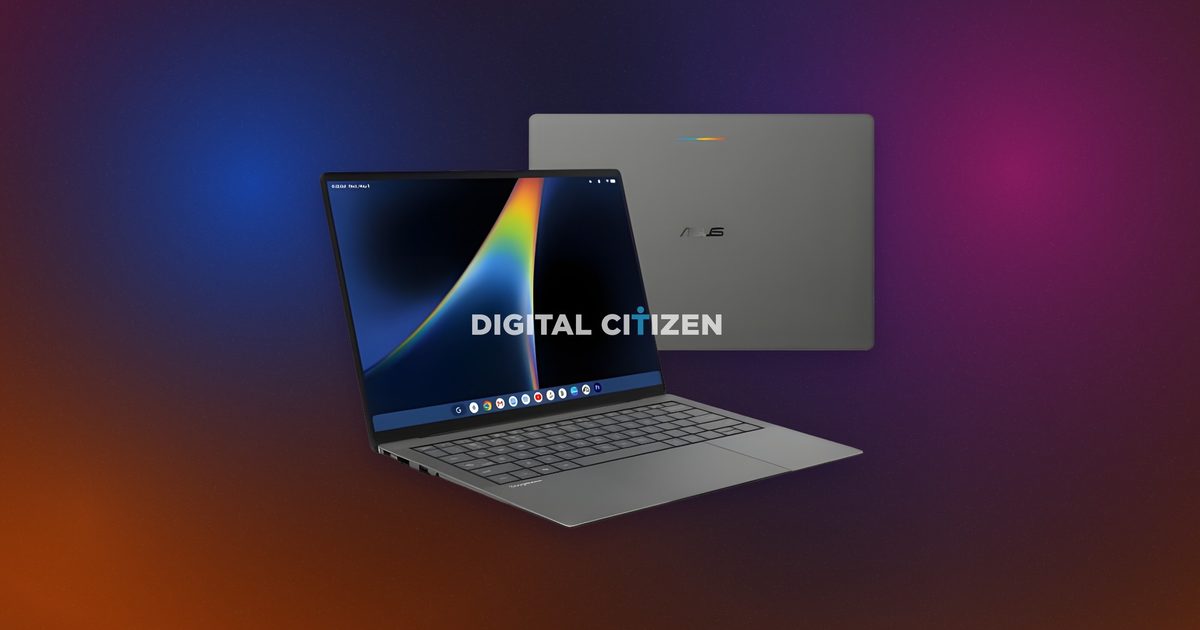
Even stepping down to Core Ultra 5 may not buy you a cheap Googlebook
 Digital Citizen
We have spent the past few weeks seeing Googlebook laptops with increasingly premium hardware, but pricing has remained one of the biggest unanswered questions. A new ASUS leak may finally give us a better idea of where at least some of these machines could land, and even the less powerful models may not be particularly cheap.
A now-removed Canadian retail listing spotted by GbookHub showed an ASUS Googlebook CX9406 with an Intel Core Ultra 5 325 processor, 16GB of RAM, and a 512GB SSD. The laptop was listed for roughly CA$1,900, which works out to around $1,380.
 PC-Canada
ASUS has not officially announced the CX9406 or confirmed its pricing, and Canadian pricing will not necessarily reflect the eventual U.S. MSRP. Still, this is one of our clearest indications yet of how expensive Intel-powered Googlebooks could become.
This is nowhere near the best ASUS configuration
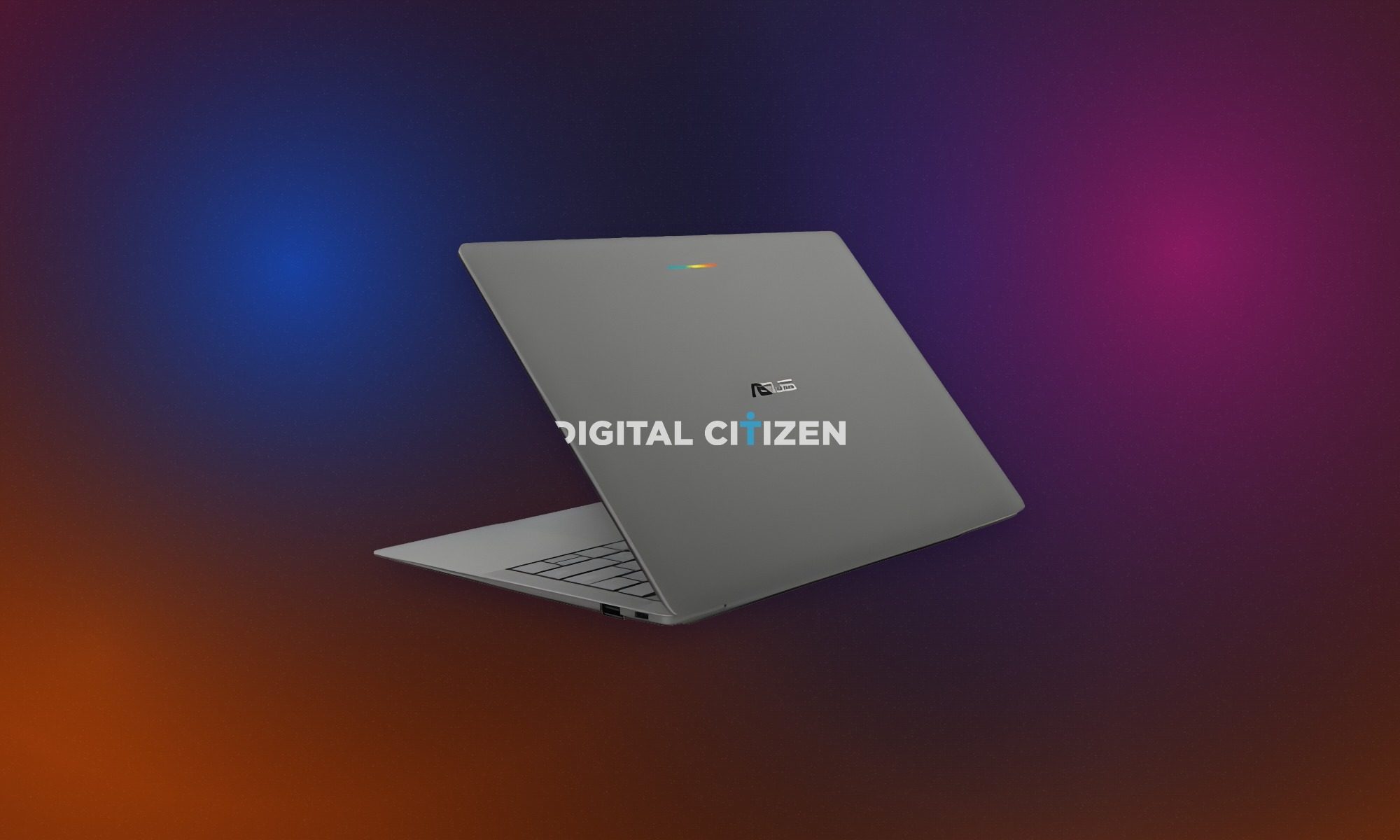
The interesting part is that this is not one of the higher-end Googlebooks we have seen leak. The Core Ultra 5 325 is an eight-core Panther Lake chip with four performance cores and four low-power efficiency cores. GbookHub has also spotted earlier benchmark and certification listings for more powerful CX9406 configurations with 32GB and 64GB of RAM, including a top-end model pairing the Core Ultra 7 355 with 64GB of memory.
 Digital Citizen
In other words, the roughly CA$1,900 listing is attached to a 16GB model sitting much lower in the expected CX9406 lineup. If the retail price is anywhere close to accurate, the higher-end configurations could become considerably more expensive, especially while memory prices remain elevated.
Cheaper Googlebooks may have to come from elsewhere
We previously reported that Googlebook designs using Qualcomm’s older Snapdragon X Plus X1P-42-100 processor are also in development. Those machines already looked like a possible route toward more affordable Googlebooks, and this ASUS listing makes that possibility even more important.
 Digital Citizen
Intel-powered models from ASUS and Acer are increasingly looking like premium laptops rather than Chromebook replacements built around affordability. Snapdragon models could give manufacturers room to bring Googlebook further down the price ladder without abandoning the platform’s focus on capable hardware.
Google is holding an embargoed media event in New York on September 15, where Googlebook hardware from its partners is expected to be available for hands-on testing.

I’ve got about 4 years of experience, mostly covering gaming, PC hardware, and smartphones. In my free time, I like…
I found a solution to the features Apple Notes has been missing for years
A free extension just gave Apple Notes the glow up it's needed for years.

Apple Notes is one of my go-to note-taking apps. It's free, it comes preinstalled on every Apple device I own, and it already packs a solid set of features like shared notes, notes locking, the ability to attach different file types, and notes linking, among many others. For most people, that's plenty to get by.
That said, there are a handful of features I keep hoping Apple will add to Notes someday. So, I keep checking the new features with every single iOS and macOS update, and I keep coming up empty. Until Apple decides to catch up, I found a free extension called ProNotes that adds most of these missing pieces right into the app. Let me walk you through what it brings to the table.
Silicon Valley wants AI everywhere. It just doesn’t want us to notice
Tech companies are fighting AI slop without slowing down AI itself. The harder problem is what happens when infinite content meets finite attention.

For all the noise tech companies are making about AI slop, I haven’t seen much evidence that they actually want less AI.
Spotify has purged tens of millions of spammy uploads. LinkedIn lets users flag posts that seem like AI slop, while YouTube has wiped out networks of low-quality channels. Pinterest and TikTok are giving people more control over how much synthetic content reaches them.
AMD’s next-gen Medusa APUs are getting ready for launch, and Linux just spilled the beans
New RDNA 4m firmware has landed in the Linux ecosystem ahead of AMD's Ryzen AI 500-series rollout

AMD's next-generation Ryzen AI 500 “Medusa Point” APUs are getting another step closer to reality, and this time Linux is doing the leaking. As first noted by Phoronix, AMD has published the firmware needed for its upcoming RDNA 4m integrated graphics, giving us another indication that the Zen 6-based mobile chips are nearing their debut.
RDNA 4m is a rather interesting hybrid









/cdn.vox-cdn.com/uploads/chorus_asset/file/25834525/VRG_VST_0117_Site.jpg)












.jpg&h=630&w=1200&q=100&v=1a56ad72fe&c=1)