Brand optimization: What it is and why your AI visibility depends on it
Consistency is key to achieving any goal. Want to learn to play the piano? Practice consistently. Trying to get in shape for a sibling's wedding? Exercise and eat healthily consistently. Want your brand to be seen and positioned as...
 FrankLin
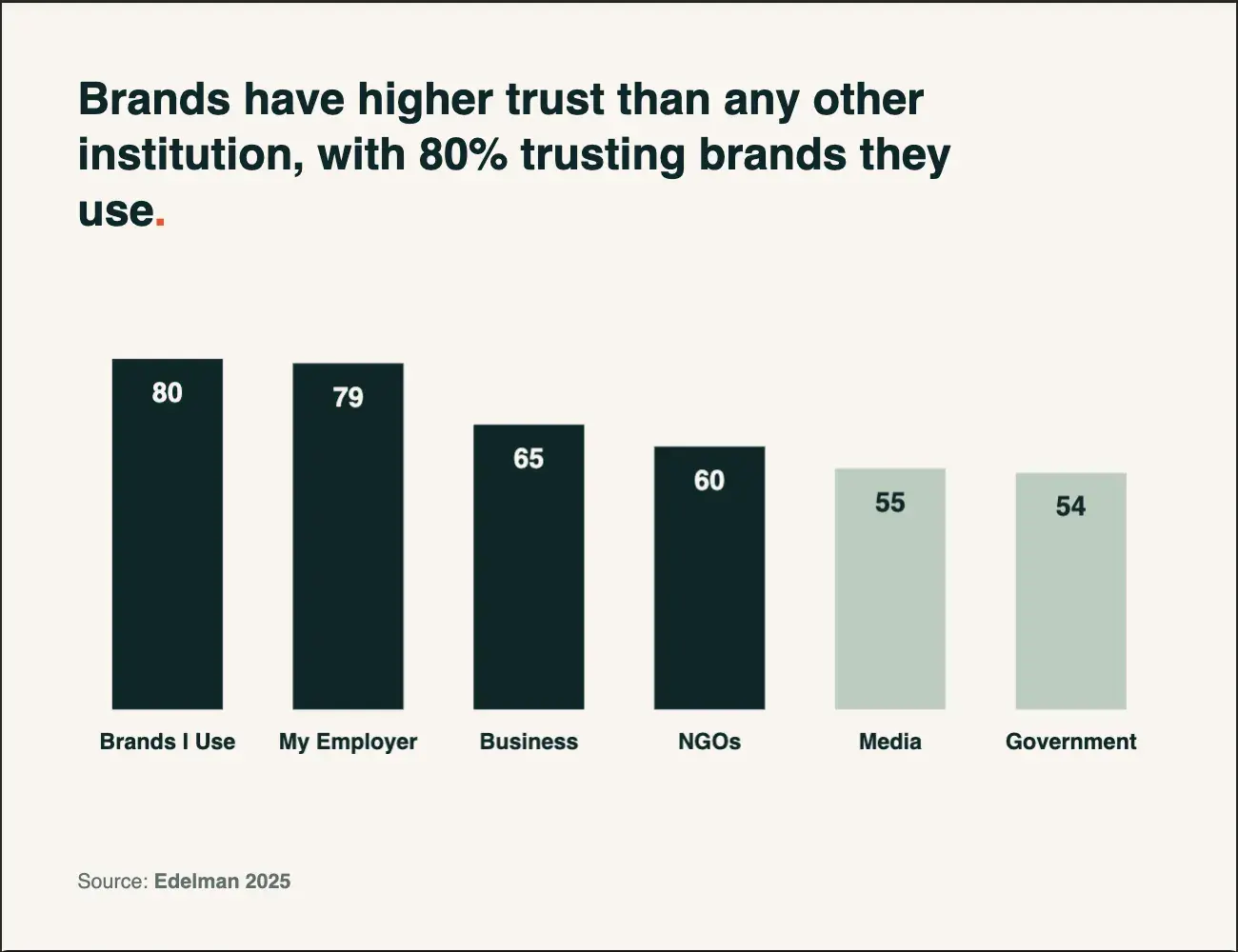
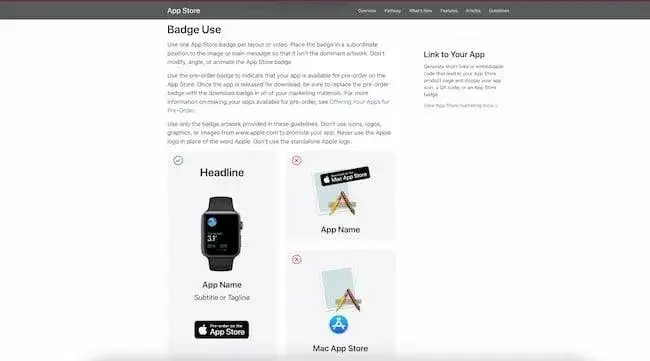
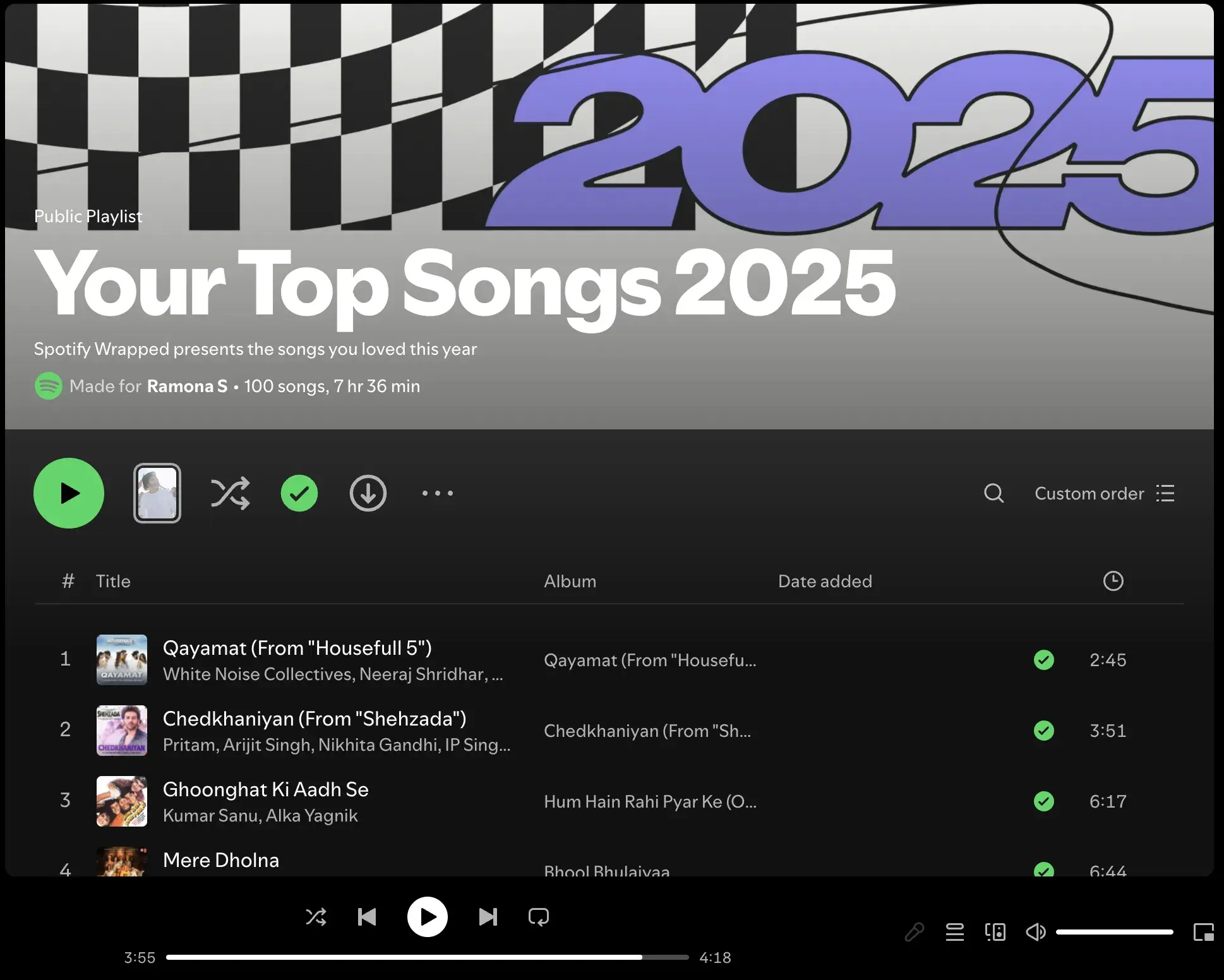
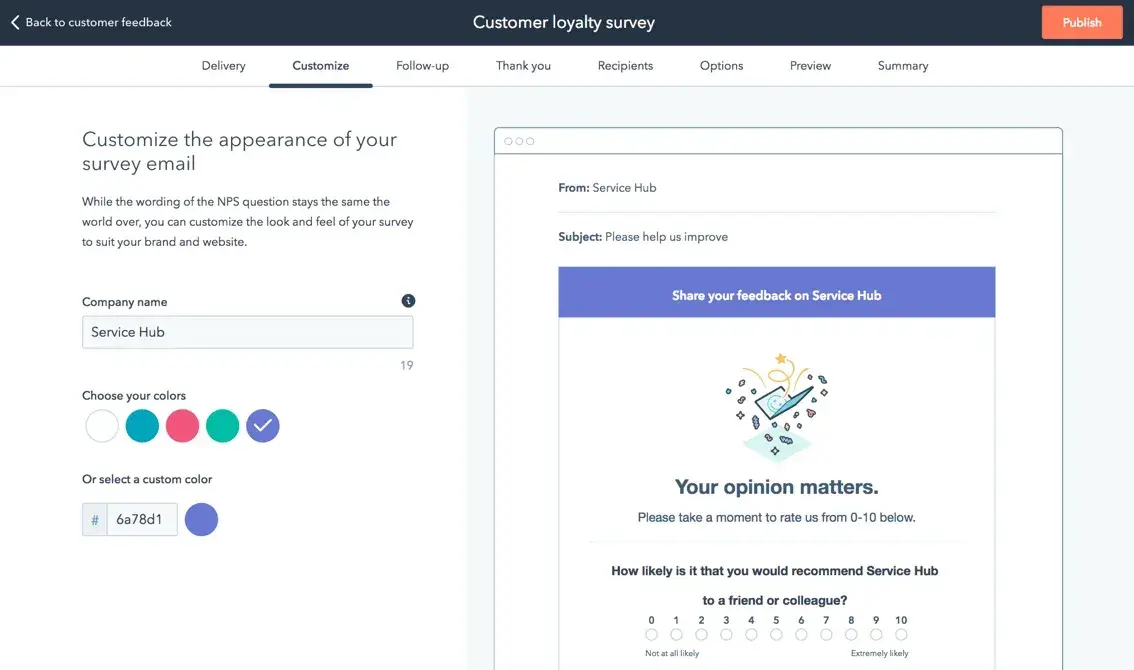
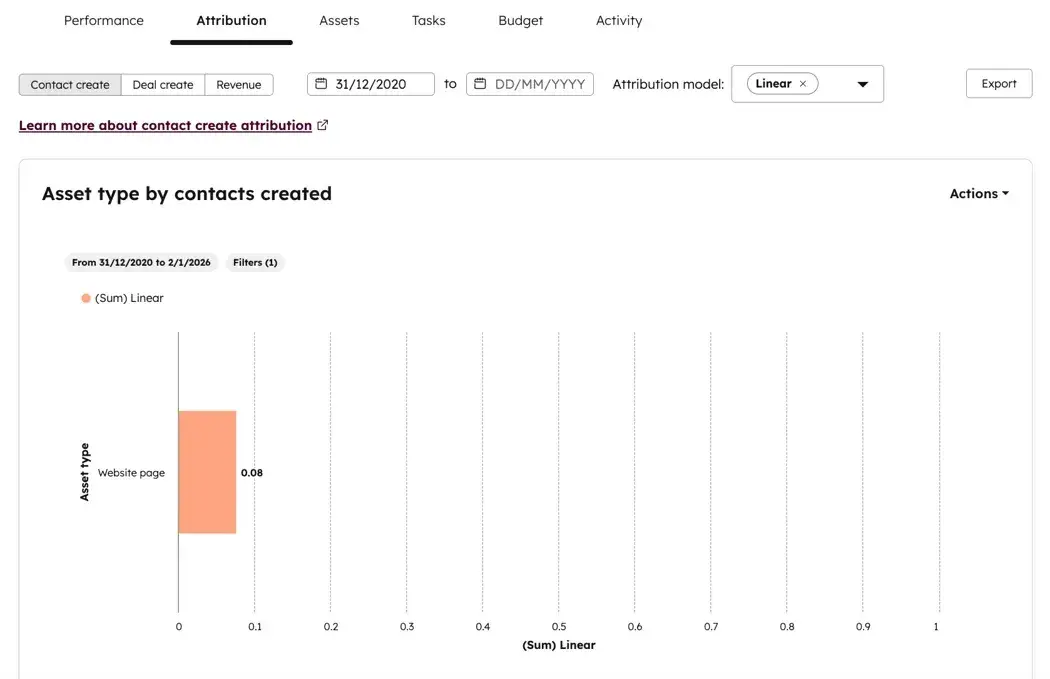
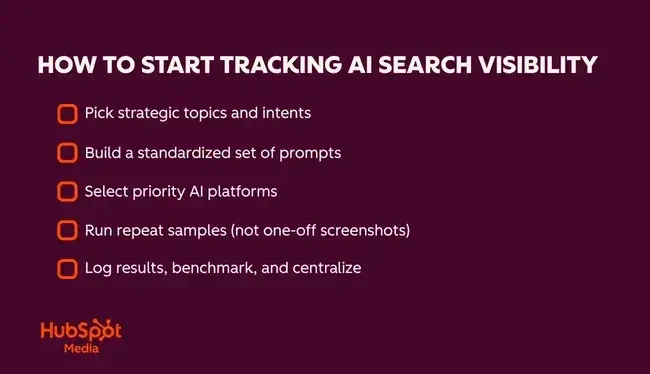
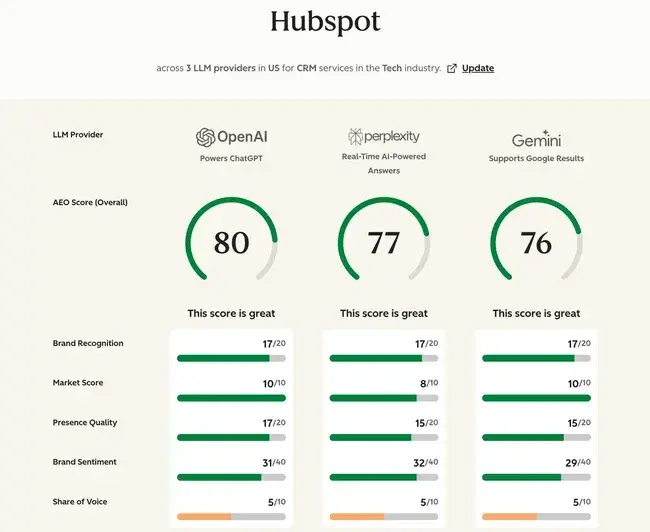
Consistency is key to achieving any goal. Want to learn to play the piano? Practice consistently. Trying to get in shape for a sibling's wedding? Exercise and eat healthily consistently. Want your brand to be seen and positioned as the premier choice in its industry by both your target audience and AI? Enter brand optimization. While the phrase may sound new and exciting, brand optimization has been around for years. It’s all about brand consistency, a topic I first wrote about in my second-ever blog article back in 2013. However, though the idea is age-old, the strategies and tactics we use to optimize a brand have evolved. In this article, we’ll dive into what brand optimization is, how you know when you need it, how it differs from a rebrand, and more. Table of Contents Brand optimization is an ongoing practice to improve positioning, messaging, and customer experience across channels and teams. It differs from rebranding by focusing on small, iterative improvements instead of a full identity reset. Brand optimization is usually triggered by events that hurt brand perception, competition, and overall performance with your target audience. Brand optimization focuses include, but are not limited to, visual consistency, message clarity, customer experience alignment, team and channel alignment, and AI visibility. HubSpot and Breeze AI offer a host of tools to help you with brand optimization, including its free AEO Search grader, Brand Voice tools, and content/document templates. Brand optimization is the ongoing, data-driven practice of refining how your brand is perceived, experienced, and communicated across every channel and team to improve sales and marketing, all without overhauling your core identity. Unlike a rebrand, which typically transforms a brand's identity, logo, voice, name, or core positioning, brand optimization works within your existing brand framework to find and fix the gaps between your brand's potential and its actual performance. Think of it this way: Rebranding is cosmetic surgery, and brand optimization is a fitness routine. Rebranding is a one-off reconstruction, but optimization restores function and builds long-term strength through consistent, intentional work. Brand optimization focuses on a few key areas: It's a continuous improvement cycle driven by data from brand health surveys, conversion analytics, customer feedback, competitive analysis, and increasingly, AI citation monitoring. To anyone outside of the marketing industry, brand optimization and digital marketing optimization may sound like the same thing. They may use the words interchangeably, but the strategies are actually dramatically different, and mixing them up can lead to misaligned priorities and murky measurement. Simply put: Brand optimization focuses on how your brand is perceived and experienced across all touchpoints, while digital marketing optimization focuses on how your channels and campaigns perform. You need both, but they need different strategies, owners, metrics, and cadences. The simplest way to think about it: brand optimization asks, “Are we saying the right things?” Digital marketing optimization asks, "Are we saying them in the right places, at the right times, to the right people?” But what about marketing campaign optimization? Once again, these three concepts are closely related, but are used at different scales and serve different purposes. The easiest way to explain it is that brand optimization guides digital marketing optimization and marketing campaign optimization. Brand optimization defines the what — the message, the promise, and the proof points. Digital marketing optimization then defines where those elements are communicated, and campaign optimization tests and refines how to express them most effectively across those specific channels and audiences. Without a solid brand foundation, you're optimizing tactics on top of a shaky base. Ok, so brand optimization, digital marketing, and marketing campaign optimization aren’t the same thing. But how do you know when you need one over the other? Brand optimization is most valuable when triggered by a specific condition. Before investing time and resources, check whether any of these apply to your organization. Common triggers that signal it's time to optimize your brand include: Bottom line: If three or more of these apply to your organization, you‘re likely leaving revenue on the table. Brand inconsistency isn’t just a marketing problem; it lengthens sales cycles, increases churn, and makes pipeline harder to build. A strong brand optimization initiative follows a clear workflow: Here's how to do it. A brand audit is the foundation of any optimization effort. You can’t set a goal or destination unless you know where you currently stand, and many organizations are surprised by how inconsistent their brand has been when they actively look. Your audit should cover: Pro Tip: Tools like HubSpot Marketing Hub can help you centralize brand assets and audit email and landing page consistency at scale — especially useful for larger teams managing multiple campaigns simultaneously. The audit will surface gaps. Step 2 is about fixing the underlying messaging foundation before you push new content out the door. Your messaging should include: This step is also where you should audit your brand's alignment with customer trust signals. According to the 2025 Edelman Trust Barometer Special Report on Brand Trust, 80% of consumers trust brands they use more than most institutions these days (i.e., business, media, or government), and trust has become just as important a purchase driver as quality or price (88% naming each a major consideration). Take note of trust signals you want to be consistent in your messaging, such as customer reviews and ratings, security badges, certifications, or industry awards. Overall, messaging should reflect what your brand actually delivers, not just what sounds appealing. Pro Tip: Our AI Brand Voice feature can help keep your voice and tone consistent across all your assets and touchpoints by analyzing and documenting your unique style. It will use this information to generate content for you with Breeze Assistant, or you can upload it to other tools like ChatGPT, Grammarly, or Claude. Visual brand guidelines can be rightfully detailed. For the case of marketing, make sure you have at least clear directives on: Apple does a great job of showing how it wants its branded badges to be used in its media kit. Research from Capital One Shopping found that approximately 95% of companies have brand guidelines, but only about 30% say they are widely used and recognized throughout their organization. That means the problem isn’t documentation, it's adoption. Once you've defined your messaging and brand narrative, you’ve got to make sure your team is using them. Inconsistent messaging across teams is one of the most common and costly brand issues teams can face. Marketing says one thing and a sales rep says another; buyers notice. It erodes confidence, extends sales cycles, and can even cause churn if buyers feel like they were misled during the sales process. I mean, consider how you’d feel if a sales rep drastically overshot the mileage on a car he was trying to sell you. That happened to me once, and it still grinds my gears to think about it. These inconsistencies are often unintentional, but still harmful. To avoid them, make sure to align your teams on your brand narrative by: Pro Tip: HubSpot's Sales Hub enables marketing and sales teams to share approved content, sequences, and messaging templates, making it easier to maintain brand consistency at the moment of actual customer interaction. With the team trained, it’s time to execute and ensure your brand is applied consistently wherever a buyer encounters it. Map your customer journey from first awareness through post-purchase, and audit the brand experience at each touchpoint. This can include, but is not limited to: Pro Tip: Pay special attention to the transitions between marketing, sales, and service. These handoffs are where brand consistency tends to break down and where buyer trust is most easily lost. Ok, this step is new territory for most brand teams, but it's quickly becoming essential. Edelman found that 91% of consumers who use generative AI and LLMs (ChatGPT, Perplexity, Gemini, Claude, and others) use it for shopping, including researching brands, comparing products, and summarizing reviews. That's not niche behavior. That’s a mainstream buyer journey. That said, how your brand appears (or doesn't appear) in AI responses is as critical as it can impact your brand awareness, credibility, and even sales. It also relies heavily on brand consistency, not just on your website, but across the internet. To optimize your brand for AI visibility or AI search: Research shows brand search volume is the strongest predictor of LLM citations, with a 0.334 correlation coefficient outperforming traditional backlink metrics. Learn more about each of these tactics and brand consistency in our articles: Pro Tip: HubSpot's free AI Search Grader and AEO Grader tools allow you to audit and track your brand's visibility and representation in AI-powered search — a critical measurement gap for most marketing teams in 2026. Optimizing for AEO isn‘t just about appearing in LLM responses — it’s about controlling how you‘re represented by them. AI systems can perpetuate outdated, inaccurate, or competitor-favoring narratives about your brand if you’re not actively managing the signal landscape. So, stay vigilant. 77% of go-to-market leaders admit they lack a clear AI engine discovery strategy. That's a significant competitive gap — and an opportunity for teams willing to move first. To manage your AI brand reputation, follow these practical steps: Personalization and brand consistency can seem like opposing goals, but it’s really not. Let me explain. Brand personalization at scale means delivering content and experiences that feel tailored to the individual while staying unmistakably on-brand. In other words, it’s creating value and experiences unique to each individual that only your brand can. Turning to Spotify again, Wrapped is a perfect example of personalization and brand optimization coming together. But there are also simple and thoughtful ways smaller brands can execute this as well. For instance: Brand optimization is not a project with an end date; it’s a regular improvement practice. Step 8 is about building the measurement and review cadence that keeps your brand sharp over time. This timeline is subject to the conditions or trigger events we talked about earlier, but all those held constant, review your brand performance at least quarterly. Review should include: Use findings from each cycle to prioritize the next set of optimization efforts. See the next section for the specific metrics and tools to track. Vanity metrics like impressions, follower counts, and page views can be exciting to look at, but for most businesses, they don’t really offer any insight into whether brand optimization is working. Here are some metrics that do and how you can track them. To get an overall pulse on how your brand is viewed by your audience, track: Record which brands are mentioned spontaneously and in what order (first mention, called “top of mind awareness,” is the most valuable). You can run these through tools like Qualtrics, SurveyMonkey, or TypeForm, or conduct your own focus groups. HubSpot Service Hub has a native NPS survey functionality — you can send surveys via email (seen below) or embed them on web pages, and responses are tracked in an Analyze tab per survey. You can't add a calculated NPS score to a custom dashboard in HubSpot. But with an integration like Delighted or Retently, you can sync scores back to HubSpot contact records for better reporting. All of these metrics are only valuable if you track them regularly and pay close attention to how they rise or fall. Benchmark them quarterly to track their trajectory. A rising NPS, along with a rising close rate and unaided brand awareness, is a strong signal that brand optimization is working. Free Download: 5 Free Customer Satisfaction Survey Templates Audit your key brand touchpoints (like website homepage, sales deck, top emails, and paid ad copy) quarterly and score them against your messaging architecture. How many use the agreed-upon value proposition? How many go off-script? This internal metric becomes a leading indicator of brand health over time. Organizations that consistently maintain strong brand presentation report 10–20% revenue growth attributable to brand consistency initiatives, with some studies placing the figure as high as 33%. But how do you measure this? Look specifically at direct traffic (a proxy for brand demand), branded search volume in Google Search Console, and deals sourced from brand-building activities like thought leadership, events, and PR. HubSpot's Marketing Hub and Content Hub can also measure and track attribution across the full customer lifecycle using a variety of models and interactions. Learn how to set up and use attribution in HubSpot in our free online course, “Attribution Reporting in HubSpot.” You’ve likely heard a lot about brand visibility and share of voice in the rise of AEO and GEO. They evaluate how often your brand appears in LLM responses for your category's key queries, but why do these even matter? Semrush data shows that users from LLM referrals convert at 4.4x the rate of traditional organic search visitors. So, you want to be visible in AI systems. To monitor how you’re doing, track how often your brand appears in AI-generated responses for the queries your buyers are most likely to ask. There are two main approaches: Pro Tip: Not sure what questions your customers are asking? Chat with your sales and customer service reps to learn which concerns or questions they tackle most frequently. You can also check out AnswerThePeople to see what your target audience is asking at large. Be sure to build a simple brand KPI scorecard to track these metrics quarterly. Include benchmarks from your previous quarter and note any brand optimization activities that may have driven movement. Over 12 months, this becomes one of the most valuable strategic assets your marketing team owns. Brand optimization differs from rebranding by focusing on iterative improvements instead of a full identity reset. So, it’s best to optimize your brand when your core identity — your name, your fundamental positioning, your visual system — is still sound, but execution is inconsistent, or your messaging hasn't kept pace with business changes. Rebrand when your identity itself is the problem. Maybe your name creates confusion, your visual identity is irrecoverably dated, you're entering an entirely new market, or a significant reputation crisis requires a clean break. Most organizations that believe they need a rebrand actually just need brand optimization. Rebranding is expensive, disruptive, and takes 12–18 months to show results. Optimization is faster, more targeted, and often delivers stronger short-term impact. The brand optimization timeline depends on what you‘re optimizing and what you’re measuring. Don't send them a document. Alignment and adoption require engagement. The most effective approaches combine live workshops (where teams can ask questions, surface their own language, and see why the new narrative matters to them) with practical tools: modular message blocks, battlecard updates, updated talk tracks, and reinforcement from leadership. If the VP of Sales isn't using the new narrative in pipeline reviews, neither will the reps. HubSpot's Sales Hub makes it easier to distribute and track adoption of brand-aligned content and sequences, so marketing can see whether the new narrative is actually being used — not just downloaded. Absolutely. Brand optimization is a mindset and a process more than a budget line. A small team can execute a meaningful brand optimization initiative by: Agencies can accelerate the process, but they're not a prerequisite. The most important input is honest, structured self-assessment — and the discipline to act on what you find. The key to maintaining consistency while personalizing at scale is having a well-defined brand voice and messaging architecture before you start. That way, whether it's AI or a team member doing the work, they have something to evaluate their language based on. Practically, this means establishing brand guidelines and building brand-trained content templates, using AI tools like HubSpot's Breeze. These resources give both AI and humans clear guardrails for what they can and cannot do. Adding a careful review of personalized content against brand standards should also be a part of your QA process as a safety net. Brand optimization is one of the highest-leverage activities available to a marketing leader, but also one of the most underrated. Unlike its flashy cousin, the rebrand, optimization doesn’t require a new name, a new logo, or a six-month agency engagement. It requires honesty about where your brand is falling short, a structured process for closing those gaps, and the discipline to measure what matters. In 2026, that work includes making sure your brand is shown correctly and visible to the AI tools buyers use every day. The teams that treat AI brand visibility as a core brand management responsibility will have a meaningful and compounding competitive advantage. Start with the audit. Build the messaging foundation. Align your teams. And then track it — because a brand that isn‘t measured can’t be optimized. For a head start, download HubSpot's free Brand Style Guide template to document and distribute your brand standards across every team.![How to Create a Style Guide [+ Free Templates]](https://no-cache.hubspot.com/cta/default/53/76520ae5-1a3b-4055-9e8e-95e150b90965.png)
TLDR Executive Summary
What is brand optimization?
Brand optimization vs. digital marketing optimization
Brand optimization vs. digital marketing optimization vs. marketing campaign optimization
Do you need brand optimization?
How to Optimize Your Brand: Brand Optimization Checklist and Strategy
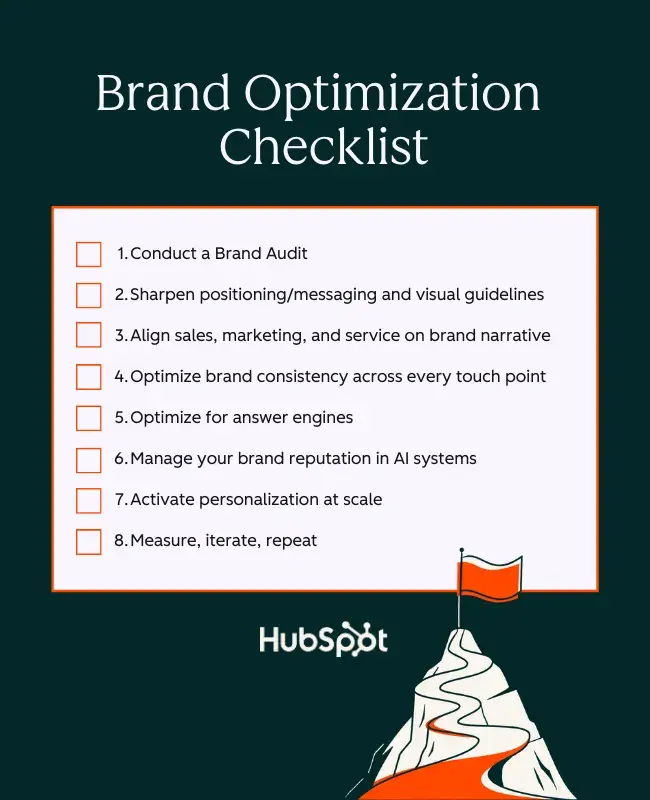
Step 1: Conduct a brand audit
Step 2: Sharpen your positioning/messaging and visual guidelines.
Positioning and Messaging
Visual Guidelines
Step 3: Align sales, marketing, and service on brand narrative
Step 4: Optimize brand consistency across every touchpoint
Step 5: Optimize for answer engine optimization (AEO)
Step 6: Manage your brand's reputation in AI ecosystems
Step 7: Activate brand personalization at scale
Step 8: Measure, iterate, and repeat
How to Measure Success from Brand Optimization
1. Brand health and perception metrics
2. Messaging consistency score
3. Revenue and pipeline attribution
4. AI brand visibility and share of voice
Frequently asked questions about brand optimization
When should you optimize a brand vs. rebrand?
How long does brand optimization take to show results?
What's the best way to align sales and service with a new brand narrative?
Can small teams optimize their brand without an agency?
How do you keep personalization on-brand at scale?
Stay optimized. Stay relevant.