Brits may face two years of EU border delays due to new entry system
‘We expect that the situation will stabilise in one or two years’, says an executive for U border agency Frontex,
 BigThink
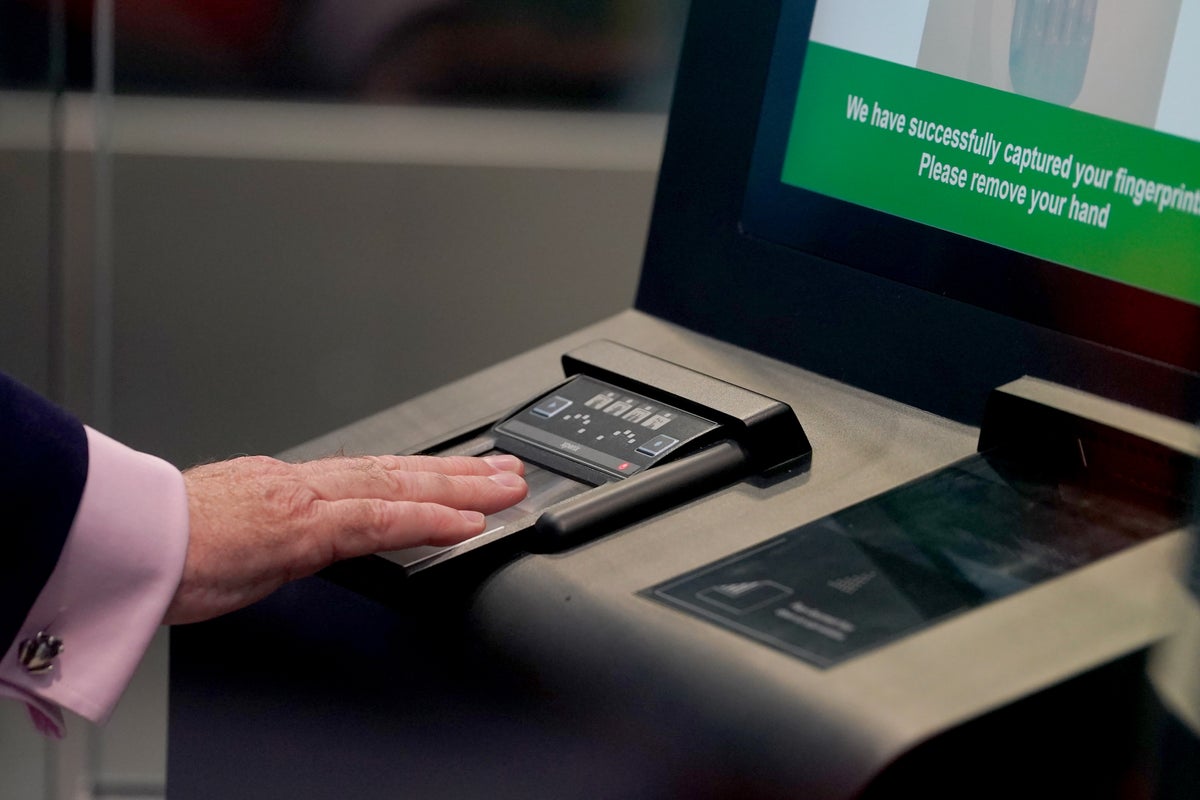
British travellers heading to the European Union could face significant delays for up to two years, an official has warned, as the bloc's new Entry Exit System (EES) continues to cause disruption at borders.
Uku Sarekanno, deputy executive director of EU border agency Frontex, stated that some member states are "struggling" to implement the new digital checks, which require fingerprints and photographs from non-EU citizens entering the Schengen Area.
The EES mandates that individuals from third-party countries, including the UK, have their biometric data registered upon entry to the 29-country Schengen zone. This digital record is then retained for three years, with the initial enrolment process typically occurring at foreign airports for most UK holidaymakers.
Concerns over the system's impact have been mounting, with airline body the International Air Transport Association recently cautioning that border queues could stretch to six hours this summer.
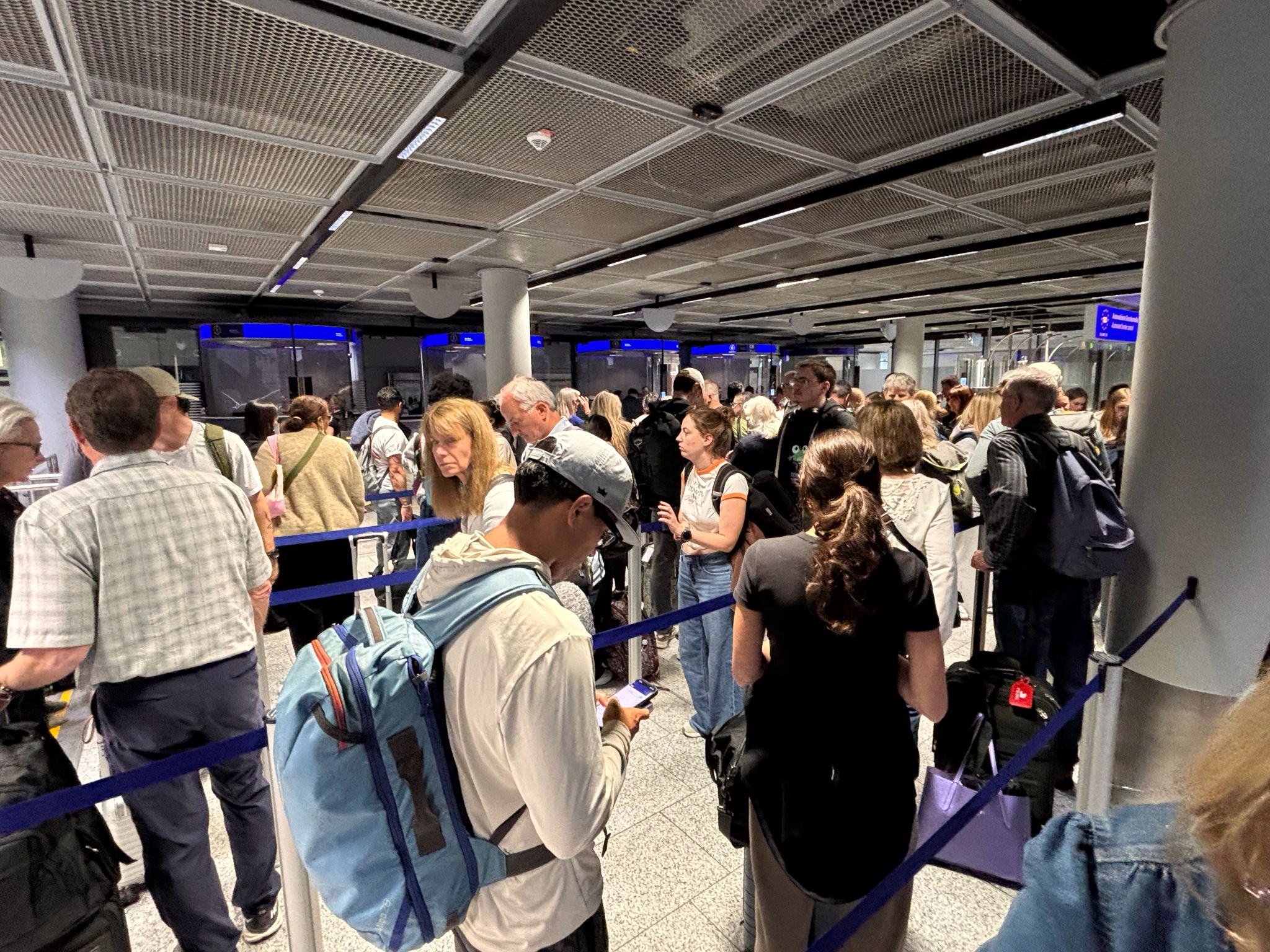
Airports in popular destinations such as Spain, Portugal, France, and Italy are reportedly among the worst affected. In April, more than 100 easyJet passengers missed a flight from Milan Linate to Manchester due to extensive delays at passport desks attributed to the EES rollout.
Speaking at a travel industry summit in Westminster, Mr Sarekanno acknowledged the challenges. "We expect that the situation will stabilise in one or two years," he said, adding: "The most challenging part is the first enrolment, that is the moment where fingerprints and facial images will be taken."
He noted that repeat visitors within the three-year period would benefit from a "more fast track of entry."
With approximately 1,700 border crossing points requiring EES use, Mr Sarekanno highlighted the ongoing adjustments by member states. "There are ones which are managing it rather well, who have dedicated resources," he explained. "There are the others who are still struggling. This adjustment… is taking some time and effort."
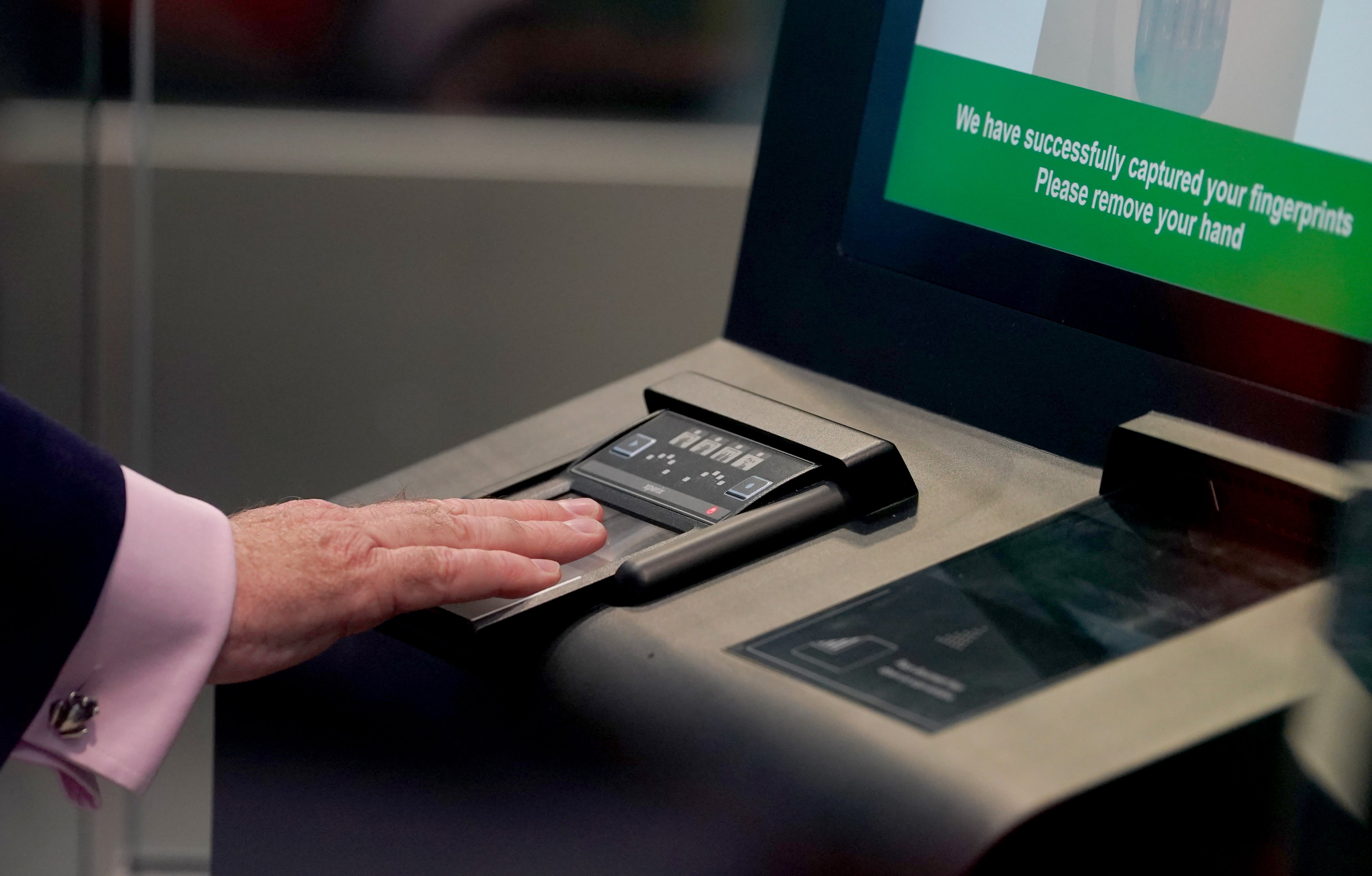
The EES was initially introduced in October last year, with its full rollout significantly ramped up on 10 April. While EU regulations permit temporary halts to checks during peak periods to alleviate queues, this measure is not consistently applied.
A recent survey commissioned by Booking.com underscored public apprehension, revealing that nearly three out of five (59%) UK holidaymakers travelling to Europe this year anticipate delays linked to EES, with almost half fearing they could miss their flights because of the new border checks.