Why September is the month nobody books their villa for (and probably should)
Ask most people when they’d book a villa in the Mediterranean and you’ll get the same answer: August. Sometimes... The post Why September is the month nobody books their villa for (and probably should) appeared first on A Luxury...
 Kass
Kass
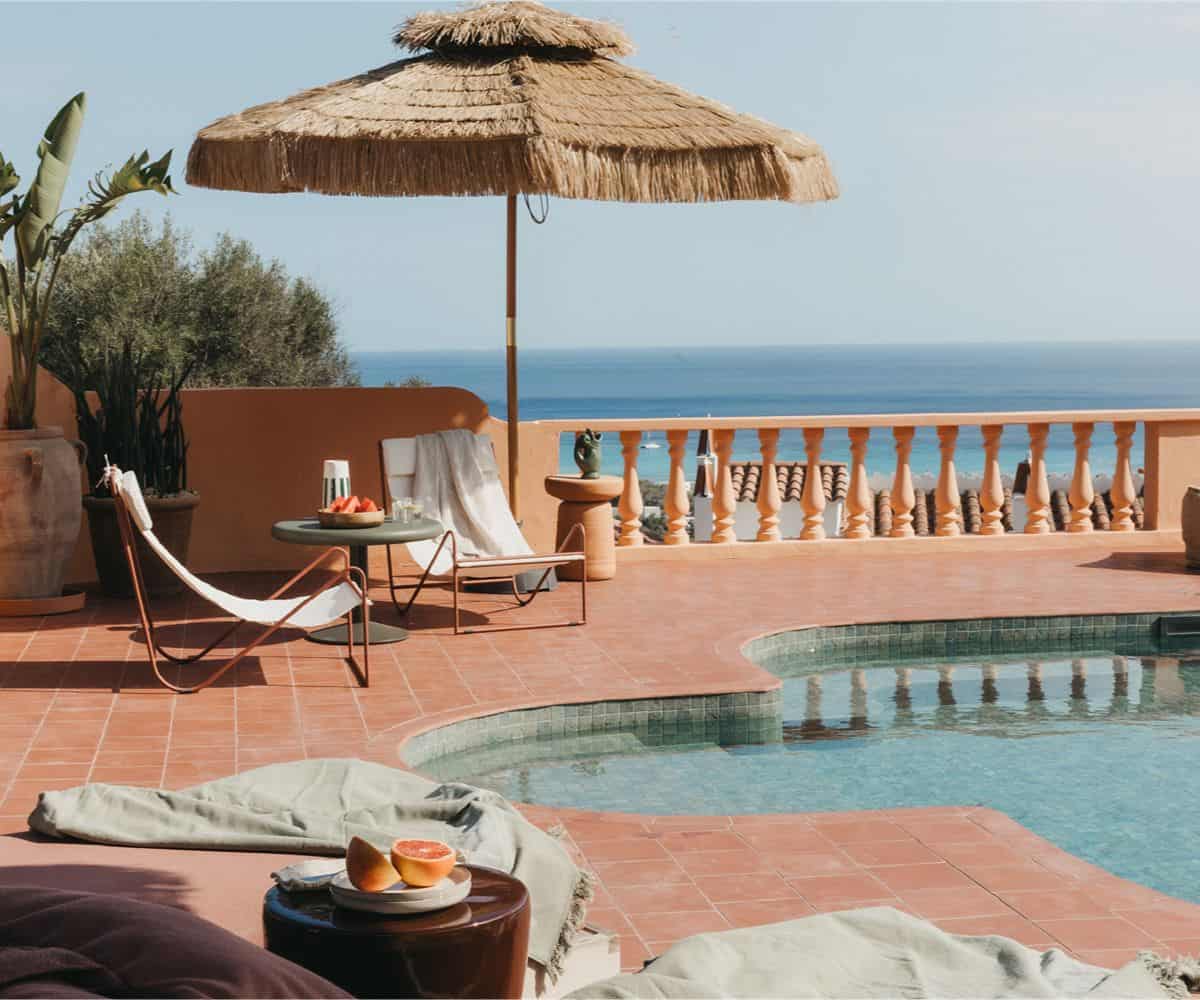
Ask most people when they’d book a villa in the Mediterranean and you’ll get the same answer: August. Sometimes July, if they’re trying to be clever about it. Almost nobody says September, which is odd, because September is when the whole thing actually starts to work properly.
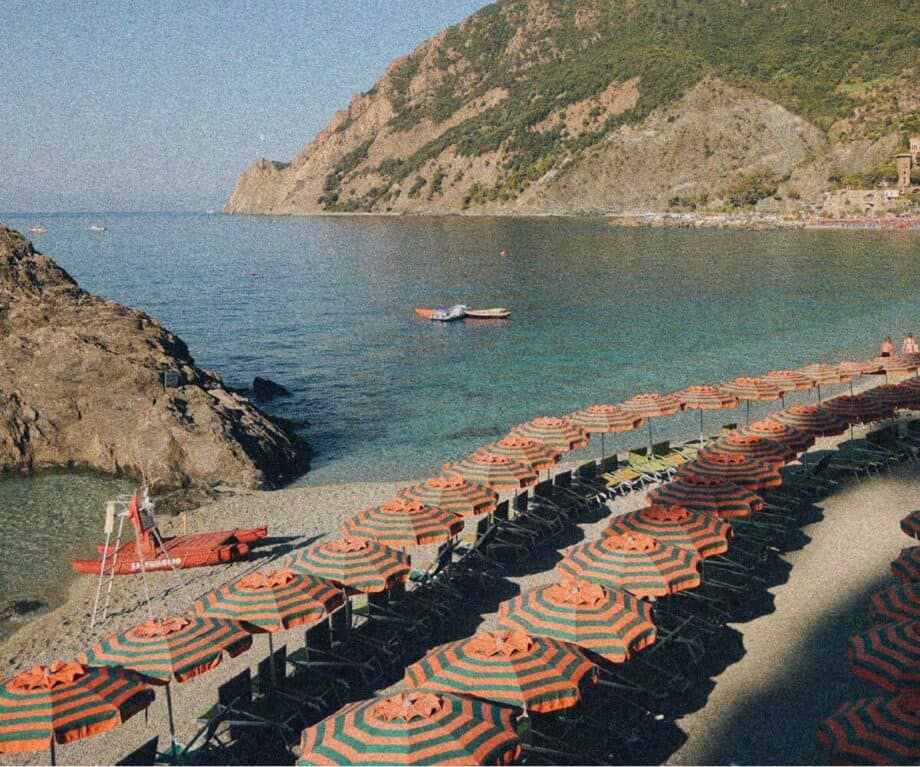
I say this every year to clients who wince slightly, as if I’ve suggested something a bit off. There’s a deep-rooted assumption that summer holidays belong in summer, full stop, and that anything after the school term starts is somehow a lesser version of the same trip. It isn’t. In a lot of cases, it’s the better one. It’s just taken the travel industry a surprisingly long time to say so out loud.
What actually changes once August ends
The temperature drops a few degrees, which sounds unremarkable until you’ve tried to enjoy a long lunch outdoors in 38-degree heat with children who won’t stop complaining about it. By mid-September, most of the Mediterranean settles into something closer to perfect – warm enough to swim comfortably morning and evening, cool enough that walking around a town at 2pm doesn’t feel like an endurance exercise.
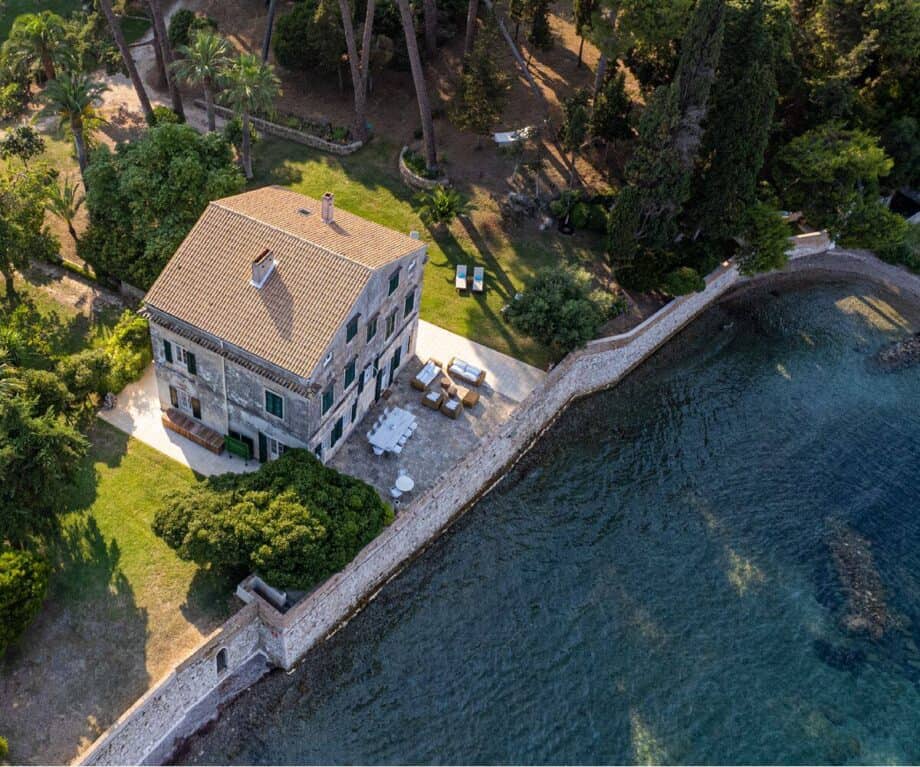
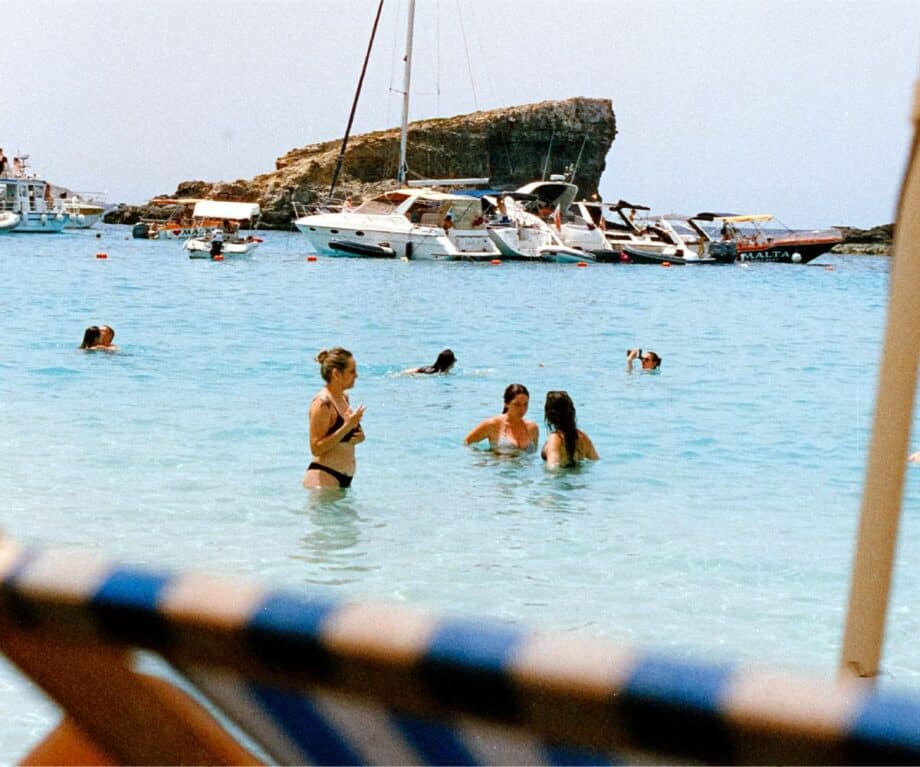
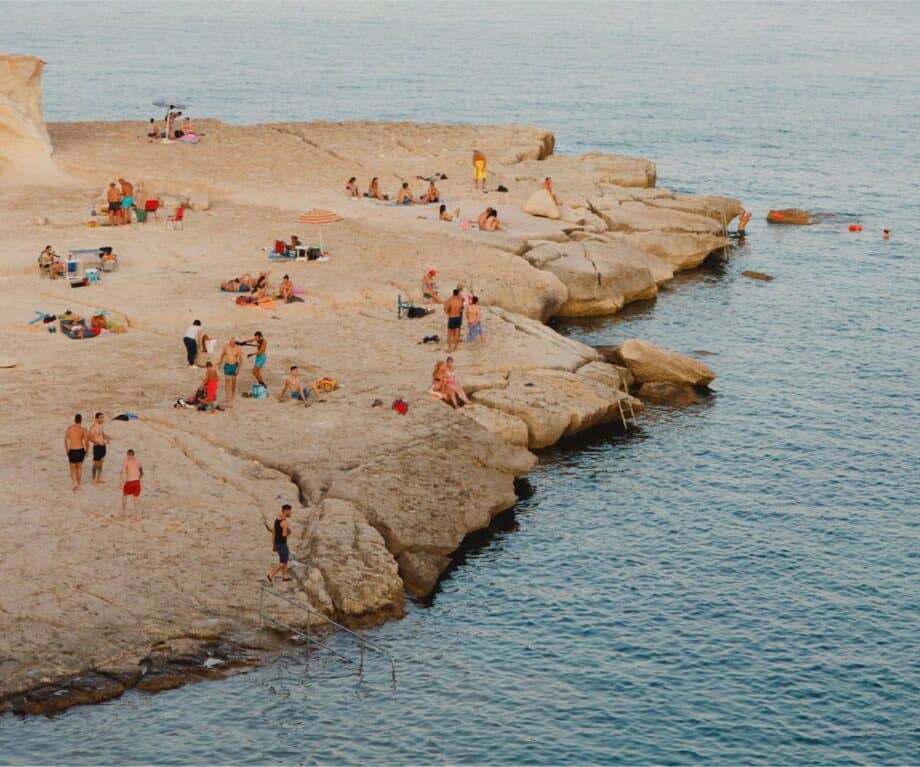
The crowds thin considerably too, and not in a subtle way. Restaurants that needed booking weeks ahead in August will often take you same-day in September. Beaches that were shoulder to shoulder empty out. Roads that crawled through July move properly again. None of this is a minor convenience – it changes the actual texture of the holiday, because a huge amount of what makes August feel stressful isn’t the heat, it’s the sheer density of other people trying to do the same thing you are, at the same time, in the same places.
The properties themselves are simply better value
Here’s the part nobody likes admitting drives half of this: villa rates in September can run twenty to thirty percent below peak summer pricing, sometimes more, for the exact same property. I’ve seen clients book a villa in the Algarve or the Ionian Islands for a week in mid-September that would have cost them close to double three weeks earlier. Same pool, same views, same staff. The only thing that’s changed is the calendar.
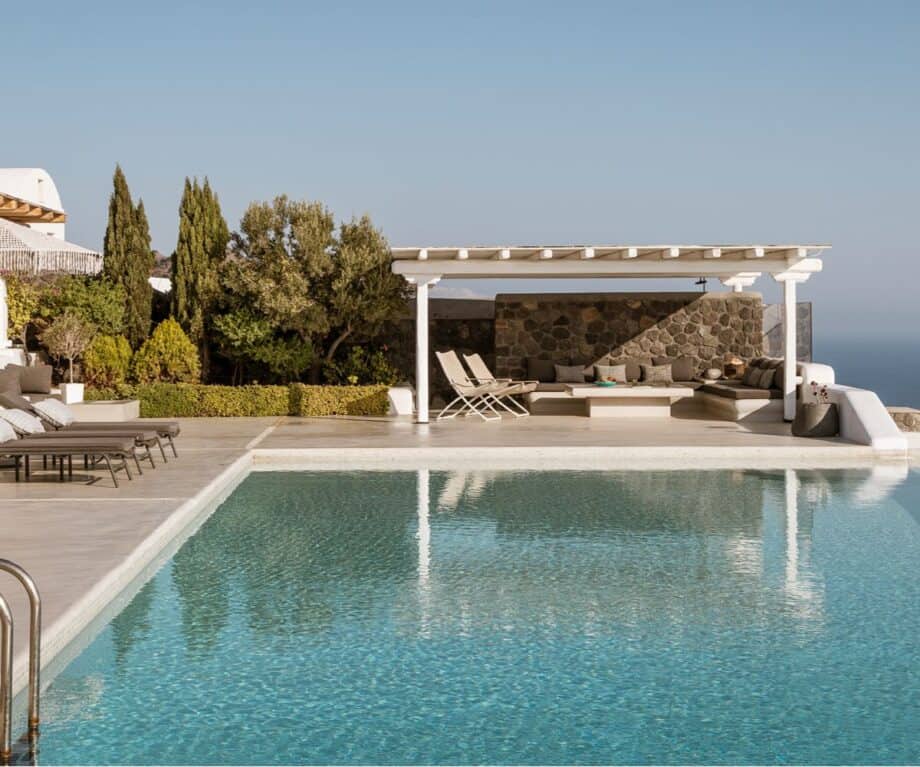
That gap tends to close again around half-term in late October, so there’s a specific window – broadly the first three weeks of September – where you get genuinely reduced pricing without sacrificing much in the way of weather or daylight. Owners and property managers know this too, which is partly why so many of the better villas start offering more flexibility on things like minimum stay length and check-in days once the summer block-booking period ends. It’s a quieter, more accommodating side of the industry that most people never see because they’ve never travelled outside peak season long enough to notice it.
Where it works particularly well
Not every destination transforms equally, and it’s worth being honest about that rather than pretending September suits everywhere the same way. The Greek islands are arguably the clearest case: the sea holds its summer warmth well into autumn, the light turns genuinely beautiful in a way August’s harsh midday glare doesn’t allow for, and islands like Lefkada and Kefalonia go from busy to blissfully calm almost overnight. Puglia does something similar — the heat that makes July fairly punishing in the Salento peninsula eases off just enough to make long dinners outside comfortable again.
Tuscany and Umbria are, if anything, better in September than at any other point in the year, since the harvest season brings its own reason to visit alongside the improved weather – grape picking, olive presses starting up, markets that feel more like the region actually living its normal life rather than performing for a summer crowd. The South of France holds its appeal a little later than most, running well into October in a good year, particularly inland around the Luberon where the light in early autumn is something photographers specifically travel for.
Where it works less well is anywhere that depends on a very short, specific summer window – a handful of Adriatic beach towns essentially shut down their seasonal infrastructure the moment September starts, so it’s worth checking rather than assuming. The same caution applies to smaller islands that rely heavily on seasonal ferry timetables; services can thin out fast once the peak weeks pass, so it’s worth confirming connections before you fall in love with a particular property.
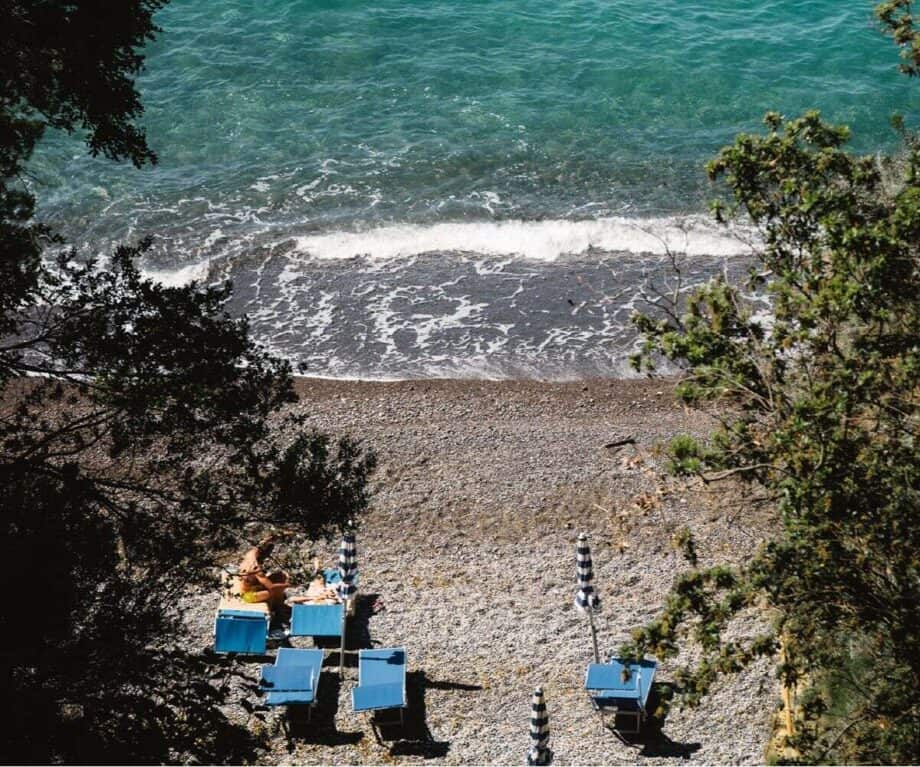
Coastal Croatia sits somewhere in between. Dubrovnik and the busier stretches of the Dalmatian coast stay lively well into September, but venture towards the quieter islands and you’ll find some restaurants and beach clubs winding down earlier than you’d expect. A quick call to whoever manages the villa usually clears this up in minutes, and it’s a call worth making before you commit.
Everything you need to plan your trip in 2026
The bit that surprises families most
This is the argument I make most often to parents, and it’s usually met with some scepticism at first: taking children out of school for a week in September, for a villa holiday, is frequently the better decision for the actual quality of the trip, even setting aside the cost saving. Term-time villa holidays used to be something families did quietly and apologetically. That’s shifted. A lot of parents have realised that a calmer, less crowded, better-value week in late September teaches their children roughly the same things a geography field trip does, while also being an infinitely better use of everyone’s energy than fighting through August’s queues and heat.
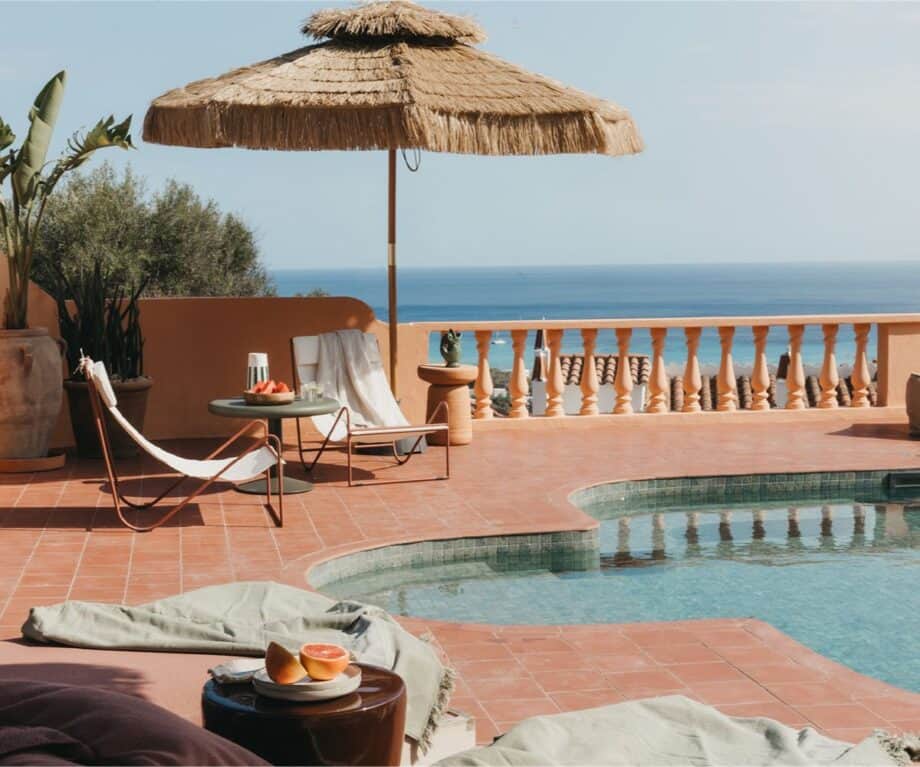
I’m not going to pretend every school is relaxed about this, and it’s worth checking your own school’s policy before committing to anything. But where it’s possible, the trip itself tends to be calmer, warmer in the ways that matter and considerably easier on the wallet.
What to actually do differently when booking
The property search doesn’t change much – you’re still looking for the same things: the right bedroom configuration, the right level of staffing, a location that suits how your group wants to spend its days. What does change is the negotiating position you’re in. Owners are noticeably more open to shorter stays, more flexible check-in days and the occasional added extra – an evening with a private chef thrown in, say – once they’re not fully booked out weeks in advance. It’s worth asking for these things directly rather than assuming the rate card is fixed, because in September it very often isn’t.
Book earlier in the year if you can, not because September fills up the way August does, but because the very best properties – the ones with the pool that actually gets the evening sun, the terrace that catches the sunset properly – still go first regardless of season.
A quieter kind of luxury
There’s something almost counterintuitive about all of this: the month everyone overlooks turns out to be the one where the whole villa experience clicks into place most easily. Fewer crowds, better light, warmer welcomes from owners glad of the custom, and a noticeably gentler version of the same Mediterranean everyone was fighting over six weeks earlier. It isn’t a secret exactly. It’s just never been marketed as well as August has, and every year I’m slightly relieved that it hasn’t.

Jamie Marquis
Jamie Marquis is Director of The Luxury Travel Book. The Luxury Travel Book provides personally selected luxury villas and apartments in cities and towns, designed for guests who want to be at the heart of local culture, fine dining and wine experiences. If you would like to be a guest blogger on A Luxury Travel Blog in order to raise your profile, please contact us.
Did you enjoy this article?
Receive similar content direct to your inbox.