Cruise industry hits back at claims that ships should pay higher taxes
A cruise industry body has hit back at claims that ships should be charged higher taxes
 Tekef
Tekef
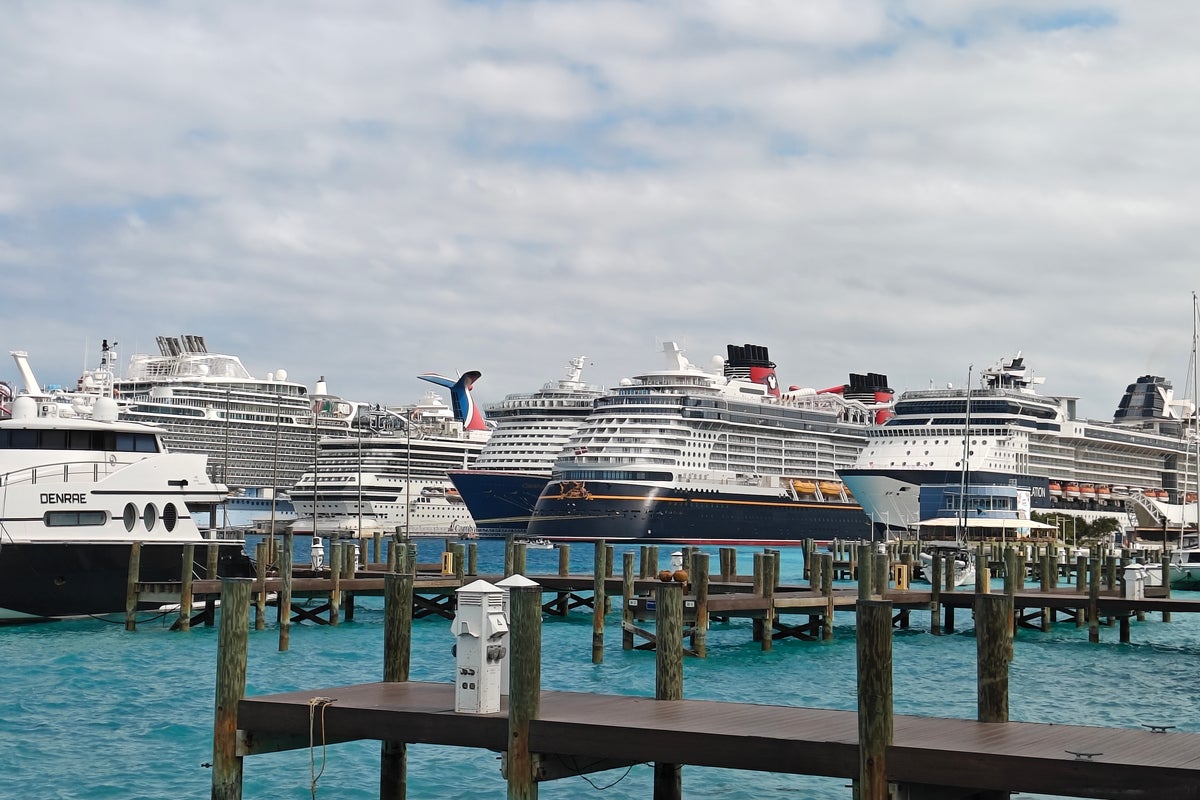
Passengers on cruise ships are paying almost half as much in tourism and other taxes compared with staying in a hotel, research suggests.
A report by clean travel think tank Transport & Environment (T&E) estimates that a night on a European cruise is taxed at 40 per cent less than staying in hotel.
Researchers claim this fails to account for the environmental costs and contribution to overtourism from cruise ships.
The report also highlights that cruise ships benefit from tax exemptions granted to commercial cargo fleets including reliefs on corporate income tax, VAT and marine fuel taxes.
The analysis looked at the taxes for €100 a night hotels in France, Italy and Spain, and compared them to cruises with similar prices. On average, it found that people who stay in hotels will pay 23 per cent of the price in taxes, while cruise passengers will only pay 12 per cent.
The report claims that in the western Mediterranean basin alone, including France, Spain and Italy, air pollution and greenhouse gas emissions from cruise ships cost local communities between €557 million and €930 million in 2025 due to the impact on the climate, public health and coastal ecosystems.
Read more: The little-known taxes that could increase your cruise fare
T&E is calling for a €15 tax per passenger per port call to address these differences, which it said would raise €335m a year in Italy, France, and Spain combined.
These revenues could go back to national budgets, be earmarked for the protection of ecosystems in coastal areas, or used to finance green infrastructure such as onshore power supply, the report said.
Fanny Pointet, shipping manager at T&E, said: “We are treating floating hotels like they are essential maritime infrastructure.
“Cruises are not a mode of transportation but the destination itself, yet we are giving them the same benefits as freight transport. Taxing cruise ships properly would help cities to tackle the pollution and to address concerns of overtourism.”
Industry body the Cruise Lines International Association (CLIA) has hit back at the claims.
A spokesperson said: "Cruise cannot be accurately assessed through a selective tax comparison with hotels that fails to account for the sector’s full regulatory framework, operational complexity, environmental commitments and economic contribution.
"Cruise lines pay substantial port dues, passenger charges and other local fees that support port operations, infrastructure and local services, in addition to meeting wider tax and regulatory obligations as a form of ocean-going transportation.”
CLIA also highlighted other economic benefits provided by cruise ships. The spokesperson added: "Cruise also supports a vast value chain extending far beyond the ships themselves, generating employment and economic activity across shipbuilding, ports, maritime services, local suppliers, tour operators, hospitality businesses, transport providers and destination communities around the world.
"It is an industry that supports more than 69,000 jobs across the UK, while delivering significant economic benefits to the destinations it serves."
Read more: The best cruise deals for 2026