Face scans are replacing passports at US airports. Here’s who can — and can’t — opt out
Facial recognition technology is currently available at 238 US airports
 Konoly
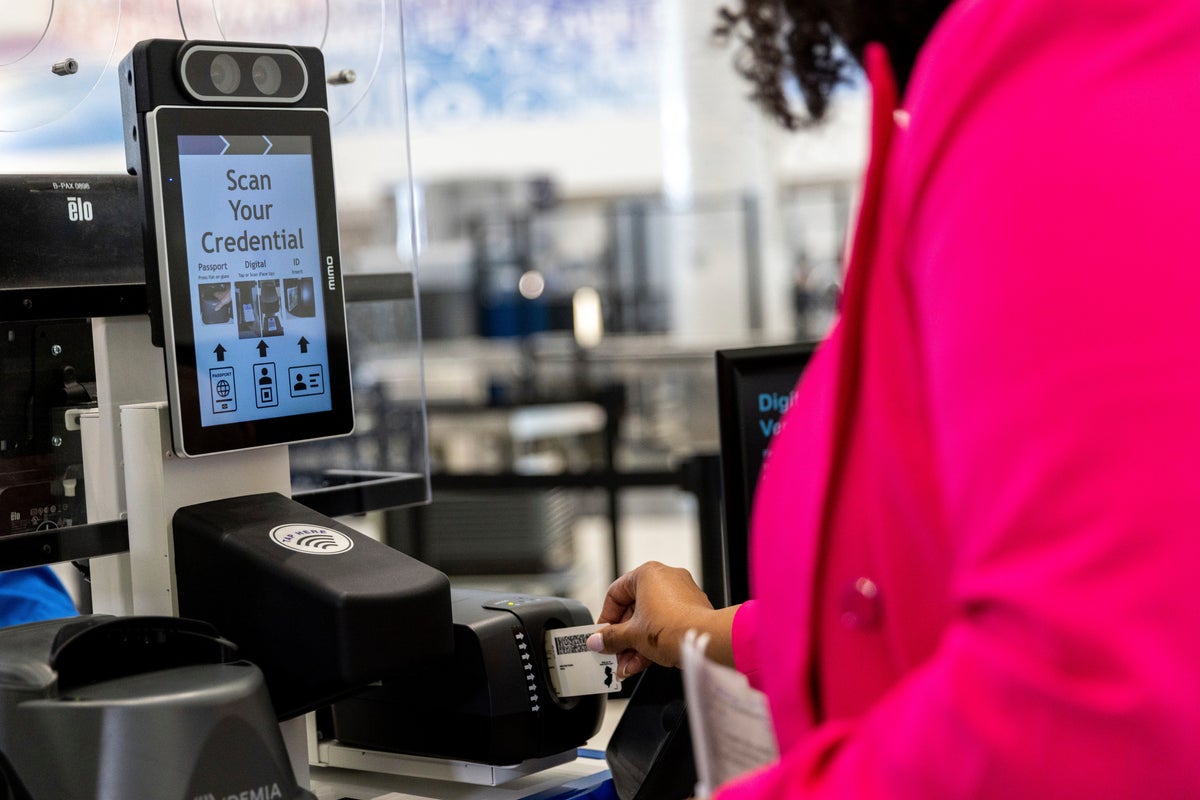
Facial recognition technology may soon make passports a thing of the past at U.S. airports.
Instead of handing over identification documents when returning from an international trip, travelers will likely soon just walk up to a screen and have their picture taken before a machine clears them to continue.
U.S. Customs and Border Protection is planning to expand contactless airport arrivals using facial biometric technology at airports across the country, Diane Sabatino, the executive assistant commissioner of CBP’s Office of Field Operations, told the Washington Examiner.
“In a few years… people with Global Entry are going to be walking through at all of our airports, unless a CBP officer wants to speak to that traveler,” Sabatino said.
Facial recognition for arriving international passengers is available at 238 U.S. airports, comparing a picture of the passenger to an existing government image of that person.
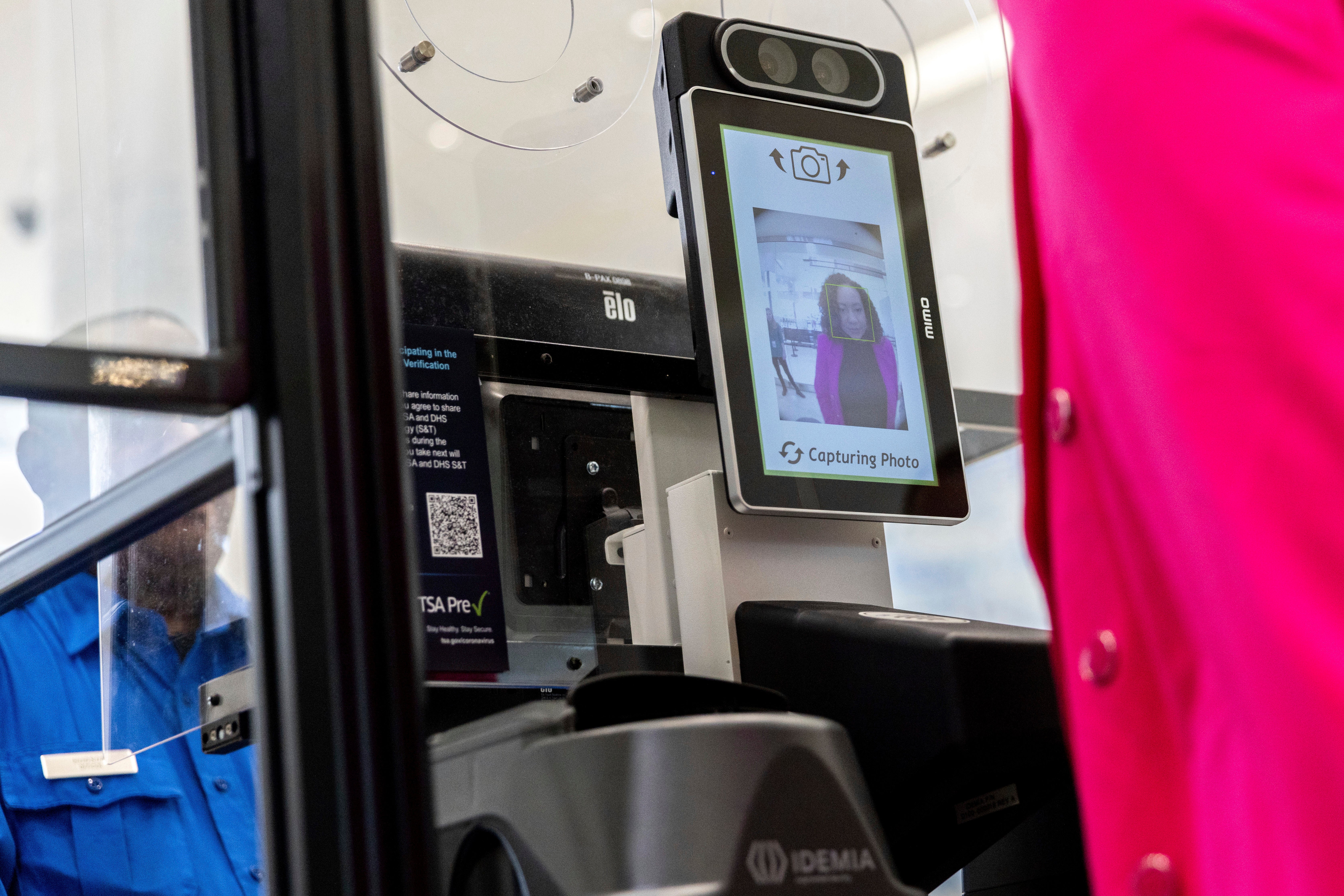
The facial comparison technology was first implemented in May 2025 as part of CBP’s Enhanced Passenger Processing, which allows U.S. citizens to walk up to a stand for an ID check instead of talking with an officer.
Additionally, a faster version for U.S. citizens called Enhanced Passenger Processing is available at 33 airports. Another program, Seamless Border Entry, allows pre-approved Global Entry travelers through in under three seconds at seven airports.
CBP, the country’s largest police agency, has over 35,000 officers who are responsible for inspecting people, goods and vehicles that arrive at airports, seaports and crossings with Canada and Mexico.
Customs officers screen approximately 390,000 travelers a day at airports alone, a CBP spokesperson told the Examiner.
The agency’s latest strategy for 2026 through 2030 will prioritize “shifting administrative burdens away from traditional, manual paperwork to digitized, touchless, and remote workflows,” according to the report.
Ditching old processes for new technology gives officers the freedom to “do what they do best, which is to talk to people and determine intent,” Sabatino said.

“What we would see when you arrived at [the initial screening checkpoint] back in 2003 were officers sitting static in booths … touching a lot of documents, spending a lot of administrative time, right, doing things, swiping documents, checking systems. Then individuals would go collect their bags, and those travelers would go to another checkpoint where they’d be cleared for customs purposes,” Sabatino told the outlet. “We’ve kind of taken that and consolidated that into kind of one-stop shopping with our officers.”
With even more facial recognition technology to be implemented in the near future, here is who can — and can’t — opt out.
U.S. citizens
American citizens can still ask for a manual check by a CBP officer when going through security at a U.S. airport.
Additionally, travelers using an Enhanced Passenger Processing kiosk who do not want their photo taken can alert an officer and taken to a different line to go through a manual verification process, CBP says on its website.
Foreign visitors
Travelers from other countries who are visiting or leaving the U.S. have been required to submit to biometric identity checks since last December. Those travelers have to participate regardless of whether they are traveling by air, land or sea.
This is a recent change from a previous rule that excluded children under 17 and adults over 79. Now, both groups are required to submit face scans or fingerprints on arrival and departure.

























![AEO checker tools that measure answer engine visibility [2026]](https://53.fs1.hubspotusercontent-na1.net/hubfs/53/aeo-checker-1-20260903-3858273.webp)