Giardiasis: UK travellers warned over parasitic stomach bug as cases soar
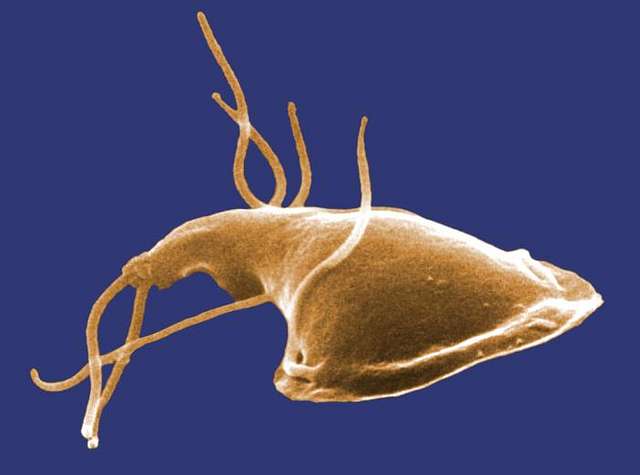
Giardia infection is spread by consuming contaminated food or water, or through direct contact with infected people or animals
 JaneWalter

People returning from holiday are being told to take precautions against a parasitic stomach bug following a 10 per cent annual surge in infections.
Figures from the UK Health Security Agency (UKHSA) show 6,069 giardiasis cases were reported in 2025 – up from 5,450 the previous year and the highest total since 2016.
Symptoms include diarrhoea, bloating, burping, wind and weight loss. In rare, untreated cases, children can experience malnutrition and stunted growth.
Officials say the 11.4 per cent rise may be driven by post-pandemic travel, climate change or improved testing.
Contracted both in the UK and overseas, the parasite spreads through contaminated food or water, or direct contact with infected people or animals.
It can also be sexually transmitted.

Nicola Love, senior food safety surveillance lead at UKHSA, said: “We are seeing a rise in giardiasis in the UK.
“Symptoms can last from weeks to several months and if left untreated, it can cause serious complications especially in young children, the elderly and those with weakened immune systems.”
According to the UKHSA, infections are being seen in people returning from Southern Asia, South-Eastern Asia, Africa and South America.
Those travelling should drink bottled water and eat cooked food rather than raw items, such as salads that have been washed in tap water.
The UKHSA also advised people to avoid swimming in rivers, lakes or the sea when abroad.
Ms Love said: “There are some simple precautions everyone can take to reduce their risk, whether you are planning an autumn getaway somewhere warm or staying in the UK.
“Good hygiene can help prevent giardiasis and other common gastro illnesses.
“Wash your hands with soap and water after using the toilet, after changing nappies, and before preparing food.
“Encourage children to wash their hands regularly too. If you have a giardia infection, continue to hydrate yourself and see your GP – do not go swimming until two weeks after your diarrhoea has stopped.
“Parents should contact their GP or NHS 111 if they or their children are ill with dehydration, or if diarrhoea worsens or lasts longer than three days.”
What is Giardia?
Giardia is a type of parasite that can cause Giardiasis, a tummy bug that can cause symptoms like diarrhoea, farting and bloating.
It usually goes away in about a week if it is treated, but it can sometimes last much longer, according to the National Health Service.
The parasites are found in streams and lakes but also in public water supplies, swimming pools, whirlpool spas and wells.
What are the symptoms and how is it treated?
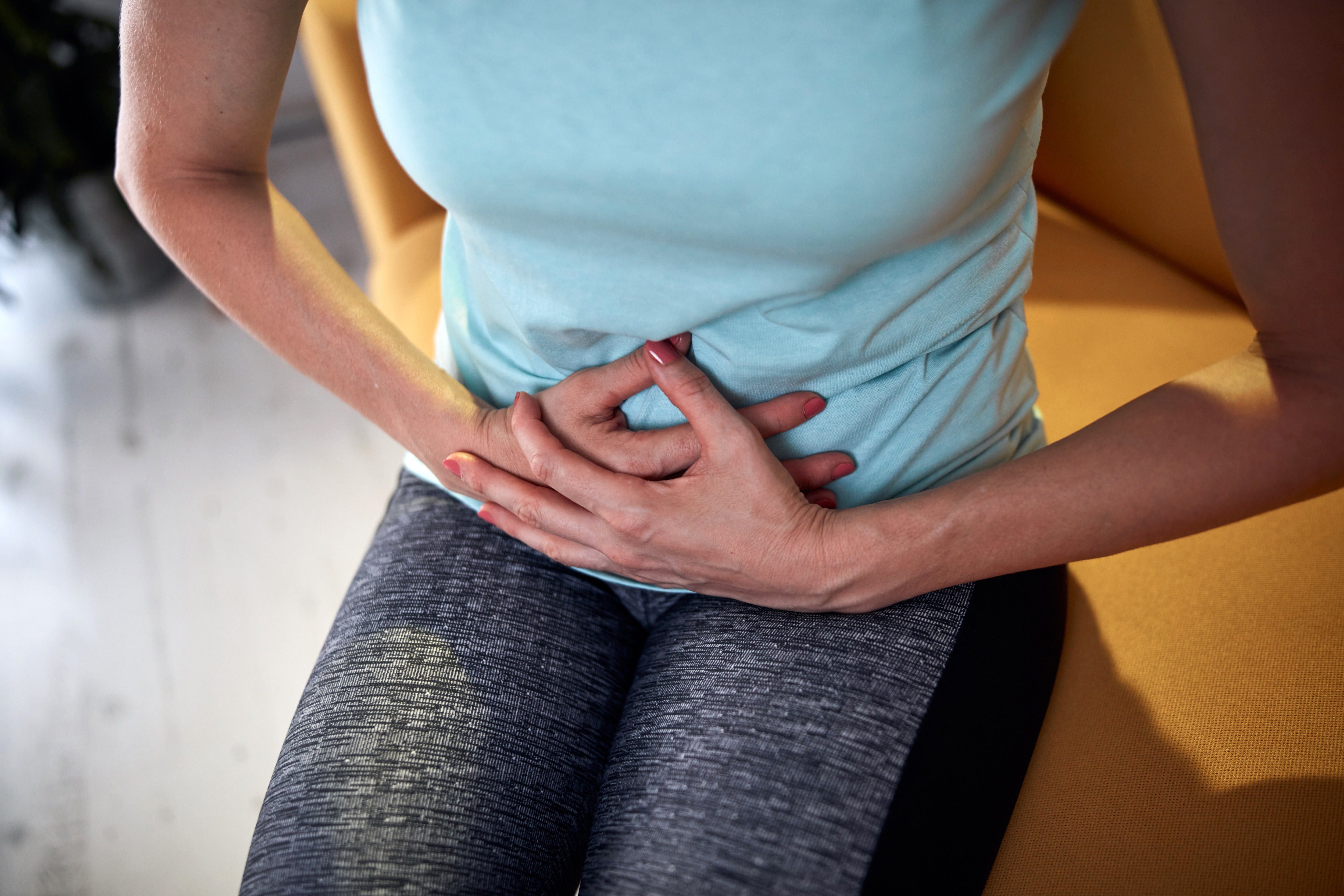
The main symptoms of giardiasis are smelly diarrhoea, tummy pain or cramps, farting, smelly burps, bloating and weight loss, according to the NHS.
It is usually treated with a course of antibiotics and is cured within a week.













.png?trim=0,0,0,0&width=1200&height=800&crop=1200:800)









.jpg&h=630&w=1200&q=100&v=7abd35f457&c=1)