How AI improves email deliverability beyond send times
Email deliverability is cumulative, and AI email deliverability optimization works by reinforcing the sending behaviors that mailbox providers already measure over time. Mailbox providers evaluate authentication alignment, complaint rates, engagement patterns, and unsubscribe behavior across domains. In 2024, Gmail...
 ValVades

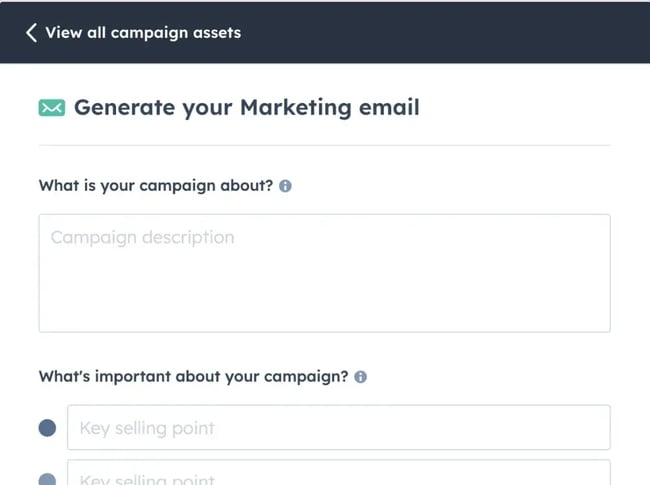
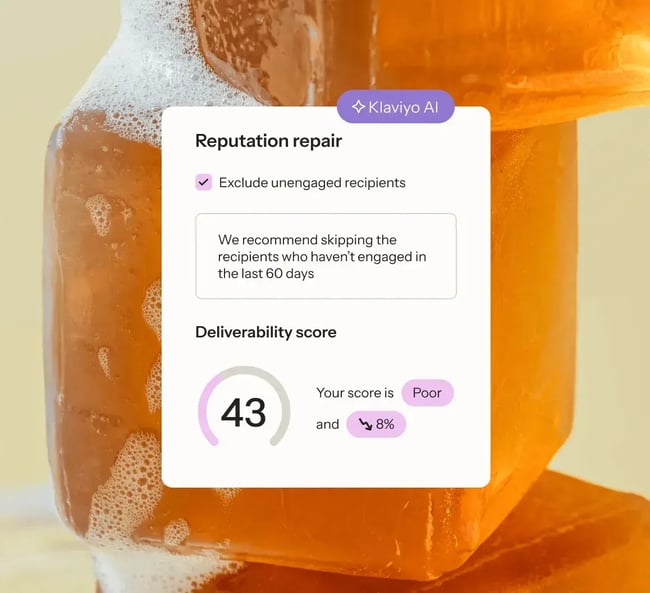
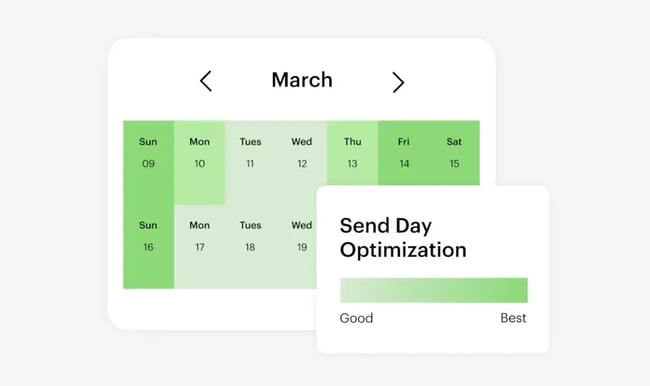
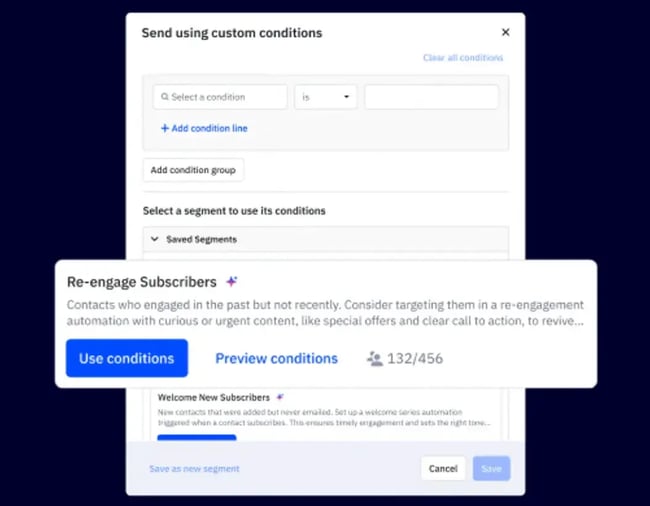
Email deliverability is cumulative, and AI email deliverability optimization works by reinforcing the sending behaviors that mailbox providers already measure over time. Mailbox providers evaluate authentication alignment, complaint rates, engagement patterns, and unsubscribe behavior across domains. In 2024, Gmail and Yahoo formalized stricter requirements for bulk senders, reinforcing a core principle: inbox placement depends on authentication, permission, and recipient behavior working together. According to HubSpot's 2026 State of Marketing report, 22% of marketers cite email as a top revenue driver. AI strengthens that infrastructure by improving segmentation discipline, identifying reputation shifts earlier, maintaining cleaner lists, and stabilizing engagement patterns — without overriding provider policies. This guide explains what AI-powered email deliverability optimization is, how it applies to content, reputation, list quality, and timing, and which platforms support those workflows. Table of Contents AI-powered email deliverability optimization uses machine learning to increase the likelihood that emails reach the inbox instead of the spam folder or rejection queue. It works by analyzing the same signals MBPs evaluate: content structure, sender reputation, engagement behavior, and list quality. Major providers like Gmail rely on machine learning systems that score senders. These systems assess authentication alignment, spam complaint rates, bounce trends, engagement patterns, and sending consistency. A single word or formatting issue rarely triggers filtering decisions; they reflect cumulative sender behavior. In 2024, Gmail and Yahoo formalized stricter expectations for bulk senders — defined by Google as domains sending roughly 5,000 or more messages per day to personal Gmail accounts. Requirements include: These standards reinforced a core principle: inbox placement depends on authentication, permission, and recipient behavior working together. AI becomes relevant because inbox providers already use predictive models. Instead of reacting after complaint rates spike or engagement declines, AI systems analyze patterns early and surface risks before filtering intensifies. In practice, AI-powered deliverability optimization focuses on four signal categories that MBPs weigh heavily: AI evaluates an email’s structure before sending it, including subject line patterns, link density, promotional tone, and rendering stability. Mailbox providers respond to recipient behavior, not isolated “spam words.” By flagging content patterns that correlate with lower engagement or higher complaints, AI helps teams adjust messaging before performance declines. Sender reputation reflects authentication alignment, complaint rates, bounce rates, and sending consistency. AI tracks these signals continuously and surfaces early shifts, such as rising complaints within a specific segment. That visibility allows marketers to adjust targeting or cadence before filtering tightens. Inbox placement increasingly depends on clicks, replies, and sustained interaction patterns, especially as open rates become less reliable. AI analyzes responsiveness across contacts and cohorts rather than relying on static inactivity windows. Stronger engagement stability supports more consistent deliverability outcomes. List quality influences both engagement and complaint risk. AI identifies inactive clusters, risky acquisition sources, and segments with declining click-through rates. Behavior-based suppression helps maintain healthier engagement ratios and reduces unnecessary exposure. Two forms of AI support this framework: Defining limits matters. AI does not override failed authentication, neutralize purchased list damage, or compensate for sustained spam complaint rates above provider thresholds. Authentication, consent, and frequency discipline remain foundational. AI-powered email deliverability optimization is truly an operational layer that aligns sender behavior with machine-learning-driven filtering systems. When content, reputation, engagement, and list quality are analyzed together and sending behavior is adjusted in response, inbox placement becomes more consistent. AI supports deliverability when applied across four interconnected areas: content structure, sender reputation, list quality, and send timing. Content influences engagement, engagement shapes reputation, and reputation affects inbox placement. The goal is coordinated optimization rather than isolated fixes. Email content influences deliverability indirectly through engagement behavior. Modern filtering systems evaluate patterns — not isolated words — and those patterns often reflect how recipients interact with a message. AI can analyze structural elements before sending, including: Understanding traditional spam triggers remains helpful, but static word lists are insufficient. Context matters. AI evaluates tone and structure relative to lifecycle stage and engagement history rather than applying blanket restrictions. Rendering consistency also affects engagement. Emails that display poorly across clients reduce interaction, which weakens performance signals. Optimizing emails for different clients supports stable engagement by reducing technical friction. HubSpot’s Breeze AI, available within Marketing Hub, powers tools like AI Email Writer to generate subject lines and body variations aligned to segment intent. When content personalization reflects CRM data and lifecycle stage, engagement stabilizes and complaint risk declines. Content optimization strengthens deliverability by improving relevance and preserving structural consistency. It does not replace authentication or list governance. Sender reputation reflects cumulative behavior across complaint rates, bounce rates, authentication alignment, and engagement consistency. MBPs enforce clear expectations, including complaint thresholds and authentication standards. AI supports reputation protection by tracking trends across: Foundational concepts like sender score still apply; the difference is speed. Instead of reviewing monthly reports, AI surfaces anomalies as they emerge, allowing teams to adjust segmentation or frequency before domain-level trust erodes. Effective reputation management requires continuous monitoring across technical compliance, behavioral engagement, and sending discipline rather than periodic cleanup after problems surface. List quality directly affects engagement rates and the likelihood of complaints. Inactive or improperly acquired contacts dilute positive signals and increase the risk of filtering. Traditional hygiene rules often rely on static inactivity windows. That approach is less reliable as privacy protections further distort open rates. AI models broader behavior, including click activity, conversion history, purchase recency, and unsubscribe patterns. Effective list-quality monitoring focuses on: Maintaining a clean list remains fundamental. Re-engagement campaigns allow teams to confirm interest before automatically excluding disengaged contacts from future promotional sends. Frequency discipline also intersects with list health. Over-mailing low-intent segments accelerates fatigue and increases complaint risk. AI ties suppression and cadence controls to engagement scoring, preserving stronger signal integrity within active segments. Deliverability stabilizes when suppression is proactive rather than reactive. Send-time optimization influences engagement consistency, which influences reputation stability. Timing does not override poor segmentation or weak list hygiene, but it can reinforce positive engagement patterns. Industry benchmarks for email send times offer directional insight, but they flatten behavioral differences across segments. AI analyzes contact-level behavior, like: Instead of broadcasting to an entire list simultaneously, predictive systems stagger delivery within a defined window based on those patterns. When emails consistently arrive at moments aligned with recipient behavior, click stability improves, and complaint exposure often declines. Send-time optimization functions best as a refinement layer. Combined with segmentation discipline and list hygiene, it supports sustained engagement rather than isolated spikes. The best AI tools for email deliverability embed machine learning directly into segmentation, timing, and list governance workflows. The platforms below differ in how deeply AI connects to CRM data, automation, and engagement reporting — a distinction that affects long-term inbox placement consistency. The following comparison provides a high-level overview of how each platform's AI capabilities support inbox placement before diving into detailed breakdowns. HubSpot’s email tools operate inside its Smart CRM, which connects contact data, lifecycle stage, automation, and reporting in a single system. That integration supports consistent segmentation and frequency control across campaigns. Deliverability-relevant AI capabilities include: Because AI-generated content pulls directly from CRM properties and lifecycle data, personalization reflects actual contact behavior rather than static templates. That alignment supports stronger engagement consistency and lowers complaint risk over time — influential signals for inbox placement. The structural advantage is alignment. Segmentation, suppression, and performance monitoring operate from the same dataset. When engagement declines within a specific audience segment, marketers can adjust targeting and frequency rules systematically instead of rebuilding them manually. Pricing: HubSpot Marketing Hub uses tiered pricing (Starter, Professional, Enterprise) based on features and contact volume. Advanced automation and AI-driven segmentation are available only in the Professional and Enterprise tiers. Best for: Mid-market and enterprise teams that want deliverability tied directly to CRM lifecycle management, not just campaign-level optimization. Klaviyo’s AI capabilities are built into its e-commerce-focused customer data platform. The emphasis is on predictive targeting based on purchase behavior and churn risk. Deliverability-relevant AI features include: Predictive churn modeling helps teams reduce the frequency of outreach to disengaged contacts before complaint rates rise. Contact-level send-time optimization supports stronger engagement visibility. Pricing: Pricing scales based on active profiles (contacts). AI capabilities are included in paid plans, with enterprise orchestration available in enterprise-level plans. Best for: Ecommerce brands with strong transactional data that want predictive targeting to manage engagement and reduce send fatigue. Mailchimp’s AI tools operate under Intuit Assist and focus on predictive segmentation and send timing. The platform prioritizes usability and automation over deep CRM complexity. Deliverability-relevant AI features include: Mailchimp positions AI around performance improvement and workflow efficiency rather than direct deliverability claims. Pricing: Advanced predictive and optimization features are typically available in Standard and Premium tiers. Pricing scales based on contact count and feature access. Best for: Small to mid-sized teams that want AI-driven targeting and timing without building a complex CRM infrastructure. ActiveCampaign is a marketing automation platform that combines behavior-driven email workflows with contact-level send timing to improve engagement consistency. ActiveCampaign centers its AI capabilities on automation depth and engagement-based timing. The most deliverability-relevant feature is Predictive Sending, which: Additional AI capabilities include: Deliverability improvements stem from replacing broad batch campaigns with targeted, engagement-aware sends. Pricing: Predictive Sending and advanced AI capabilities are typically available in Professional-tier plans and above. Pricing scales based on contact volume. Best for: Automation-focused SMBs that want contact-level send timing and behavior-driven lifecycle campaigns. Across these platforms, AI supports deliverability by enabling more precise segmentation, timing, frequency controls, and suppression of disengaged contacts. None bypasses mailbox provider rules; they influence the behavioral signals that shape reputation. HubSpot integrates AI most deeply with CRM lifecycle data, Klaviyo emphasizes ecommerce targeting, Mailchimp prioritizes accessible automation, and ActiveCampaign focuses on workflow depth and predictive sending. The right choice depends on data maturity and how tightly email must connect to broader marketing systems. AI email deliverability optimization produces measurable impact only when performance signals improve consistently over time. The goal is stronger engagement, lower risk, and a more stable sender reputation. To evaluate impact, establish a baseline across several comparable campaigns, introduce one AI-driven change at a time, and compare sustained trends rather than single-send spikes. Focus on the following metrics: AI strengthens deliverability when engagement indicators trend upward while risk indicators trend downward. Sustained balance — not isolated improvements — demonstrates meaningful impact. AI-generated email content does not inherently hurt deliverability. Inbox placement problems typically stem from permission issues, authentication failures, high complaint rates, or poor list hygiene. AI can introduce risk if it enables over-sending, produces repetitive templated messaging at scale, or ignores segmentation discipline. When used within proper suppression and targeting controls, AI-generated content can perform similarly to human-written campaigns. AI-powered email deliverability costs vary by platform tier, contact volume, and feature access. Most marketing automation platforms bundle AI content generation, predictive sending, and segmentation tools into mid- or higher-tier plans. Additional costs may apply for dedicated deliverability monitoring tools, inbox placement testing, or enterprise-level infrastructure. Pricing scales primarily with database size and sending volume. Most modern email platforms offer AI capabilities natively or through API integrations. However, effectiveness depends on data access. AI models require unified CRM, engagement, and suppression data to make accurate predictions. If engagement signals and list controls exist in separate systems, limited optimization may occur. Improvements depend on the underlying issue. Authentication corrections and list cleanup can produce measurable improvements within a few campaigns. Reputation recovery from elevated complaint rates typically requires sustained positive engagement over weeks or months. Deliverability stabilization is cumulative rather than immediate. AI automates monitoring, anomaly detection, segmentation scoring, and predictive analysis. It does not replace strategic oversight. Deliverability specialists remain essential for interpreting mailbox provider policies, managing infrastructure changes, resolving blocking events, and guiding compliance decisions. AI reduces manual workload but does not eliminate expertise requirements. AI strengthens email deliverability by reinforcing disciplined sending behavior. It sharpens segmentation, automates suppression before risks compound, surfaces reputation shifts earlier, and aligns send timing with demonstrated engagement patterns. Deliverability, however, remains structural. Authentication, consent management, and governance are foundational. AI does not override mailbox provider policies; it operates within them. For teams working inside a unified CRM ecosystem, deliverability becomes less about individual campaigns and more about lifecycle consistency. When segmentation logic, engagement history, and suppression rules share a single source of truth, inbox placement often stabilizes because sending behavior stabilizes. The actual risk with AI in email marketing is not poor writing but acceleration without restraint. When tools make it easier to generate more campaigns and variations, the temptation is to increase volume rather than precision. That is how inbox fatigue turns into spam complaints. The teams that benefit most treat AI as an optimization engine, not a megaphone. They use it to analyze engagement trends before increasing volume, adjusting suppression, and segmentation based on performance signals. They let performance data dictate expansion. Email deliverability rewards restraint, relevance, and consistency. AI can help execute those principles faster and with greater visibility. It cannot replace the discipline required to follow them.
What is AI-powered email deliverability optimization?
Content Analysis
Reputation Monitoring
Engagement Modeling
Predictive Analytics for List Quality
How to Use AI to Improve Email Deliverability
Use AI to score and optimize email content.
Use AI to monitor and protect sender reputation.
Use AI to identify and prevent issues with email list quality.
Use AI to personalize send times for maximum engagement.
Best AI Tools to Improve Email Deliverability
HubSpot Marketing Hub (Email)
Klaviyo
Mailchimp
ActiveCampaign
How to Measure AI’s Impact on Email Deliverability
Frequently Asked Questions
Does AI-generated email content hurt deliverability?
How much does AI-powered email deliverability cost?
Can AI deliverability tools integrate with my existing platform?
How quickly can improvements appear?
Will AI replace deliverability specialists?
AI strengthens — not replaces — deliverability infrastructure.