How Jamaica is fighting back six months on from Hurricane Melissa
Parts of the Caribbean island were devastated by Hurricane Melissa, but six months on Caroline Gammell and her family found an island full of life and determined to get back on its feet
 MikeTyes

The stingray nestled on the bottom of the sandy seabed was enormous. More than a metre wide, it flapped gently along the seafloor as my paddleboard glided above it.
Battleship grey – a Southern Stingray I found out later – and partially buried in the sand, it should have been almost impossible to see.
But in these crystal clear Caribbean waters, you could spot it quite easily from the board or while rolling off into the warm sea to snorkel over its huge body and long tail.
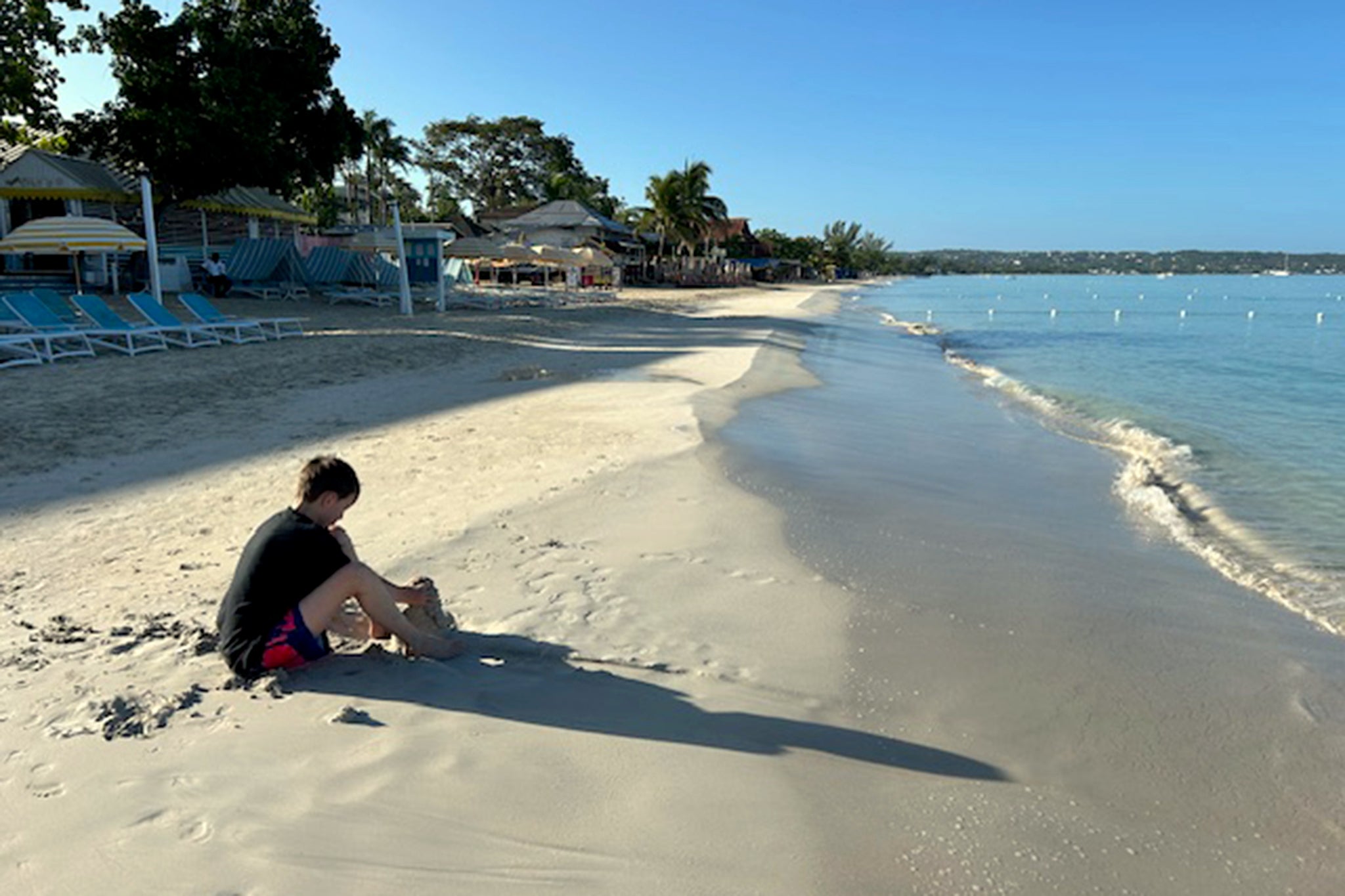
This special encounter took place in Jamaica’s western outpost Negril, in the waters off its famous seven mile beach, which welcomes the traveller with its laid back hotels and relaxed atmosphere.
Gazing at the shoreline as I float in the sea, I can see my children messing around in the lapping waves, guests relaxing in the popular Miss Lily’s diner, and visitors playing backgammon, sipping a red stripe, lounging in the sun or strolling along the endless miles of sandy shore.
Read more: I discovered a foodie paradise in the heart of the Caribbean
We are staying at Skylark, a boutique hotel half-way along the sandy strip. Hotels jostle next to each other to take advantage of the incredible beach.
Surveying all this, it is surreal to think that six months ago Jamaica was ravaged by its worst hurricane in living memory.
On 28 October last year, over the course of a terrifying day, Hurricane Melissa ground slowly across the land, destroying pretty much everything in her path, leaving parts of the island a disaster zone and topping the global news agenda.
Nearly 200,000 homes were hit – 24,000 destroyed – and 1.5 million people affected. Fortunately, it passed through a relatively narrow and rural part of the island; the capital Kingston with its population of 600,000 escaped with little more than heavy rain and power cuts.
But Jamaica’s reputation as a paradise getaway was tarnished; the last thing an island so reliant on tourism needed.
The eye of Hurricane Melissa hit land 65km southeast of Negril, affecting everything 15km either side, chewing up the landscape, ripping off roofs and leaving buildings unrecognisable.
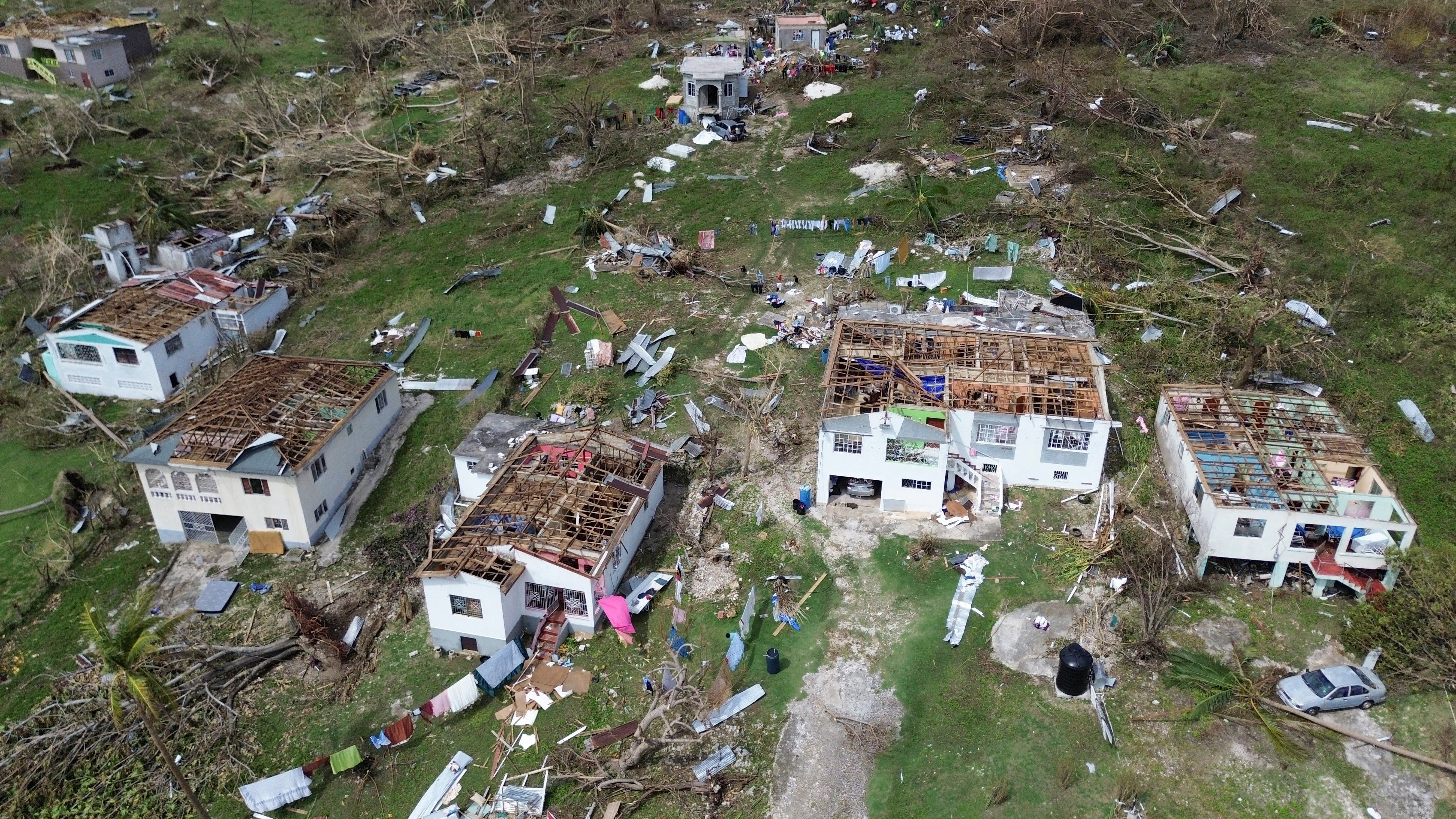
But even in this most stricken part of the island, half a year on, so much has been restored, rebuilt, regrown.
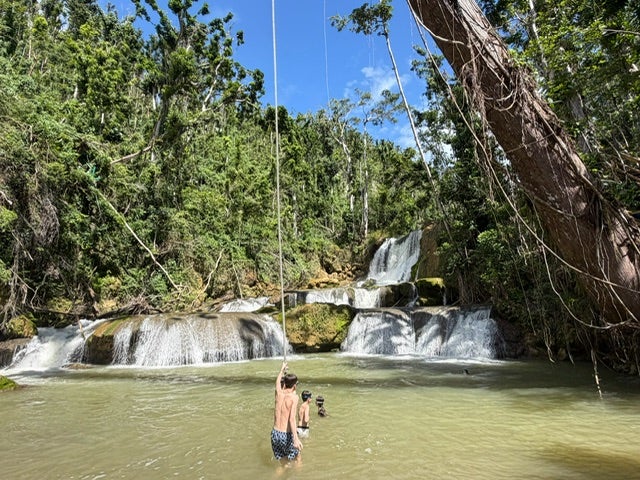
Nowhere is this more apparent than YS falls, a series of cascading waterfalls in the heart of the south west of the island, known as Middle Quarters. It is a rural paradise with fresh swimming pools leading directly from the falls, surrounded by lush farmland with grazing cattle and horses.
So bad was the impact on YS, that it took owner Simon Browne 10 days to make the 2km journey from his house – which lost its kitchen and living room roofs – to reach the falls.
“The river surged for four days after Melissa came through and we had to wait for the water to subside before battling through fallen trees and flooded land,” he says.
“As every tree had been stripped of its leaves and every roof of every shelter had blown away, it was unbearably hot for the animals on the farm.”
Simon and his wife Dawnie immediately set to work with a huge team of people, many of whom had lost their own houses, to put back what had been ravaged.
Read more: This tall ship cruise lets you discover lesser-known Caribbean islands
Together they cleared the devastation, cleaned out the pools, rebuilt the infrastructure and opened again within three months.
Visiting now, the remnants of the hurricane are still apparent, but the bush has greened up and the waterfalls and swimming pools are flowing beautifully. The rope swings, a firm favourite with my children, are still there, as are the guides leading you through the thundering waters.
People are coming back to this beautiful place, but slowly, as many of the more rural roads need fixing and some hotels in the area are yet to re-open. Around 70 per cent of hotels and resorts across the island are now operating, with the Jamaican Tourist Board (JTB) aiming for 80 per cent by the end of the year.
“It has been slow progress,” adds Simon. “But we are all back up and running on the South Coast. Treasure Beach, Appleton, Black River, YS and Pelican Bar are all open again.”
A major boost is the increase of flights from Europe from the start of June, with daily flights operating from London, rather than the current four.
With the war in Iran causing paralysis in the Middle East and deterring tourists from places such as Dubai, the hope is that people will choose to fly west, to the Caribbean – and more specifically, Jamaica.
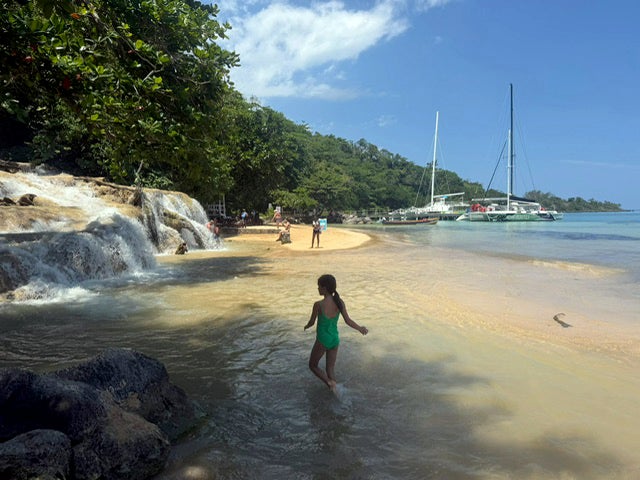
And as well as those who come for sea, sun and rum, a new type of visitor is emerging: interested in the local culture and keen to support local tourism. The island is also seeing a rise in return tourists and those from the diaspora.
“People have a connection, or a memory,” says Sicourney Jackson, from the JTB. “People are coming down with extra suitcases, bringing supplies. At the time, tourists stayed to help with the clear up.
“It just shows how much love people have for the island. We are encouraging people that if you really want to help us, book a flight. People are now understanding that Jamaica was not destroyed and offers its own unique experience.”
The interest is Jamaica beyond its beautiful weather and scenery is summed up at Skylark and its sister hotel Rockhouse – a stunning series of individual rooms built on a rocky outcrop in Negril.
Both support the Rockhouse Foundation, which funds a school for 300 children with special needs in nearby Savannah La Mar. A third of the profits goes towards the school and both hotels offer weekly visits to see the work going on there.
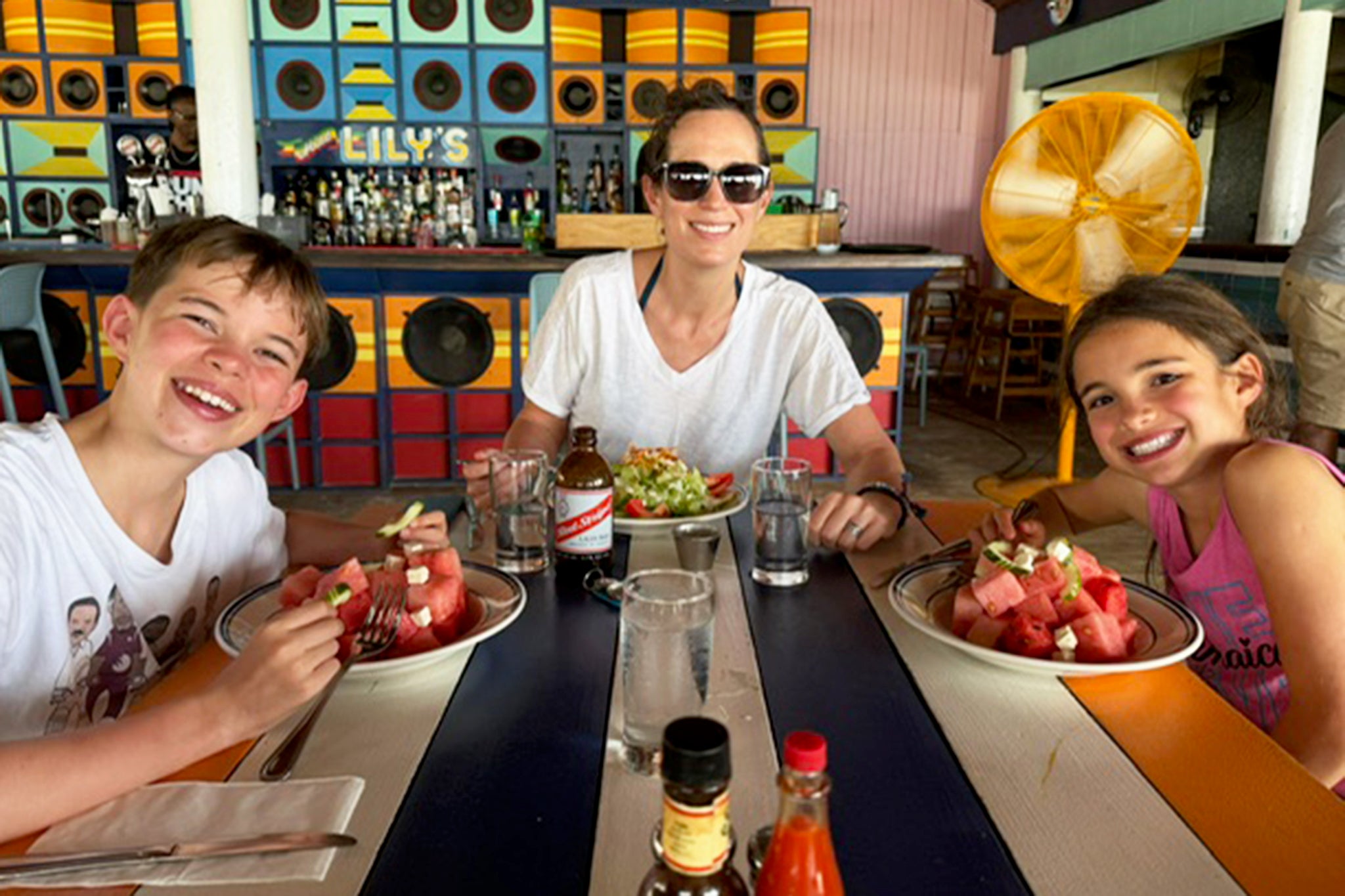
Elsewhere on the island, it is clear tourists are returning. Dunn’s River, the famous 600ft waterfalls on the north coast – a must-see for first timers to Jamaica – and river rafting on the Martha Brae river are humming as we visit.
Hermosa Cove, a beautiful collection of individual rooms and villas perched on rocky outcrop on the north coast is filled with discerning tourists, seeking a quiet hideaway.
Edmund C. Bartlett, Jamaica's minister of tourism, is rightly proud of what the island has achieved: “Surpassing one million visitor arrivals and US$956 million in earnings in the first quarter of 2026, just five months after Hurricane Melissa, is a testament to the extraordinary resilience of our people, our industry, and our island.
“British travellers are not just returning to Jamaica; they are choosing us. Jamaica is not simply back. We are thriving.”
Building on that sense that people want more than just sun, the island is diversifying, encouraging visitors to learn about the abundance of natural resource.
A good example of this is Pure Chocolate, an enterprise run by Rennae Johnson, a former pastry chef, and her husband Wouter Tjeertes, a chocolatier. Starting up just before Covid, they are known for pairing their chocolate with staple Jamaican flavours such as jerk and scotch bonnet.
Read more: This Caribbean island is at its most joyful in the off-season
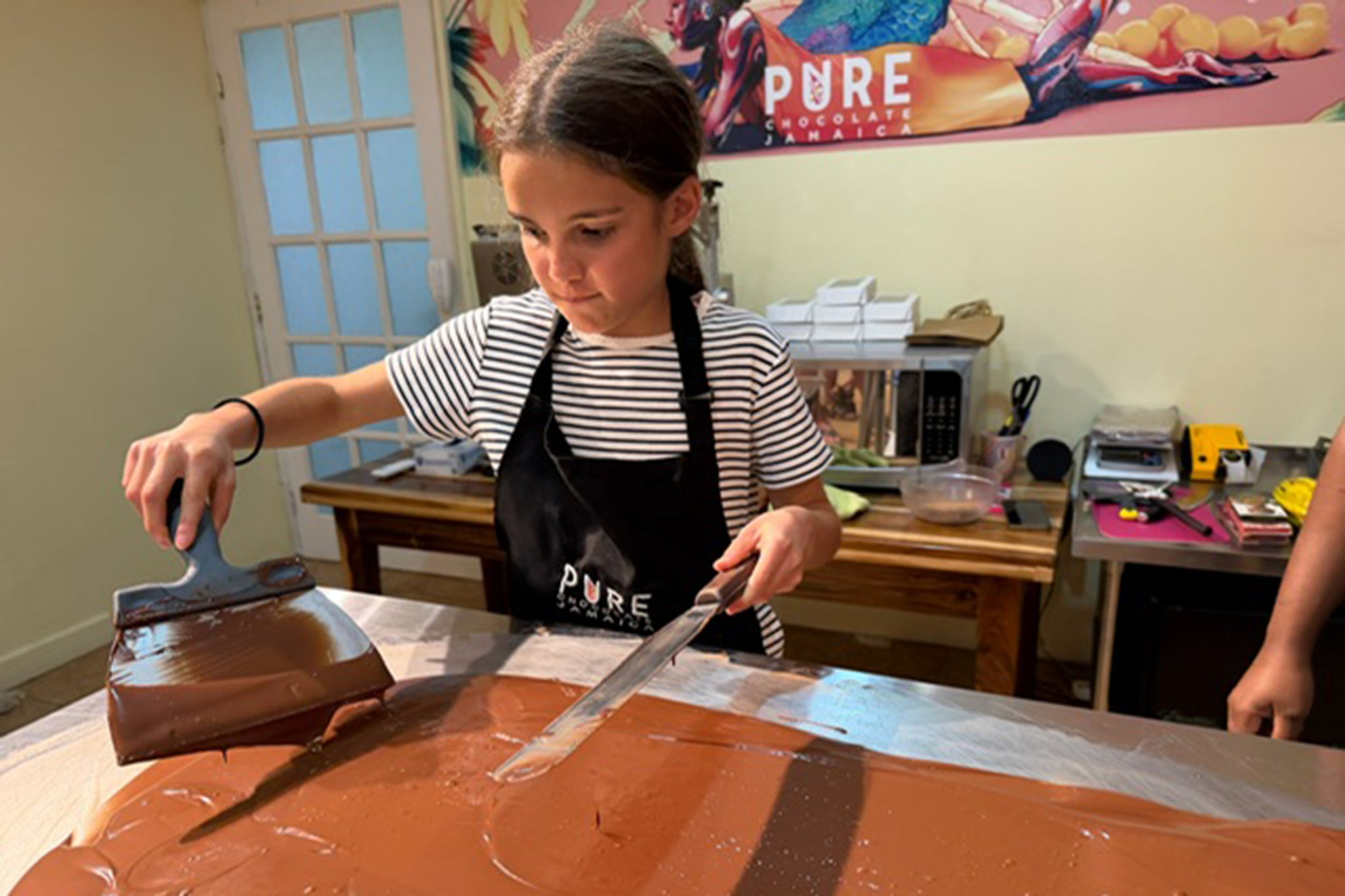
They offer workshops where you can learn how they source to cacao pods from local famers, have a go at tempering the chocolate – heating and cooling it, for the uninitiated – and make your own chocolate by cramming as many different flavours into a bar.
Again, this was another highlight for my children, and something a little bit different.
So as the island rebuilds and regroups, there is a genuine sense of optimism and hope for the future. And with memories of our trip still lingering, we are planning our return – and can’t wait.
Caroline’s trip was supported by the Jamaica Tourism Board.
How to get there
British Airways flies direct from London Gatwick to Kingston, while Virgin Atlantic flies direct from London Heathrow to Montego Bay, and Tui flies direct from London Gatwick to Montego Bay. Flight time is around 10 hours.









.png?trim=73,184,2,9&width=1200&height=800&crop=1200:800)