How to spend two days in Rio de Janeiro’s coolest neighbourhood
Most tourists just pass through Botafogo, but they’re missing out, says Gordon Thomson. He suggests visitors stay a couple of days to explore the intriguing history, lively food scene and passionate football culture
 Hollif

I’m at the age where travel still means adventure, but with the guard-rails up. My hostel-hopping days are long behind me, though I’ve retained the restless curiosity of my younger self. Which means I don’t want the mass-tourism experience – and I suspect you don’t either – but nor do I yearn to disappear completely off-piste into somewhere genuinely uncharted (read: dangerous after dark).
Which is where Botafogo comes in: the wonderful, gritty-but-not-too-gritty Rio de Janeiro neighbourhood.
My daughter and her young family live in Rio, so I’m lucky enough to return regularly. They know their hotspots from their tourist traps. And even in a metropolis as well-traipsed as the Cidade Maravilhosa (“Marvellous City”), there are still secrets to be discovered – sometimes slap-bang in the centre of town. Botafogo is one of them.
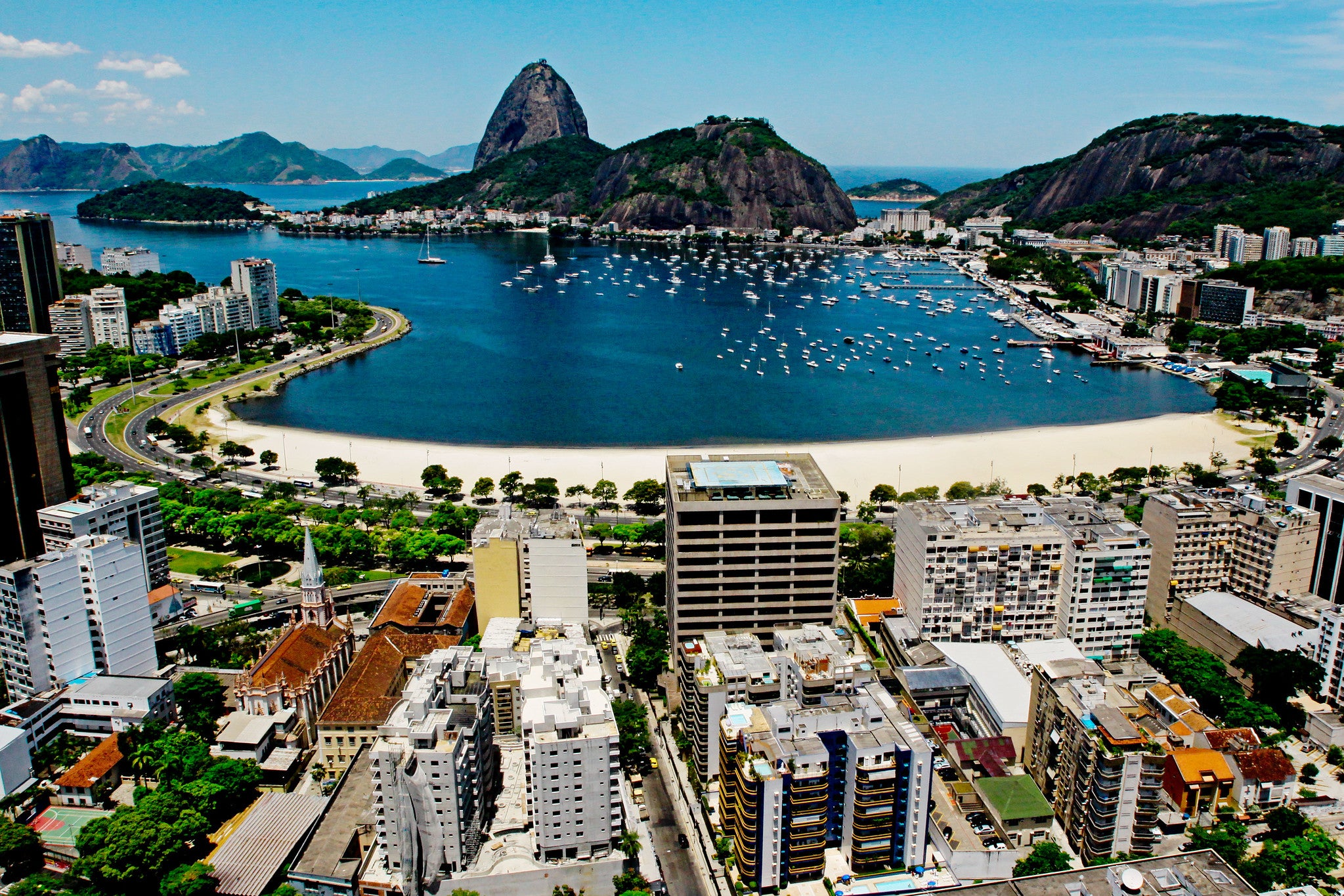
Wedged between beach and mountain, it’s a neighbourhood beloved of Cariocas (residents of Rio), who are quietly protective of its allure. Most visitors only ever see it through a car window, zipping down the main drag on the way to Lapa, with its edgy, almost spiritual nightlife, or retreating back to the familiar frenzy of Copacabana or the calm, European sophistication of Ipanema and Leblon. Their loss.
Shaped rather like a small fish, Botafogo is appealingly self-contained. Partly it’s the geography, partly the looming presence of São João Batista cemetery on one side – a vast, eerily beautiful enclave of marble angels and mausoleums that lends the neighbourhood a faintly gothic undertone.
Botafogo literally means “set it on fire” in Portuguese, a name inherited from a 16th-century galleon bristling with artillery. On-tour pyrotechnics are not really my thing these days, so I opt instead for a slow, steady burn over a long weekend. I recommend you do the same – here’s how to do it.

Read more: The nine best things to do in Rio de Janeiro
Where to stay
There is the option to stay in Leblon – as I often have, to be near my family – and commute over. The metro puts it within a 20-minute reach, and Ubers are so cheap it barely registers if you choose four wheels. But if you’re basing yourself in Botafogo – and there’s a strong case for doing so – there are good options at both ends of the budget scale.
Yoo2 Rio de Janeiro is the neighbourhood’s most design-led hotel, sitting right on Praia de Botafogo with Sugarloaf filling the windows. Rooms are sleek rather than showy, and the rooftop bar pulls in a local crowd at sunset, which is always a good sign.
For something simpler, ibis budget RJ Praia de Botafogo does exactly what it says on the tin. Rooms are compact but clean, air-conditioned and well-located, just a short walk from the metro and the waterfront. It’s a practical base if you plan to spend most of your time out exploring rather than hanging around the hotel.
Where to eat
Lunch at Galeto Sat’s Botafogo branch is non-negotiable. Yes, the Copacabana outpost has the blessing of Anthony Bourdain (his signed photo still hangs by the door), but this is the one I come back to.
Inside, it’s tiled, bright and gloriously hectic. Chickens spin, plates clatter, and orders fly. I always go for the lemon-marinated galeto (charcoal-grilled spring chicken) – juicy, blistered, aggressively good – with obscene amounts of garlic bread, slick with oil and absolutely unapologetic.
All the sides here are solid (and you’ll want to try as many as you can), but that pão de alho is the star. Wash it all down with icy tumblers of chope, the dangerously drinkable draft Brahma lager, and resign yourself to a food coma.
Next door, Dainer is perfect for a reviving espresso, or a return visit for a serious American-style brunch (the Buffalo chicken sandwich is ridiculous in the best way).
For coffee stops between meals, I tend to drift into Cirandaia, a relaxed neighbourhood spot where locals drop in for a proper Brazilian filter brew and a sandwich for lunch.
For an informal dinner, head to Joaquina Bar & Restaurant. Here, classic Brazilian dishes are done properly: grilled fish, charred meats, generous sides – and served in a room full of locals who have no intention of leaving early.
If you prefer to go all-in, Oteque is Botafogo’s Michelin-starred standout. Chef Alberto Landgraf’s tasting menu is precise but never clinical – seafood, ferments, unexpected textures and combinations that feel both experimental and deeply Brazilian. It’s expensive, yes, but quietly exceptional. Book well ahead.
Read more: The best beaches in Brazil
What to see

Botafogo rewards wandering. I like drifting past the cemetery gates, where cats sun themselves on marble tombs, or ducking into Livraria da Travessa on Rua Voluntários da Pátria, an excellent independent bookstore with thoughtful staff and shelves worth lingering over.
The neighbourhood’s streets double as an open-air gallery. Head towards Rua General Polidoro, where murals in bright, clashing colours mix politics with humour – something Brazilians are particularly good at.
Botafogo beach itself isn’t for swimming – the water is polluted thanks to the yachts moored here – but the walk along the bay is one of Rio’s underrated pleasures, especially as the light softens and Sugar Loaf looms theatrically ahead.
If you want to swim, you’ll need to leave Botafogo itself. Head instead to Praia Vermelha, just beyond in Urca.
This is Rio’s version of the Italian Riviera: a wide horseshoe bay with clear, calm water – a rarity in a city known for its punchy Atlantic surf. It’s one of the few places where you can properly relax in the sea, with Sugarloaf’s cable cars gliding overhead for added drama.
If the timing works, get to a match. Brazil is football-mad. Flamengo may be the biggest club, but Botafogo is cooler – storied, soulful and proudly local.
The stadium, Estádio Olímpico Nilton Santos, sits in the north of the city, so it’s a bit of a trek, but worth it. Even if you don’t follow the game closely, the atmosphere alone is reason to go: drums, flares, chanting and a level of emotional investment that’s hard not to get caught up in.
Going out
As evening falls, head down towards the bay and into “downtown” Botafogo, where the neighbourhood really comes into its own.
Wander rather than plan, following the sound of laughter, music drifting from open doors, the low hum of conversation and the occasional louder burst of celebration.
Calma is lively and open-air, full of young Cariocas drinking passionfruit caipirinhas and negronis with a twist. If I want something more low-key, Comuna does excellent natural wines and small plates in a space that feels more like someone’s front room than a bar.
And if you’re still standing, you’re in luck as Botafogo doesn’t do early nights. Casa da Matriz remains a go-to for indie, funk and electronic sets. It’s slightly scruffy and reliably fun.
For something even more unpolished, Bar Bukowski is a gloriously rock’n’roll institution – a rambling old house with multiple rooms, live bands, DJs and a crowd that stays there until late. Grab a beer and lean into it.
How to get there
From London, British Airways flies direct to Rio de Janeiro–Galeão International Airport (GIG) in around 12 hours from £650. From Ipanema or Leblon, an Uber to Botafogo takes 10 to 20 minutes and costs around R$60 (£8).
Read more: Rio de Janeiro city guide: Where to eat, drink, shop and stay in Brazil’s hottest city