
India Healthcare Cold Chain Monitoring Market: 5 Trends Driving Growth
India's pharmaceutical and biologics sector has grown into one of the largest in the world. It supplies vaccines to over 150 countries. But here is the part that does not always make headlines: getting those medicines from a manufacturing...
 FrankLin
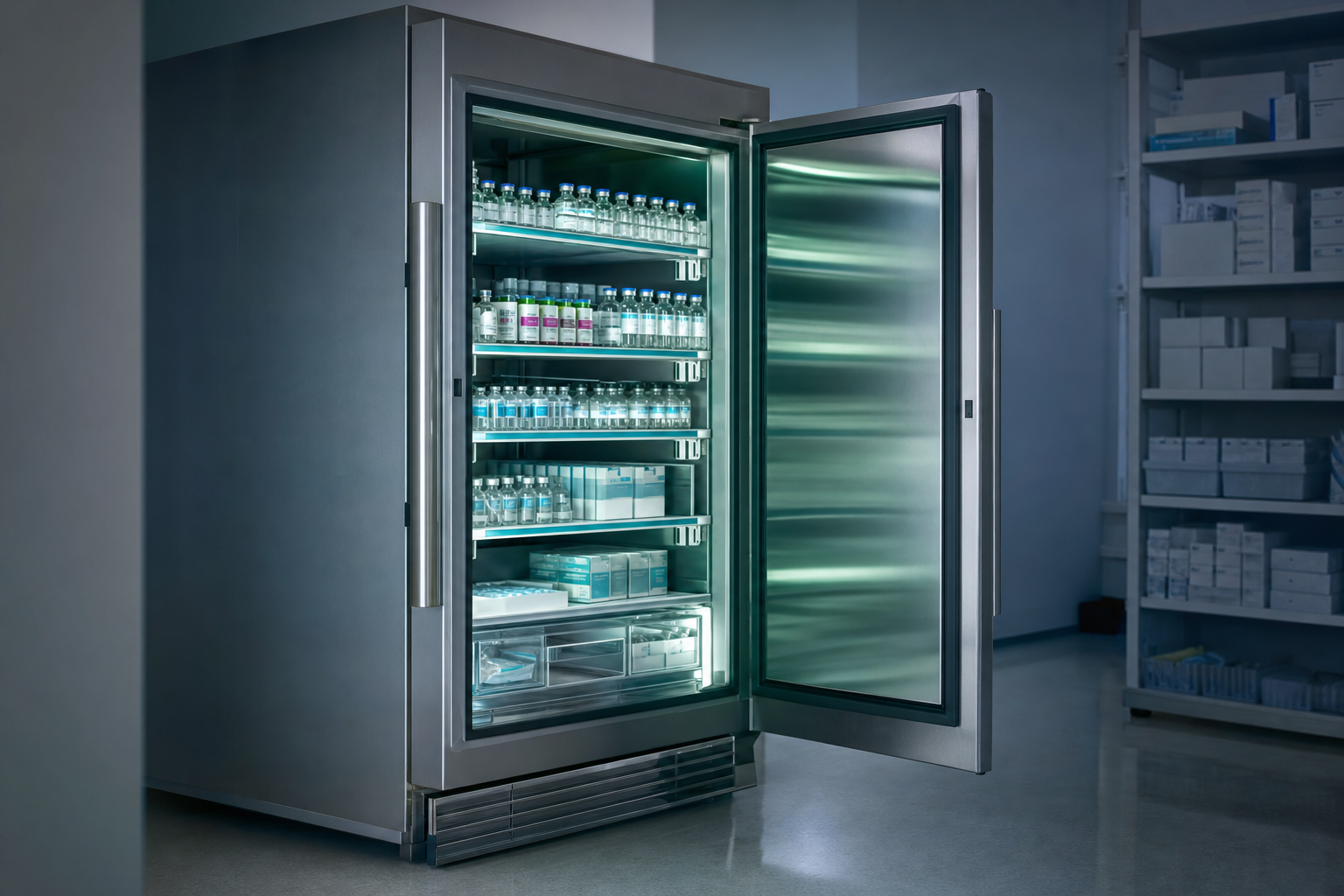
That challenge is exactly why the Indian healthcare cold chain monitoring market is drawing serious attention from investors, logistics players, and healthcare operators alike. According to the India Healthcare Cold Chain Monitoring Market report by Market Research Future, the market is poised for strong growth through the end of the decade, driven by vaccine distribution demands, tighter regulatory requirements, and rapid adoption of IoT-based tracking technologies. Top trends shaping the market right now: India's pharmaceutical industry is the world's third largest by volume. The domestic market is growing significantly in recent years and continues to expand. A growing share of that output—biologics, monoclonal antibodies, insulin, and vaccines—requires strict temperature control throughout the supply chain. This is not a discretionary investment. Temperature excursions, even brief ones, can render a product useless or unsafe. As high-value biologics take a larger share of the product mix, the cost of cold chain failure rises with it. Monitoring infrastructure is increasingly being treated as part of the core production cost, not an afterthought. India's Universal Immunization Program (UIP) is one of the largest in the world, covering over 26 million newborns and 29 million pregnant women annually. Running that program requires a functioning cold chain that reaches the last mile—rural primary health centers, sub-centers, and ASHA workers in remote districts. The COVID-19 vaccination drives exposed gaps in that infrastructure, but it also triggered significant government investment to close them. Mission COVID Suraksha and the Strengthening of Cold Chain Equipment initiatives pumped capital into cold storage units, walk-in coolers, and vaccine carriers at the district level. Much of that infrastructure now needs monitoring systems to prove efficacy and maintain regulatory compliance. The ripple effect for the monitoring market has been substantial. For most of India's cold chain history, temperature logging meant paper records and manual spot checks. That is changing fast. IoT-enabled sensors, cloud dashboards, and automated alerts are now commercially accessible at a price point that works for mid-size distributors and hospital networks, not just large pharma manufacturers. Key capabilities being deployed across the supply chain include: The shift from reactive to proactive monitoring is significant. Instead of discovering a temperature breach after the fact, operators are now alerted in real time and can intervene before the product is compromised. India's Central Drugs Standard Control Organisation (CDSCO) has progressively tightened Good Distribution Practice (GDP) guidelines, which now mandate documented temperature monitoring at each node in the pharmaceutical supply chain. Schedule M revisions have reinforced cold chain requirements for storage and transport, while WHO prequalification standards, critical for exporters, require verifiable, continuous monitoring data. Non-compliance carries real consequences: product rejection, export license risks, and potential liability in case of adverse events. As enforcement intensifies, investing in proper monitoring infrastructure has become a compliance necessity as much as an operational one. The growth of India's healthcare cold chain monitoring market has direct implications across the value chain: For a comprehensive view of the opportunity, the India Healthcare Cold Chain Monitoring Market report by Market Research Future covers market sizing and forecasts, competitive landscape analysis, key growth drivers and restraints, and segment-level breakdowns by component, application, and end-user. It is an essential reference for companies evaluating market entry, technology partnerships, or investment decisions in this space.  India's pharmaceutical and biologics sector has grown into one of the largest in the world. It supplies vaccines to over 150 countries. But here is the part that does not always make headlines: getting those medicines from a manufacturing facility to a patient in Bihar or Rajasthan while keeping them within a precise temperature range is an enormous logistical challenge.
1. Pharma Growth Is Creating Non-Negotiable Cold Chain Demand
2. Government Vaccine Programs Are the Single Biggest Drivers
3. IoT and Real-Time Monitoring Are Replacing Paper Logs
4. Regulatory Pressure Is Raising the Compliance Floor
5. What This Means for Industry Stakeholders












![Is it Real or AI? Test Your Detection Skills [Round 4]](https://www.hubspot.com/hubfs/real%20or%20ai%204.png)
















.jpg&h=630&w=1200&q=100&v=c0f97a310e&c=1)
