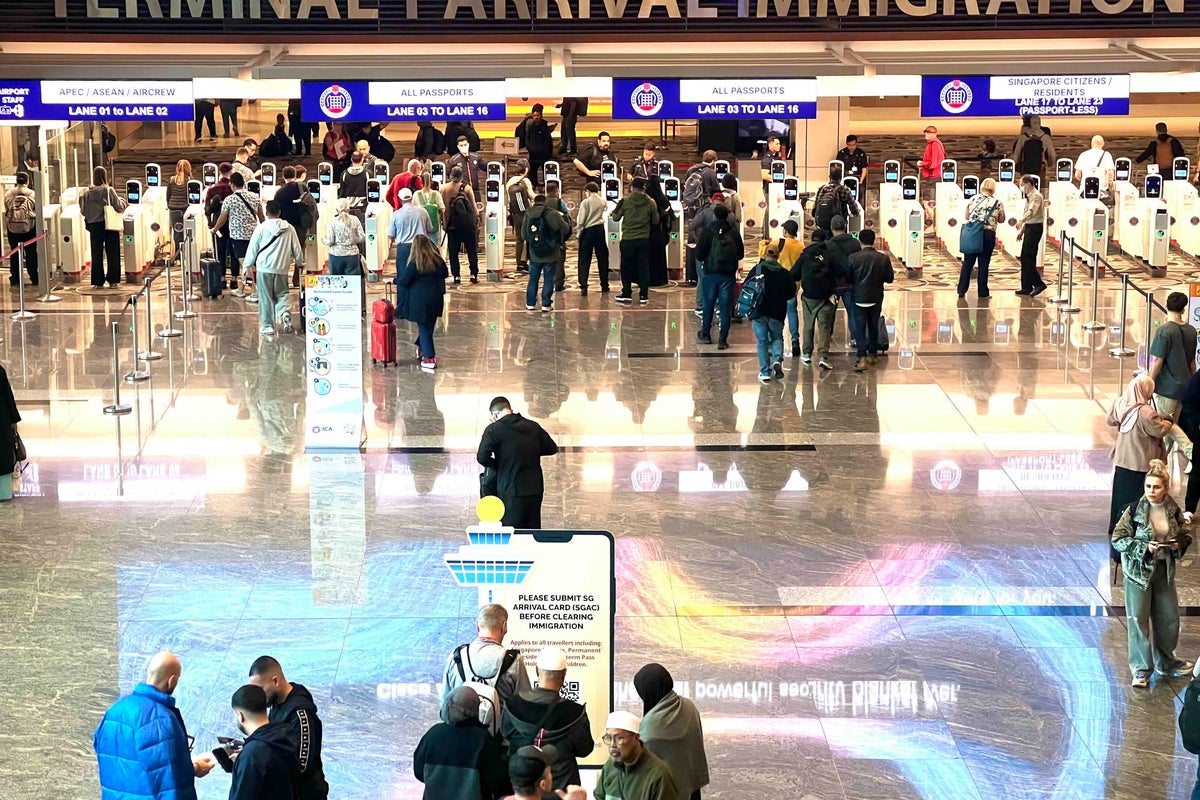
New EU border system triples times to get through passport control for UK
Boss of Rome’s main airport says aspects of the system need to be fixed ‘urgently’
 JaneWalter

Post-Brexit EU border checks have nearly tripled the time it takes for Brits to get through passport control, despite improvements, the boss of Rome’s main airport has said.
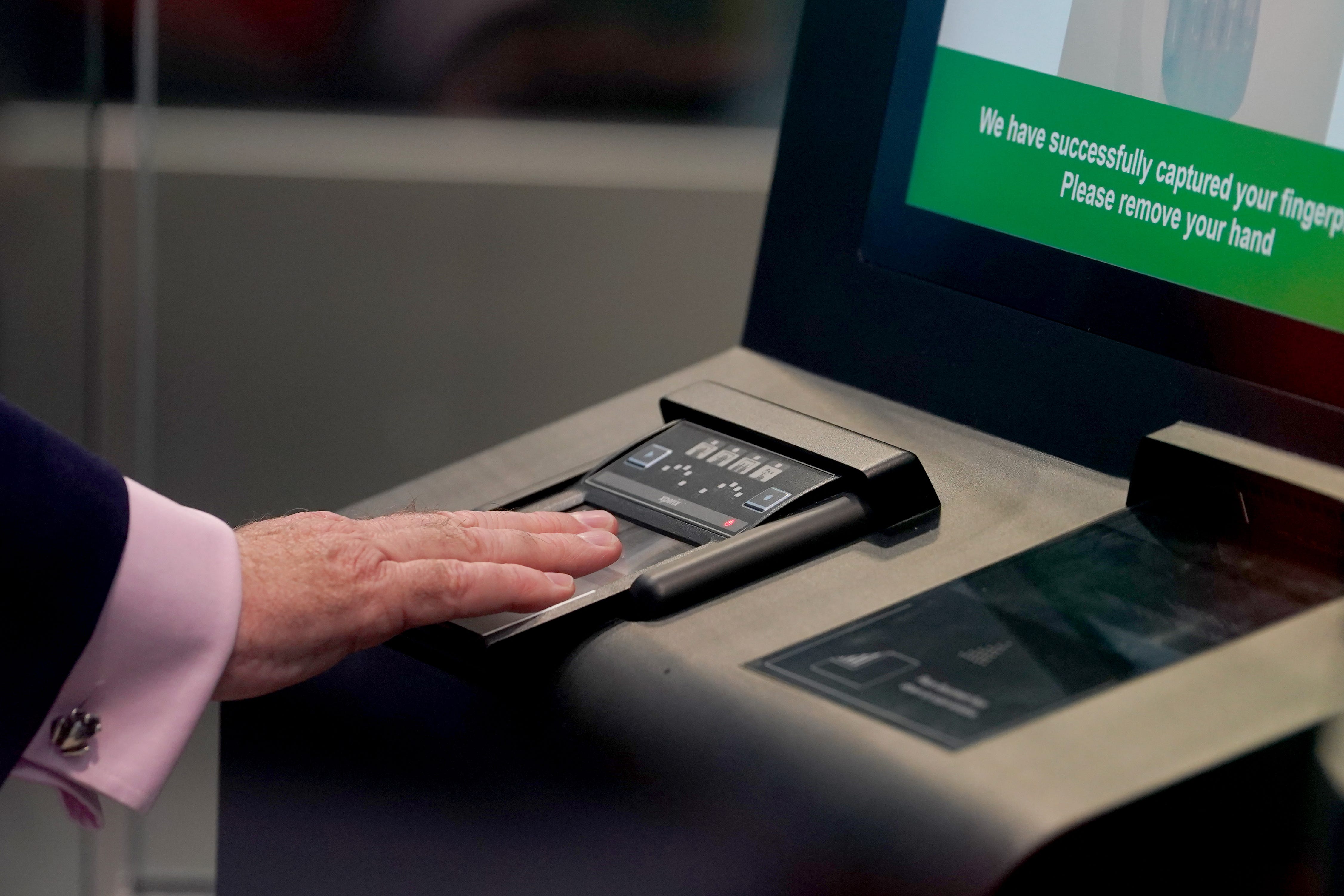
Under the entry-exit system (EES), individuals from “third-national” non-EU countries, such as the UK, must have their fingerprints registered and a photograph taken upon entry to the Schengen area.
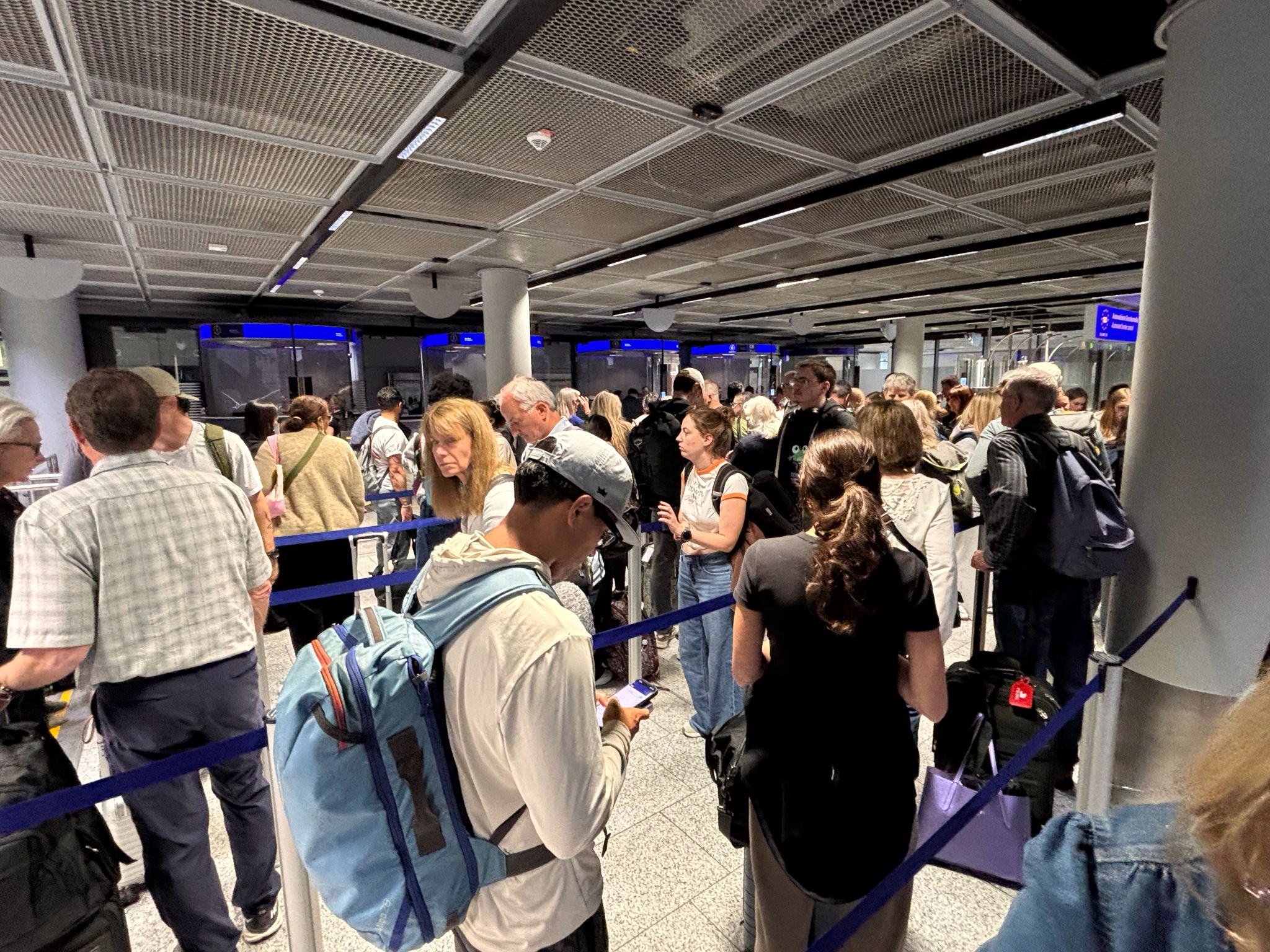
Since the end of the phased rollout in April, airport bosses have complained about the long queues and waiting times caused by the process.
Ivan Bassato, chief aviation officer of Rome's Fiumicino airport, said that the time it takes Brits to get through the borders has risen from seven minutes to 20 minutes.
He told the BBC: “We are not at the point where you have the same quality of the process [as] before the EES.”
This is despite the integration of self-service biometric “kiosks” with e-gates, which he said had “improved things significantly”.
Mr Bassato added the airport prides itself on being being technologically up to date, so it was "absolutely not okay with" waits of one or two hours.
"I think that we need to fix urgently certain aspects of the system."
It comes after Yvonne Moynihan, managing director of Wizz Air UK, warned UK nationals to arrive at European airports three hours before their flight home departs.
The budget airline advised passengers in May to prepare for long waits ahead of the Summer holidays.
"When you land in the destination airport, there might be queues, so you should bring a portable charger or water," Ms Moynihan told the BBC.
While people are normally advised to get to the airport two hours before their flight, “in these circumstances, we are advising three hours”, she said.
While a number of airport bosses have called for the EU to scrap the EES system, France has inversely praised it.
The French Ministry of the Interior told The Independent on Friday that the border control process has “already proven its worth” since its launch on 12 October 2025.
A spokesperson for the Ministry of the Interior said: “Over 110 million entries and exits have been recorded in the system, and over 44,000 entry refusals have been notified, including more than 1,100 concerning individuals posing a threat to internal security.
“These figures demonstrate that EES effectively protects European citizens on a daily basis.”
The spokesperson added that France had not seen “any major congestion” at its transport hubs as a result of the system.