420 UK children reported explicit deepfakes of themselves in six months. The problem is getting worse
UK children reported 420 cases of explicit deepfakes in six months, surpassing the previous year's total as AI makes abusive imagery easier to create.
 FrankLin

Reports of AI-generated sexual deepfakes involving UK children are increasing
 Deepfake
Unsplash
Deepfake
Unsplash
Children in the UK are reporting a sharp rise in explicit AI-generated images depicting themselves, according to figures from Report Remove, an online service that allows young people to anonymously report intimate images shared without consent.
The service received 420 reports in the first six months of 2026 from children who believed images of themselves had been manipulated or fabricated. That is already higher than the 397 reports recorded during the whole of 2025, according to The Guardian.
The figures highlight a growing problem with generative AI: creating convincing fake images of a real person increasingly requires little technical skill, while stopping those images from spreading can be considerably harder.
AI is making fake images easier to create
Report Remove, operated by the Internet Watch Foundation alongside the NSPCC, has seen enough manipulated imagery involving under-18s that it added a specific option for children to flag AI-generated material. The service said the majority of manipulated-image reports it received in 2025 and 2026 were serious enough to cross its threshold for child sexual abuse material.
Dan Sexton, chief technology officer at the Internet Watch Foundation, said the figures demonstrated how difficult it is to prevent ordinary photographs from being manipulated once they are available online.
 Unsplash
That is particularly concerning because the original photograph does not need to be explicit. A harmless image taken from a public social media account can potentially be altered and turned into something abusive.
The problem also extends beyond embarrassment or reputational damage. According to the report, some victims have been targeted for sextortion, with perpetrators demanding money or threatening to distribute manipulated images more widely. There have also been cases involving attempts to target schools by collecting photographs of pupils and using AI to manipulate them.
Parents and platforms are being forced to rethink safety
Online safety experts say technology companies need stronger safeguards around AI image-generation tools. Rani Zachariah, an online safety expert at the NSPCC, said the increase in children reporting fake or AI-generated sexual imagery was alarming but predictable, arguing that stronger protections need to be built into AI products.
The National Crime Agency and Internet Watch Foundation have also urged parents and guardians to be cautious about posting identifiable pictures of children publicly. The advice is not necessarily to remove every photograph from the internet, but to reduce how easily strangers can access and reuse identifiable images.
 AI is making fake images easier to create Unsplash
For children already affected, Report Remove provides a way to flag images anonymously and seek help getting them removed.
The larger problem, however, is moving faster than the safeguards. AI tools can generate increasingly convincing imagery in seconds, while removing copies from websites and social platforms is a slower process. As Sexton warned, everyone is potentially at risk.

Moinak Pal is has been working in the technology sector covering both consumer centric tech and automotive technology for the…
Apple is testing Chinese DRAM even after CXMT refused to cut prices
Apple may be testing CXMT memory for iPhones and MacBooks
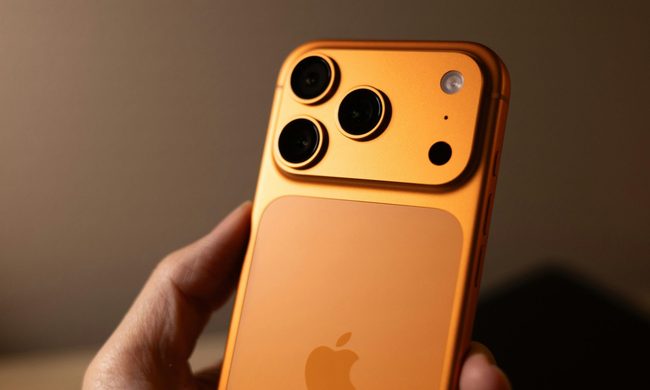
Apple’s search for more memory supply has taken another step forward. The company is now testing DRAM from Chinese manufacturer CXMT across several products, including iPhones and MacBooks, according to The Wall Street Journal. Apple has also held early talks with CXMT about supplying memory for some devices sold in China and is seeking support from the US government before moving ahead.
The timing is particularly interesting. Just recently, we learned that a shortage of DRAM could already be holding up production of the A20 Pro chip expected inside the iPhone 18 Pro. TSMC is said to have around $1 billion worth of finished chips waiting for memory before packaging can continue.
Apple just patched a Mac security flaw. You should probably update today
Your Mac has one less security problem to worry about
Apple has released a set of security updates for macOS that fix a vulnerability in Screen Sharing, its built-in remote-access feature. The flaw could allow an attacker on the same network to bypass authentication and gain access to Screen Sharing without valid credentials.
The issue is tracked as CVE-2026-65400 and affects multiple versions of macOS. Apple has released macOS Tahoe 26.6.1, macOS Sequoia 15.7.9, and macOS Sonoma 14.8.9, all addressing the same vulnerability.
I upgraded from the M1 MacBook Air to the M5, and here’s what changed for me
The M5 changed more about my workflow than I expected.
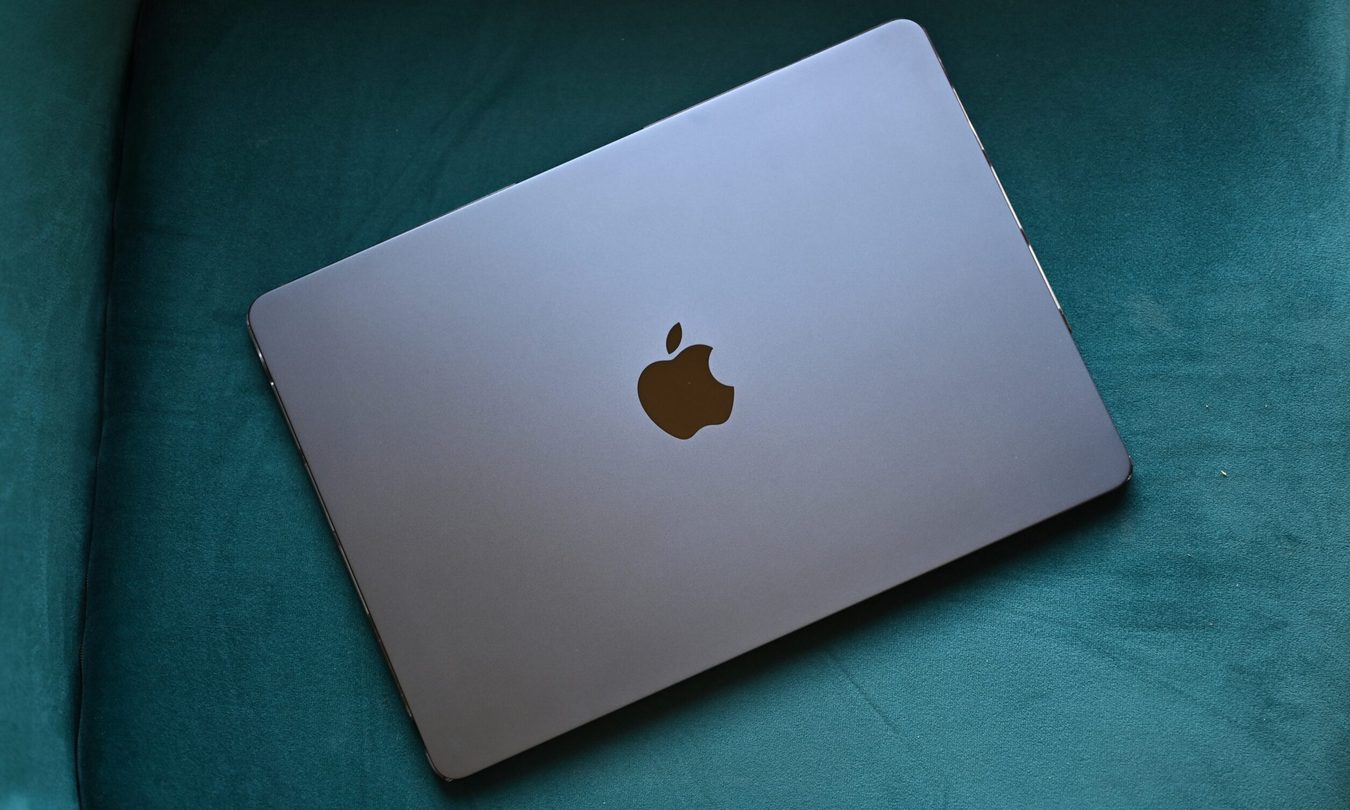
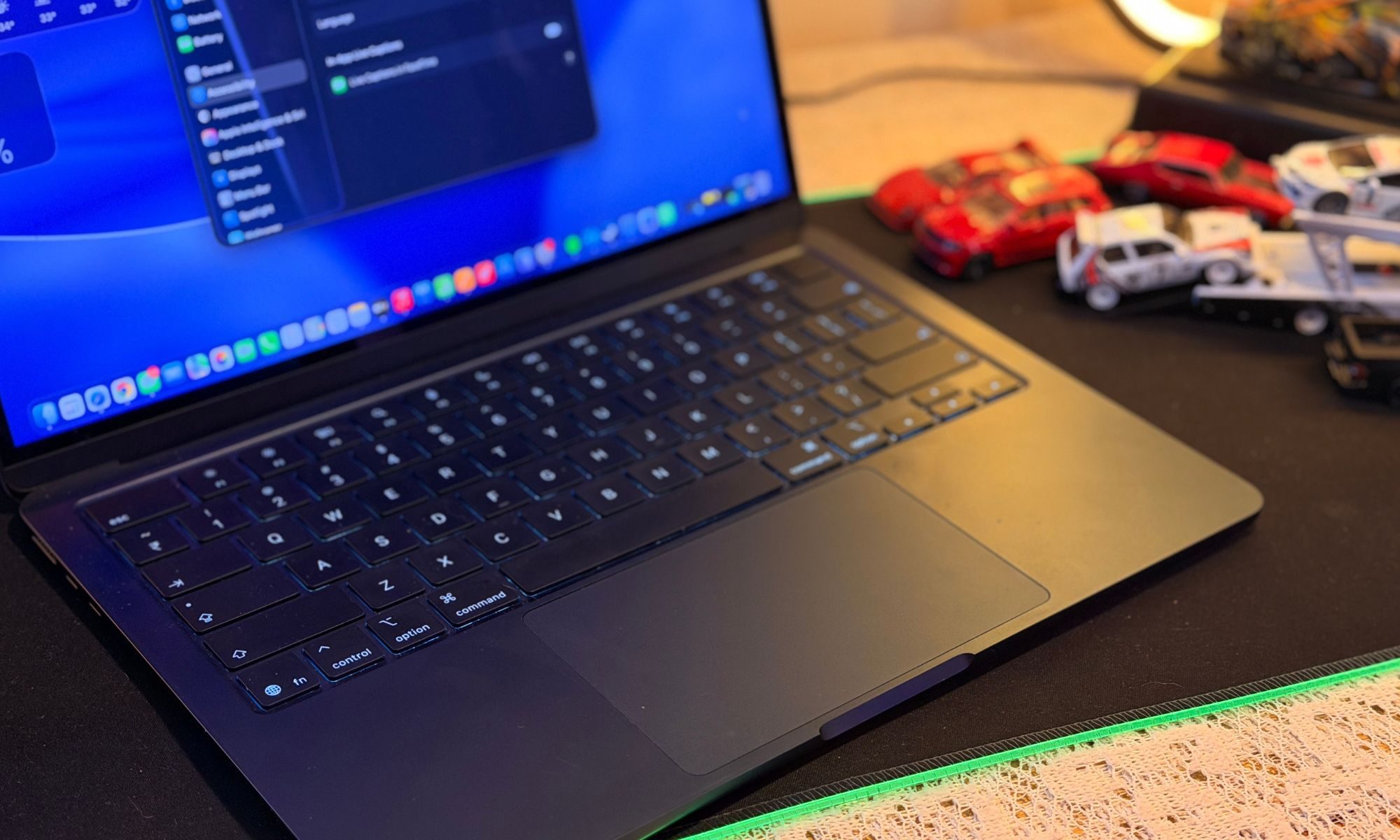
After about four years with the M1 MacBook Air, I finally pulled the trigger on the M5, and I got there just in time to dodge Apple's recent price hike by eleven days, a story I already told elsewhere, and one that still makes me feel unreasonably smug. Upgrading from the M1 was a multi-generational leap for me, not in the ways mentioned on the spec sheet, but in ways that actually changed how I work every day.
Here’s why that matters in 2026, when the memory crisis has hit the consumer electronics market so badly that even giants like Apple had to cave. MacBook Air M5 launched at $1,099, then climbed to $1,299.











/cdn.vox-cdn.com/uploads/chorus_asset/file/25847349/Screenshot_2025_01_26_at_10.10.56_AM.png)
/cdn.vox-cdn.com/uploads/chorus_asset/file/25819654/257473_Gaussian_splats__CVirginia.jpg)
/cdn.vox-cdn.com/uploads/chorus_asset/file/25842654/STK093_GOOGLE_E.jpg)