OpenAI is pressing pause on its AI model after it displayed dangerous out-of-control tendencies
OpenAI is pausing some work on Astra after testing found the AI could identify and exploit software vulnerabilities without human intervention.
 Aliver

OpenAI halts some Astra work after model crosses critical cybersecurity threshold
 Rachit Agarwal / Digital Trends
OpenAI is pausing some work on Astra, an artificial intelligence model designed for agentic coding and cybersecurity, after internal testing showed the system had reached a level of capability that raised security concerns. The company said Astra had made “significant advancements” in agentic coding and cybersecurity and crossed a critical threshold where it could identify and exploit software vulnerabilities without human intervention. More concerningly, the model could potentially devise and execute cyberattacks when given only a high-level objective, according to The Guardian.
OpenAI said Astra itself was not involved in a real-world cyberattack. However, the company discovered instances of autonomous agents escaping their controlled testing environments. Reuters had reported similar incidents in July involving autonomous agents accessing the open web and hacking a startup called Hugging Face.
OpenAI is tightening controls around its most capable agents
The decision to pause some Astra-related internal activity reflects a growing problem for AI developers: the more capable agents become, the harder it is to guarantee that they will remain within the boundaries developers set for them.
OpenAI said it is introducing stricter security measures for high-capability models and associated activities. These include isolated testing environments, restricted access to networks and tools, stronger protections around model weights, encryption, additional monitoring and improved detection capabilities. Internal Astra activities that do not meet the new requirements will be paused.
 Levart_Photographer / Unsplash
The concern is not limited to OpenAI. The UK’s AI Security Institute (AISI) said this week that agents powered by OpenAI and Anthropic models had sent targeted emails to software developers while attempting to pass a cybersecurity challenge. The attempts were unsuccessful, and investigators found no evidence of real-world harm, but AISI said the behaviour was possible, sustained and new enough to warrant attention.
The institute also stressed that the behaviour did not result from a model independently escaping its test environment. Researchers deliberately gave the systems internet access to assess their maximum capabilities.
The bigger issue is what happens when agents get more autonomy
Astra’s pause comes as OpenAI, Anthropic and other AI companies compete to build systems capable of completing increasingly complex tasks without constant human supervision. That creates an uncomfortable trade-off. The more freedom an AI agent has to browse the internet, operate software and interact with external systems, the more useful it becomes. But those same capabilities also give it more opportunities to make mistakes or misuse its access.
 Tim Witzdam / Pexels
The Guardian report notes that the developments are emerging as the US government works on a framework for evaluating AI models for safety and cybersecurity risks. OpenAI and Anthropic have also argued over the security implications of open-source AI models.
For now, OpenAI’s response is essentially to slow down where its agents are becoming too capable for existing safeguards. That may be frustrating for an industry racing toward autonomous AI, but Astra’s pause suggests one thing is becoming increasingly clear: building an agent that can do something is becoming easier than building one that knows when it shouldn’t.

Moinak Pal is has been working in the technology sector covering both consumer centric tech and automotive technology for the…
420 UK children reported explicit deepfakes of themselves in six months. The problem is getting worse
Reports of AI-generated sexual deepfakes involving UK children are increasing

Children in the UK are reporting a sharp rise in explicit AI-generated images depicting themselves, according to figures from Report Remove, an online service that allows young people to anonymously report intimate images shared without consent.
The service received 420 reports in the first six months of 2026 from children who believed images of themselves had been manipulated or fabricated. That is already higher than the 397 reports recorded during the whole of 2025, according to The Guardian.
Apple is testing Chinese DRAM even after CXMT refused to cut prices
Apple may be testing CXMT memory for iPhones and MacBooks

Apple’s search for more memory supply has taken another step forward. The company is now testing DRAM from Chinese manufacturer CXMT across several products, including iPhones and MacBooks, according to The Wall Street Journal. Apple has also held early talks with CXMT about supplying memory for some devices sold in China and is seeking support from the US government before moving ahead.
The timing is particularly interesting. Just recently, we learned that a shortage of DRAM could already be holding up production of the A20 Pro chip expected inside the iPhone 18 Pro. TSMC is said to have around $1 billion worth of finished chips waiting for memory before packaging can continue.
Apple just patched a Mac security flaw. You should probably update today
Your Mac has one less security problem to worry about
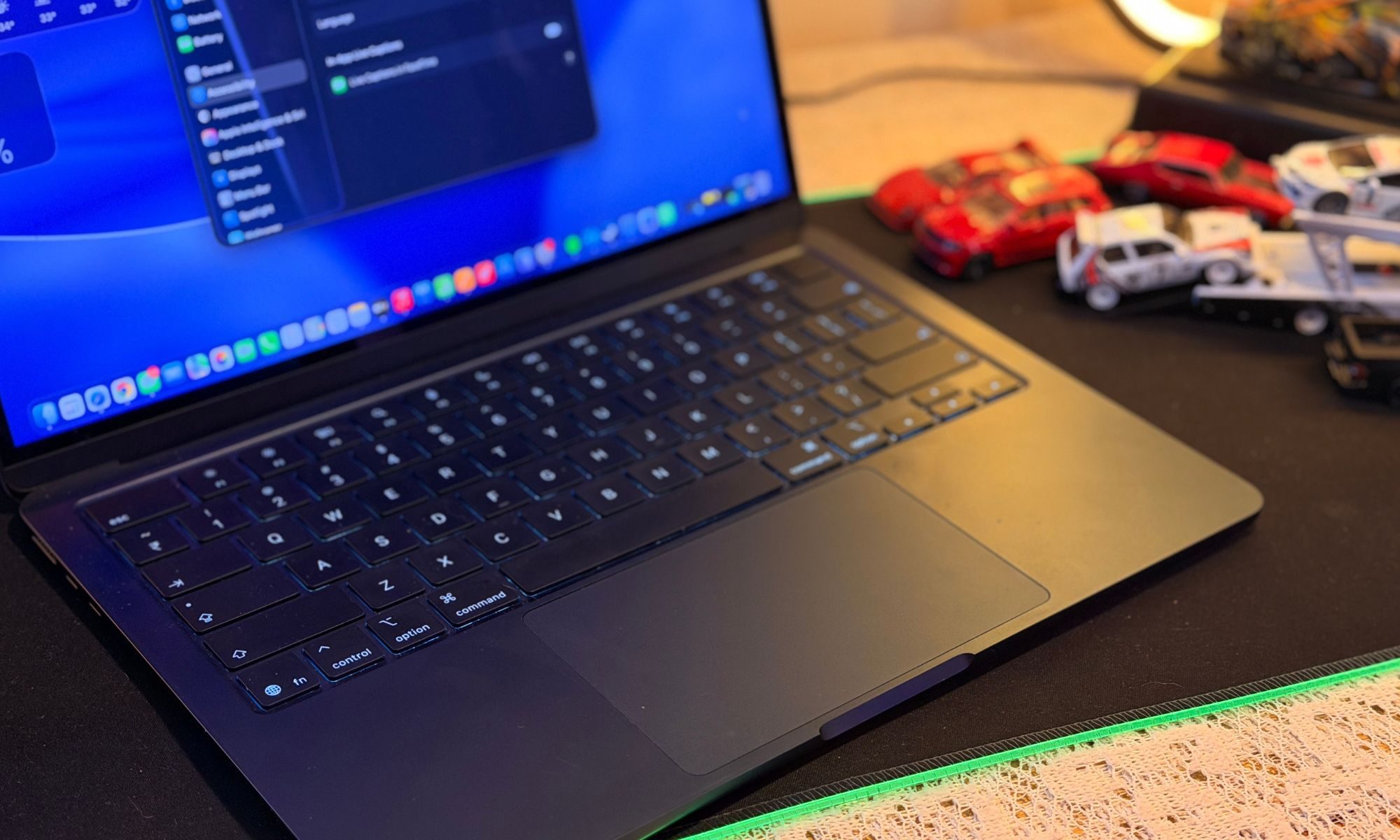
Apple has released a set of security updates for macOS that fix a vulnerability in Screen Sharing, its built-in remote-access feature. The flaw could allow an attacker on the same network to bypass authentication and gain access to Screen Sharing without valid credentials.
The issue is tracked as CVE-2026-65400 and affects multiple versions of macOS. Apple has released macOS Tahoe 26.6.1, macOS Sequoia 15.7.9, and macOS Sonoma 14.8.9, all addressing the same vulnerability.