Researchers have built a tool that can identify the AI used to make a fake video
UC Riverside researchers built SAGA, a tool that traces AI-generated fake videos back to the exact system that created them, using subtle visual patterns as digital fingerprints.
 ValVades
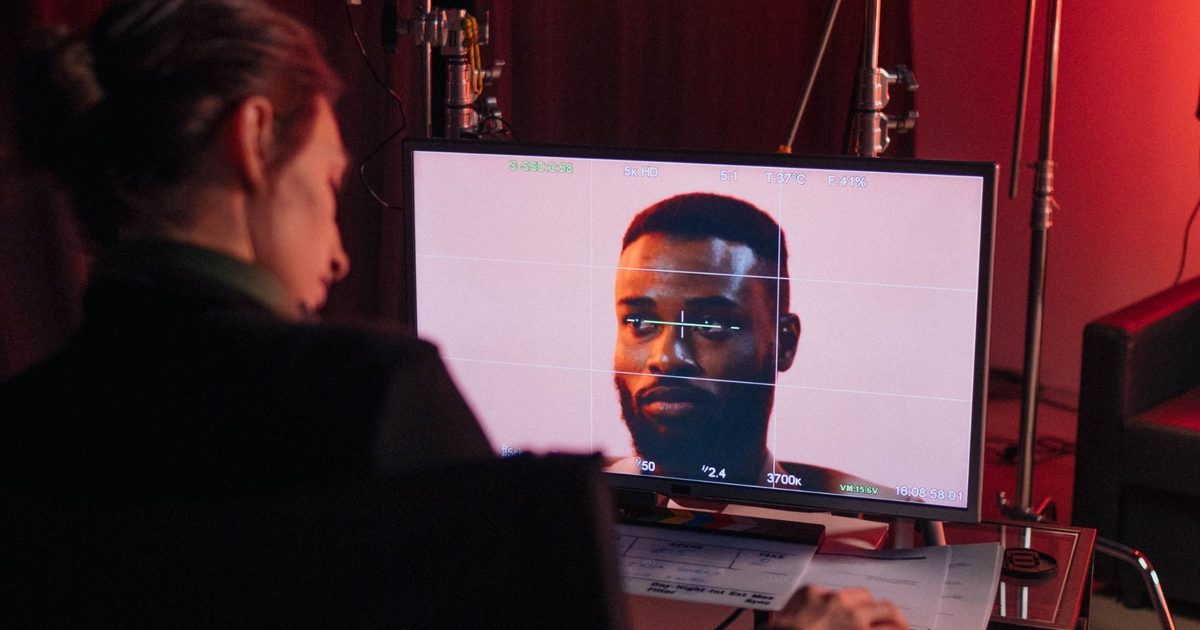
AI-generated videos have gotten so realistic that spotting a fake is difficult enough on its own. Figuring out which AI model actually created it is even harder. That’s exactly why researchers at UC Riverside built a tool that can do both. It’s called SAGA, and it can trace a fake video back to the specific AI model that generated it.
The project was led by UC Riverside doctoral researcher Rohit Kundu and electrical and computer engineering professor Amit K. Roy-Chowdhury, in collaboration with researchers from YouTube and Google DeepMind.
How does SAGA figure out where a fake video came from?
 Bing Image Generator
SAGA (Source Attribution of Generative AI Videos) looks for subtle visual patterns left behind unintentionally by AI video generators. The tool compares these patterns to fingerprints and distinct traces that differ from one AI system to another.
Unlike still images, videos carry motion and timing information, meaning visual elements shift from frame to frame. Different AI generators produce their own subtle quirks in those shifts. SAGA studies both individual frames and how visuals evolve across an entire sequence, using a technique called Temporal Attention Signatures to build a distinct profile for each AI system based on patterns averaged across many of its videos.
The team tested SAGA against 19 different AI video generators, covering both text-to-video and image-to-video systems. It can confirm whether a video is real or fake, identify whether it originated from text or an image, and even point to the specific development team behind it.

How can this tool help?
As AI-generated videos become more realistic, simply labeling content as fake is no longer enough. Knowing its source could help investigators trace misinformation campaigns, assist regulators with transparency rules, and give technology companies better insight into how fake content spreads online.
The researchers acknowledge that identifying AI-generated content will remain a constant race between creators and detectors. Still, they believe tools like SAGA can make it much harder for malicious actors to hide the origins of fake videos as generative AI continues to evolve.








/cdn.vox-cdn.com/uploads/chorus_asset/file/25832324/Acura_RSX_Prototype_Camo_2a.jpg)


/cdn.vox-cdn.com/uploads/chorus_asset/file/25825427/2192342441.jpg)






![How Are Enterprise SEO Pros Measuring AI Overviews & LLMs? [Webinar] via @sejournal, @lorenbaker](https://cdn.searchenginejournal.com/wp-content/uploads/2026/09/ai-search-measurement-webinar-stat.png)