The Arkansas spa town where America’s most dangerous mobsters came to relax
Following in the footsteps of notorious gangsters like Al Capone, Charles ‘Lucky’ Luciano and Bugsy Siegel, Annabel Grossman travels to the Ouachita Mountains to explore a world of gambling, bootlegging and vice in Hot Springs
 ValVades
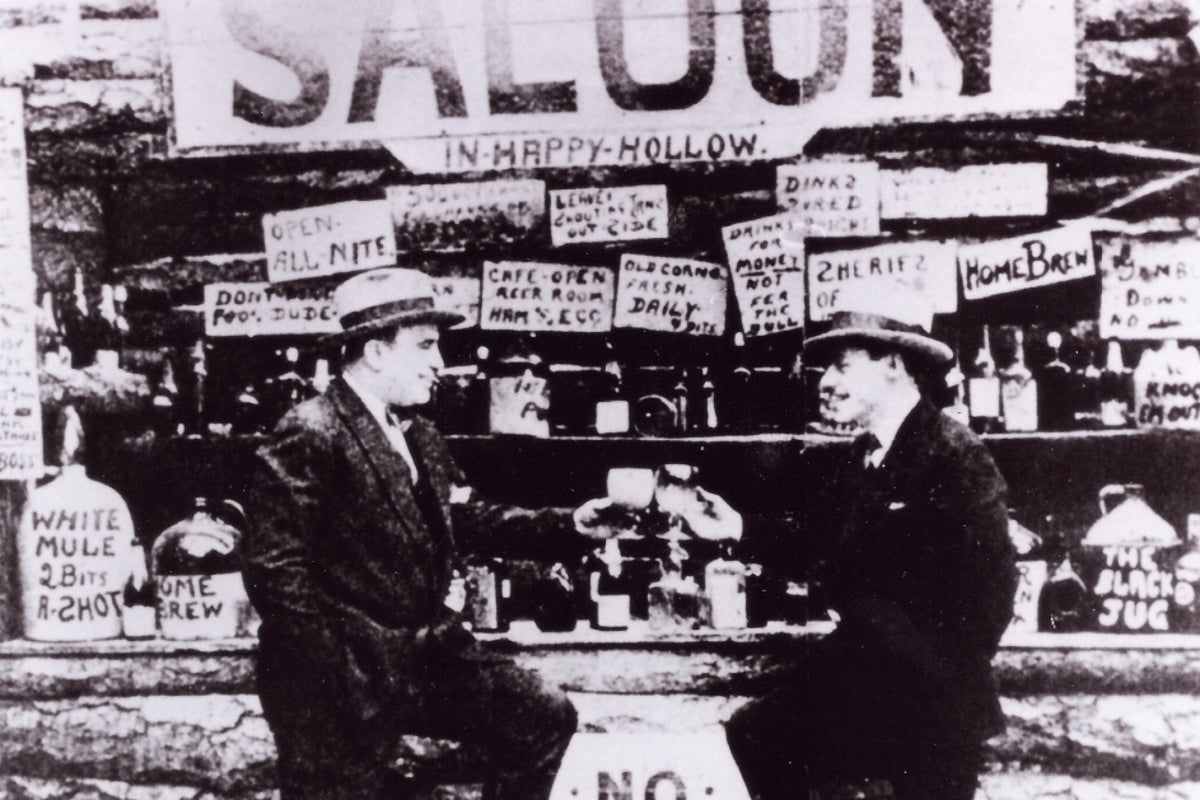
Welcome to the “Sin City of the Bible Belt”. The loose buckle, if you will. A sanctuary for outlaws and gangsters; where the likes of Al Capone, Frank Costello and Charles “Lucky” Luciano came to relax, soak in the thermal baths, maybe gamble a little – and then get back to running the criminal underworld of the United States. It’s where Bonnie and Clyde came to nurse their wounds in the medicinal waters and Bugsy Siegel had a flutter on the horses.
From the early 1930s until the 1960s, the little town of Hot Springs in Arkansas made a name for itself as the vacation destination of choice for some of the most notorious American criminals of all time. It was described as a “Vegas before Vegas”; a place where illegal gambling and illicit booze ran through the veins of Central Avenue and out into the neighbourhoods.
When Las Vegas was still just a few dusty roadside hotels in the Nevada desert, Hot Springs boasted casinos with shiny roulette wheels, flashy slot machines and sleek green felts manned by glamorous croupiers.
Read more: I travelled to Kentucky’s Trump towns – here’s why you should too
Key to Hot Springs’ emergence as a much-loved tourist destination (and the reason visitors still flock to the town now) were its mineral-rich thermal waters, which have been flowing for 4,000 years, emerging from the ground at a temperature of 143F (62C). These waters were revered long before the Spanish and French colonial powers claimed the region in the middle of the 16th century, as Native American tribes are believed to have used the springs.
So effective were the healing properties thought to be that from 1886 into the 1940s, Hot Springs became a training base for Major League Baseball, with stars including Babe Ruth and Jackie Robinson soaking in the thermal waters and building their fitness with hikes in the Ouachita mountains.
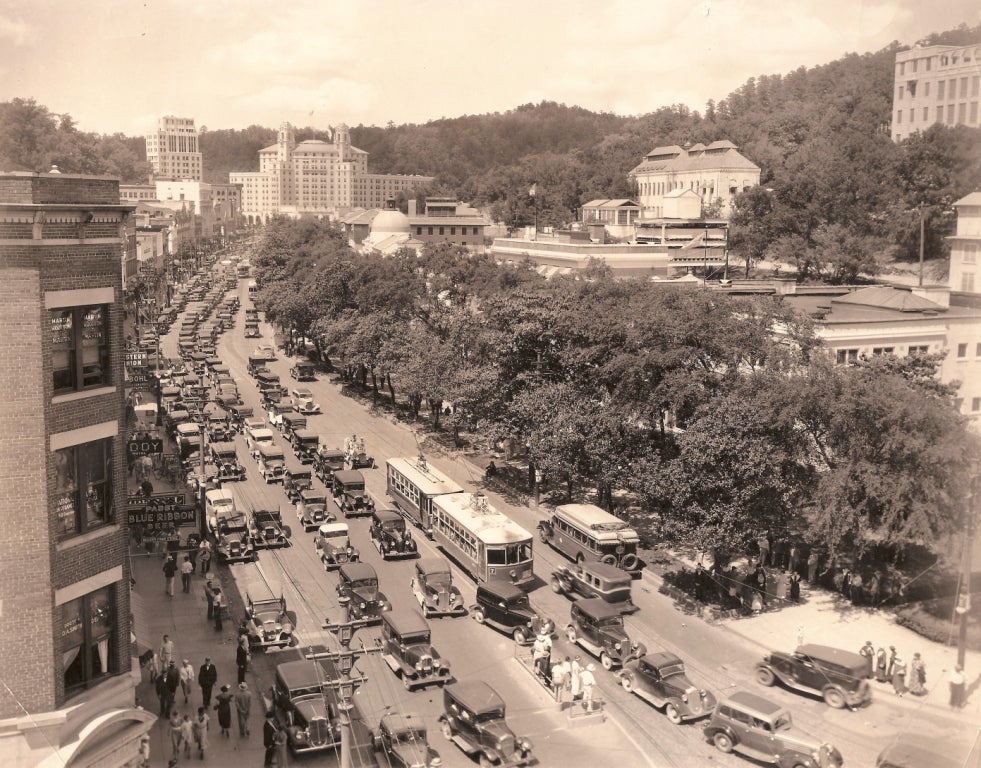
While America’s wealthy criminals came to Hot Springs to relax in the bathhouses (Capone is believed to have visited in search of a cure for venereal disease, having famously suffered with syphilis), part of the appeal of the town was the absence of the strict “moral codes” that were characteristic across Arkansas and the surrounding Southern states of Texas, Mississippi, Tennessee and Louisiana. In Hot Springs, you could drink hard liquor, gamble in casinos, put a bet on the horses and visit a brothel, while law enforcement turned a blind eye.
.png)
Corruption was rife. The police, sheriff’s office and local government were not only fully aware of the vice that surged through Hot Springs, but they all played their part in a carefully engineered system that allowed them to profit from the lucrative businesses of illegal liquor, gambling and prostitution.
So long as the violence stayed out of town – which for the most part it did – the authorities were quite happy for notorious criminals like Frank Nash and Harvey Bailey to rob banks across the country and then come spend their spoils in the casinos of Hot Springs.
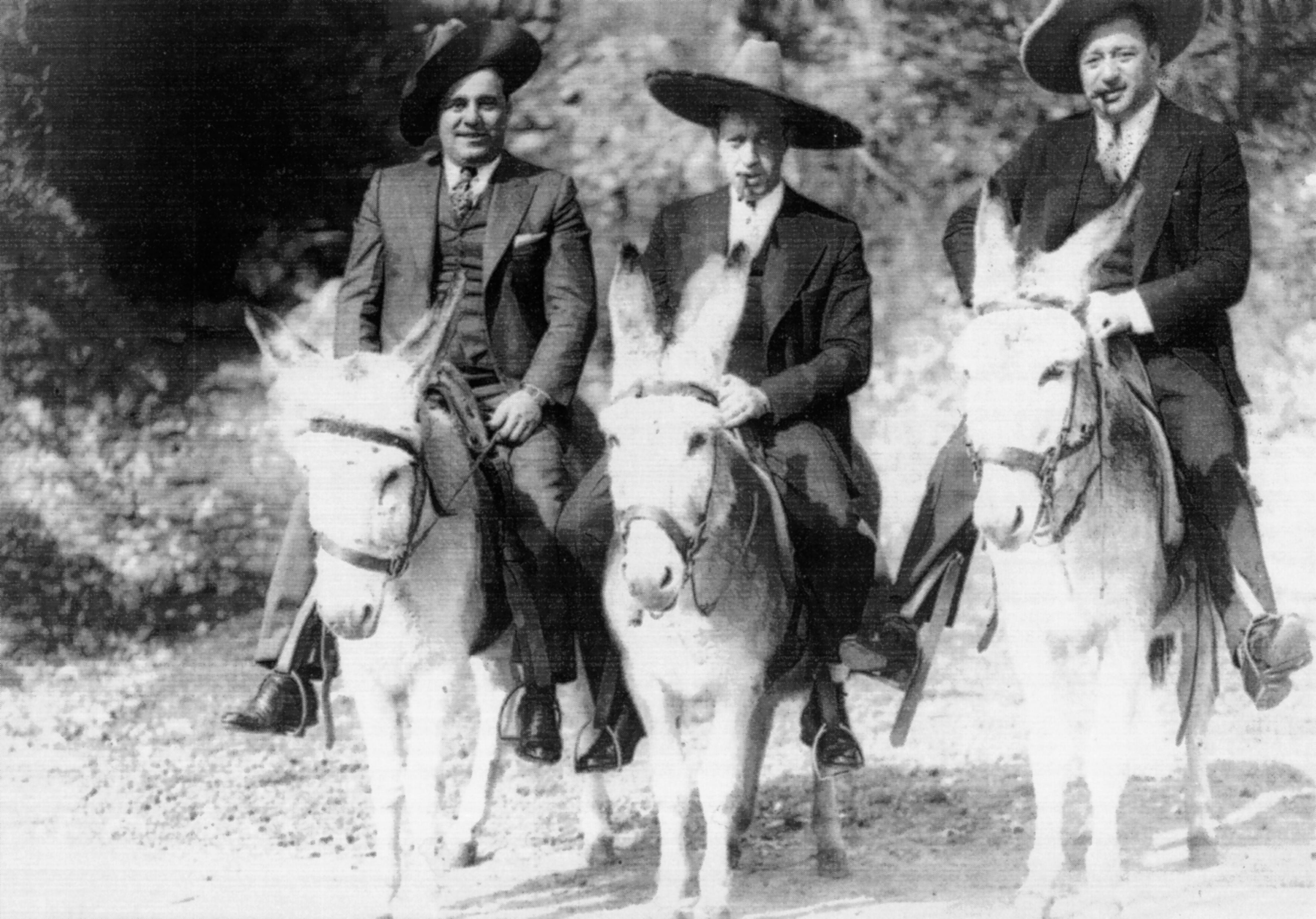
Generally, gangsters co-existed peacefully when visiting Hot Springs; they were on vacation after all. The only one to make Hot Springs his home was a certain Owen “Owney” Vincent Madden, who was born in Leeds in the UK and was known about town for his distinctive British accent. He grew up in Harlem, where he became a notorious gangster (his one time lover, actress Mae West, described Owney as “sweet but oh so vicious”). He played an integral role in the growth of the town as a gambling mecca, and to this day “Owney” Madden is a fixture in American mob lore.
Read more: Mitchelville could be the most important place you visit in the USA
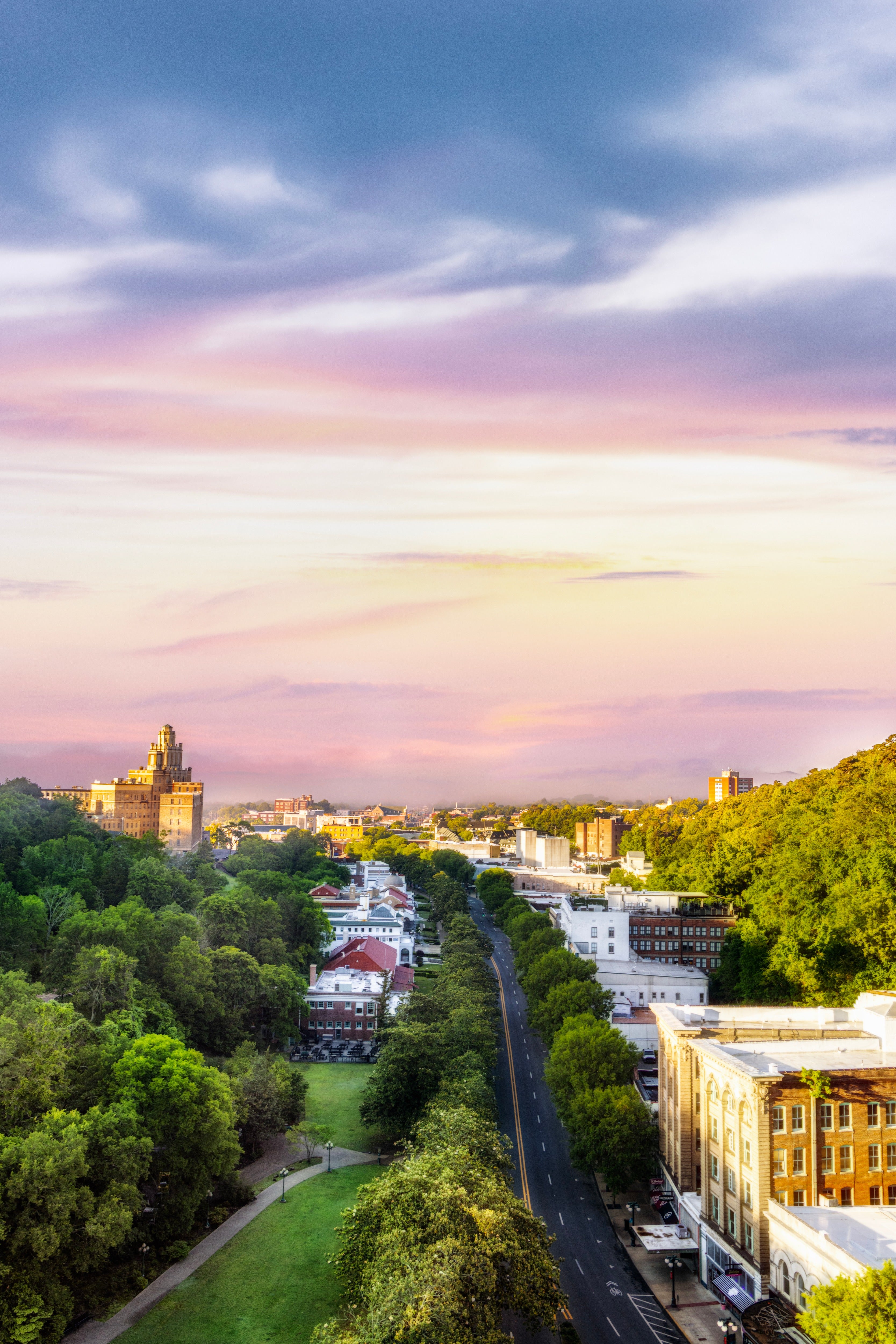
The grand Arlington Hotel was the accommodation of choice for the most famous (and most successful) gangsters and bootleggers; Al Capone was known to always stay in Room 443, and often would book out the entire fourth floor. The Arlington still stands on the corner of Central Avenue, welcoming guests into its expensive lobby with a sweeping staircase, majestic chandeliers and grand columns.
There are still plenty of ways to indulge your sinful side in Hot Springs. Just like the Prohibition-era gangsters, tourists today are drawn to Hot Springs by the opportunity to dabble in a little gambling and relax with a few drinks.
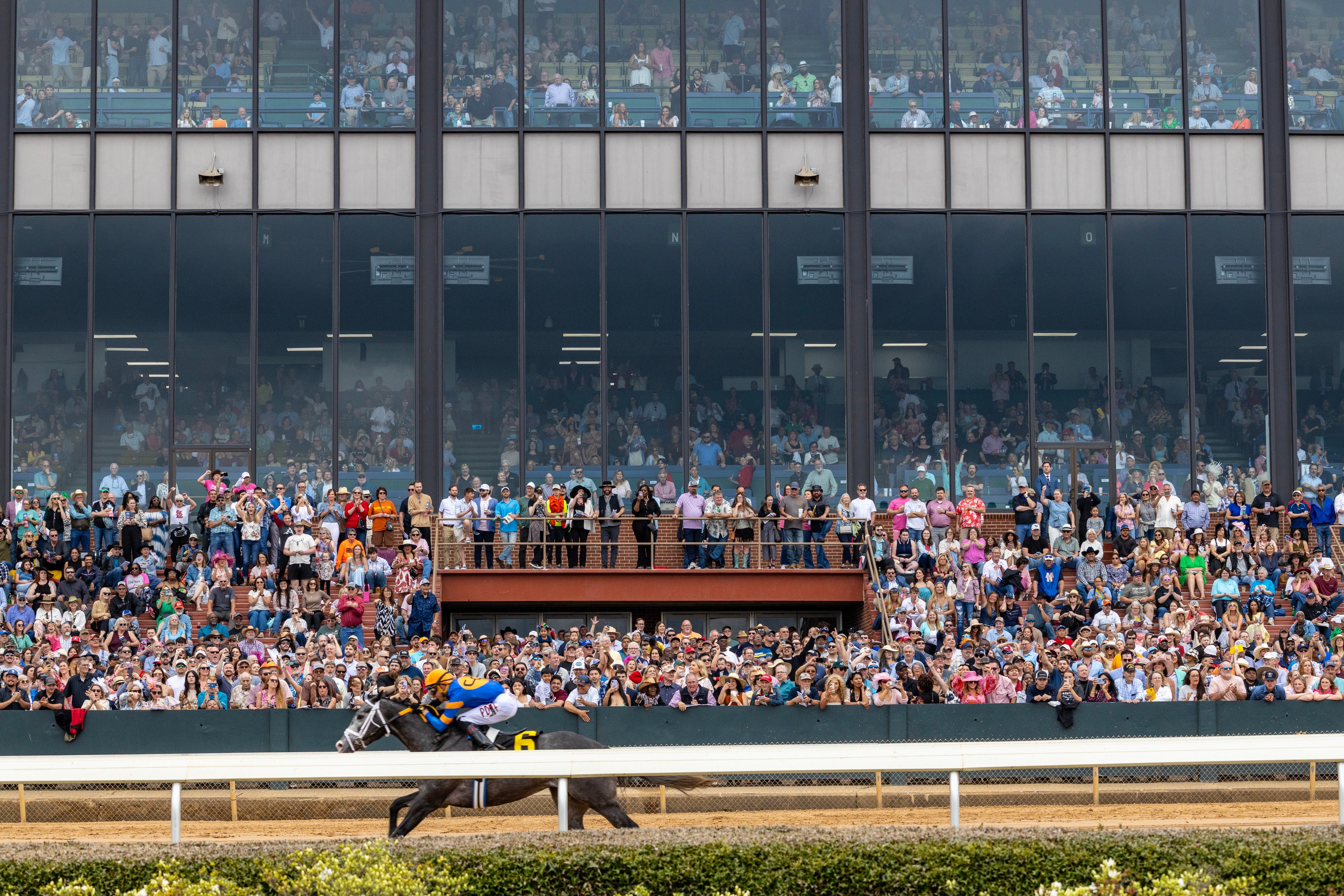
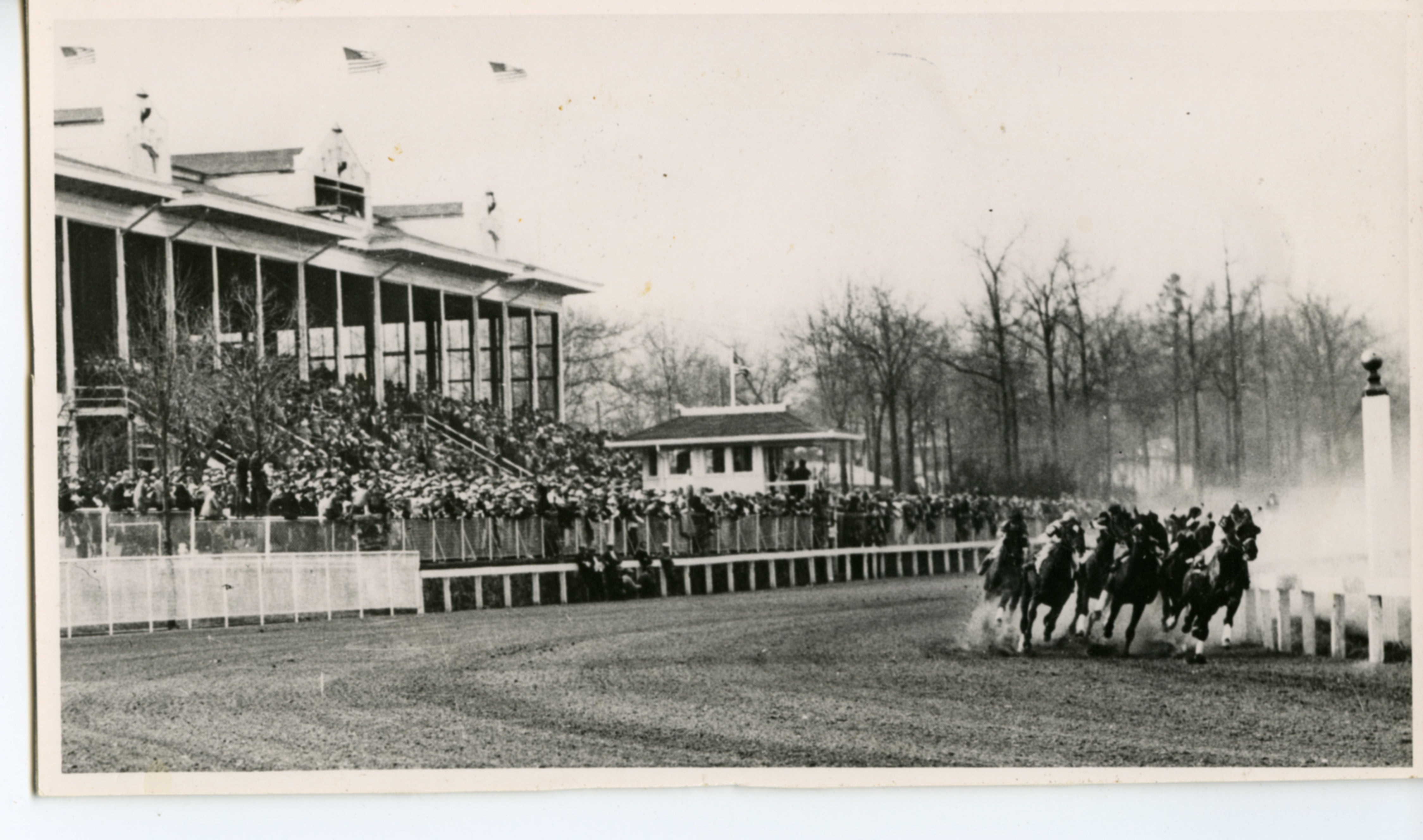
The Oaklawn race track – which has been hosting races since the start of the 20th century (although occasionally shut down by the authorities) – now has a sprawling casino, fine-dining restaurants and a sleek hotel. And just as the bootleggers of the Prohibition era liked to relax in the thermal waters, visitors now flock to the bathhouses that line Central Avenue to enjoy the soothing springs.
While the likes of popular mobster haunts like The Belvedere, the Southern Club and The Vapors are long-gone, the Ohio Club still stands in its original spot on Central Avenue where it’s been welcoming revellers since 1905. It’s a lively joint where you can grab a drink and some all-American grub, while admiring a vintage roulette wheel from the days of illegal gambling. (In the ladies toilet you’ll also find a framed licence for prostitution from 1899).
This region also boasts plenty of natural beauty; Hot Springs was declared America’s first federal reservation by President Andrew Jackson in 1832 (locals will proudly point out that it predated Yellowstone and many insist it was America’s first national park). It’s a short hike up forested trails beyond the bathhouses to enjoy a stunning view of the town from the Mountain Tower, while Lake Hamilton is a short drive out of town, and if you venture a little further you’ll find yourself deep in the beautiful Ouachita mountains.
Read more: How Scottsboro is refusing to forget its civil rights story
Although it’s not open to the public, at 1101 Park Avenue in Hot Springs stands the boyhood home of Bill Clinton where he lived from 1954-1961. The 42nd president of the United States spent many of his formative years in the town and he attended Hot Springs High School, graduating in 1964.
Back downtown, it’s worth stopping for a pint at Superior, which is the only brewery in a US national park (and the only one in the world to brew with thermal springs water), or grabbing breakfast at the Pancake Shop, where the line is often snaking out the door. Then you may want to browse Black Ribbon books, or pay a visit to the Mobster Museum to fully immerse yourself in gangster history and mob lore.
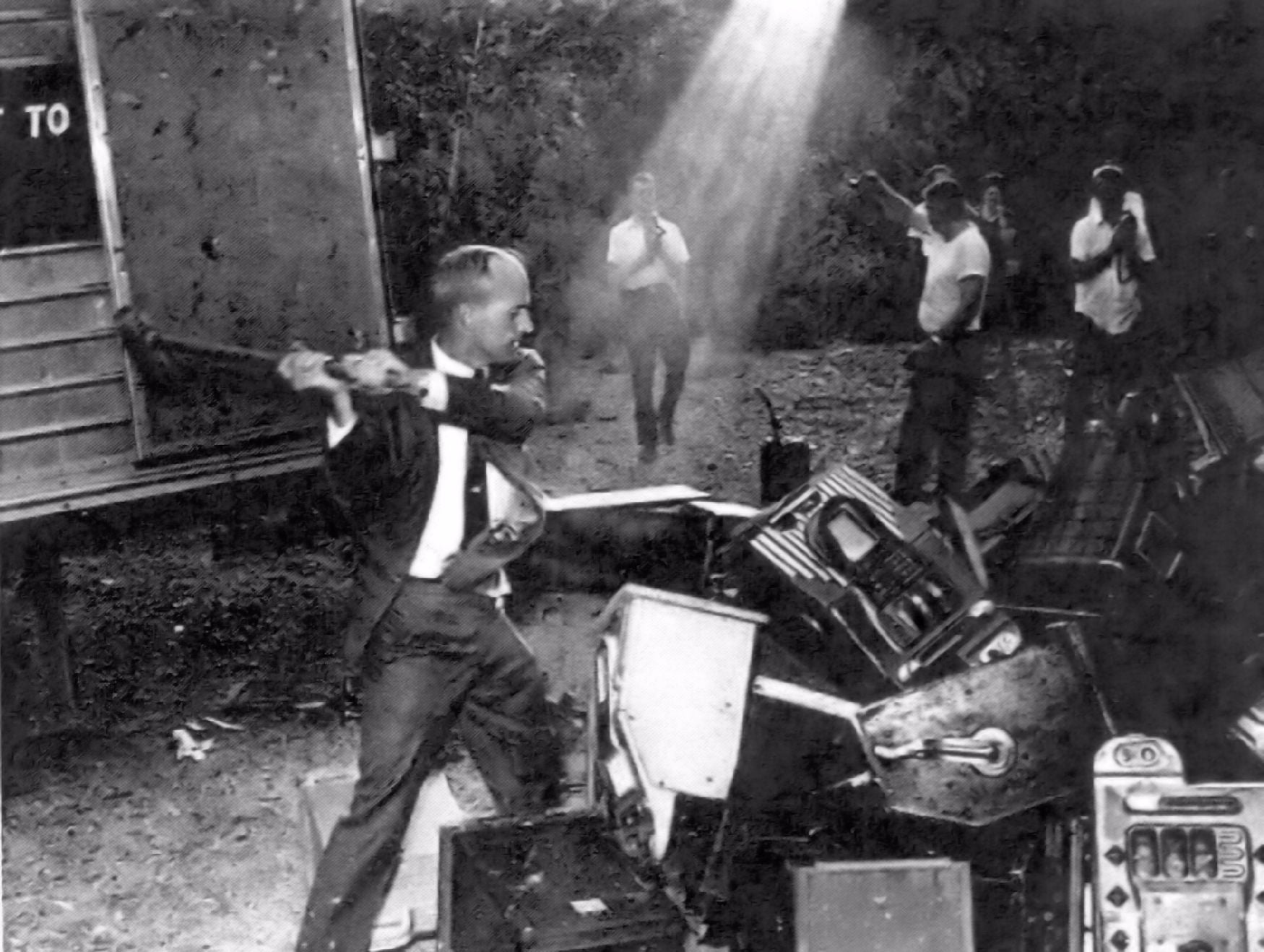
Unsurprisingly, Hot Springs was a thorn in the side of J Edgar Hoover and the FBI, but it wasn’t until Winthrop Rockefeller became governor in the 1960s that illegal gambling came to an end. Following through on a campaign promise, Rockefeller ordered a series of raids by state police in which many casinos were pushed underground or out of business. In dramatic scenes, slot machines were smashed with hammers and dice tables dragged into the street and burned. By the end of 1967, the Sin City era appeared to be well and truly over.
Yet now, nearly six decades later, although the gangsters are gone, the lights once again shine bright at the Oaklawn casino; roulette wheels are spinning, cards are being dealt, and horses are racing. Not only does Hot Springs retain its reputation as a place for rest and relaxation, but it stands testament to a fascinating, complex, contradictory – and sometimes deeply dark – side to the history of the American South.
How to get there
Airlines including British Airways partnered with American Airlines, and Virgin Atlantic partnered with Delta, fly to the US hubs of Atlanta and Chicago O'Hare, from where you can get a connecting flight to Little Rock. Expect a flight time of 14 to 16 hours including layover. From Little Rock it takes a little over an hour to drive to Hot Springs.
Read more: Why you should visit the southern states