The charming Peak District valley with a defiant history
In search of a getaway closer to home, Jake Hall explores the unchanged landscape of the Hope Valley
 Fransebas
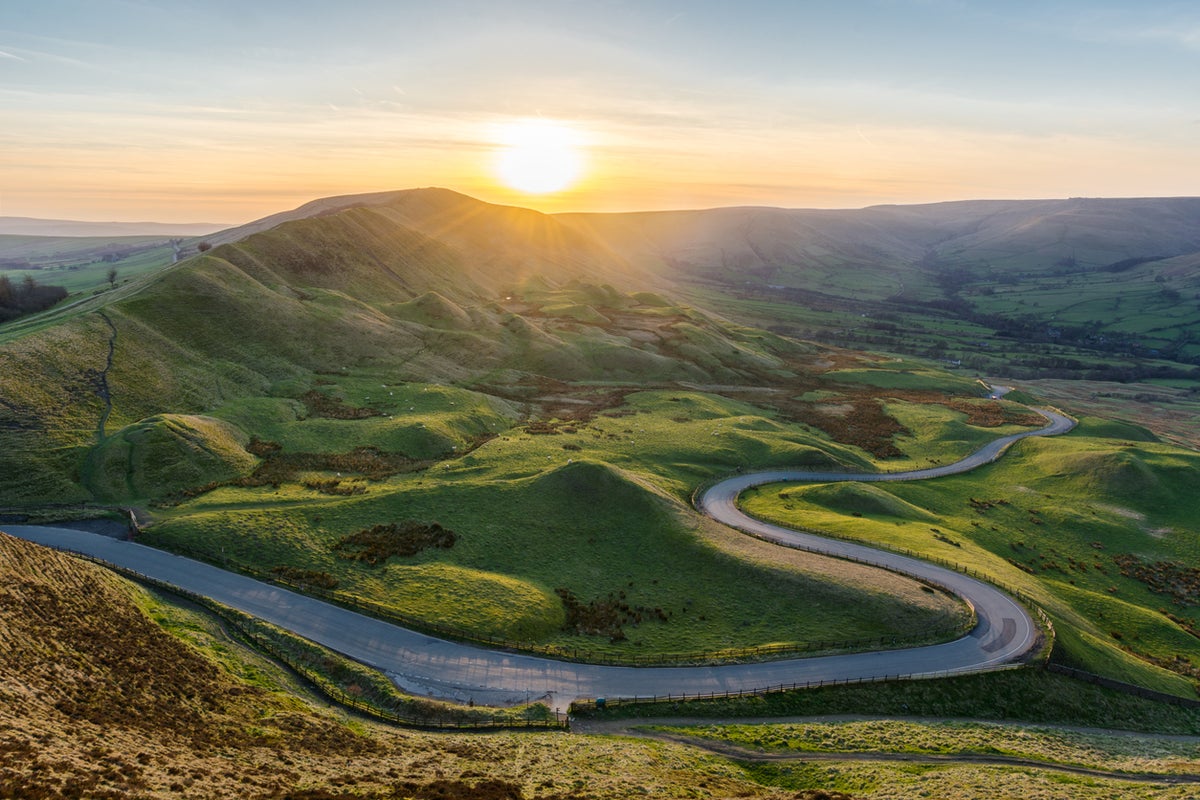
As my friend and I pause to reload our map of the Peak District and get our bearings, we meet the gaze of a seasoned hiker, his face lathered with suncream and his head covered by a sensible sunhat. He can see that we’re amateurs, and he’s keen to lend a hand. Within 15 minutes, the 91-year-old stranger named Brian has found us a scenic route through the ancient woodlands of Padley Gorge, and shared tales of a childhood spent surrounded by this nature. The landscape has barely changed over the last century, he says, and it’s all the more beautiful as a result.
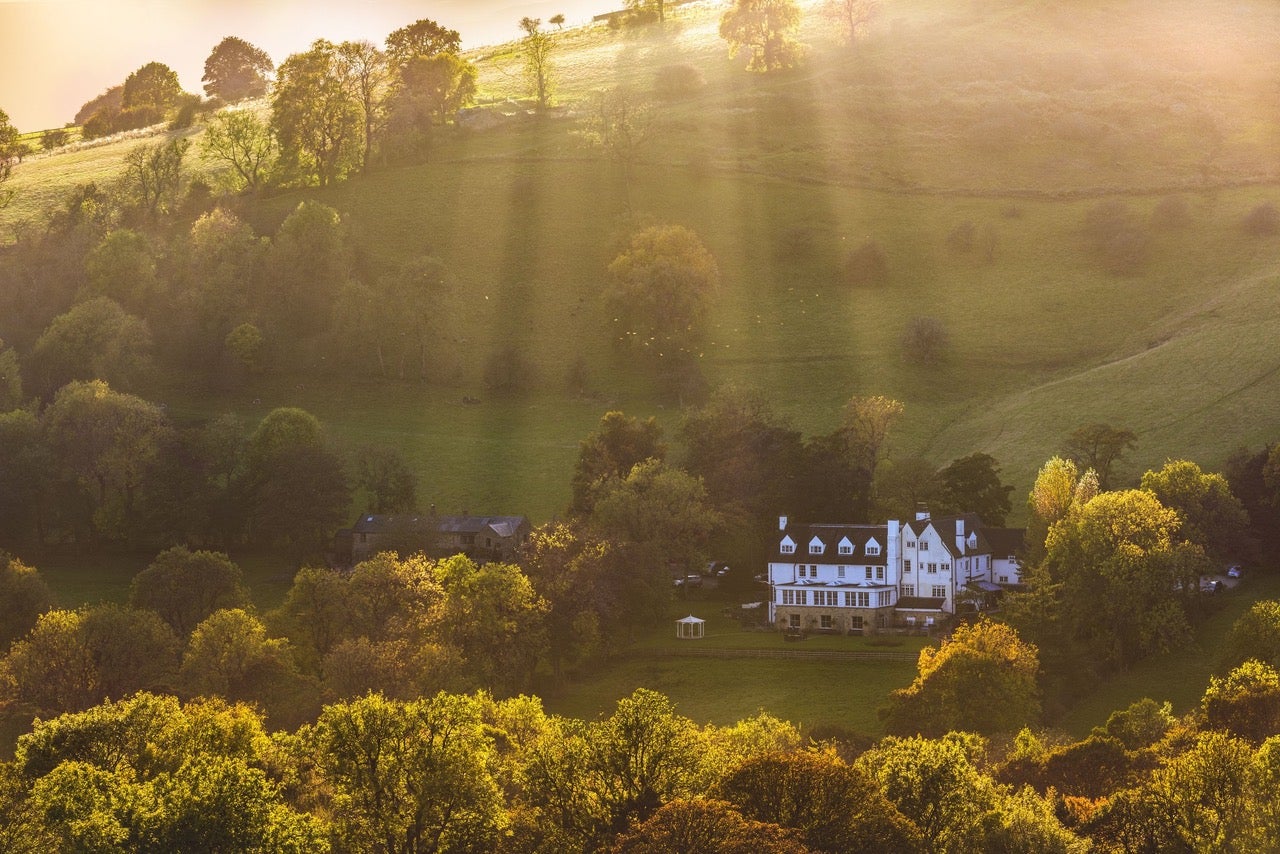
It’s the tail end of my long weekend in the Peaks. I spent Sunday night at the gorgeous Losehill House, a hotel and spa nestled in the picturesque Hope Valley. Before dinner that evening – a three-course, Michelin-worthy feast – co-owner Paul Roden, who runs the hotel with his wife, Kathryn, explained the historical significance of the building.
Read more: The six best campsites in the Lake District
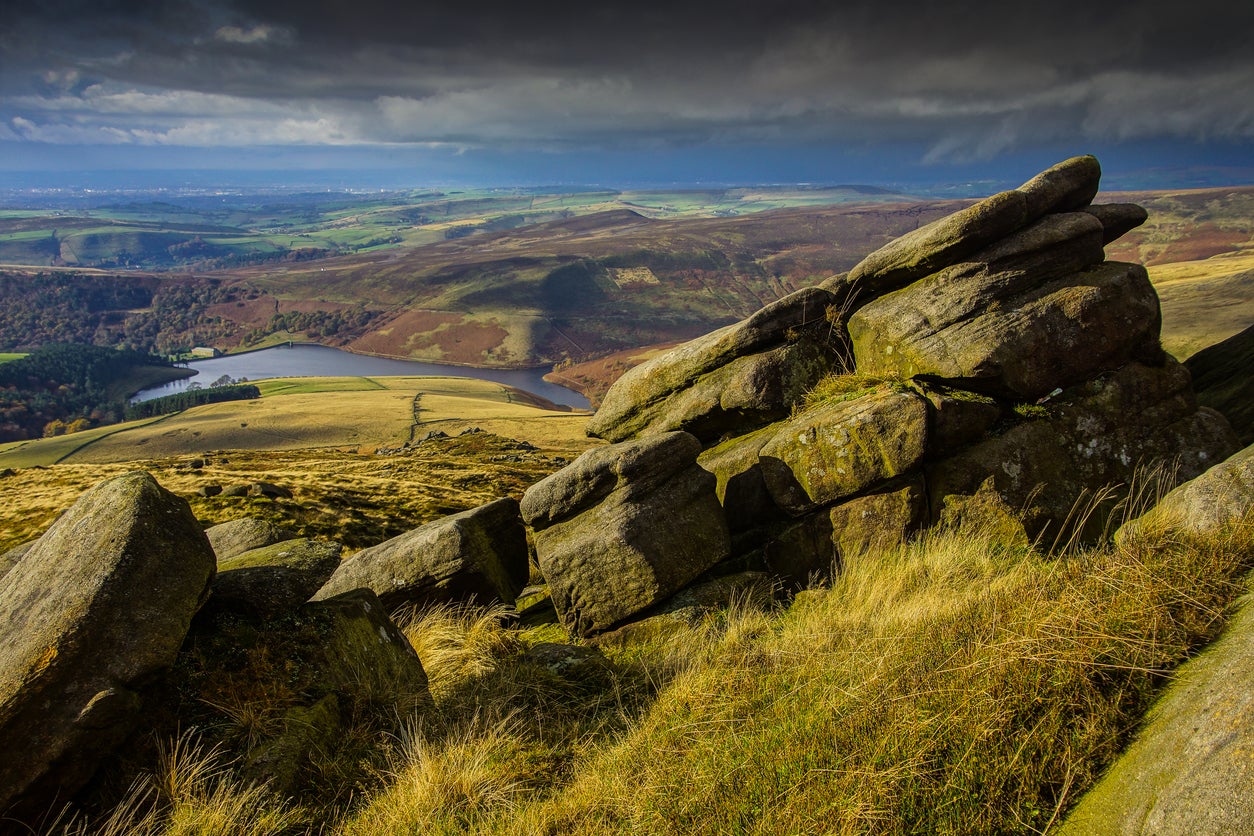
In 1932, ramblers from Manchester and Sheffield gathered at what’s now the hotel to plan a mass trespass. These were industrial workers desperate for respite from their smoggy cities, so they spent their weekends exploring the Peaks, only to be met with resistance by landowners. Ramblers responded by walking on the privately owned Kinder Scout plateau, a gutsy protest which led to six arrests, and sowed the seeds of the right to roam movement. In 1951, in part due to their activism, the Peak District was named the UK’s first national park. It’s a mammoth sprawl of nature, which stretches some 555 miles across Derbyshire, Cheshire, Greater Manchester, Staffordshire, West Yorkshire and South Yorkshire. Summarising the myriad jewels in its crown would be an impossible feat.
You might already be familiar with Bakewell, famed for its tarts, Chatsworth, known for the regal Chatsworth House, and Buxton, beloved for its thermal springs. But the lesser-known Hope Valley is home to fabled villages, breathtaking viewpoints and unorthodox tourist spots. Better yet, it’s accessible on public transport via the Hope Valley railway line, which links Sheffield and Manchester.
No visit to the Peaks would be complete without a stop at the village of Hathersage, home to a heated open-air pool. It’s an idyllic village with a literacy legacy; its rugged landscapes inspired Jane Eyre (there’s even a Jane Eyre walking trail), and you can visit the alleged grave of Little John, Robin Hood’s second-in-command, whose “little” moniker is actually an old-school dad joke in reference to his colossal height.
Any long walk requires fuel, so my first stop is Coleman’s Deli. The spacious cafe is run by Jim and Lizzie Mothersele, who took the reins from founder Ian Coleman back in 2006. Jim trained at Chatsworth House as a young chef and has spent decades perfecting his menu. It’s classic but elevated. They preserve their own lemons to blend into mayonnaise for their citrusy coleslaw and even the tomato ketchup is made from scratch.
The chilli chicken sandwich is a bestseller, but the salads are delicious, inspired by a date night spent years ago at Middle Eastern restaurant Ottolenghi. My BLT comes with a side salad of crunchy green beans, peas, black lentils and mixed leaves. “We didn’t just want to do your standard lettuce, tomato and cucumber,” Jim explained. They sing the praises of Hathersage for its tight-knit community feel, as well as the scenery – Lizzie recommends the North Lees Hall Walk, capped off with food at the Barrel Inn.
Nearby – on foot if you’re brave, or a short trip on the 257 bus – is the “Plague Village” of Eyam, which experienced a resurgence of interest during the Covid pandemic. We wandered around the genuinely fascinating Eyam Museum, complete with dress-up boxes and trivia gems. The most memorable discovery? One plague “cure” involved holding the backside of a chicken over sores, so the chicken could “absorb” the plague.
Read more: Our travel team choose their favourite beaches in the UK
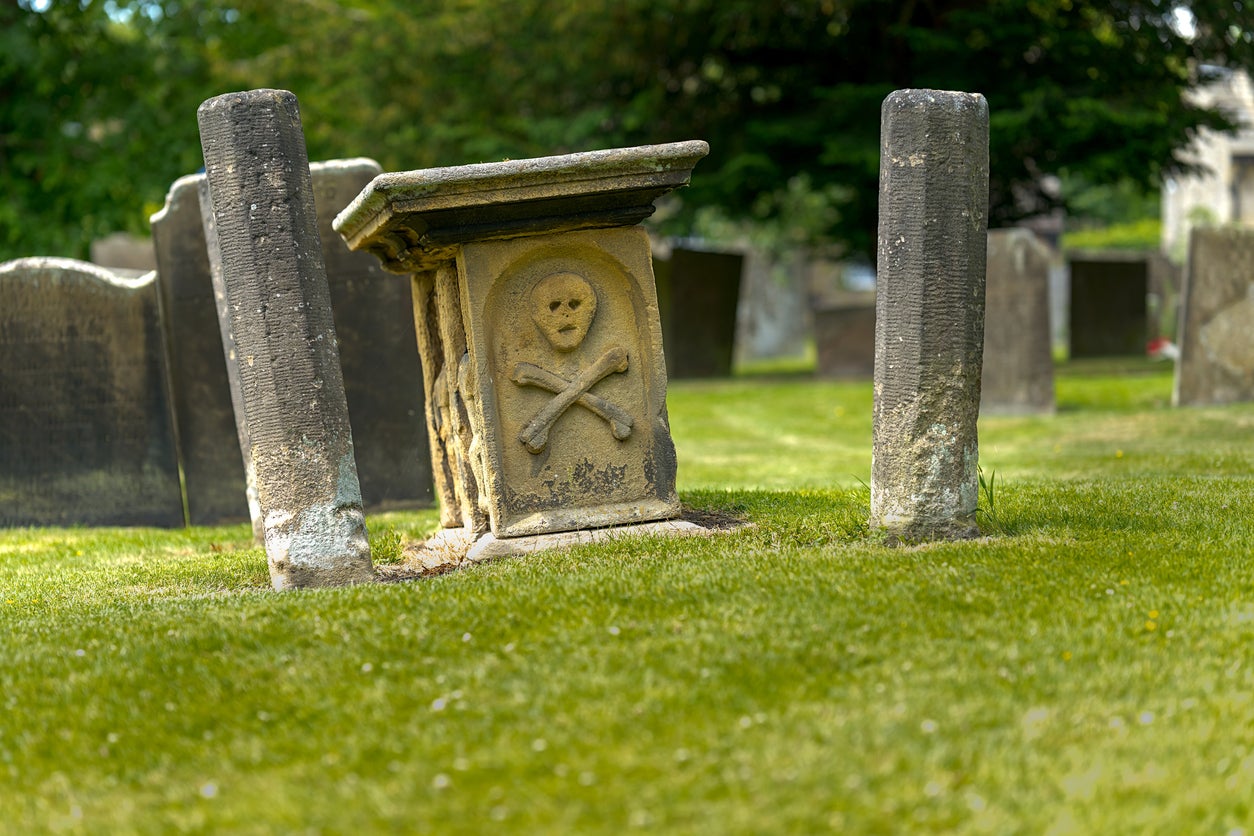
Eyam is home to more independent cafes – the scones at Village Green are among the best you’ll try – and scenic walks. We explored gravestones scattered throughout the neighbourhood of Stoney Middleton, reading memorial plaques and marvelling at the 17th century stone cottages. For a post-walk feast, head to Stella’s Kitchen, an Afro-Caribbean restaurant serving everything from Sunday roast to plantain crisp, as well as sticky, spicy ginger cake.
Luckily for us, Losehill House was ideally located: it’s a five-minute taxi ride from Hope train station, but secluded enough to feel like a private oasis. Guests can book spa treatments like facials and massages, but we chose to swim laps in the indoor pool and soak outside in the jacuzzi. The in-house restaurant – also open to non-residents – is award-winning, and it’s easy to see why: the pan-fried trout was one of the best meals I’ve ever eaten. We tried a three-course menu, and catering for my vegan partner was happily straightforward, with a separate menu boasting dishes like shallot tarte tatin and a dark chocolate olive oil ganache.
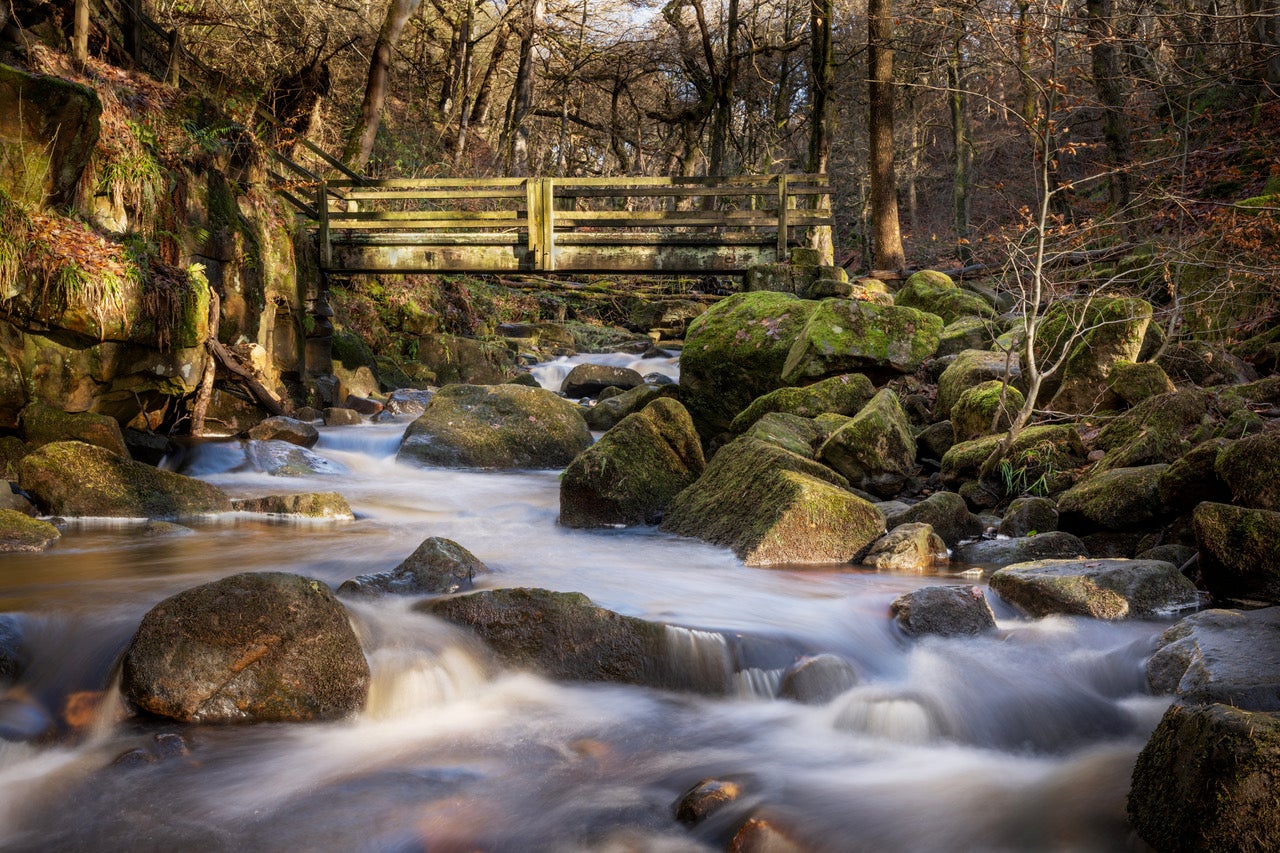
The final day of the trip started at Grindleford station, where we embarked on a long, circular hike around one of the Peak District’s most beautiful areas, Padley Gorge. It’s an ancient oak woodland rich in biodiversity, a birdwatchers’ paradise (we even spotted a wild nuthatch) and a magical backdrop for a surprisingly sunny walk. Kids love paddling in the streams and hopping across stepping stones, and just a short hike away is the Longshaw Estate, an expanse of peaceful moorland with other wildlife-spotting opportunities. The cafe is well worth a visit, not least as there’s a regularly-rotating menu of scones – I tried the lemon and white chocolate version.
In the warmer months, you’ll find the Peaks’ natural attractions turn into unconventional tourist experiences. Peak Cavern – known locally as the “Devil’s Arse” – is in the gorge underneath the impressive Peveril Castle in Castleton, and in summer plays host to unique film screenings and one-off events. There are ongoing efforts to make the Peak District more accessible for wheelchairs, too; the recently-added accessible paths at Ilam Park are exemplary and in the Hope Valley, Ladybower Reservoir is a flat walk with the bonus option of an accessible boat ride.
It’s a surprisingly moving experience to make this pilgrimage through the Peaks, to venture through such an enormous stretch of unspoiled natural beauty. The Mass Trespass was an act of defiance, but it was also an act of love. In a world which too often treats nature as disposable, it’s heartening to wile away the hours in woodlands which have survived the ravages of time.
How to do it
Trains to Sheffield run from terminals across the country, including from London with East Midlands Railway and from Edinburgh with CrossCountry. Trains to Hope Station run from Sheffield and Manchester.
Where to stay
Rooms at Losehill House Hotel cost from £123 per night. The hotel is nestled in a secluded area of Hope Valley, but it’s a five-minute taxi ride from Hope station.
Jake was a guest of Losehill House