The runcation is on the rise – and I’ve found the perfect place to go
With many people now making running the focal point of their forays abroad, Harry Bullmore headed to New Zealand to take part in an ultramarathon and see if holidays built around hoofing it really represent an enjoyable use of...
 AbJimroe

A poolside holiday is many people’s dream scenario. But as a fidgety fitness journalist, it’s the antithesis of what I want from a trip abroad.
If I’m travelling somewhere new, I want to see things that I couldn’t see at home. If these things are tall, I want to climb them; if they are filled with water, I want to swim in them. Full immersion is – often, quite literally – the goal.
Recent research from Pure New Zealand suggests I’m not alone. It found 53 per cent of surveyed Brits identify as “maxx-packers” – people who want to cram as many activities into their forays abroad as possible. Bonus points for anything that spikes the heart rate.
This might explain the rise of the “runcation” – a growing trend in which people head abroad with the primary aim of taking part in a race or running event. The rest of the stay is invariably filled with similarly high-octane activities.
But is this enjoyable, or an energy-sapping way to spend your annual leave? As an avid exerciser who has stuck to traditional city breaks in the past, I headed to New Zealand to find out – and run 50-plus kilometres up a mountain in the process.
My New Zealand runcation road trip
To nail the maxx-packing spirit, Pure New Zealand set me up with a GO Rentals car (an integral ingredient) and created a 13-day road trip around the country’s South Island, complete with an itinerary fit to burst. I then tacked on an extra seven days of solo travelling.
The run, a 50km trail race containing 2,600m of climbing, would take place on day nine in the Central Otago region – near New Zealand’s most inland point. Before then, I would whizz down the east coast, stopping at the quiet coastal town of Timaru and New Zealand’s “wildlife capital” Dunedin.
In the aftermath of the race, I was to head to the adrenaline junkie’s paradise that is Queenstown, before returning to Christchurch via Glenorchy, Te Anau, Wanaka and Akaroa.
Race day
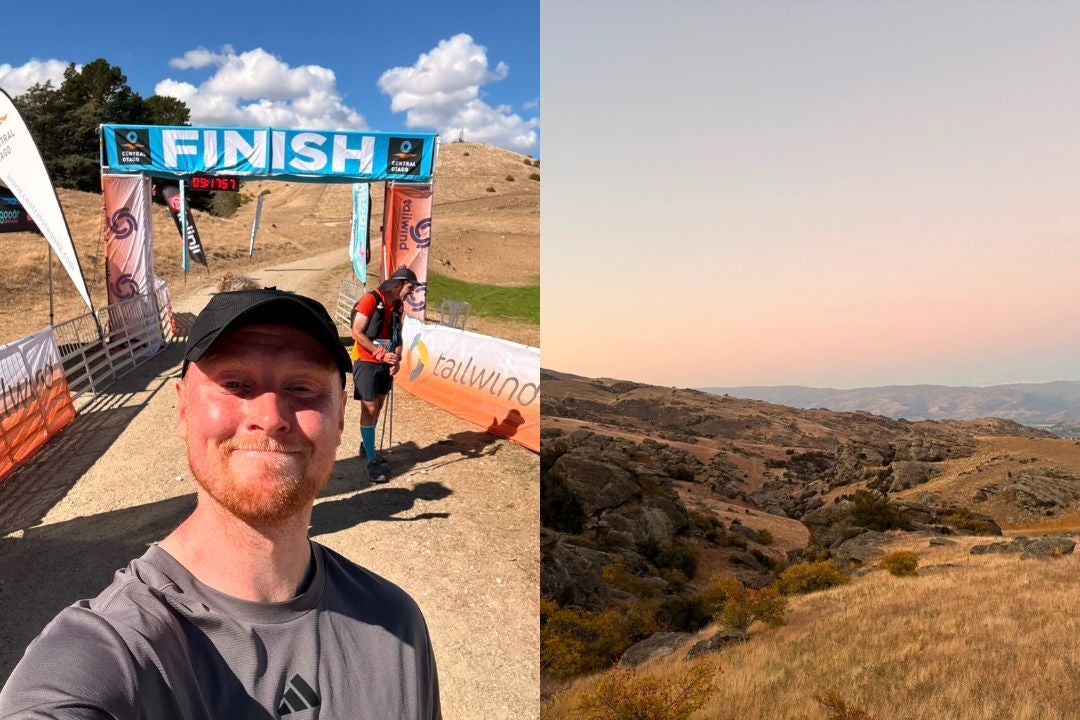
The Northburn 100 is an annual ultra race in which competitors tackle mountainous routes of up to 100 miles. I opted for the 50km race – or the “fun run”, as race director Terry Davis fondly referred to it.
This is many people’s nightmare holiday activity, and I get that. But for me, someone who sneaks off first thing on group trips to squeeze in a run or bodyweight workout, it was fun to have my favourite pastime upgraded to a priority.
When carving out core memories on holidays, I often don’t realise just how special they are until they’re in the rear-view mirror. But throughout this race, I was acutely aware I was doing something I would never forget. I wanted immersion, and as I lumbered up mountains and chatted to fellow runners while leaping across a gurgling stream, I realised my wish had been granted.
Read more: ‘Suffering is the prize’: Why I took part in one of the world’s hardest 50km trail races
Sports nutrition
If there’s one thing runners love – other than the obvious thing – it’s baked goods. New Zealand, it turns out, has fantastic offerings on both fronts – the pies are a highlight, with each town boasting its own delicious creations.
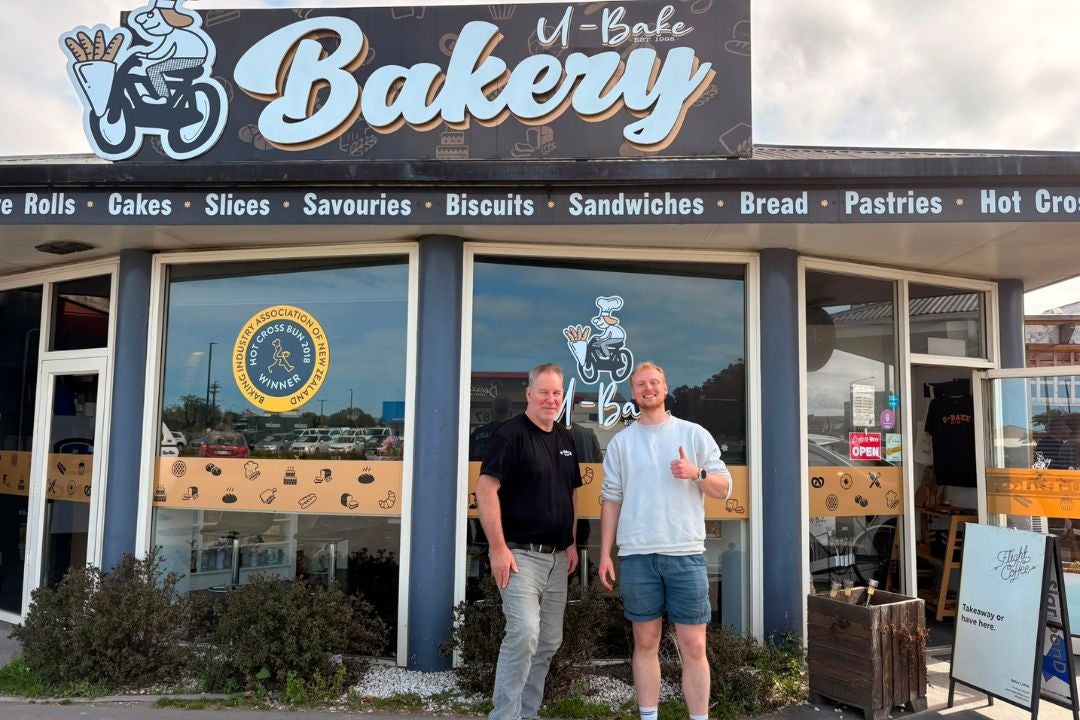
For the best baked goods, I recommend U-Bake bakery on the outskirts of Timaru, an east coast town roughly two hours’ drive from Christchurch.
I received a warm welcome from the owner, Simon Bruce, who stepped out of the kitchen to deliver a firm handshake. After loading me up with prize-winning hot cross buns, a filled baguette the size of my arm and the best pie I’d ever eaten, he removed his flour-laden apron and said: “You seem like a good guy, fancy a tour?”
What followed was not a whistle-stop whizz around tourist hotspots. It was a two-hour guide to Timaru’s lesser-known gems, complete with amusing anecdotes and even a brief visit to his house.
This story sums up my New Zealand experience: friendly people, tasty pies, adventure, and fun. And while this was undoubtedly a highlight, it wasn’t an isolated incident.
At sunset, you can also see Little Blue Penguins scurry across Timaru’s beach to return to their nests from the sea, which I think warrants a visit to this often overlooked town.
The greatest attractions cost nothing
If you choose a runcation, chances are you favour excitement over relaxation on your holidays. Luckily, New Zealand is the ultimate playground, and there is no age limit.
Many activities on this list cost money, and they are undeniably fun. But my favourite days came at the cost of a bit of petrol and a supermarket sandwich.
Wānaka demonstrated this best. The lakeside resort town offers a chilled alternative to the adrenaline-fuelled energy of traveller favourite Queenstown, but still delivers screensaver good looks and fantastic food options – Big Fig and The Food Truck Park offerings were personal favourites. There is also plenty to keep adventurous sorts busy.
A morning dunk in Lake Wānaka is a refreshing way to start the day, and the nearby hikes are tough to beat. The 10km Rob Roy Glacier Track, a one-hour (and bumpy) drive from Wānaka, was my pick of the bunch.
-and-the-swing-bridge-at-the-start-of-the-Rob-Roy-Glacier-Trail-(right).jpeg)
A bouncing swing bridge leads into Mount Aspiring National Park, where beech forests shield you from the sun as you climb. Eventually, you emerge from the trees to a view of a hanging glacier and too many waterfalls to count – an idyllic spot for the aforementioned supermarket sandwich.
If you want more of a challenge, you can tackle Roy’s Peak, which delivers largely unparalleled views as a reward for a long, steep climb. However, having emerged from an ultramarathon a few days prior, the more gentle inclines of the Glacier Track sounded more appealing to me.
On the way back from the Rob Roy Glacier Track, you can also find Wishbone Falls – a small waterfall that splits in two courtesy of protruding rocks, bending sunlight into an ever-present rainbow. It’s hard to tell people you swam in a waterfall, under a rainbow, without sounding a tad braggy, and it’s not one to be missed.
-and-swimming-at-Wishbone-Falls.jpeg)
A tour with a twist
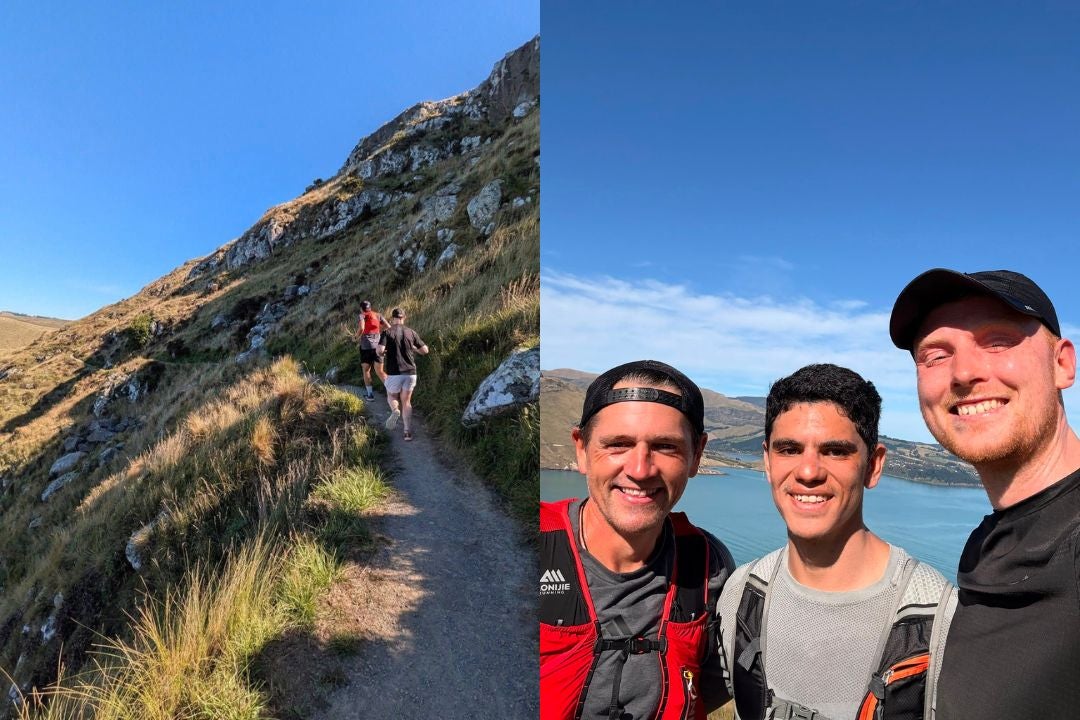
I woke early on my first full day in New Zealand and drove 20-or-so minutes to Sumner Beach – Christchurch’s picturesque seaside suburb. There, I met Traverse Trails founder Andy Annable for a running tour of a pretty nearby headland.
I find exercise, like alcohol, has a knack for sending inhibitions packing. As soon as my heart rate was raised, I was jabbering away to Andy about everything from local customs to childhood memories – an atmosphere at odds with the polite quietness of a classic boat or bus tour. This, he says, is why his groups tend to forge such strong bonds on their multi-day adventures.
When the hills became hard, we walked; when a view was too good to miss, we stopped to take pictures; when stomachs rumbled, Andy’s Mary Poppins-esque backpack produced an endless supply of snacks. No land speed records were under threat, but it was one of the most enjoyable 10km runs I’ve ever done. It was also a good way to get the legs going post-flight without exhausting myself ahead of the race in 12 days’ time.
The adventure capital of the world
If you were to draw a Venn diagram of runners and thrill-seekers, I’d wager there would be a considerable mid-section. That’s why I would recommend making a beeline for Queenstown – the “adventure capital of the world” – after your race is run. A stay at Coronet Ridge Resort, a stunning alpine-style wellness retreat on the outskirts, makes a good celebratory treat when tending to tired legs.
The big three activities in Queenstown are bungee jumping, jet boating and white water rafting, and my itinerary ticked every box. The first, white water rafting with RealNZ was an instant winner. Racing through rapids, with the option to tip into the water and tombstone off rocks at points during the course, felt like a refreshingly relaxed approach compared to the red tape that often surrounds outdoor activities.
Next came the bungee. I had opted out of the full jump at AJ Hackett’s Kawarau Bridge bungee – the world’s first commercial site – and instead plumped for the relaxing-sounding “swing”. When I arrived, I found this was less of a swing and more of a seat attached to bungee cords, which was winched out over a canyon then dropped from 141 feet.
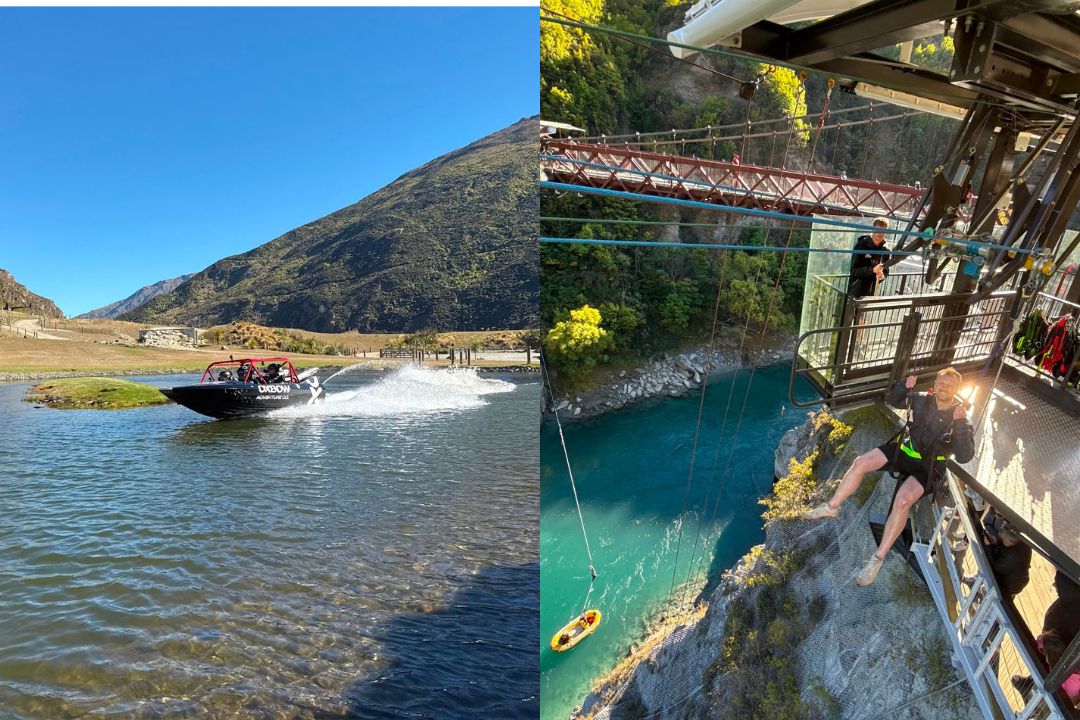
It was, in a word, awful. My lungs felt like they were going to shoot from my mouth, but what came out instead was a series of expletives not suitable for these pages. Then, in milliseconds, it was over. People who enjoy being chucked off a cliff or bridge will love this, but it’s not for me.
Later the same day came a trip to Oxbow Adventure Co for a jet sprint boat experience. On a private man-made lake, the boat accelerates from nought to 100kmph in two-and-a-half seconds, careering around small islands to deliver four g-forces. It’s over in the blink of an eye, but it left me grinning like an excited schoolboy.
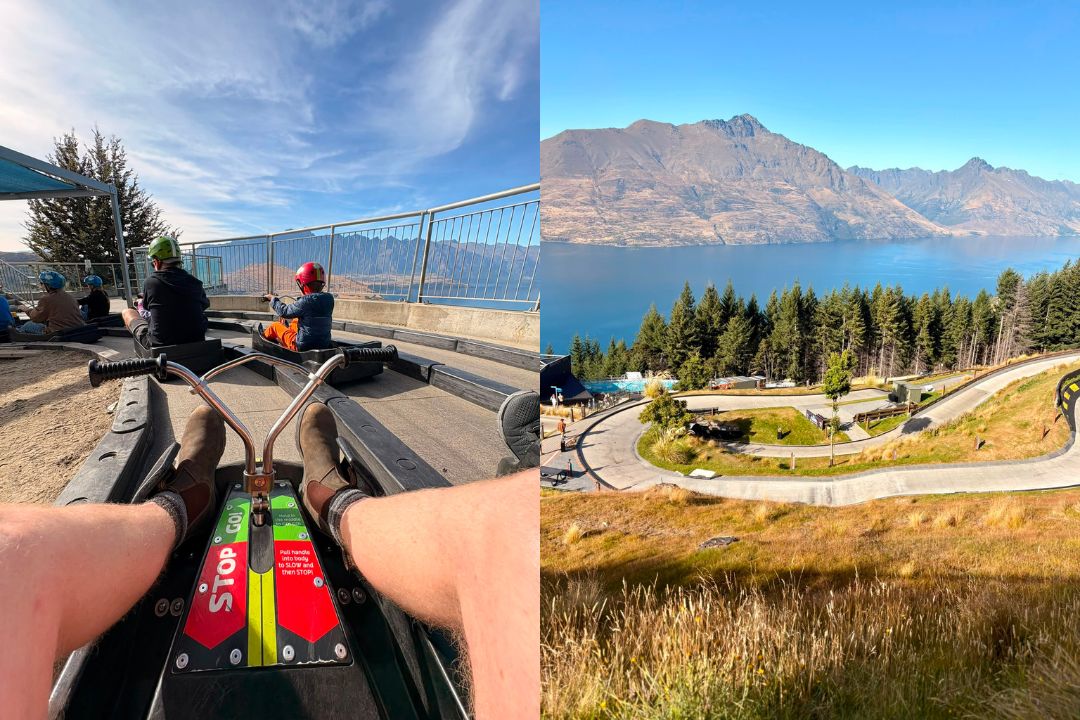
However, my top activity in the town was not one of the big three. Instead, it was Queenstown Luge – a 1.6km mountaintop downhill track for gravity-powered go-karts. If you’ve ever played Mario Kart and wished it was real, this is a dream come true.
Real culture outside of museum walls
New Zealand has a fascinating history. Due to its remote location, it was the last major landmass to be settled by humans. In the 13th century, East Polynesian travellers arrived in huge open-topped canoes called waka hourua, establishing what would become Māori culture.
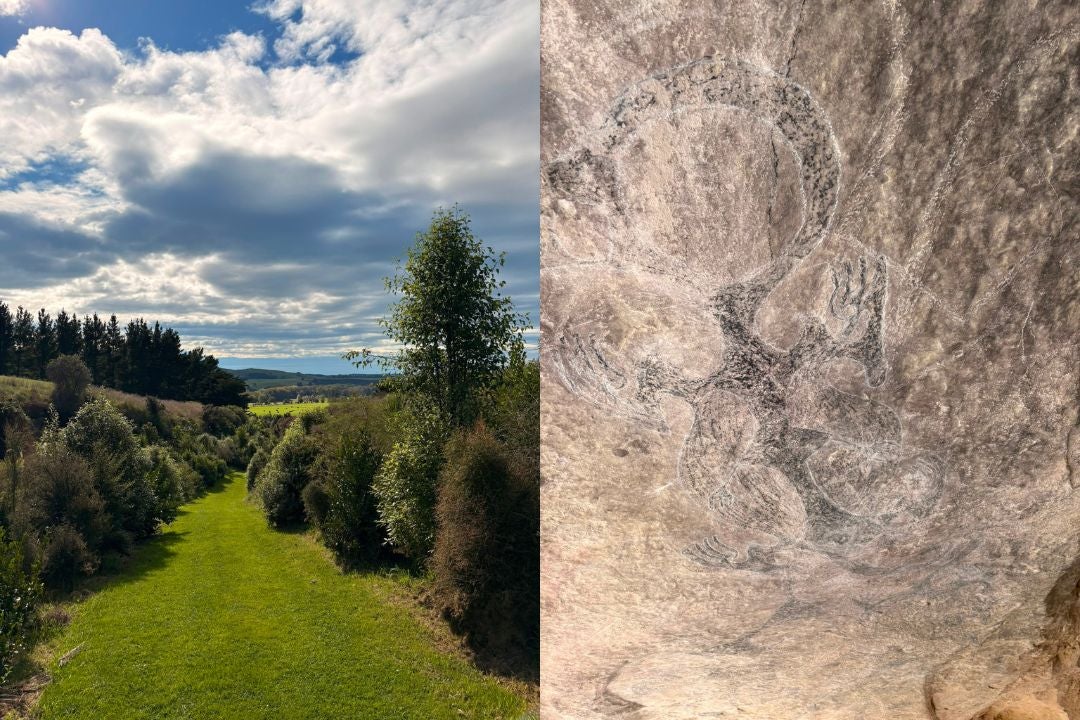
To learn more, I headed to a site just outside Timaru for a Māori rock art tour. I met my guide and followed her in my car down a dirt track, eventually turning a corner into one of the most beautiful places I’ve ever visited.
The space has been repopulated with indigenous plant species. Lush grass paths wind through the middle, taking you to a series of caves containing preserved examples of rock art, including an enormous piece which depicts the Māori creation story.
A few days later, I travelled to the seaside village of Karitane, further south on the east coast, for a Māori Pa experience. Here, my guide took me to the Huriawa peninsula and taught me about the colourful past of this former fortified settlement.
I said at the start that full immersion was the aim of this trip. Rarely did it feel closer at hand than when learning about the founders of the country and its culture.
Sea lions, penguins – and stunning scenery
New Zealand’s fascinating history extends to its wildlife. As an island nation, its only indigenous land mammals are a smattering of bat species, with birds dominating the country until Europeans arrived with the likes of livestock, rabbits, stoats and weasels.
Dunedin has been dubbed the “wildlife capital of New Zealand”, and there is no better place to learn more about the nation’s animals.
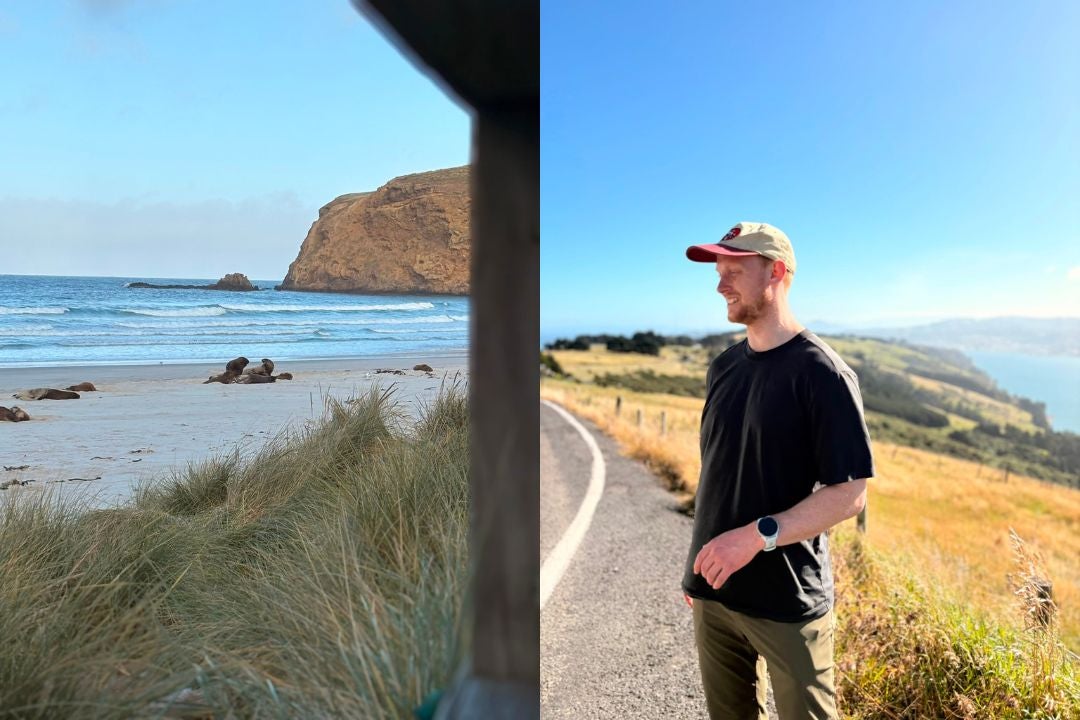
I went with Clearwater Wildlife Tours, whose minibus whizzes you from the centre of Dunedin to the Otago Peninsula. The scenery was stunning, as most of the South Island seems to be, but it was the insights from my guide Adrian that made the tour special. Every new bird species spotted came with oodles of information, fun facts and enjoyable anecdotes from his time working in wildlife conservation.
After a short drive, we arrived at a private beach filled with grandstanding sea lions. Somehow, from a distance, Adrian also picked out several endangered yellow-eyed penguins and directed my on-loan binoculars until I could spot them too.
This activity delivered immersion and excitement without tuckering out my legs too much in the days before the race.
Should you go on a runcation?
Do runcations work? From my experience, it’s an emphatic “yes”. If you love moving, having your hobby shifted to the main mission on a holiday – rather than an early-hours side quest – feels fantastic.
Granted, if you want to hit a PB, a slightly quieter itinerary than mine could be helpful for conserving energy ahead of race day. But for me, I just wanted to finish the race, and I was not going to miss any opportunity to explore after travelling halfway around the world.
Guides told me that, although mountain bikers and adrenaline chasers are often drawn to their shores, runners tend to overlook the country. If so, they’re missing out. From my experience, finding a part of the South Island that isn’t breathtakingly beautiful is a hard task. Every town and city has plenty of parks and botanical gardens you can use for easy runs, while the outskirts play host to countless marked trails if you’re after more of a challenge.
There is a wealth of activities on offer, both relaxed and active, to fill far more than a three-week stay. And to refuel? I’m not sure this is sports nutritionist-approved, but I know a good place you can get a pie.
Read more: Myth and meaning: discovering New Zealand’s newest dark sky reserve