The Surprising Social Factor That Impacts Your Diet More Than Willpower
Healthy eating isn't just what's on the table
 Koichiko


Author:
December 29, 2025
Image by Lumina / Stocksy December 29, 2025 Forget everything you've been told about eating healthy being a matter of pure willpower. A recent 10-year study of over 130,000 adults1 has revealed that your social connections might be just as important as what's on your grocery list. This isn't just about having dinner companions—it's about how the richness of your social life directly influences your body's nourishment. The research suggests that your weekly book club, morning walks with friends, or volunteer work aren't just good for your mental health; they're actively protecting your physical wellbeing through better eating habits.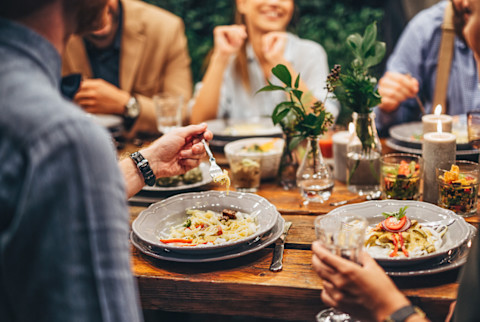
A peek into the study
Researchers followed the participants for a decade, tracking both their social activities and eating habits across three different time periods. The participants, all starting with healthy daily fruit and vegetable intake, were assessed on two key social factors:
Researchers wanted to understand what happens when people's social lives shift: Do they become more isolated, do they lose variety in their activities, or do they maintain rich social connections? Then they tracked how these social changes influenced eating patterns over the following years.
This approach revealed something previous nutrition research had missed: it's not just about whether you're social or not, but about maintaining diverse types of social engagement.
The difference between someone who only sees family monthly versus someone who volunteers, plays sports, and participates in community activities turned out to be crucial for long-term eating habits.
Why women's eating habits are more socially sensitive
The results revealed a striking gender difference in how social connections influence eating behavior. Women who stayed socially isolated throughout the study period were 85% more likely to stop eating vegetables daily and had over twice the odds of not eating fruit daily.
Women also showed greater sensitivity to losing social diversity. Those who went from having varied social activities to fewer types of engagement were 35% more likely to reduce their daily fruit intake. This suggests that women's eating habits are more deeply intertwined with their social environments than men's.
When these social networks shrink or become less diverse, women lose the social scaffolding that supports healthy eating patterns. They're also more likely to use food-related activities as ways to connect socially, such as cooking for others, sharing meals, or discussing nutrition, so social isolation cuts off these pathways to healthy eating.
Protect your diet through social connection
The good news is that social connection is entirely within your control. Here are research-backed strategies to strengthen the social factors that support healthy eating:
The takeaway
Healthy eating isn't just an individual choice—it's deeply embedded in our social fabric. Your morning coffee group, weekend hiking buddies, or volunteer commitments aren't just pleasant additions to your week; they're actively supporting your nutritional health in ways that pure willpower can't match.
The findings are particularly empowering because they shift focus from restriction and discipline to connection and community. Instead of fighting your eating habits alone, you can build a social environment that naturally supports better choices.
For women especially, maintaining rich, diverse social connections appears to be one of the most effective ways to protect long-term eating habits as you age.