Top 5 off-the-beaten-track wildlife experiences in Latin America
Finally, Latin America’s wildlife credentials seem to be getting their due. Rich with striking landscapes and astonishingly diverse biomes... The post Top 5 off-the-beaten-track wildlife experiences in Latin America appeared first on A Luxury Travel Blog.
 Kass
Kass

Finally, Latin America’s wildlife credentials seem to be getting their due. Rich with striking landscapes and astonishingly diverse biomes (sometimes within a single country!) Latin America can offer exceptional wildlife encounters on par with anything travellers might expect on an African safari.
But beyond the obvious destinations of the Galapagos Islands, the Amazon rainforest, and the jaguar-spotting of the Brazilian wetlands; there are stunning wildlife experiences to be had for nature lovers in lesser-known enclaves away from the mainstream crowds.
Here are our top tips for some of the more unusual, yet unforgettable, wildlife experiences in Latin America:
Wetlands and wildlife in the Colombian Llanos
If the Brazilian Pantanal is widely famed for providing visitors with the opportunity to tick of the ‘Latin American Big Five’ of the tapir, jaguar, giant otter, giant anteater and maned wolf; then it might interest you to know that Colombia’s central wetlands can offer similar encounters off the beaten track.
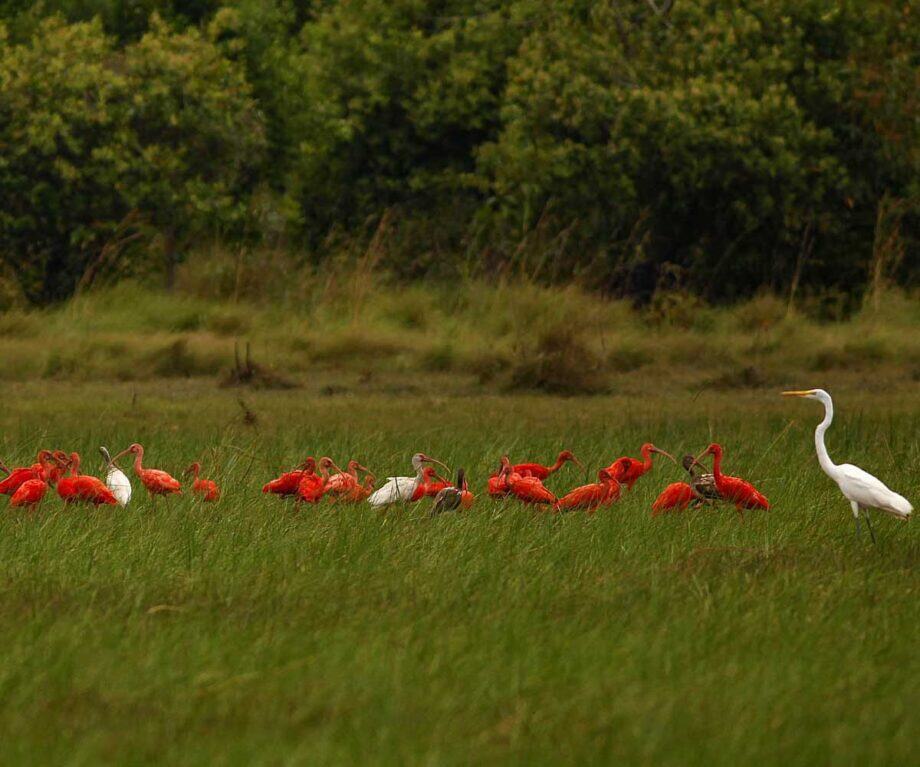
Covering more than 500 square kilometres, the Colombian Llanos are vast tropical grasslands sandwiched in between the peaks of the Andes and the sweet waters of the Orinoco River. Much like the Brazilian Pantanal, these plains, dominated mainly by cattle farming, flood seasonally, supporting an abundance of wetland dwelling creatures such as spectacled caiman, anacondas and the enormous Orinoco crocodile, the largest predator in South America.
As the sun scorches the overflowing river systems into retreat and low water season arrives, spectacular wildlife is drawn out from the obscurity of the forests in search of scarcening water sources. During the dry season, visitors can expect to see giant anteater, jaguars, capybara and much more! Bird life is also particularly vibrant in this region with jabiru storks and huge flocks of scarlet ibis among the main attractions.
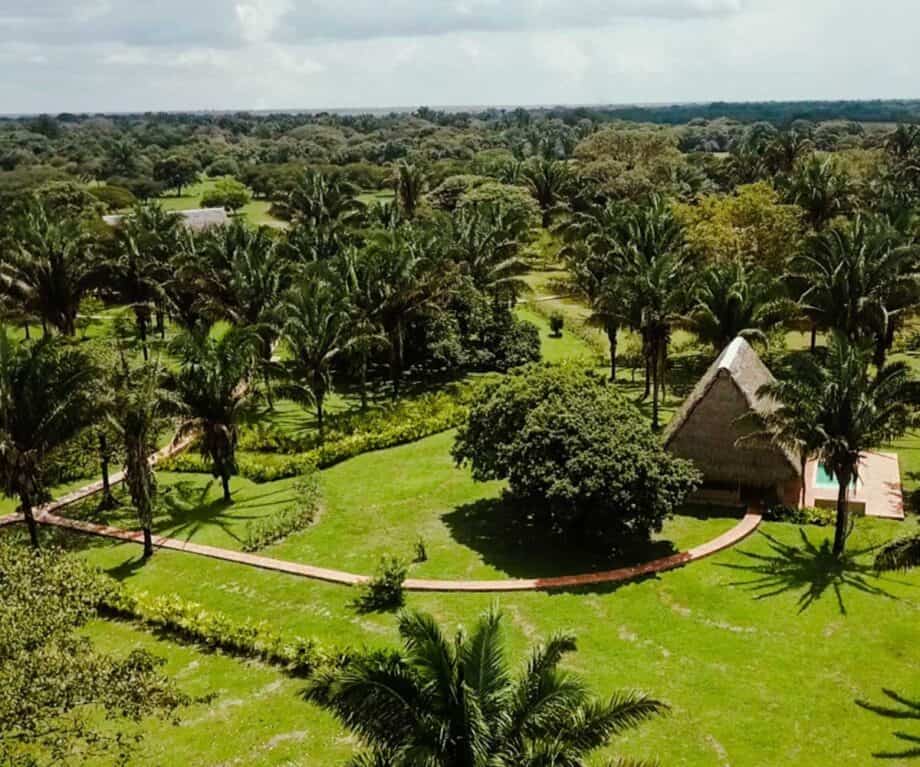
Characterised by a warm and welcoming cowboy culture, with plenty to offer in terms of distinctive regional music & dance, stays in the llanos often involve long evenings watching the sun sink down into the plains to the tunes of local harps. With many families having farmed the land in this region for generations, local cuisine is heavily influenced by organic meat with artisan breads and cheeses, served alongside the bounty of freshwater fish available in the rivers.
With Avianca’s extensive internal network and flight times inside Colombia being rarely over an hour, visiting the llanos as part of a Colombian trip makes for substantially less hassle than the vast distances required to cover the same biodiversity in larger countries like Brazil. For those wildlife lovers seeking something a little bit different, the llanos are worth adding to your wish list!
When to go
Dry season (December to March) is best for large mammal sightings.
Where to stay
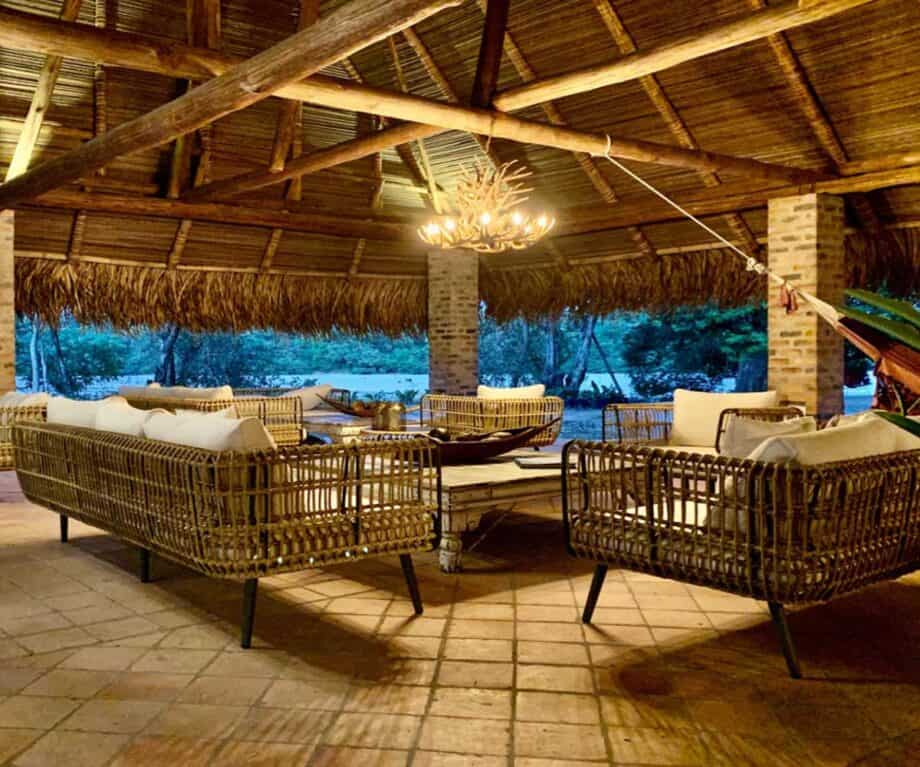
Major chains have comfortable hotels in the capital of Casanare department, Yopal. For those wanting to get closer to the wildlife, head to Savanna Orinoquía Lodge. The seclusion is bliss.
Birding in the Cloud Forest, Ecuador
Though the Galapagos steals all the thunder when it comes to Ecuador and wildlife, the country’s subtropical cloud forests are some of the most biodiverse forested areas in the world. Located within easy distance of Ecuador’s capital, Quito, lucky wildlife watchers can hope to catch sight of the Andean spectacled bear, various species of monkeys and hundreds of different kinds of exotic butterflies. The pièce de résistance, however, is the birdlife.
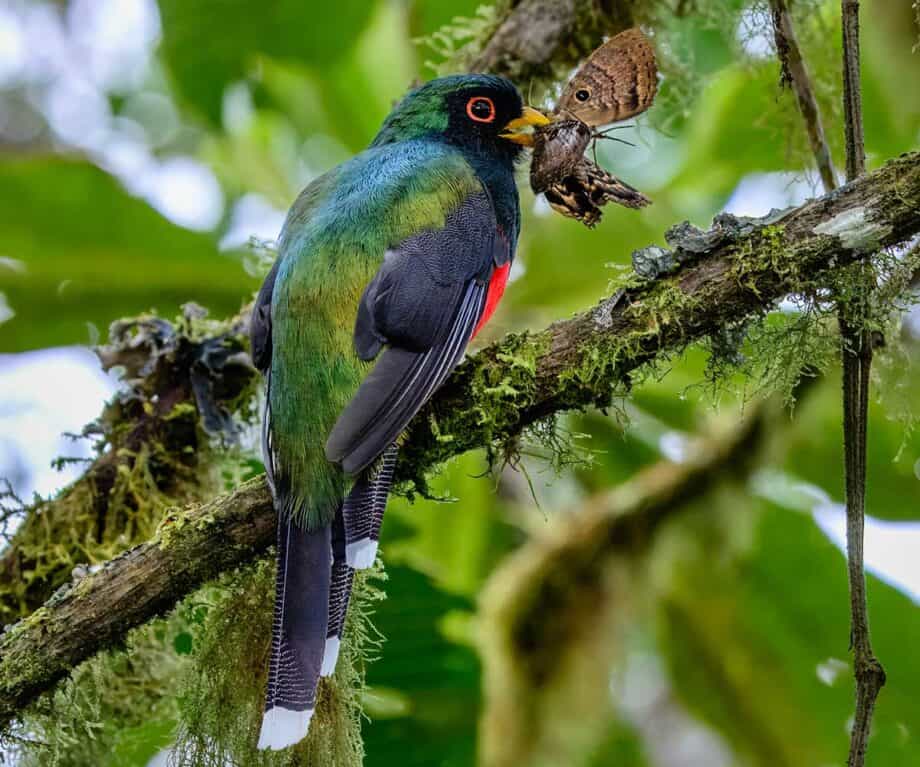
The Mindo cloud forest alone boasts more than 500 species of birds, including unique hummingbirds endemic to the region and the famous Andean Cock-of-the-Rock. Quetzal birds and tanagers are also abundant making the mild climes of these forests a keen birder’s paradise. Beyond feathered friends, the humid microclimates of the Cloud Forest mean that it is also the perfect environment for orchids. Over 4500 different species of orchids call these forests home along with a smorgasbord of bromeliads, ferns and other lush tropical vegetation.

Meander through hiking trails for days on end with expert guides and feel at one with this magical ecosystem, combining your wildlife watching with a visit to one of the many chocolate farms in the area, or adventure sports like ziplining and rafting. Perfect as a complimentary experience to a Galapagos cruise or a stay in the Ecuadorian capital, the Cloud Forest is not to be missed.

When to go
June to September is the dry season.
Where to stay
Mashpi Lodge. This uber-sustainable luxury lodge sits in the centre of a private cloud forest reserve teeming with wildlife.
The Corcovado National Park, Costa Rica
The miniscule Costa Rica famously punches hard above its weight when it comes to exceptional wildlife viewing. Despite constituting only 0.03% of the planet’s landmass, the beaches, forests and highlands of Costa Rica account for an incredible 6% of the earth’s species. Though wildlife is abundant throughout the country, heading to more remote areas can offer discerning travellers more intimate wildlife encounters than what’s available in the busy regions of Arenal and Monteverde.
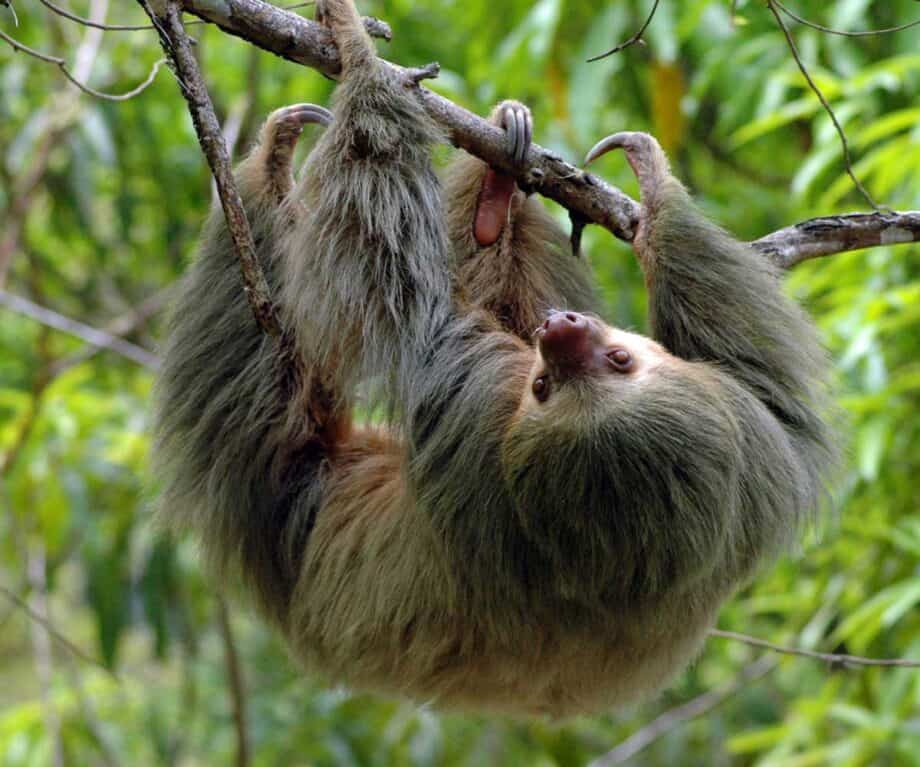
The Corcovado National Park is a vast protected area located on the Osa Peninsula in the south-west of the country. One of the last remaining untouched patches of lowland tropical rainforest in Central America, this isolated peninsula is home to Baird’s tapir, the largest land mammal in the country. Boasting opportunities to sight ocelots, jaguarundis, American crocodiles, harpy eagles, pumas, the elusive jaguar, and white-faced capuchin monkeys to name a few, this stunning coastal paradise is a wildlife lover’s dream.
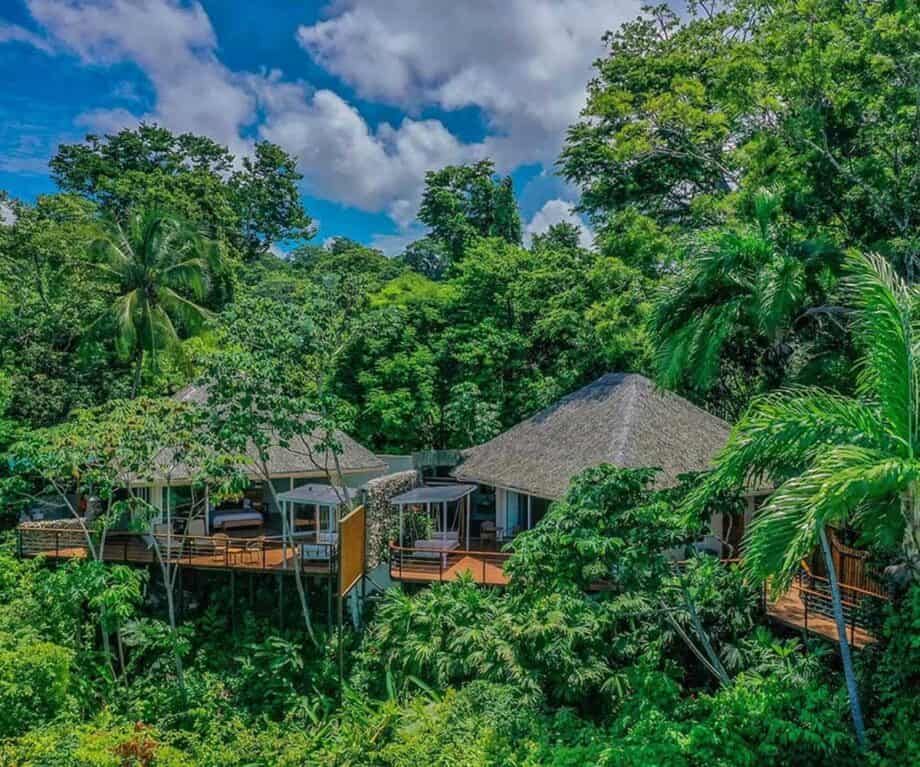
Boat trips out into the sheltered bay between the peninsula and the mainland might also mean sightings of bull sharks, bioluminescent plankton, whales and dolphins, while keen snorkellers can head to Cano Island to explore a stunning diversity of marine life up close.
With the national park being extremely remote and open for visitors only with a certified local guide, this isolated destination provides ample opportunity for those serious about wildlife to enjoy it away from the backpacking crowds.
When to go
During the dry season, December to April.
Where to stay
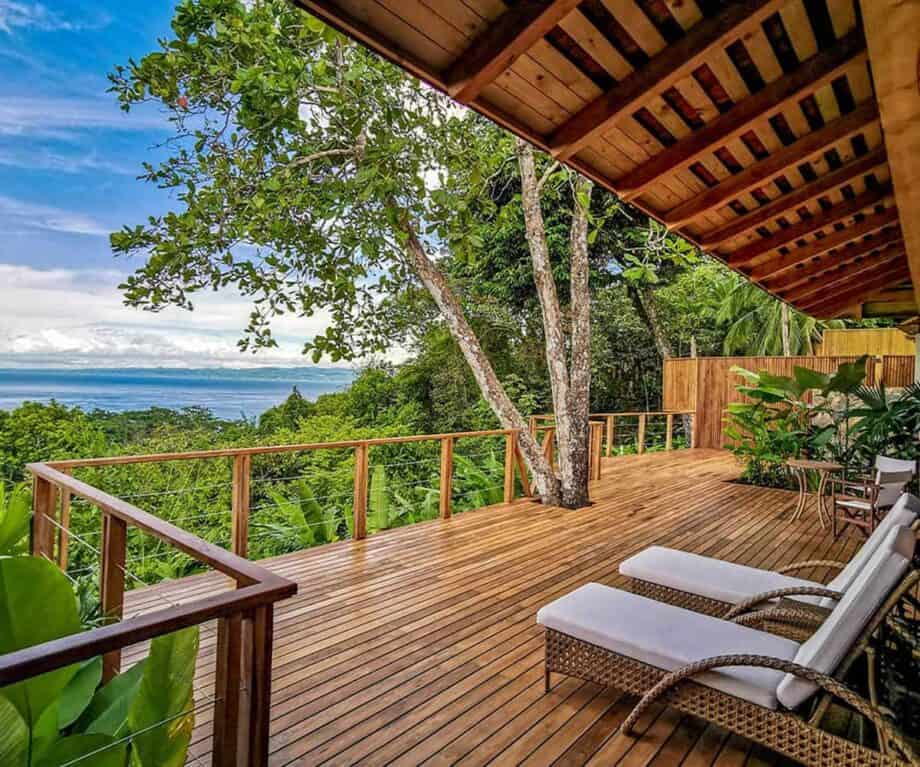
Lapa Rios Ecolodge is combines luxury accommodation with truly innovative sustainability practices. For those seeking total seclusion and indulgence, book Playa Cativo Lodge, accessible only by boat.
Everything you need to plan your trip in 2026
Exploring marine ecosystems in Belize
For those interested in wildlife of the more coastal variety, there is almost nowhere better to snorkel and dive than beautiful Belize. Renowned for its stunning barrier reef (the second largest in the world) and natural marine monuments like the Blue Hole, Belize provides uber chic luxury accommodation within touching distance of some of the most extraordinary marine life on the planet.
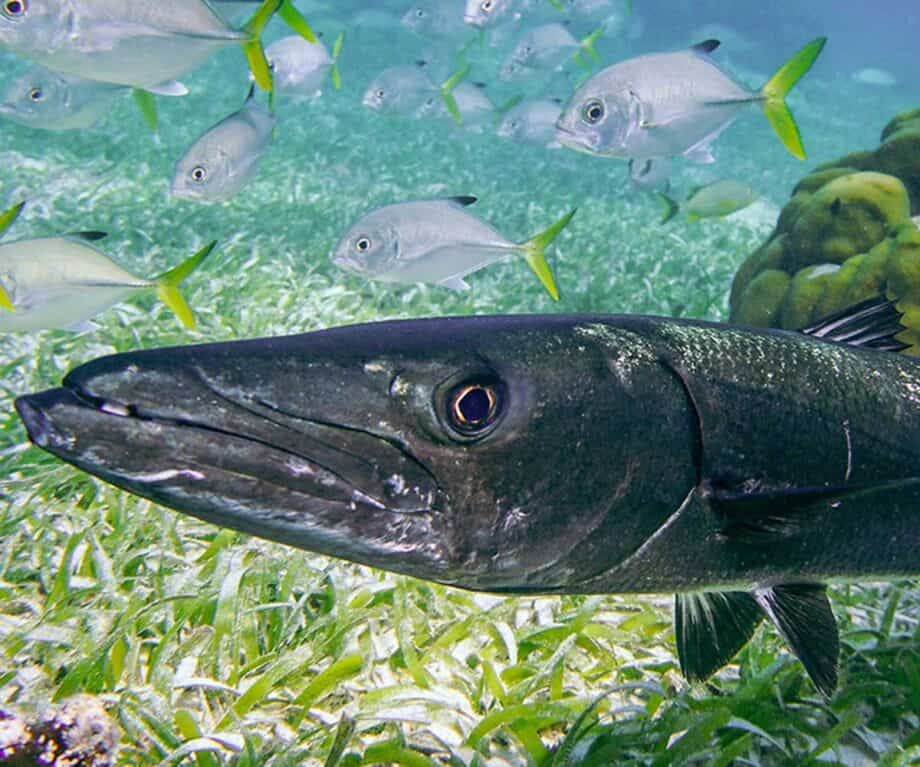
Suitable for beginners, the Hol Chan Marine Reserve located near Ambergris Caye is replete with a colourful array of fish, sea turtles, and vibrant coral reefs. Only 9 metres deep on average, this stunning dive site is known for calm waters and exceptional visibility of up to 100 feet – perfect for easing yourself into the world of scuba diving. The nearby Shark-Ray Alley is a wonderful low-effort option for snorkellers who can take the opportunity to swim with graceful nurse sharks and rays in their natural habitat without the need for dive training.
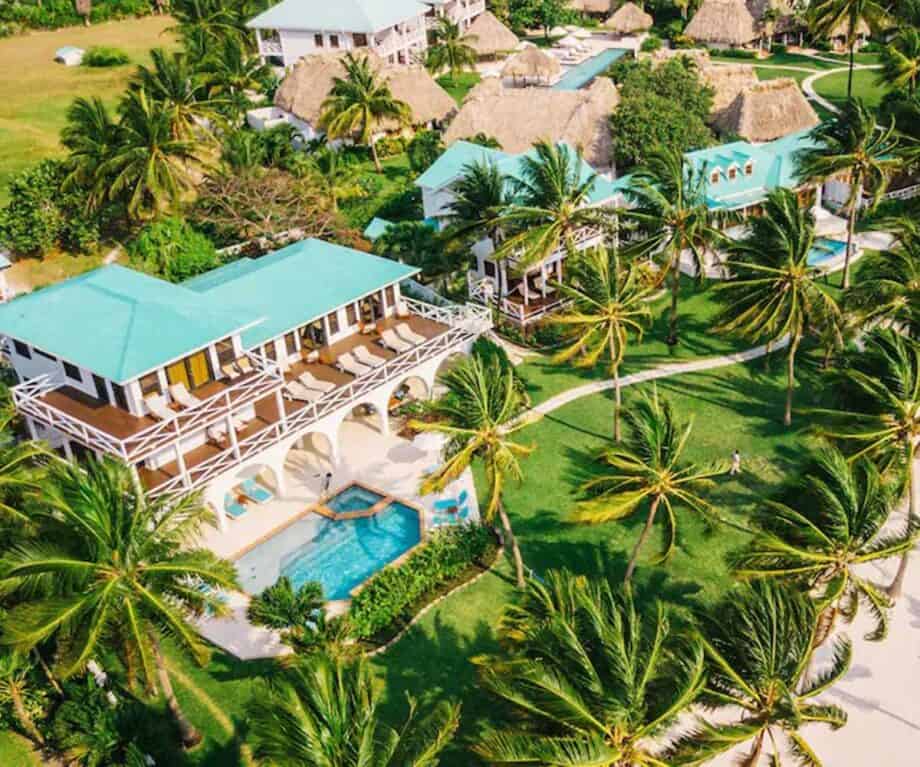
For more experienced divers, the Blue Hole beckons. This 40-metre sinkhole is characterised by fantastical rock formations and is a well-known site for the spotting of Caribbean reef sharks and hammerheads. With the submarine delights of the Lighthouse Reef, Turneffe and Glover’s Reef atolls all easily accessible from this tiny country, where high quality diving instruction and snorkelling tours are readily available, – there’s nowhere better to head if you want to combine your modern coastal luxury with truly memorable wildlife encounters in the sea.

When to go
The great news is that Belize is a year-round destination for divers with consistently balmy water temperatures. April to June is best for encountering whale sharks, while the grouper mating season in October/November means divers can get up close to shoals of thousands of fish.
Where to stay
Victoria House is an intimate and luxurious resort located right on its own private beach. For travellers wanting absolute seclusion, fully staffed villas on private islands are also available in Belize.
Spotting maned wolves in the Cerrado, Brazil
Lesser known that the Amazon and the abundant wetlands of the Pantanal, the Brazilian savannah, or ‘Cerrado’, covers more than 2 million square kilometres of this gigantic country. A heterogenous subtropical landscape made up of rivers, scattered shrubs, dry forests and grasslands, the Cerrado might be Brazil’s best kept wildlife secret.
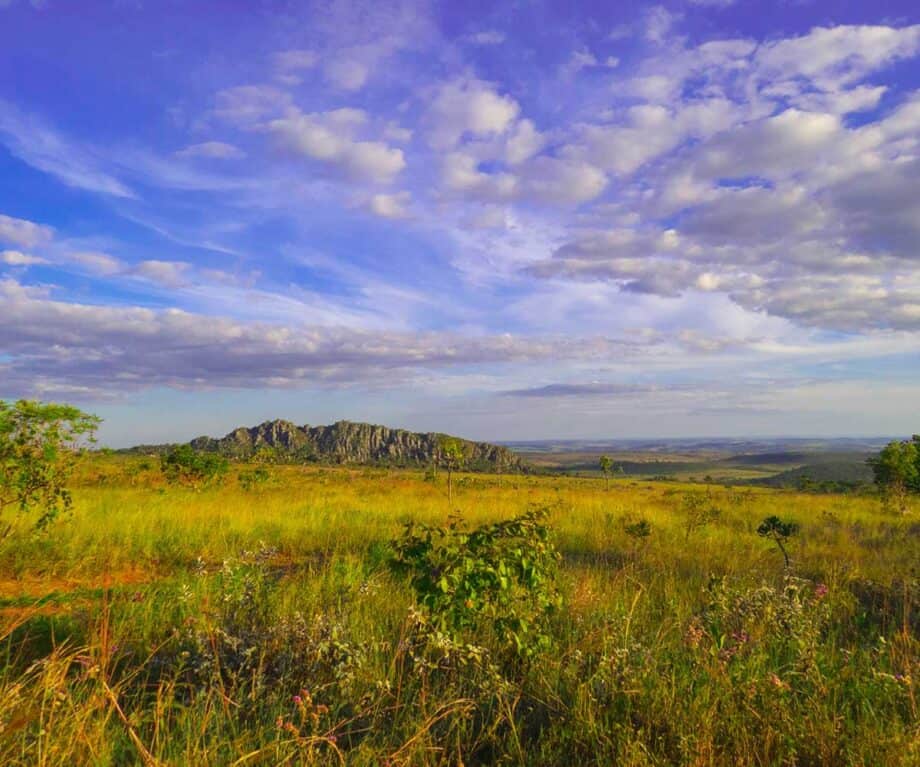
Iconic species available to spot here include the shy maned wolf, marsh deer, giant anteaters, giant armadillos, tapirs, jaguars, pumas, and a huge abundance of birdlife including the critically endangered Spix’s macaws.
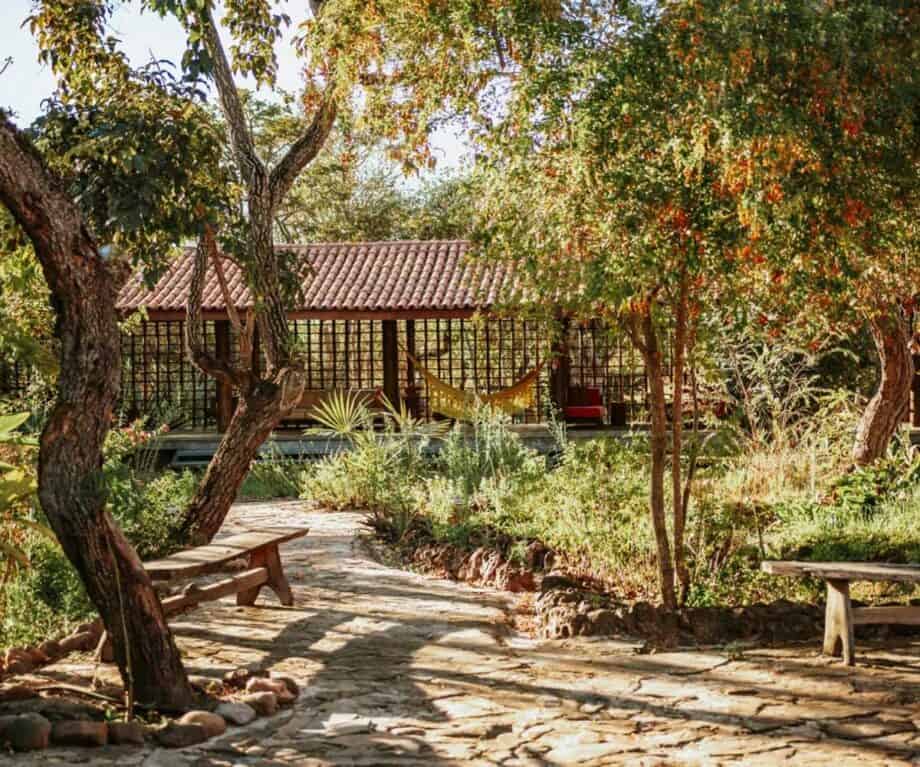
Aside from the wildlife, visitors to the savannahs can enjoy challenging hikes into practically untouched terrain, exploring the hills, rivers, waterfalls and plains of the Cerrado in almost total seclusion. For those seeking more active wildlife holidays, combining savannah wildlife tours with hikes, cycle trails, rafting and climbing in this region is a match made in heaven.
When to go
April to September, when milder temperatures mean bigger adventures.
Where to stay
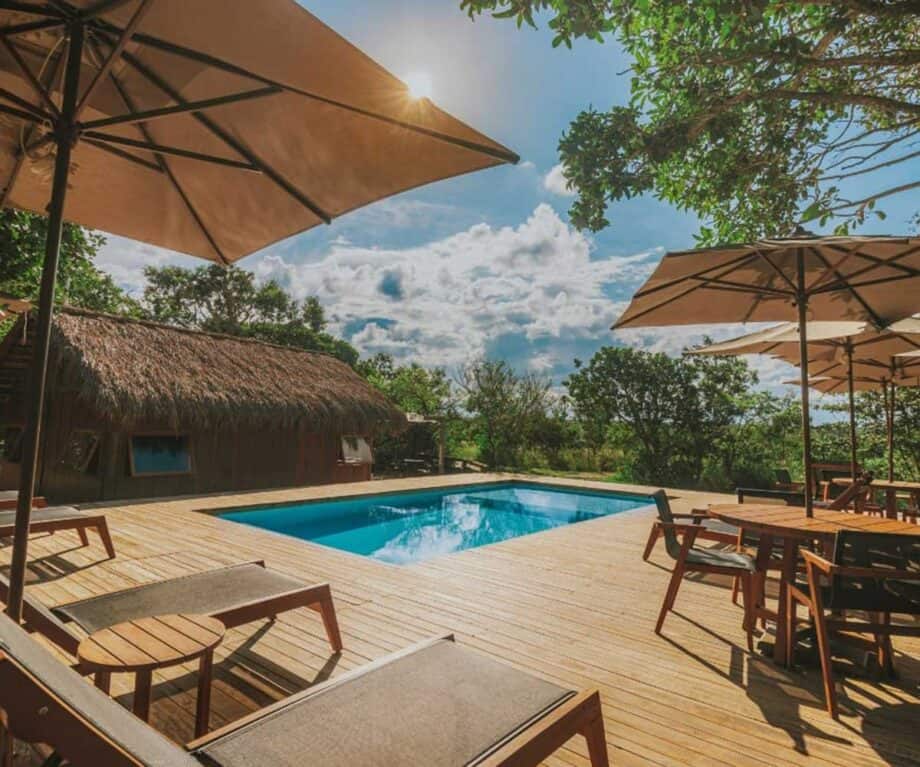
Pousada Trijuncao is accessible by a 5-hour drive from Brasília or a 30-minute light aircraft flight. An exclusive boho-chic lodge, the hotel has just seven rooms with bundles of rustic charm.

Simon Williams
Simon Williams is Director of Humboldt Travel. Humboldt Travel is a luxury travel company specialising in tailor made holidays to Latin America, Africa and Asia. If you would like to be a guest blogger on A Luxury Travel Blog in order to raise your profile, please contact us.
Did you enjoy this article?
Receive similar content direct to your inbox.