Uncovering the best of Tokyo’s underground food scene – with £2 ramen bowls and fruit sandwiches
The bustling capital of Japan has plenty of glossy restaurants, but Ellie Seymour argues that it’s in the side-alleys, smoky bars and historic drinking dens where you’ll find the city’s best cuisine
 UsenB
UsenB

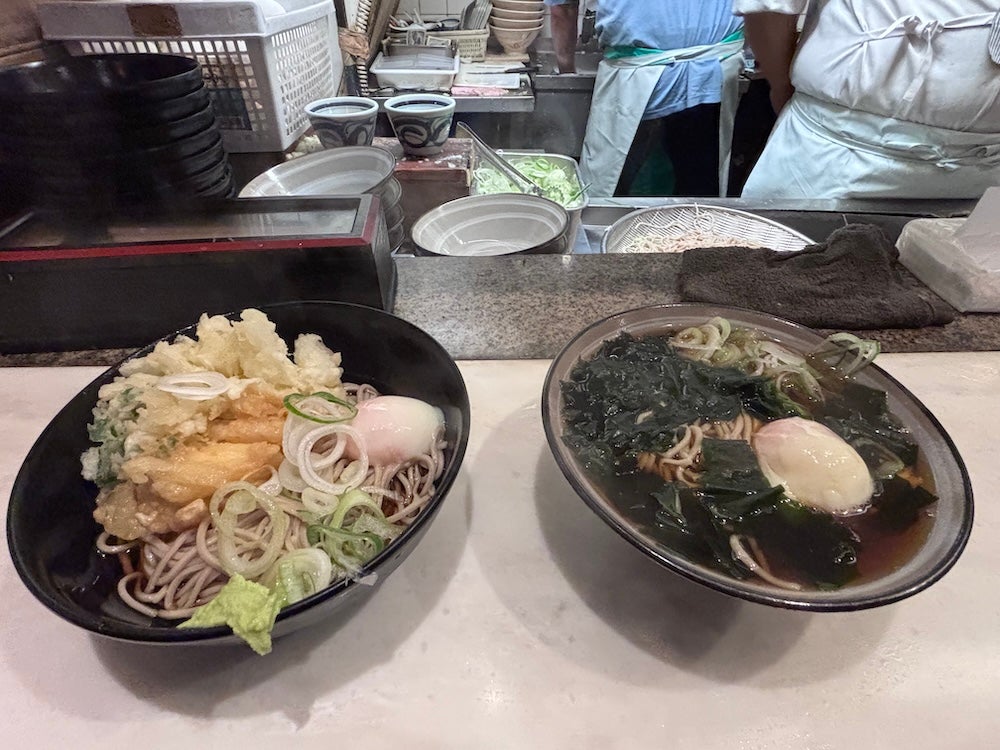
“Keep conversations to a minimum and focus on your meal,” says a typed folded A4 paper sign taped onto the back of a cupboard in front of me. Perched at a low counter on a padded diner stool, I do as I’m told, and pick up my bowl, slurping soup with a little porcelain spoon, and eating mouthfuls of noodles with chopsticks.
Rich warm broth drips down my chin, while the smell of frying tempura wafts from the tiny strip-lit kitchen in front of me, where Japanese chefs chatter. Behind me, hungry diners waiting in line for a seat are talking in hushed voices.
I’m at a no-frills, one-in-one-out, eight-seater ramen spot in the Omoide Yokochoa district of neon-hued Shinjuku, a neighbourhood in central Tokyo. It’s on a bustling, historic narrow alleyway hung with red lanterns and lined with minuscule bars, tiny restaurants and ramshackle street food stands. The alley is officially known as Memory Lane, but locals call it “Piss Alley” – a reminder of when it opened in the 1940s without a public toilet.
Read more: This underrated Japanese city is perfect for escaping overtourism
My 400 yen (approximately £2) bowl of ramen, topped with green vegetables and a halved hard-boiled egg is tasty and great value. As I continue slurping, I watch the two chefs in action; a middle-aged man wearing whites and a grease-stained apron, tosses handfuls of cooked noodles from a big basin into small bowls, ladles over some broth, and passes the bowl to his colleague in a blue shirt who piles on the various toppings.
Tokyo has the most Michelin-starred restaurants of any city in the world, totalling over 230, an accolade it's retained for over 15 consecutive years. But the guide isn't only reserved for palatial hotel dining rooms; plenty of its recommendations include unassuming counter spots and family-run kitchens – proof that in this city, exceptional cooking is just as often found atop a plastic table as at a five-star one.
There’s no doubt my first-night dinner at the one-Michelin-starred Yamazato sushi counter inside the five-star Okura, one of Tokyo’s best hotels, is a meal I’ll remember for years to come. But for most of my trip, I had planned to go beyond the gloss and discover as many alternative food experiences as I could cram into three days. I was hoping for a different perspective on the famously high-tech city, starting with street food in a hole-in-the-wall restaurant.
I finish my excellent bowl of ramen and go in search of yakitori – skewers of meat grilled over charcoal. Further along the alley, I squeeze into a tiny, smoke-filled restaurant packed with locals drinking iced whiskey highballs from plastic cups. I order a chilled sake and take a pot luck approach with the food, pointing to a picture resembling skewers of beef on a colourful laminated menu in Japanese.
Immersed in loud post-work chatter, I watch the grill chef in action. He’s wearing a black bandana and turning a row of tiny skewers on the grill over red-hot coals, which sends the odd flame shooting upwards. My plate of glossy skewers arrives and I sink my teeth into the buttery soft meat. It’s delicious and only 1000 yen (£5). I wonder how anyone can visit Tokyo without trying the street food.
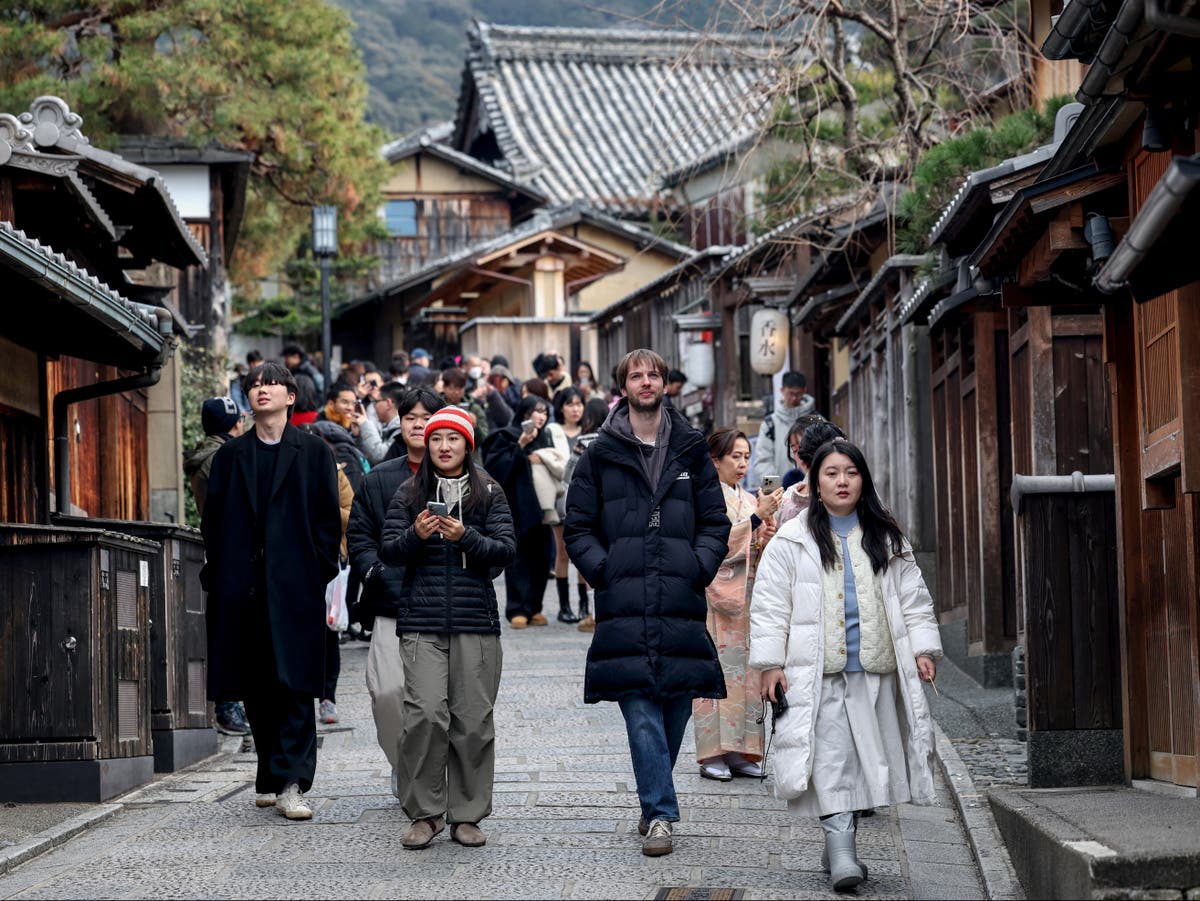
The next morning, I enjoy a hot can of coffee from a vending machine near my hotel for 120 yen (50p), ubiquitous in the city and the whole of Japan. It sets me up for an excellent food tour with Culinary Backstreets around YaNeSen, a trio of charming interconnected historic neighbourhoods – Yanaka, Nezu and Sendagi – in northwest Tokyo, dotted with serene shrines and preserved wooden houses. “You know, it really is ok to slurp your food,” our guide Can reassures us over a delicious breakfast of onigiri (stuffed rice balls) and miso soup at a timeworn restaurant. “In Japanese culture, it’s actually seen a sign of enjoyment.”
Over the course of five hours, we enjoy a host of unexpected culinary treats, including cream puffs from a delightful French bakery, expertly roasted coffee in a converted bathhouse, nostalgic sweets made of soya beans from a century-old shop, and sake at Yanaka Ginza, a bustling market known for its street food.
Read more: Japan is the beach holiday you’ve never thought of – but should have
With only room for a small bite that evening, I look for an izakaya, a casual Japanese bar, a bit like a pub or tapas bar, serving drinks and small, shareable plates of food. Thousands dot the city, so they’re easy to find; usually clustered in busy nightlife and business areas, especially near train stations. They also tend to have a red lantern outside, and a noren (curtain) hanging over the entrance.
I strike gold at Izakaya Sanzoku, hidden in a basement in well-heeled Akasaka in the heart of the city. Descending a narrow set of stairs, I discover a cosy dark wood-clad dining room, which is packed at 10pm. I grab a table next to a group of suited businessmen drinking beer and sharing a hot pot, then devour a plate of crispy Japanese kara age (fried chicken), some edamame beans and an overflowing glass of sake for 1200 yen (approximately £5.50).
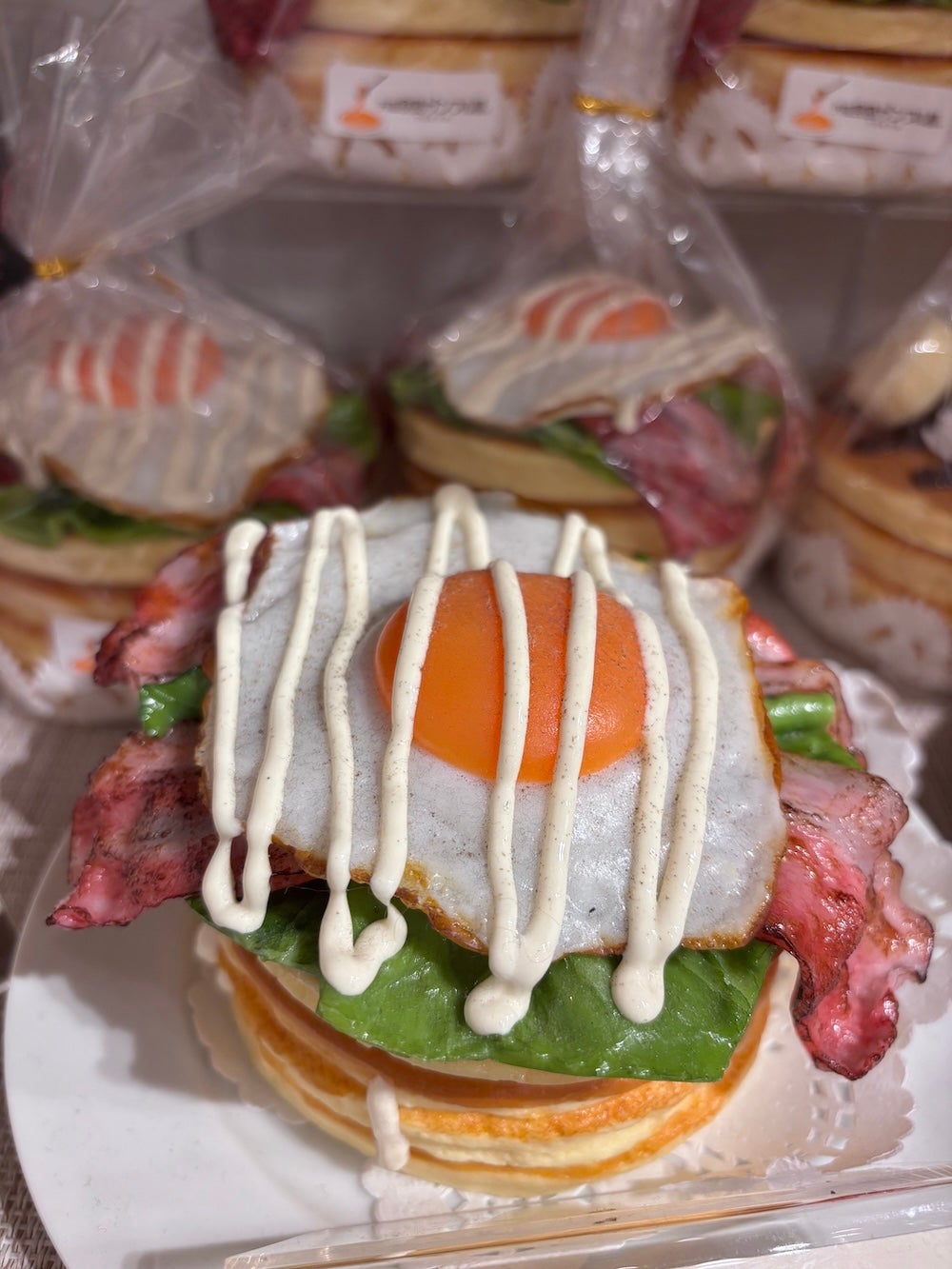
Early in my trip I become fascinated by all the colourful artistic displays of fake food samples – shokuhim sampuru. Seen outside most restaurants, these three-dimensional replicas of dishes are designed to make ordering food easier. To satisfy my curiosity, I spend my last morning in Kappabashi Dogugai Street in Taito City. Also known as “Kitchen Town”, this 800-metre-long street is home to over 170 specialised shops selling kitchenware, knives, and fake food samples. I lose myself taking in all their tiny technicolour details.
For dinner I go in search of so-called sumo wrestler stew – chunkonabe. This protein-rich, hearty Japanese hot pot is traditionally eaten in large quantities by sumo wrestlers to gain weight and build muscle. My search takes me to Ryogoku, a historic neighbourhood east of the Sumida River, where the sumo wrestler stadium is located. Several high-profile wrestlers own restaurants here, but I choose one I walk past purely for the smiling face of a wrestler on its sign.
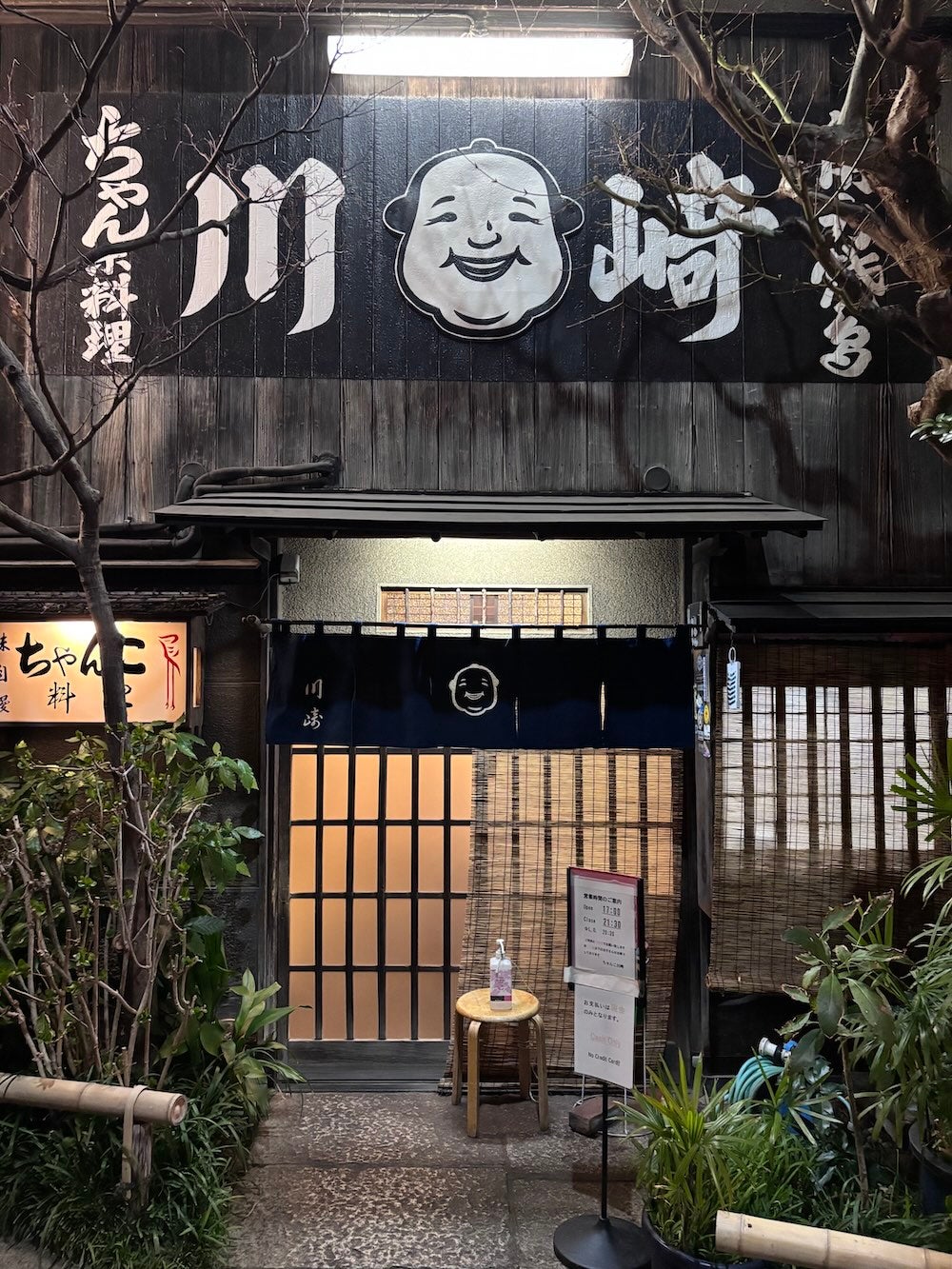
Sliding open the panelled wooden door to Chanko Kawasaki I’m greeted by two friendly bowing waitresses in white aprons who usher me to a counter seat in one of two nostalgic wood-panelled dining rooms. An old TV perched high in the corner of the tiny strip-lit kitchen opposite blasts out a wrestling match. In minutes, a chunky ceramic hot pot of broth is bubbling away over a gas burner in front of me, filled to the brim with chicken, tofu, strips of omelette and a rainbow of vegetables. At 5000 yen (£23), it’s my most expensive meal, but delicious and worth every penny. It doesn’t surprise me when I discover later that Chanko Kawasaki holds a Michelin Bib Gourmand, the guide’s nod to exceptional food at modest prices.
The Japanese are obsessed with aesthetically pleasing desserts so I wrap up my adventure with a fruit sandwich – furutsu sando. These colourful sweet creations consist of freshly sliced fruit layered with whipped cream between pillowy white bread. Most convenience shops sell them, but I treat myself at Takano Fruit Parlour, a luxurious cafe, which is five floors above Shinjuki, close to where my off-beat food journey began – and much in the same way: quiet contemplation.
Ellie was a guest of Culinary Backstreets
Read more: Why the ‘Hawaii of Japan’ should be your next beach holiday
How to do it
Japan Airlines fly from Heathrow to Tokyo, taking around 14 hours.
Culinary Backstreets runs small-group food tours led by local experts across cities taking in market stalls, family-run kitchens and hole-in-the-wall spots you'd never find alone; from around £70 per person.