What do we know about Edinburgh’s new overnight visitor levy and other UK tourist taxes?
While the council is adamant that the new visitor levy will create positive change, local accommodation owners are worried it could impact their business
 AbJimroe
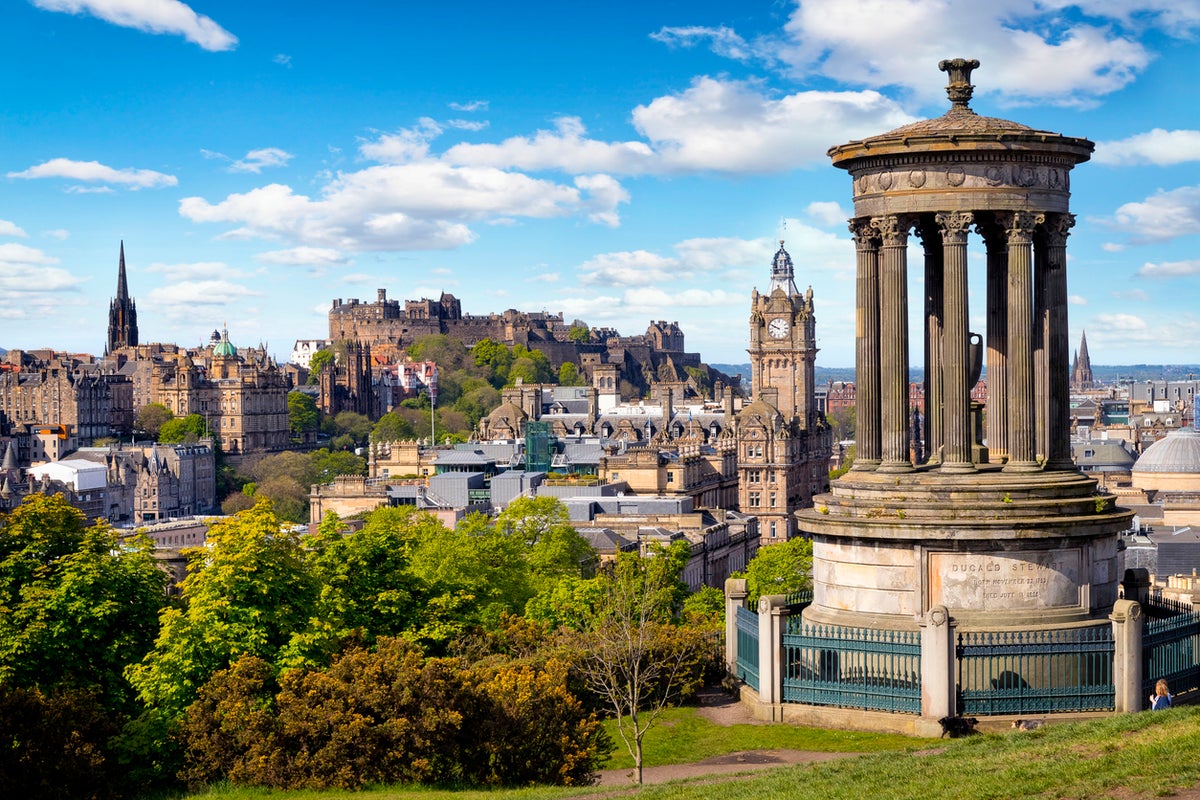
Edinburgh has become the first UK destination to introduce a tourist tax city-wide, meaning visitors to the Scottish capital will have to pay an extra fee when staying in accommodation overnight.
It’s something you might have spotted in Paris, Barcelona or Amsterdam: an extra fee, added to your nightly accommodation bill. The taxes are typically collected by hotels or rental properties on behalf of a local authority, and are usually reinvested into the city’s resources.
Edinburgh’s visitor levy will result in a a five per cent fee added to the original booking cost, capped at five nights in a row.
Other Scottish cities like Glasgow and Aberdeen will follow suit, while Wales will also start doing the same by 2027. England has only just passed its own visitor levy act into law, but some legal loopholes have already allowed cities such as Manchester and Liverpool to charge you a small fee when you stay overnight.
We have compiled the latest information on visitor levies in the UK, such as what areas you can expect an extra charge, why authorities are imposing them and where your money goes once it’s collected.
What is a visitor levy? Is it different to a tourist tax?
The phrases “tourist tax” and “visitor levy” are often used interchangeably, but both refer to the same policy: a levy on the occupation of short-stay accommodation in a local authority area.
The term “visitor levy” is used more often by local authorities in the UK. The language can get confusing, as using the term “tourist tax” sounds like it implies those travelling for business would not need to pay; however, levies usually extend to all types of visitors, with a few exceptions. While it will vary between local authorities, those who are exempt from paying levies could include children, those travelling for medical reasons or fleeing from domestic violence.
A visitor levy normally takes the form of a charge per occupied bed or room per night, taxed on short-term accommodation providers such as hotels.
The charge can be a flat rate for the entire duration, or a series of flat rates, for example, £2 per room per night. It can also be set as a percentage of the nightly fee.
Scotland
The Visitor Levy (Scotland) Act became law in September 2024. This allows councils in Scotland to tax overnight accommodation if they wish to do so, and spend the money raised on local facilities and services used by visitors.
They must consult local businesses, communities and tourism organisations before agreeing to introduce the levy in their area.
Edinburgh is the first area to vote to add a five per cent surcharge on visitors’ overnight stays. The levy is being applied to all bookings made from 1 October 2025 for stays taking place on or after 24 July 2026. The tax will be collected by the accommodation provider, then it is paid to the local authority.
The tax applies to a large number of accommodation types, such as hotels, hostels, campervans, boats that stay in one place, holiday lets and campsites, but caps at five nights in a row.
The City of Edinburgh Council said that the levy, which will be reinvested into the city for the benefit of tourists and residents, is projected to raise up to £50m a year.
Glasgow will also have a five per cent overnight accommodation levy from 25 January 2027, while Aberdeen will have a slightly higher levy of seven per cent on overnight stays from 1 April 2027.
What has the reaction been to Edinburgh’s visitor levy?
Council Leader Jane Meagher said that the city’s popularity “comes at a cost”, as the increasing number of tourists who use public services puts “pressure” on infrastructure, affecting people who live in the city year-round”.
She added: “This small new contribution from overnight visitors will help improve the services and public spaces we all depend on, while better managing the effects of tourism and major events.”
The CEO of the Edinburgh Fringe Festival Society, Tony Lankester, told The Stage that he thinks the levy is a “good thing” as the impact of tourists is borne by the people who live in the city but that the council has been too vague on what it will spend the generated funds on.
Other organisers of major cultural events in Edinburgh, however, have not welcomed the news. Scottish Ballet revealed it had cancelled five shows in the city this winter, blaming the tourist tax for hiking accommodation prices.
The Association of Scotland’s Self-Caterers (ASSC) have also long voiced their stance against the visitor levy. In its most recent statement, the ASSC pleaded for the minimum possible burden on businesses, as collecting the levy comes with administration, software changes, staff training and compliance work, which can all add up for small businesses.
Angus Neilsen, who owns several self-catering units across Edinburgh, told The Independent it is “unfair” that accommodation is the one sector out of the entire tourism industry that has to collect the tax.
He added: “All the other businesses that also benefit don't pay it. Restaurants, bars, visitor attractions, tour companies – all of these are all benefiting, but they are not being expected to work out any of the costs.”
England
On 13 May 2026, the Overnight Visitor Levy Bill was included in the King’s Speech. Briefing notes say the legislation will transfer power out of Westminster by devolving new revenue-raising powers to mayors and other local leaders.
After it was first announced in November 2025, a consultation was launched on how a new levy on overnight stays would look. After the King’s Speech, there have not been any further steps taken yet.
The bill aims to help places reinvest revenue into the local area to support economic growth, strengthen public services and improve visitor experience.
The government’s briefing notes also argue that mayors and local leaders in the UK are left far behind their international equivalents in their ability to raise revenue locally. The share of national taxes collected at the sub-national level in the UK is 5.8 per cent: just a fifth of the European Union average and the lowest of the G7 by far.
In France, the share is 20.4 per cent; in Japan, 36.0 per cent, and in the USA, 45.7 per cent.
However, some city councils, like the ones in Manchester and Liverpool, had already introduced a form of tourist tax via a legal workaround using an Accommodation Business Improvement District (ABID).
What is an Accommodation Business Improvement District?
In a Business Improvement District (BID), local enterprises pay into a fund for community projects that will, in turn, benefit them. The Accommodation Business Improvement District (ABID) is a version of this for hotels.
BIDS are independent not-for-profits, so the levy isn’t established or run by local authorities. The levy in both Liverpool and Manchester was put in place by the ABIDs, which are run by boards.
What are the current tourist tax rules in Liverpool?
As of June 2025, guests staying in around 100 Liverpool ABID hotels pay a £2 per night fee. The group says this will bring in £9.2m over two years, of which £6.7m will go towards supporting the city’s visitor economy.
Authorities do not think that Liverpool is suffering from overtourism, but the ABID levy is part of a strategy to spread out the flow of visitors.
Bill Addy, CEO of Liverpool BID Company, explained that it is currently focused on attracting business events mid-week to support quieter times.
“This is because our corporate base isn’t as strong as it could be. The board of hoteliers is an invaluable source of understanding for both how the city ebbs and flows and its busiest times and trends,” he told The Independent.
Mr Addy also stated that Liverpool’s hospitality businesses “are in crisis”, so the BID is trying to reinvest in the tourist experience in the city – encouraging return visits.
After the BID levy was introduced this summer, Mr Addy said Liverpool has had the best July on record in terms of room bookings.
“That speaks for itself. Tourists are used to city charges; ours is a minimal, fixed fee that is easily communicated and absorbed. We are not using it to deter tourists, so that’s important to us.”
He also argued that local ABIDs are preferable to a nationwide law. “We believe a model where the private sector can invest directly into visitor economy support is the better model.”
“Business Improvement Districts have to be accountable and transparent, and it means we can share the details of investment. It also allows for a hyperlocal approach that is both flexible and reactive,” he said.
What are the tourist tax rules in Manchester?
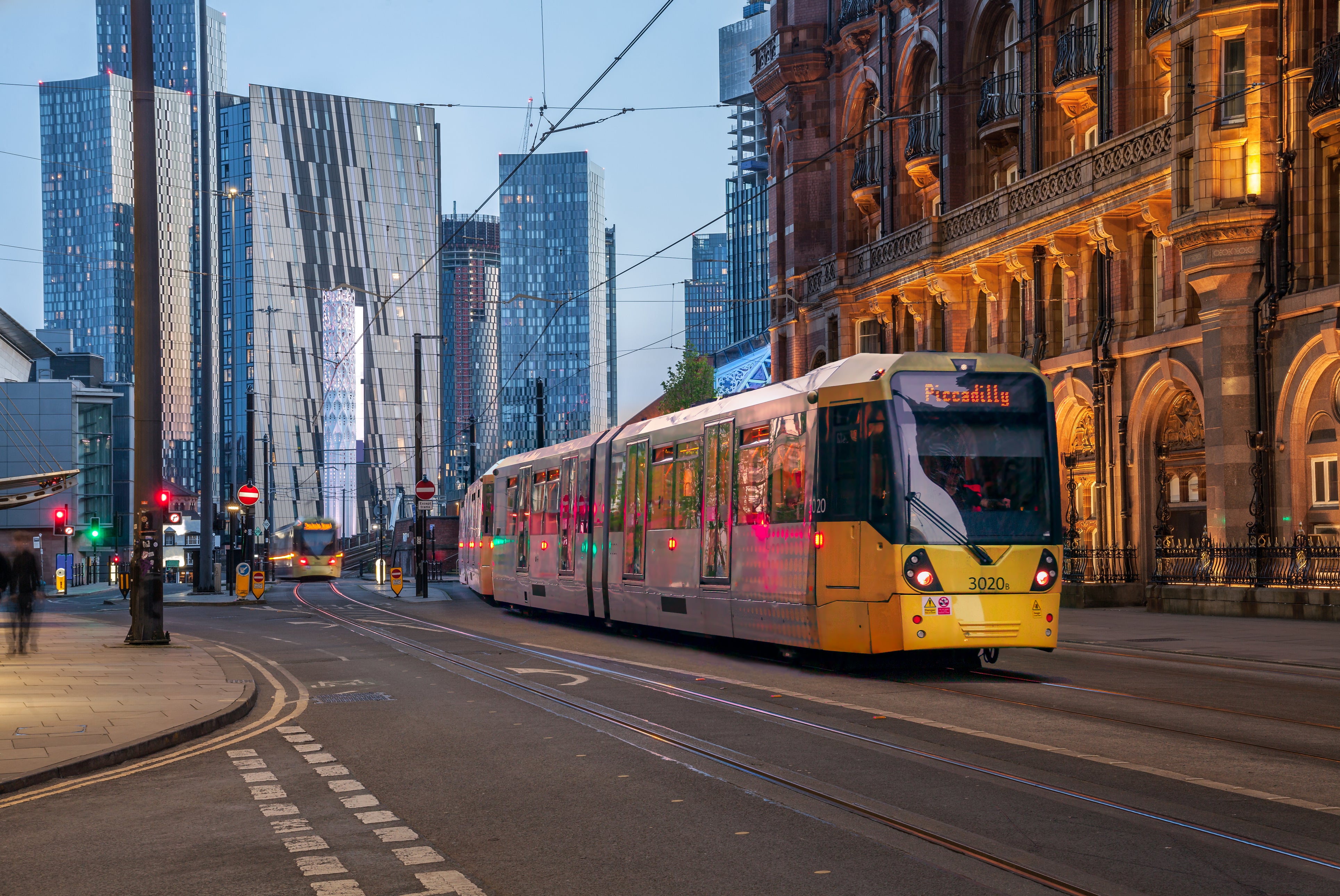
Over in Manchester, guests staying in paid accommodation within the Manchester ABID zone have to pay an additional £1 per room, per night.
Manchester ABID said that the levy has been “warmly welcomed” by guests and accommodation providers alike, with funds generated from this levy being used to support bids for awards ceremonies such as the Brit Awards and NBA sports events.
Wales
The Visitor Accommodation (Register and Levy) Etc. (Wales) Bill was passed by the Senedd in July 2025, giving power to councils in Wales to introduce a tax on overnight stays.
Like Scotland, no destinations in Wales currently have a tourist tax in place on overnight accommodation, as the earliest a council could implement one is April 2027.
The money raised from levies in Wales will be used to maintain local facilities and infrastructure to improve tourism. Councils must consult residents and businesses if they choose to introduce a fee.
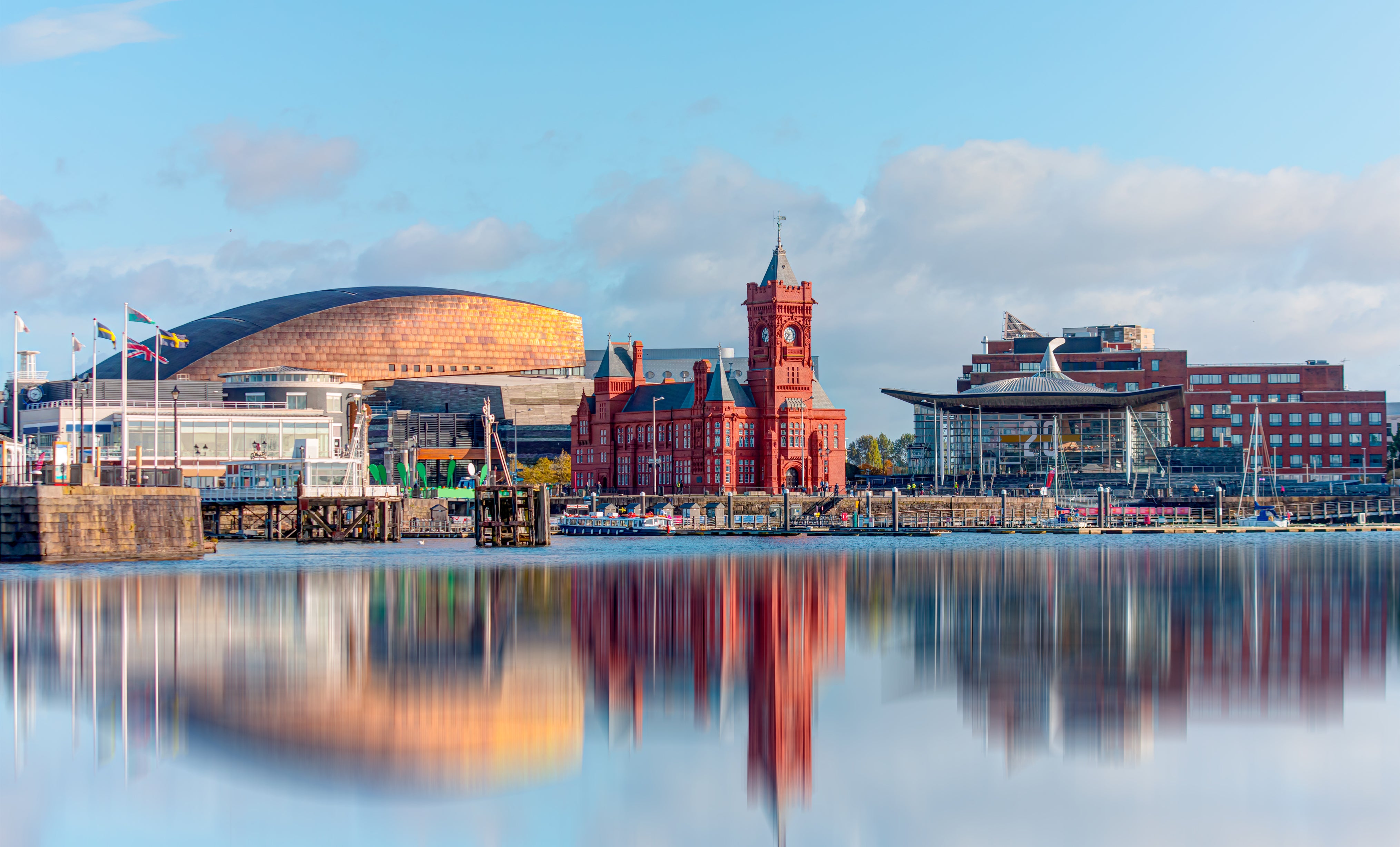
The visitor levy will be charged per person per night and will be collected by the accommodation provider. For campsite pitches, hostels and dorms, the cost will be 75p per person, per night, while all other types of visitor accommodation will have a £1.30 charge per person per night.
You will not pay the visitor levy in Wales if you are in emergency or temporary housing arranged by the council, or are under 18 and staying at a campsite, hostel or dorm.
Northern Ireland
A spokesperson from Northern Ireland’s Department for the Economy said: “No plans are under consideration to introduce a tourism levy in the north.”
Read more: Labour announces ‘tourist tax’ to boost England’s cities