Why Some Men Travel Internationally for Intimate Procedures
Bangkok has become a recognized destination for medical tourism because it combines private healthcare access, international patient services, hospitality infrastructure, and relative affordability. Over the course of the past several years, it has become increasingly common for people to...
 AbJimroe

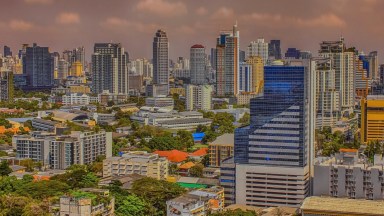
Bangkok has become a recognized destination for medical tourism because it combines private healthcare access, international patient services, hospitality infrastructure, and relative affordability.
Over the course of the past several years, it has become increasingly common for people to seek out medical procedures on an international level. As technological tools such as social media have spread in popularity and power, many of the perceived cultural boundaries between countries have eroded away. This has created a degree of transparency that has inspired many people to look abroad when considering substantial procedures.
Just as Turkey has become synonymous with hair restoration, in the same way, Bangkok has become internationally renowned for the craft, efficiency, and price with which many doctors provide intimate male surgery, such as penis pearling from Menscape Clinic. For men considering intimate or elective procedures abroad, the key issue is not only cost or convenience, but also privacy, provider credentials, informed consent, aftercare, and travel timing.
Rise of Men’s Medical Tourism in Bangkok
In recent years, Bangkok has become a major medical travel hub. Today, many international patients travel to Thailand for elective, cosmetic, dental, wellness, and specialist procedures, while men’s health services are becoming part of that broader trend.
The reasons that Bangkok appeals to so many different types of potential patients all around the world include privacy and discretion for sensitive procedures, access to private clinics and international hospitals, and even English-language patient support in many facilities. It has become such a frequent destination for medical tourism that there is even an entire industry in place for it, making it that much simpler for modern patients. Travel infrastructure, hotels, and recovery-friendly accommodation are all easy to come by.
Bangkok also offers potent potential cost savings compared with some Western private healthcare markets, as well as shorter wait times for consultations or elective treatment. All of this means that traveling to Bangkok may help patients reduce costs or plan expenses more carefully upfront.
Safety First
Some men travel to Bangkok for intimate, cosmetic, or sexual wellness procedures. These types of procedures require proper consultation, medical screening, infection-control standards, and realistic expectations. It is crucial that men considering intimate procedures abroad should treat them as medical decisions, not travel add-ons. A surgery is not an excursion; it is a large, potentially life-changing decision.
As such, any and all potential patients should seek out a reputable provider and ask them to explain risks, healing timelines, aftercare, and signs of complications before committing to anything. International accreditation is one way that patients evaluate healthcare facilities. This should not replace procedure-specific research, but rather act as a tool to aid in that effort.
Use Cases: Men Seeking Medical Help
A man traveling from Australia may schedule a private consultation and procedure during a longer Bangkok stay, allowing time for follow-up before flying home. A digital nomad based in Southeast Asia may choose Bangkok because it offers international medical services, hotels, transport, and post-procedure privacy. A patient from Europe may compare local private clinic pricing with options in Bangkok, but should also factor in flights, accommodation, recovery time, and possible follow-up care. A patient considering a sensitive procedure may value discretion, but still needs documented medical guidance and realistic recovery expectations.Medical Tourism Risks and Planning Considerations
Traveling internationally for medical care can carry substantial risks, including complications, antibiotic-resistant infections, communication challenges, and issues with follow-up care. Furthermore, travel after surgery can increase the risk of blood clots because long flights and recent procedures can both contribute to clot formation.
This is why it is essential that patients verify clinic credentials, understand who is performing any procedure, and ask about sterilization and infection prevention. An element that many people overlook is the aftercare of it all; even if the procedure goes off without a hitch, navigating the recovery period can be difficult, especially if you’ve traveled from abroad. As such, patients should request written aftercare instructions, plan out enough time in Bangkok to properly recover before flying home if possible, and confirm what happens should complications occur after they have already returned home.
FAQ Section
Is Bangkok a common destination for men’s medical tourism?
Yes. Bangkok is widely known for private healthcare and international patient services, but patients should still evaluate each provider carefully.
What should men check before booking a procedure abroad?
They should check the provider’s credentials, facility standards, aftercare process, consultation quality, and complication policy.
Is it safe to fly soon after an elective procedure?
Patients should ask their doctor before flying. The CDC notes that travel after surgery can increase blood clot risks, especially when long flights require extended sitting. (CDC)
Can medical tourism help reduce costs?
It may help some patients manage costs, but total expenses should include flights, accommodation, recovery time, follow-up care, and possible complications.
Why is aftercare important for men’s medical tourism?
Aftercare helps patients understand healing, infection signs, activity restrictions, and when to seek medical help after returning home.
This article is for informational purposes only and does not substitute for professional medical advice. If you are seeking medical advice, diagnosis or treatment, please consult a medical professional or healthcare provider.