
Why You May Still Feel Tired Even After Treating Sleep Apnea
What that lingering fatigue may reall mean.
 MikeTyes
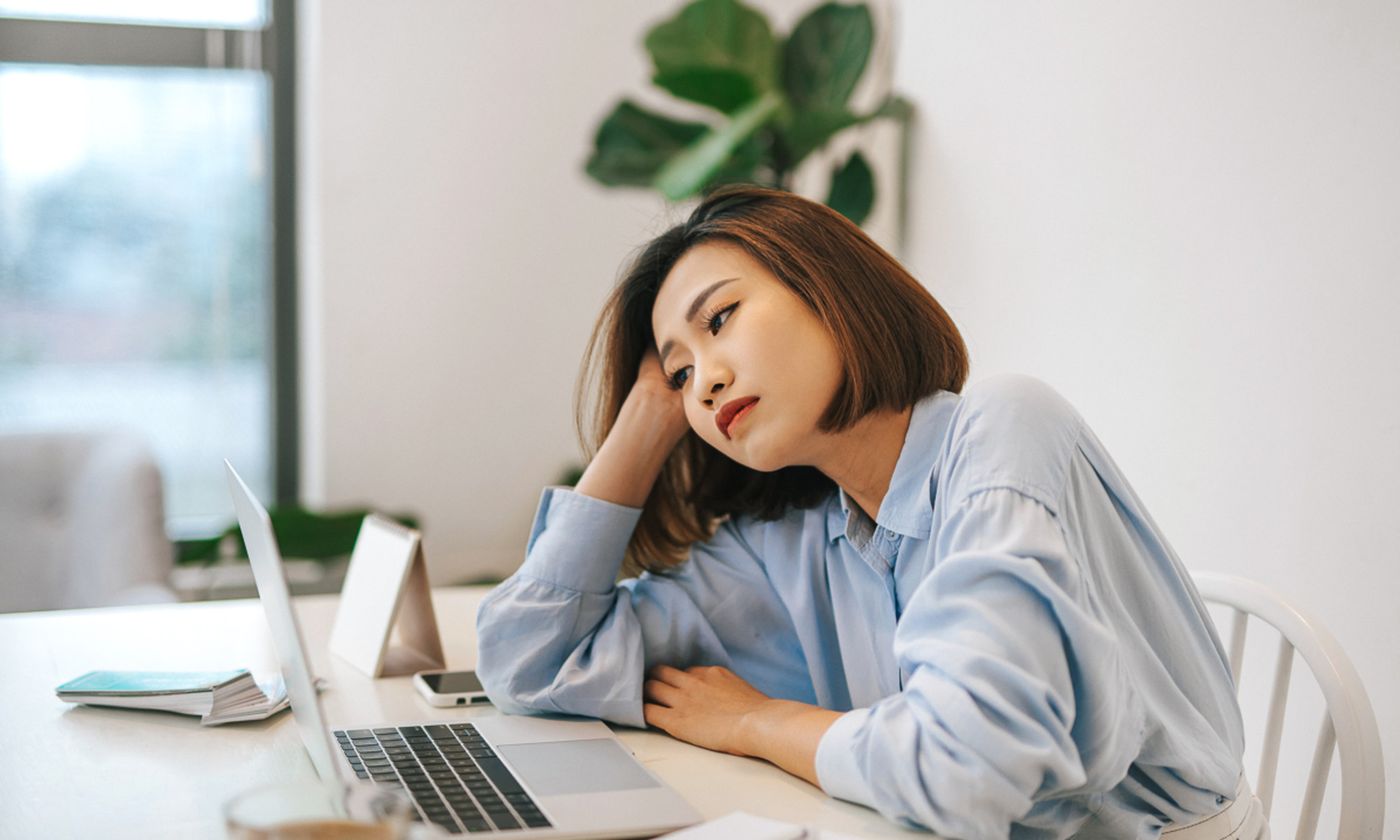
Image by Marc Tran / Stocksy July 14, 2026 If you've been treated for sleep apnea and still wake up exhausted every morning, you're not imagining it, and you're not alone. Getting a sleep apnea diagnosis and starting treatment is a huge step, but for a lot of people, it doesn't automatically mean feeling better. New research published in the journal Sleep suggests there may be more to the story, and a medication you might not expect is at the center of it.
About the study
Obstructive sleep apnea is a condition where your airway repeatedly collapses during sleep, causing you to stop and restart breathing throughout the night.
It's closely tied to obesity, and while CPAP therapy (a device that keeps your airway open with a steady stream of air) is the standard treatment, plenty of people struggle to use it consistently. And even those who successfully use the CPAP machine still often wake up feeling exhausted.
Researchers already knew tirzepatide, a peptide widely known as a weight loss and diabetes drug, could reduce how often people with OSA stop breathing. But this study wanted to find out whether it also changed how people felt day to day, and whether that depended on how symptomatic someone was going in.
The analyses drew from two 52-week, placebo-controlled trials, one in people not using CPAP therapy, and one in people who were. Participants were grouped by their baseline fatigue, sleepiness, snoring, and sleep quality, and tracked over the course of the year.
People who felt sleepiest at the start saw the most improvement
In both studies, people taking tirzepatide reported greater improvements than those on placebo, especially in those who were struggling the most with sleepiness at the beginning of the trial.
In the study of participants not using a CPAP machine, those who came in feeling fatigued saw the biggest gains across activity levels, energy levels and overall health perception. The same pattern held for sleep-specific measures:
The study of people using CPAP machines followed the same general pattern.
Across both studies, tirzepatide was also associated with consistent improvements in objective measurements of OSA, like breathing disruption rates, blood oxygen levels during sleep, and weight, regardless of how symptomatic someone was at the start.
What this means beyond the sleep lab
Standard sleep studies measure how many times per hour someone stops breathing. This number is important, but it doesn't tell you how someone feels when they wake up, if they have enough energy to get through the day, or whether they can make it to 3 p.m. without crashing.
The fact that people who were most fatigued, most sleepy, or had the worst sleep quality at baseline showed the greatest improvements on those specific measures suggests tirzepatide may be doing more than just keeping airways open. It may be addressing the downstream effects of poor sleep that people actually struggle with in their everyday lives.
What to do if you have sleep apnea & still feel exhausted
This research is most relevant to people with moderate-to-severe OSA and obesity, especially those who still feel fatigued or unrefreshed in the morning. If you've been wondering whether sleep apnea could be behind your brain fog, anxiety, or low energy, this is worth bringing up with your doctor.
It may feel like CPAP therapy is the panacea for all sleep apnea patients, but this research should reassure you that CPAP alternatives exist and the treatment landscape is actively evolving. A few things worth keeping in mind when it comes to tirzepatide & OSA.
The takeaway
For people with OSA and obesity who still feel run-down despite treatment, tirzepatide may offer more than just breathing improvements. It appears to move the needle on fatigue, sleepiness, and sleep quality in ways that matter for daily life, with the biggest gains going to those who were most symptomatic at the start.
The research is still early, but it points to a more complete picture of what effective OSA treatment could look like.



















![What AI Bot Data From Hundreds Of Sites Reveals About AI Search [Webinar] via @sejournal, @lorenbaker](https://cdn.searchenginejournal.com/wp-content/uploads/2026/08/ap2-copy-728.png)

