Your next Teams meeting could have an AI teammate that answers questions for you
From AI-powered notes in physical meeting rooms to a chat list that actually organizes itself, Microsoft's summer Teams update is more practical than most.
 AbJimroe

Teams is getting smarter, cleaner, and quieter about it. The AI features are opt-in, the chat cleanup is automatic.
 Microsoft Teams
Microsoft Teams is getting a meaningful update that overhauls almost every part of how you use the app, from AI-assisted meetings to a cleaner chat layout. Most of the changes are already in testing, and several are scheduled to roll out before the end of the summer.
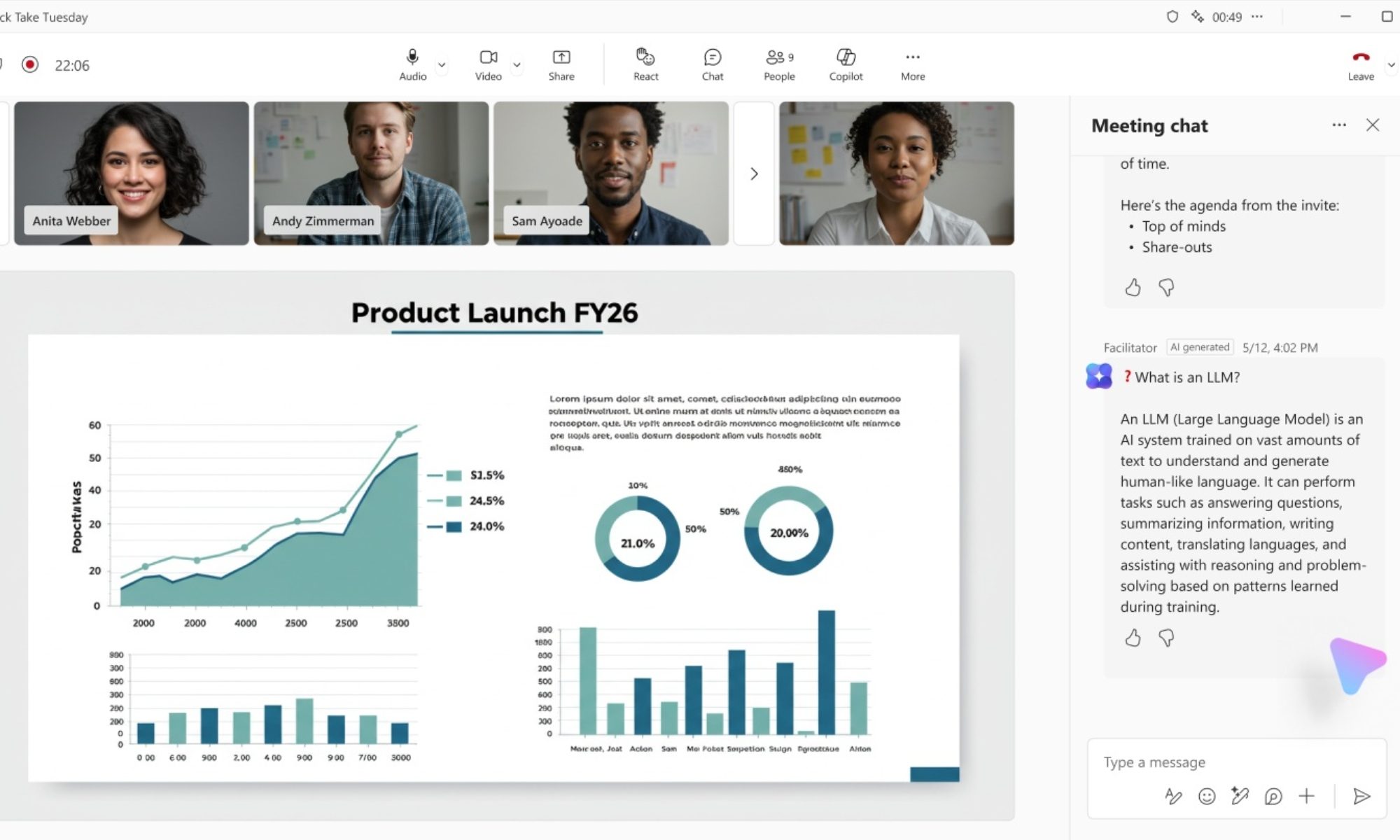
Starting with the most interesting addition: an upgraded AI Facilitator that can listen to your meeting, spot when someone seems confused, and generate a response (via Windows Report).
 Windows Latest
So what exactly is changing in Teams?
The AI Facilitator can step in with an AI-generated answer in the chat when it detects silence in a meeting, particularly after a question has been asked and you can’t respond. It can also search the web in real time to help field questions.
Microsoft is careful to note that this feature will not be on by default. Furthermore, participants can disable all Meeting AI features using a single toggle. While organizers and regular participants get access to the control, guests don’t.
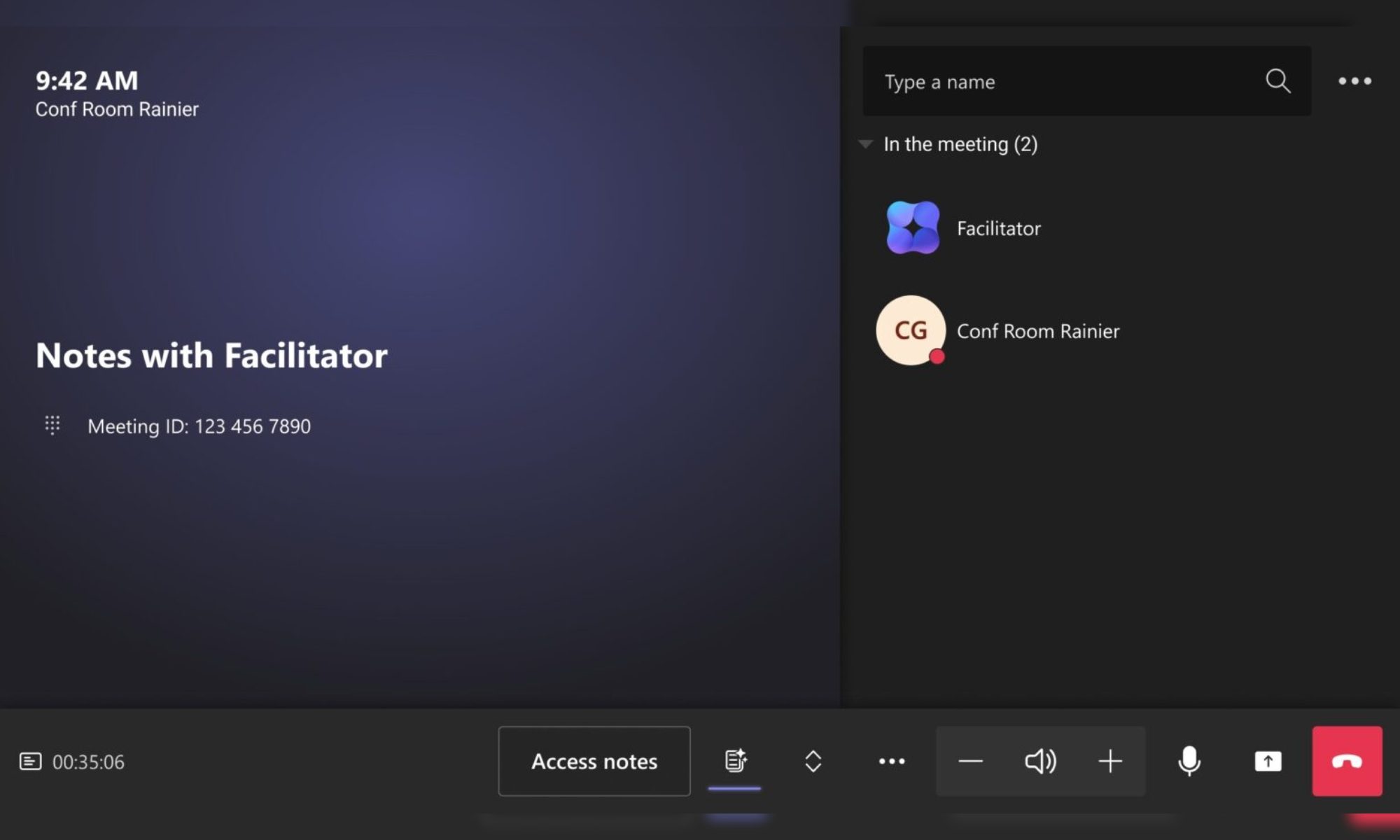
For teams that meet in person rather than over video, Teams Rooms on Windows will gain AI-powered notes starting in August 2026. General availability for the feature commences in October.
A physical meeting participant can tap Take Notes, and Teams will display AI-generated notes and action items on the right side of the screen. The notes can then be synced to SharePoint for the rest of the team.
 Windows Latest
What else is new?
On the chat side, Teams is introducing two new sections: Muted and Meeting. Conversations that have been muted will drop into their own section, and meeting-related chats will be grouped in a separate one.
As part of this change, Existing Meeting chat filters are going away. Screen sharing is also getting its own dedicated section in the interface, reducing clutter around meeting controls.
Yet another small but genuinely useful update is a change to how guest invitations work. Instead of arriving from a generic no-reply address, invite emails will now come from the actual person who sent the invitation. This makes them appear legitimate and allows guests to reply directly.
Microsoft says this rollout should be complete by the end of July.

For more than five years, Shikhar has consistently simplified developments in the field of consumer tech and presented them…
A hacker’s arrest just revealed how Microsoft can track your Windows device
Microsoft knew what websites his Windows PC visited.

A teenager allegedly used a VPN to cover his tracks while hacking a US jewelry retailer, but Microsoft knew anyway.
Court documents unsealed in the US case against Peter Stokes, a 19-year-old dual US-Estonian citizen accused of being a member of the notorious Scattered Spider hacking group, reveal that Microsoft provided the FBI with records tied to a tracking mechanism called the Global Device Identifier, or GDID.
The days of cheap Chinese AI models could be number as government mulls restrictions similar to the US
The AI world’s bargain aisle could be closed by China soon.

DeepSeek's R1 helped kickstart global interest in low-cost Chinese AI. This was followed by increasingly capable systems from Alibaba, ByteDance, and Z.ai. Some models can be downloaded, customized, and hosted independently, giving many developers an alternative to paying for access to expensive US platforms.
However, this bargain may soon face a geopolitical lock--and this time, it's because of China and not the US. Reuters reports that Chinese authorities have held meetings with Alibaba, ByteDance, and Z.ai about potentially restricting overseas access to the country’s most advanced AI systems. Discussions apparently included closed models and open-weight releases, along with technology that has yet to reach the public.
Microsoft pushed Copilot everywhere, but barely anyone bought it, and even fewer use it: Report
Users are barely showing up for Copilot

Microsoft has spent the past few years making Copilot extraordinarily difficult to avoid. It appeared in Windows 11, and soon found its way to Edge, Word, and almost everywhere else in Microsoft's software suite. New laptops even received a dedicated Copilot key. Microsoft wanted AI to become a daily habit, and it had hundreds of millions of existing customers to leverage.
But the latest adoption figures suggest that the distribution was quite disappointing. Microsoft revealed that Copilot 365 has more than 20 million paid seats. While that does sound impressive at a glance, this number is dwarfed when you compare the company's more than 450 million paid commercial Microsoft 365 seats. So fewer than 4.5% of those customers pay for the full Copilot experience.



















.jpg&h=630&w=1200&q=100&v=c0f97a310e&c=1)
![AEO checker tools that measure answer engine visibility [2026]](https://53.fs1.hubspotusercontent-na1.net/hubfs/53/aeo-checker-1-20260903-3858273.webp)