5 Red Flags You're Drinking Low-Quality Coffee & Choosing A Better Brew
If you drink coffee daily, listen up.
 Konoly

Registered Dietitian Nutritionist
Image by Martí Sans / Stocksy August 15, 2026 When you hear the term “healthy coffee,” you may immediately think about what goes into your cup. Maybe you skip the refined sugar and flavored syrups, choose a milk without additives, or keep your coffee simple and black. But a big part of what makes your morning brew healthy is the beans themselves. Coffee is one of the most significant sources of polyphenols and antioxidants in the diet for many people. These compounds include chlorogenic acid, caffeic acid, ferulic acid, and trigonelline. The amount and composition of these compounds can vary depending on factors like the coffee species, roast, storage, and brewing method. That means if you’re drinking coffee every day, choosing higher-quality beans can be about more than getting a better-tasting cup. The problem is there is a lot of low-quality coffee out there. Here are 5 red flags to look out for, and how to choose a cleaner brew. Organic coffee stands out because of how it's grown. USDA-certified organic coffee is produced according to organic farming standards, which restrict the use of certain synthetic pesticides and fertilizers. This can be particularly appealing if you're trying to reduce your overall exposure to pesticides. Research suggests that choosing organic foods can lower dietary pesticide exposure. That doesn't mean conventional coffee is inherently unhealthy. But if organic is a priority for you, look for a USDA Organic seal or another reputable third-party certification rather than relying on the word “organic” alone. If you see a roast date on your coffee bag, consider it a good sign. Coffee beans don't necessarily expire after a certain date, but they are sensitive to oxygen and gradually lose some of their aromatic compounds after roasting. Over time, storage can also affect coffee's antioxidants. Freshly roasted beans also tend to deliver a more flavorful, aromatic brew. That's why a roast date is useful. It gives you a better idea of how fresh the beans are and how long they've been sitting around before making their way into your cup. If you're a coffee snob, you probably already know that there's a reason Arabica beans1 have become the gold standard for specialty coffee. There are two primary coffee species you'll encounter: Arabica and Robusta. Arabica beans tend to produce a smoother, more complex, nuanced cup, while Robusta is typically stronger, more bitter, and more pungent. Robusta isn't inherently “bad” or unhealthy. In fact, it naturally contains more caffeine than Arabica and can contribute desirable characteristics to certain espresso blends. But when you're looking for a higher-quality coffee and a more enjoyable brew, Arabica is generally the better choice. Robusta is often used in lower-cost coffee blends, where it can help keep prices down while adding body and caffeine. 4. Coffee is an agricultural product, and like other crops, it can be susceptible to fungal growth during growing, drying, processing, and storage. The bigger concern is the presence of mycotoxins2—compounds produced by certain molds that can contaminate food. The FDA specifically lists coffee among the foods susceptible to mycotoxins and notes that ochratoxin A can occur in coffee when beans aren't properly dried or stored. This is one reason third-party testing can be valuable. You can't tell whether coffee contains mycotoxins just by looking at the beans, and their presence doesn't automatically mean a coffee is unsafe. If coffee is something you drink every single day, choosing a brand that voluntarily tests its beans for mold and mycotoxins can offer another layer of quality assurance. 5. Grinding coffee beans dramatically increases their surface area, exposing more of the coffee to oxygen. That can accelerate the loss of the aromatic compounds responsible for a fresh, flavorful cup and the loss of antioxidants. That's why whole-bean coffee is generally the better choice. Grinding your beans immediately before brewing helps preserve their flavor and aroma. It also gives you more control over your brew. A finer grind works well for espresso, while drip coffee and pour-over methods typically call for a medium grind.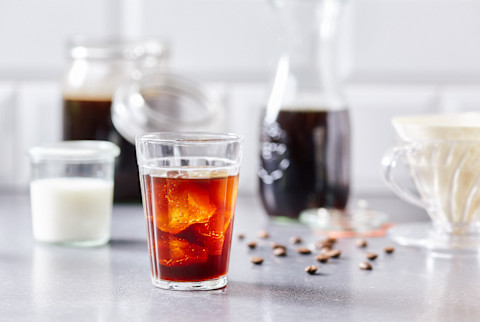
Not tested for mold and mycotoxins
Pre-ground instead of whole bean
Our better option

Given that it can be quite challenging to find a coffee that meets all this criteria, we were inspired to create our own clean coffee+.
This premium coffee blend contains USDA-certified organic Arabica beans that undergo comprehensive third-party lab testing in the U.S. for mold, mycotoxins, heavy metals, and more than 300 pesticides. They're also tested for caffeine, theobromine, and polyphenols, so you know more about what's actually in your cup.†
If you're going to have coffee every day, choosing beans with a little more intention can be a simple way to upgrade the ritual.
No jitters
"Love this coffee! It arrives having recently been roasted, so the freshness is superb. Doesn't make me jittery like others do. Best coffee purchase I've ever made." -Madeline L.
The takeaway
If you want to get the most out of your daily coffee, pay attention to the beans, not just what you add to your cup. Look for organic, whole-bean Arabica coffee with a roast date and transparent testing for mold and mycotoxins. And remember, coffee itself can be a nutritious source of polyphenols and other beneficial compounds! Learn more about the health benefits of black coffee here.
†Not detected or below detectable limits. mindbodygreen's clean coffee+ undergoes comprehensive, third-party lab testing in the USA for hundreds of purity, potency, and sensory tests. Rigorously tested for caffeine, theobromine, polyphenols, heavy metals, yeast, mold, bacteria, mycotoxins, acrylamide, pesticides, solvents, acidity, and more—our premium, whole coffee beans exceed industry-leading quality standards for potency, purity, and taste experience.