The Buddhist Faith of Duncan Sheik
How a dedicated relationship with Soka Gakkai International shaped the life of the late composer—and fueled the creation of Spring Awakening The post The Buddhist Faith of Duncan Sheik appeared first on Tricycle: The Buddhist Review.
 MikeTyes
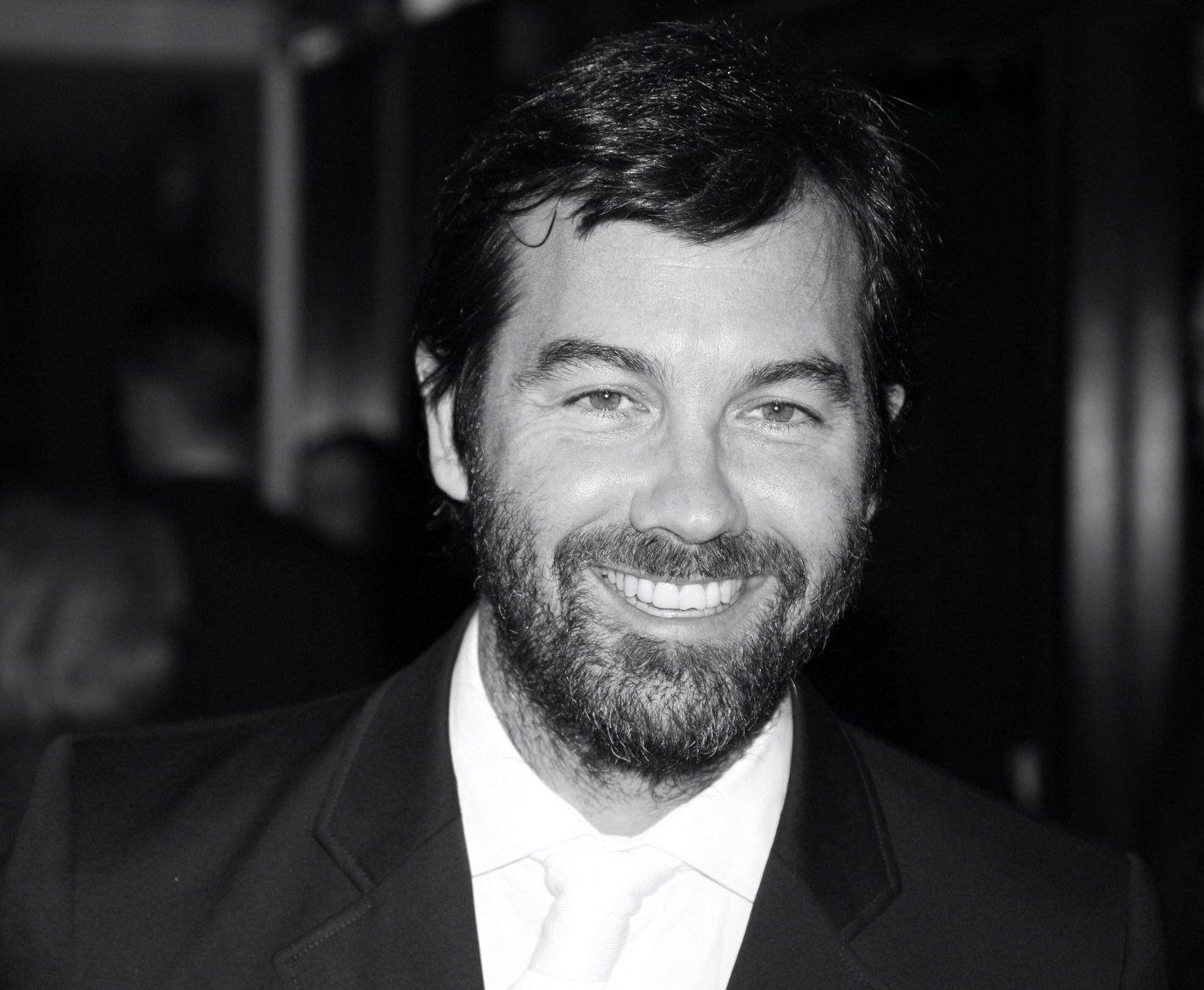
The late multihyphenate musical artist Duncan Sheik always had a simple answer whenever he was asked what sparked his musical innovation and inventiveness.
“I am not the perfect Buddhist—that’s for sure—but when you are practicing correctly, it really gives you an incredible amount of creative energy,” Sheik told the Denver Gazette in 2008.
The artist—who died at 56 of heart failure on September 17—was a practicing Nichiren Buddhist for nearly forty years. First introduced to a generation of pop music fans with his catchy yet melancholic late-1990s hit “Barely Breathing,” Sheik went on to transform modern musical theater as the composer of Spring Awakening, the 2006 Broadway sensation by his longtime creative partner (and fellow Buddhist) Steven Sater.
Based on the oft-censored and provocative 1891 German play of the same name, the musical follows a group of teens coming of age in a repressed and isolated town in 19th-century Germany. The New York Times described it as a “straight shot of eroticism” with “a ravishing rock score” when it made its debut.
Incredibly popular both on Broadway and on the album charts, Spring Awakening is now considered one of the best and most transformative musicals of the 21st century. At the 2007 Tony Awards, Spring Awakening took home eight Tonys (out of eleven nominations), including Best Musical, Best Score, and Best Orchestration wins for Sheik. In addition to the innovative score by Sheik and Sater, the musical was praised for powerfully capturing the complexity and vulnerability of its adolescent characters. Its lead actors—the then virtually unknown thespians John Gallagher Jr., Jonathan Groff, and Lea Michele—would go on to become bona fide Broadway stars in large part due to their standout performances in the play.
Sheik would often say that Buddhist themes abounded throughout Spring Awakening as its set of main characters journeyed to find their true selves in a world that didn’t want them to. Referring to the ten realms of Nichiren Buddhism, Sheik once observed that “any piece of theater needs to express all these different life states in order for it to be really satisfying for an audience.”
Spring Awakening did just that.
A Creative Partnership Born Out of Buddhism
It was, in fact, Buddhism and meditation that kicked off Sheik and Sater’s creative partnership in the late nineties. The pair first connected through common acquaintances in Soka Gakkai International (SGI), the global Buddhist organization of which they were both members. The rest reads like a classic Hollywood meet-cute.
“I went to his loft in Tribeca to chant with him, and found out that he’d wanted to be a musician since he was 5 years old—and I wrote a novel when I was 5! So it turned into a profound meeting—the mystic exchange of a lifetime.”
Over the course of their hours-long introductory conversation, Sater described his then-work-in-progress Umbrage, which in Sater’s words was the story of “an aging would-be singer-songwriter who was getting nowhere.” Sheik quickly asked if he had written any songs for the project.
 Ghostlight Records recording session for the musical Alice By Heart featuring Duncan Sheik and Steven Sater in New York, New York on March 25, 2019. | Credit: Joseph Marzullo/WENN.com/Alamy
“I did have a lyric and faxed it to him around 1:30 in the morning,” Sater would later recall to the Songwriters Hall of Fame. “He called me the next day and gave me a CD of the lyric set to music, and it was beautiful.” While that play was initially put on the back burner, it did inspire Sheik’s critically lauded 2001 studio album, Phantom Moon, and was eventually reworked and retitled as Arms on Fire, making its premiere at the Chester Theatre Company in June 2013.
In addition to Spring Awakening, another play of the creative duo, Alice by Heart—a World War II–set musical inspired by Lewis Carroll’s Alice in Wonderland—would also make it to Broadway. Just a few weeks before Sheik’s death, Sater had told Broadway World that their next musical, Nero, would premiere in London this fall.
Fans are also eagerly awaiting the Off-Broadway revival of Spring Awakening, which is set to begin preview performances November 27 at Studio Seaview for a limited twelve- week run. The revival’s cast was announced just a day before Sheik’s passing.
Spiritual Beginnings
Raised Catholic, Sheik began studying various Eastern religions while a student at Brown University, where he majored in semiotics. It was when—eager to kick off his professional music career—he headed to Los Angeles after his freshman year to stay with an aunt that his spiritual practices would change forever.
Sheik’s aunt—a member of SGI who had begun practicing Buddhism in the early 1970s—was an eager foil for the college student’s debates and existential questions. Through her dedication to the global Nichiren Buddhist organization, she introduced Sheik to the power of chanting, encouraging him to join her in reciting the daimoku mantra, Namu Myoho Renge Kyo.
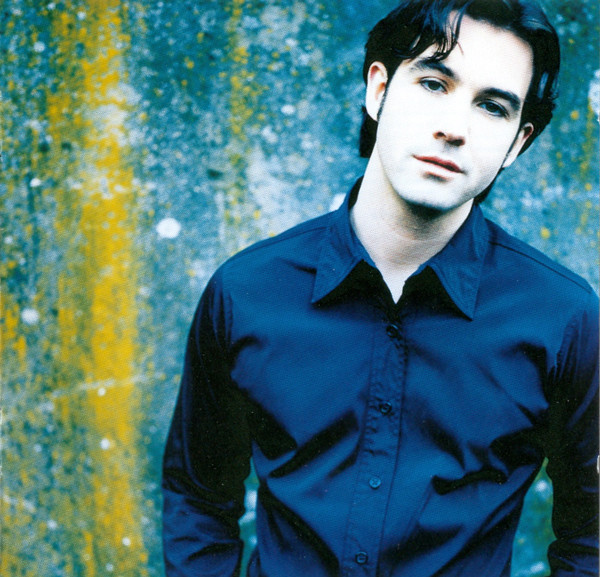 The album cover of Duncan Sheik’s 1996 self-titled debut. | Image via Discogs
Sheik’s aunt would also offer the artist a critical piece of advice, and simultaneously a distillation of a central tenant of SGI’s practices, as he later related to the New Yorker: “Unless you actually sit down and practice, it’s not really going to have an effect on your life.”
And when music producers began returning Sheik’s calls shortly thereafter, it seemed Sheik’s chants had been answered, and a dedicated nearly forty-year Nichiren Buddhist practice began. (He added to the New Yorker that his spiritual practice both puzzled and amused his college roommates when he would return to Brown that fall.)
Actual Proof
Sheik would consistently reference the positive impact chanting and meditation had on his creative output for the rest of his life. On “Nichiren,” the closing track on his sophomore album Humming, Sheik sings:
“He beat the drum and lit the fires
He sent the messages in vain
But the sound of his philosophy
Rose above the falling rain”
The New York Times would note his devotion to chanting in a 1998 profile the year after his debut album became a hit, mentioning how Sheik would “speed chant” quickly before a bedside shrine to ensure he got it in before heading out for the night.
“My ability to navigate the difficult aspects of my career as it were—I definitely credit my Buddhist practice with helping me deal with that,” Sheik would later tell podcaster Leo Sidran in December 2020. “If I hadn’t been practicing, things would be way messier than they currently are.”
Decades later, his practice would deepen even further during the Covid-19 pandemic when he had several theater projects put on hold, leaving him to wonder what the future might bring. During that time, Sheik wrote and recorded Claptrap—the record that would turn out to be his penultimate album—which he described as his most explicitly Buddhist record. “I sort of dived into this one particular aspect of Buddhism that’s called nonduality,” he told LifeMinute TV. “It’s a way of looking at reality and your place in the world as a human being that offers a lot of contentment. It helped deepen my understanding of ‘OK, so what am I doing as a 50-something-year-old artist in the modern world, and how can I function here in a way that makes sense?’ ”
This period also included his adjustment to his new role as a father—a journey that he implied took longer and was more complicated than either he or his wife, the Singaporean model Nora Ariffin, had expected.
“I will say we did actually try for a pretty long time, and . . . it was definitely a pretty tough couple of years, not to get too deep into it,” he told Sidran. “But let’s just say when Nora did actually get pregnant in 2018, it was a huge relief and [a] very happy moment. In a sense, I had been getting ready for it for a few years, but was I ready for it? No.”
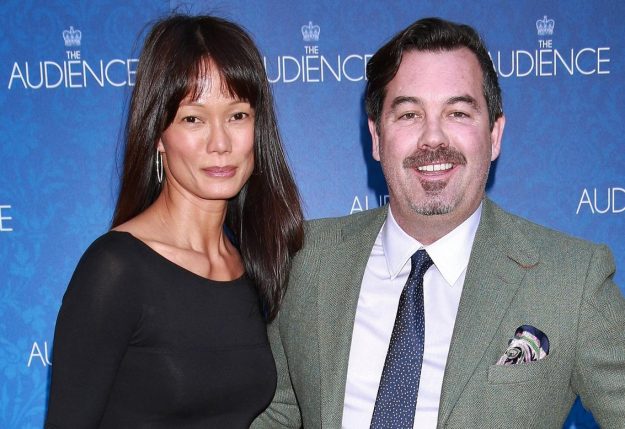 Duncan Sheik and Nora Ariffin at the opening night for Broadway play The Audience at the Schoenfeld Theatre in New York City, New York on March 8, 2015. | Image Credit: Joseph Marzullo/WENN.com/Alamy
Sheik and Ariffin would welcome their daughter Ines in December 2018. In his late 40s, when Ines was born, Sheik would also regularly tell interviewers that he was very conscious of being an older father.
“I went through my late midlife crisis. I had nothing to complain about, but I had a lot of questions . . . about how I was feeling, even with everything good [that was] happening,” Sheik recalled in 2022.
And yet meditation consistently helped Sheik channel the tumult and the energy, the highs and the lows of his life, into his art. “As a Buddhist, you chant every morning and every evening. It’s like plugging into a huge, incredible creative energy,” he’d say in 2002. “The spirit you have and the moods you have through this experience manifest into your work. . . . The mind flows better and becomes engaged and galvanized by your work.”






















.jpg&h=630&w=1200&q=100&v=c0f97a310e&c=1)