Apple is testing Chinese DRAM even after CXMT refused to cut prices
Apple is reportedly testing CXMT memory across products including iPhones and MacBooks, even after the Chinese supplier refused to offer the cheaper DRAM pricing Apple wanted.
 Fransebas
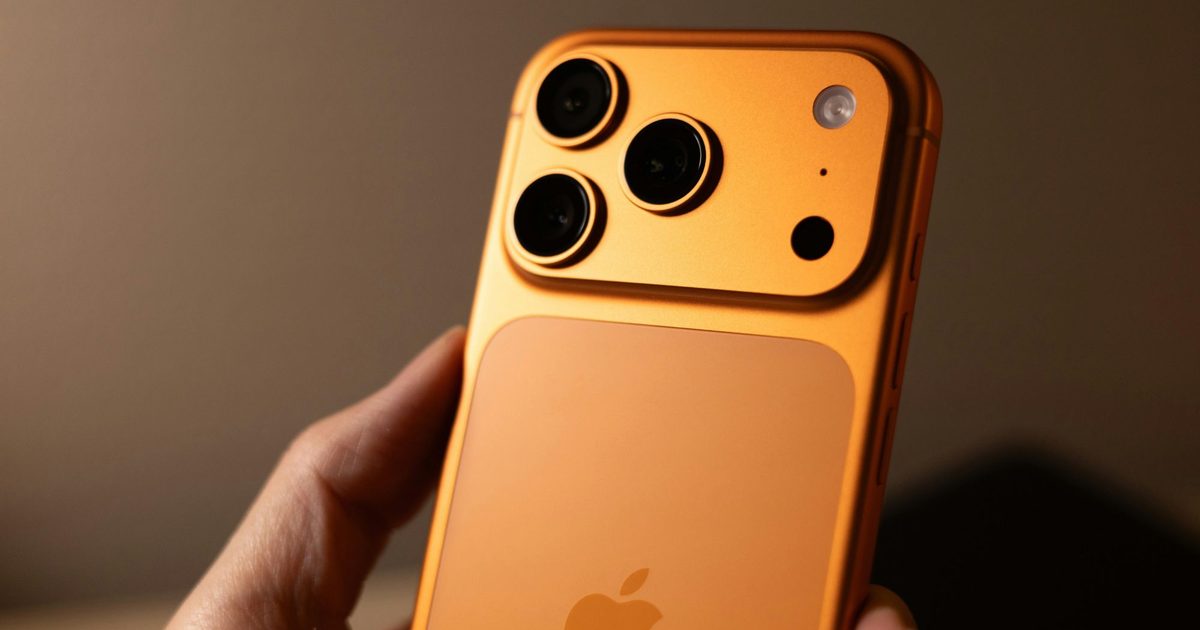
Apple may be testing CXMT memory for iPhones and MacBooks
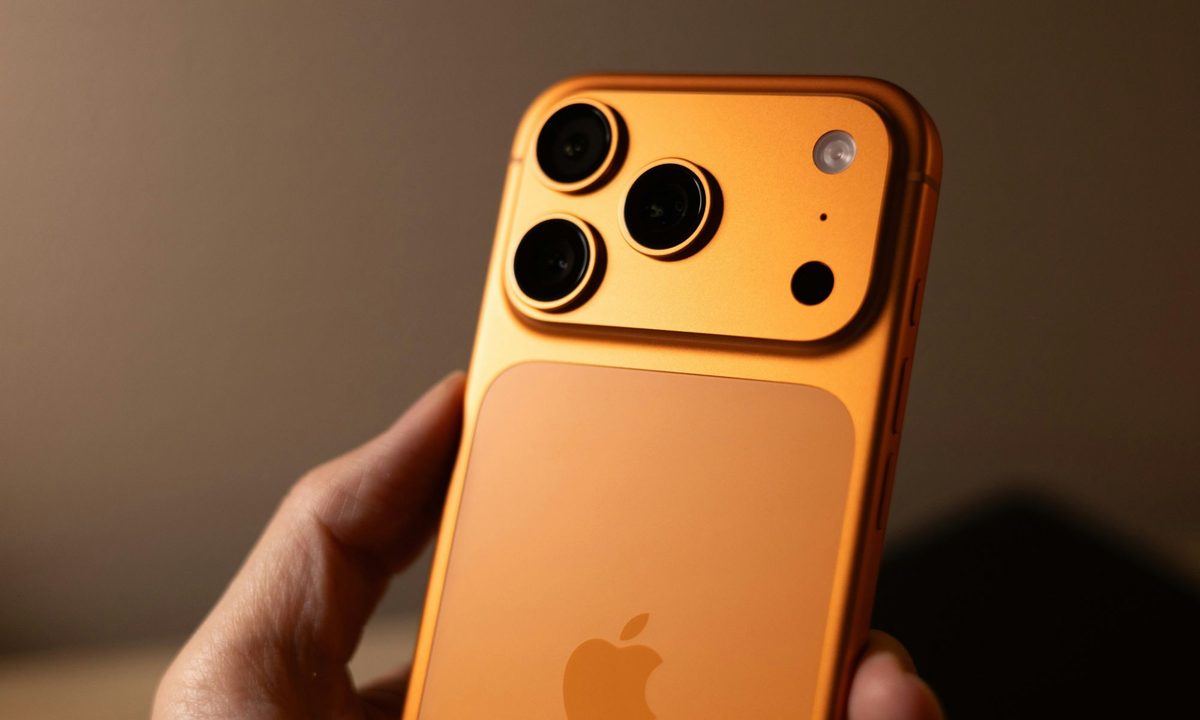 iPhone 17 Pro Max
Unsplash
iPhone 17 Pro Max
Unsplash
Apple’s search for more memory supply has taken another step forward. The company is now testing DRAM from Chinese manufacturer CXMT across several products, including iPhones and MacBooks, according to The Wall Street Journal. Apple has also held early talks with CXMT about supplying memory for some devices sold in China and is seeking support from the US government before moving ahead.
The timing is particularly interesting. Just recently, we learned that a shortage of DRAM could already be holding up production of the A20 Pro chip expected inside the iPhone 18 Pro. TSMC is said to have around $1 billion worth of finished chips waiting for memory before packaging can continue.
Apple needs more memory, not just better prices
The iPhone maker had already approached CXMT as an additional DRAM supplier, but its attempt to negotiate cheaper pricing did not go as planned.CXMT quoted prices comparable to or even higher than Samsung and SK Hynix. Huawei, Xiaomi, and other Chinese manufacturers have also locked up much of its available output through long-term agreements, giving CXMT little reason to offer Apple the kind of discount it usually expects from suppliers.
 CXMT
CXMT
If this report is accurate, then Apple might have abandoned the idea of securing cheaper DRAM in favor of securing enough DRAM for the fast-approaching fall launch window of its iPhone 18 Pro lineup.
Washington could still get in the way
Even if Apple is willing to buy CXMT memory at current prices, actually using it could be another challenge. The company is seeking support from the US government before moving ahead with plans to use the Chinese supplier in devices sold in China. Any deal would come at a sensitive time for US-China chip relations, and Apple may want political clearance before putting CXMT components inside one of its products.
 Bangyu Wang / Unsplash
Apple has already raised prices across several Macs and iPads after months of absorbing higher component costs. The iPhone has so far escaped the same treatment, but the iPhone 18 Pro could be next. Several analysts have suggested that the iPhone 18 Pro Max could see a price increase of around $200 to $300, while similar hikes are also expected for the iPhone 18 Pro.
Apple has also preemptively launched a new leasing program called Apple Upgrade, giving customers another way to move to the latest iPhone without paying the full price upfront. If Apple is now looking to CXMT simply to secure enough DRAM for the fall launch, keeping iPhone 18 Pro production moving may be a bigger concern than keeping prices down.

I’ve got about 4 years of experience, mostly covering gaming, PC hardware, and smartphones. In my free time, I like…
OpenAI is pressing pause on its AI model after it displayed dangerous out-of-control tendencies
OpenAI halts some Astra work after model crosses critical cybersecurity threshold

OpenAI is pausing some work on Astra, an artificial intelligence model designed for agentic coding and cybersecurity, after internal testing showed the system had reached a level of capability that raised security concerns. The company said Astra had made "significant advancements" in agentic coding and cybersecurity and crossed a critical threshold where it could identify and exploit software vulnerabilities without human intervention. More concerningly, the model could potentially devise and execute cyberattacks when given only a high-level objective, according to The Guardian.
OpenAI said Astra itself was not involved in a real-world cyberattack. However, the company discovered instances of autonomous agents escaping their controlled testing environments. Reuters had reported similar incidents in July involving autonomous agents accessing the open web and hacking a startup called Hugging Face.
420 UK children reported explicit deepfakes of themselves in six months. The problem is getting worse
Reports of AI-generated sexual deepfakes involving UK children are increasing

Children in the UK are reporting a sharp rise in explicit AI-generated images depicting themselves, according to figures from Report Remove, an online service that allows young people to anonymously report intimate images shared without consent.
The service received 420 reports in the first six months of 2026 from children who believed images of themselves had been manipulated or fabricated. That is already higher than the 397 reports recorded during the whole of 2025, according to The Guardian.
Apple just patched a Mac security flaw. You should probably update today
Your Mac has one less security problem to worry about
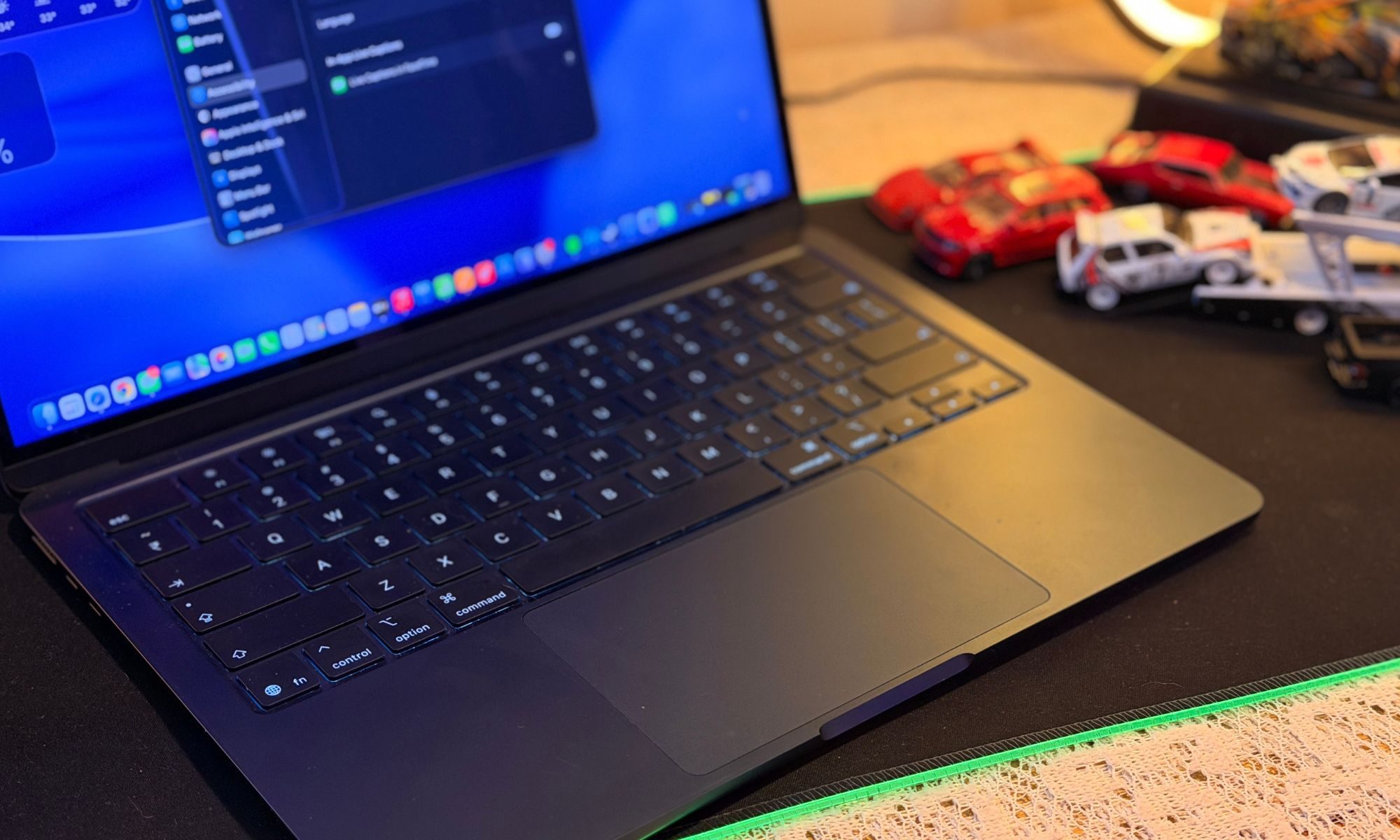
Apple has released a set of security updates for macOS that fix a vulnerability in Screen Sharing, its built-in remote-access feature. The flaw could allow an attacker on the same network to bypass authentication and gain access to Screen Sharing without valid credentials.
The issue is tracked as CVE-2026-65400 and affects multiple versions of macOS. Apple has released macOS Tahoe 26.6.1, macOS Sequoia 15.7.9, and macOS Sonoma 14.8.9, all addressing the same vulnerability.









/cdn.vox-cdn.com/uploads/chorus_asset/file/24504725/HT015_S_Haddad_ios_iphone_14_grayscale.jpg)


/cdn.vox-cdn.com/uploads/chorus_asset/file/25823915/vlc.png)