Coast to coast in Costa Rica: From vibrant Caribbean culture to immersive Pacific wilderness
While the whole country is an ecological wonderland, with coastlines on both the Pacific Ocean and Caribbean Sea, Costa Rica offers distinct and diverse experiences for travellers
 Lynk
Lynk
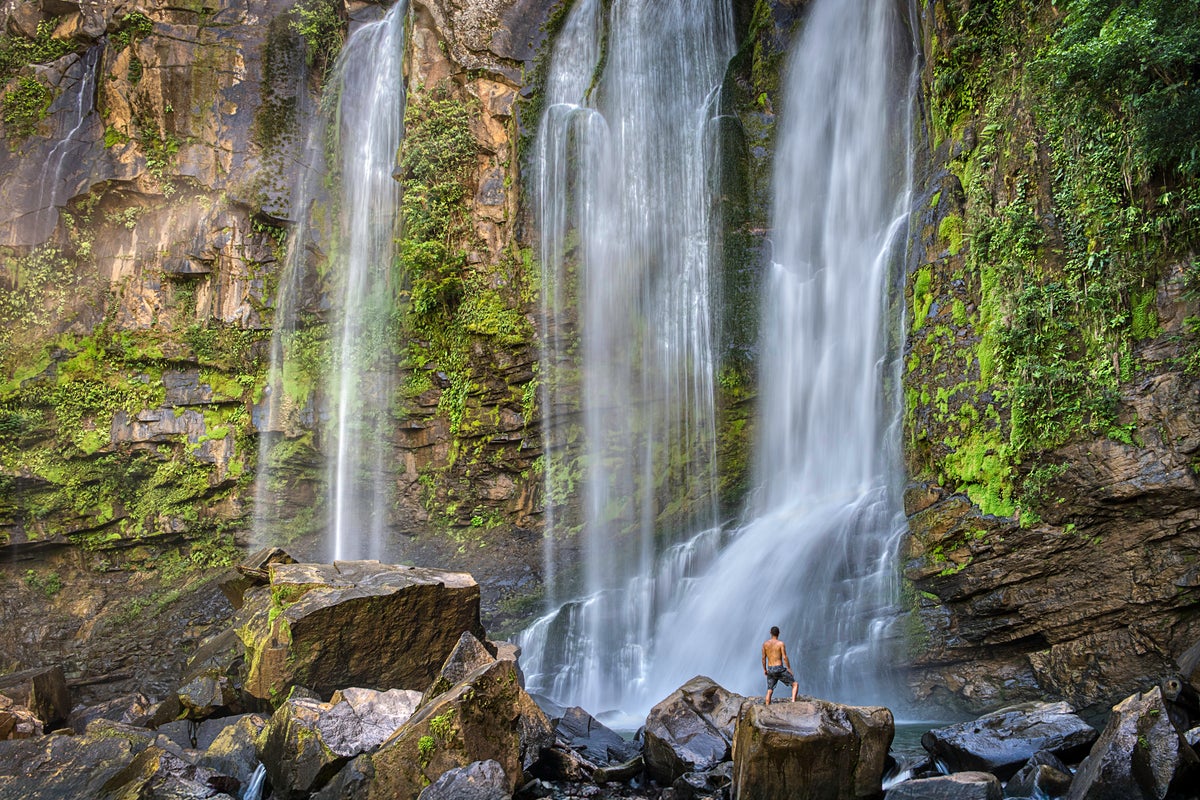
On one coast, the air carries the rhythm of calypso, complemented by the scent of coconut and spice; on the other, it’s thick with wild rainforest humidity and the distant crash of Pacific surf. Between them lies Costa Rica, a country small enough to cross in days, yet vast in experience – and a place where all five senses come to life.
To travel from the Caribbean to the Pacific is not simply to change scenery, but to move through distinct cultural and ecological worlds, each shaped by its own history, geography and unique pace of life. Together, they form a journey that reflects Costa Rica’s ‘pura vida’ philosophy: an invitation to slow down, appreciate your surroundings and the simple things, and reconnect with what really matters through the enriching, restorative joys of travel. This ethos has been distilled into Visit Costa Rica’s evocative new live. life. now campaign, an initiative aimed at highlighting the nourishing, restorative quality of a trip to Costa Rica where you can reconnect with nature, communities and yourself.
Discover natural products with a 'Pura Vida' approach to life
Channelling Costa Rica’s ‘pura vida’ philosophy and the ‘live. life. now’ ethos, wellness and natural beauty brand NEOM Wellbeing offers small rituals designed to help travellers slow down, reset and reconnect wherever they are in the world. Crafted with naturally derived ingredients and expertly blended fragrances, ranges including ‘Happiness’, ‘Bliss’ and ‘Perfect Night’s Sleep’ span candles, essential oil blends, pillow mists and bath and body products designed to support mood and wellbeing. The brand’s travel-sized collection also makes it easy to bring a sense of calm on the go – whether you're unwinding after a rainforest adventure, creating a restful evening ritual or carving out mindful moments between coast-to-coast exploration on your Costa Rica travels.
Where culture shapes the coastline
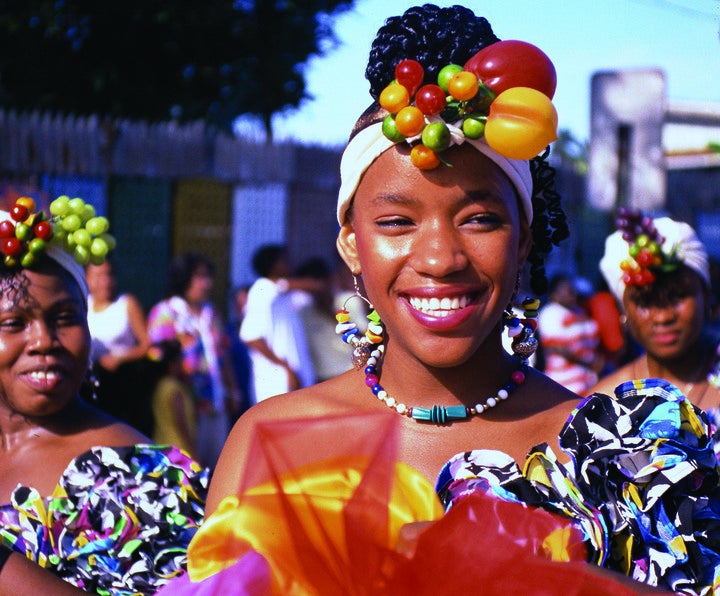
On the Caribbean coast, life unfolds to a different rhythm. In beach towns like Puerto Viejo, days stretch easily between sea and shade, punctuated by music drifting from roadside bars and the easy sociability of open-air cafés. Afro-Caribbean heritage is a defining presence that shapes music, food, language and everyday life, making this coastline a distinct cultural identity that feels markedly different from the Pacific.
That richness comes into sharp focus each October during the week-long Limón Carnival – a highlight of which is Día de las Culturas – when colourful parades, lively music and delicious street food celebrate Afro-Caribbean, indigenous and Spanish heritage in a vibrant expression of place and community. Try some of the plantintá (wonderful sweet and spicy plantain pastries) or rondón (a hearty stew loaded with fresh fish and crab in a coconut milk broth).
Nature, too, is woven into everyday life. In Cahuita National Park, breathtaking beaches meet dense rainforest, where you can find sloths lounging in the canopy and capuchin monkeys moving noisily through the trees. Head further south to Punta Uva’s calm, palm-lined shores for slow afternoons and snorkelling, while Manzanillo offers quieter, wildlife-rich stretches of coastline at the edge of protected forest. At Playa Negra, the sand shifts from pale to volcanic black, the surf rolling in against a backdrop that feels raw, moody and unfiltered.
North along the coast, Tortuguero National Park reveals another side of the Caribbean altogether. Its intricate network of canals and waterways winds through thick jungle, best explored by boat to spot herons at the water’s edge, or a caiman slipping beneath the surface. It’s also one of the world’s most important nesting sites for green sea turtles, underscoring the region’s ecological significance across rainforest, river and marine environments.
A journey through landscape and community
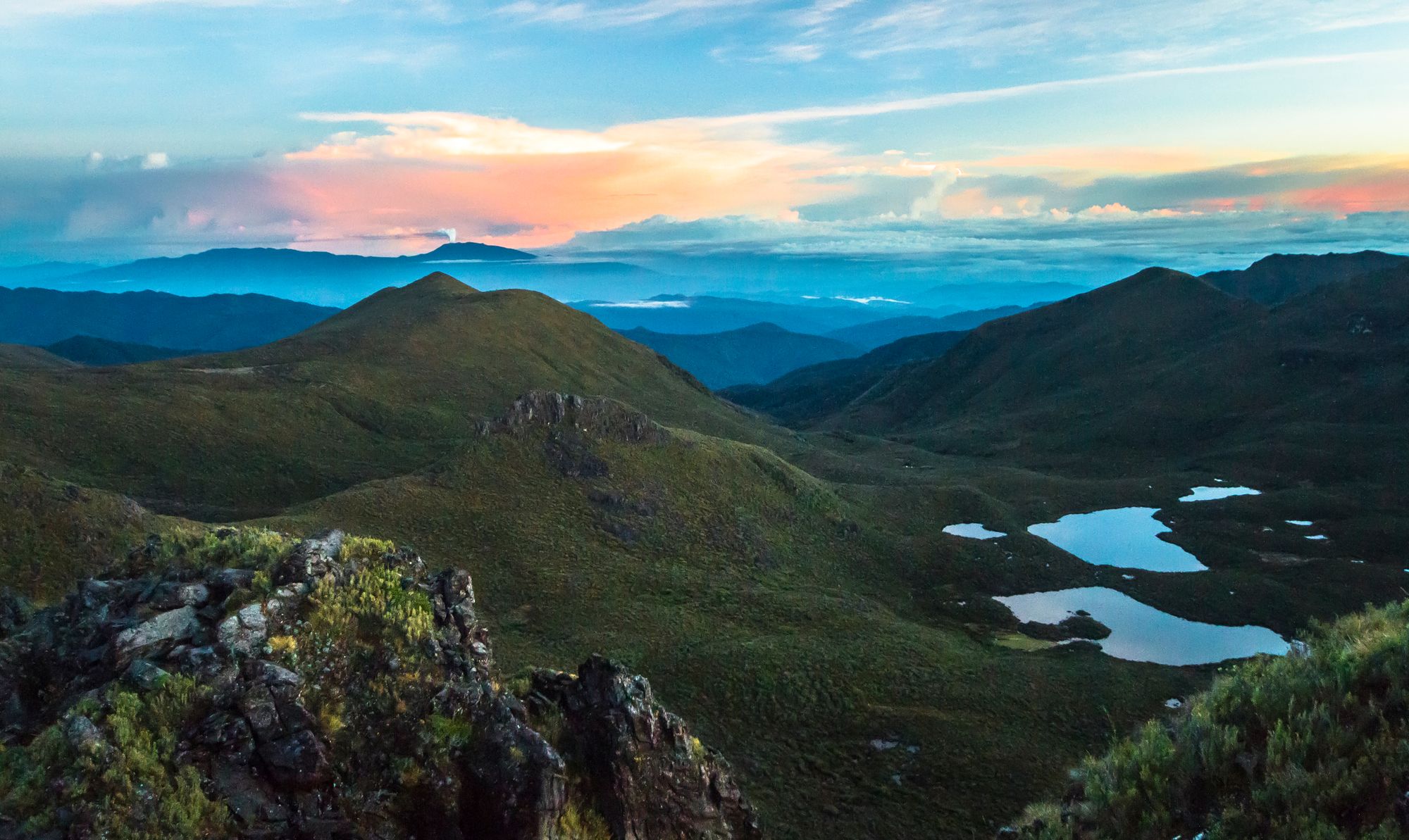
Move inland and the landscape shifts once again. At the heart of this transition is El Camino de Costa Rica, a long-distance trail that runs from coast to coast, connecting remote communities, farmland and forest, and offering a more immersive way to experience the country. Following sections of the trail reveals a different pace of travel, one that prioritises connection and discovery over speed.
In the shadow of Turrialba Volcano, the terrain rises and cools, opening up a chance to experience rafting along fast-moving rivers or visits to the Guayabo National Monument, arguably one of Costa Rica’s most magnificent pre-Columbian archaeological sites. Positioned almost directly in the centre of the country, it’s surrounded by rural Costa Rican sodas (small local eateries).
Further south, time spent with Bribri communities offers insight into ancient traditions rooted in cacao, land stewardship and generational knowledge. This is a slower crossing, shaped by people as much as place, and one that encourages you to discover a little magic – perhaps a little of what you didn’t know you were missing.
Into the wild to an untamed Pacific coast
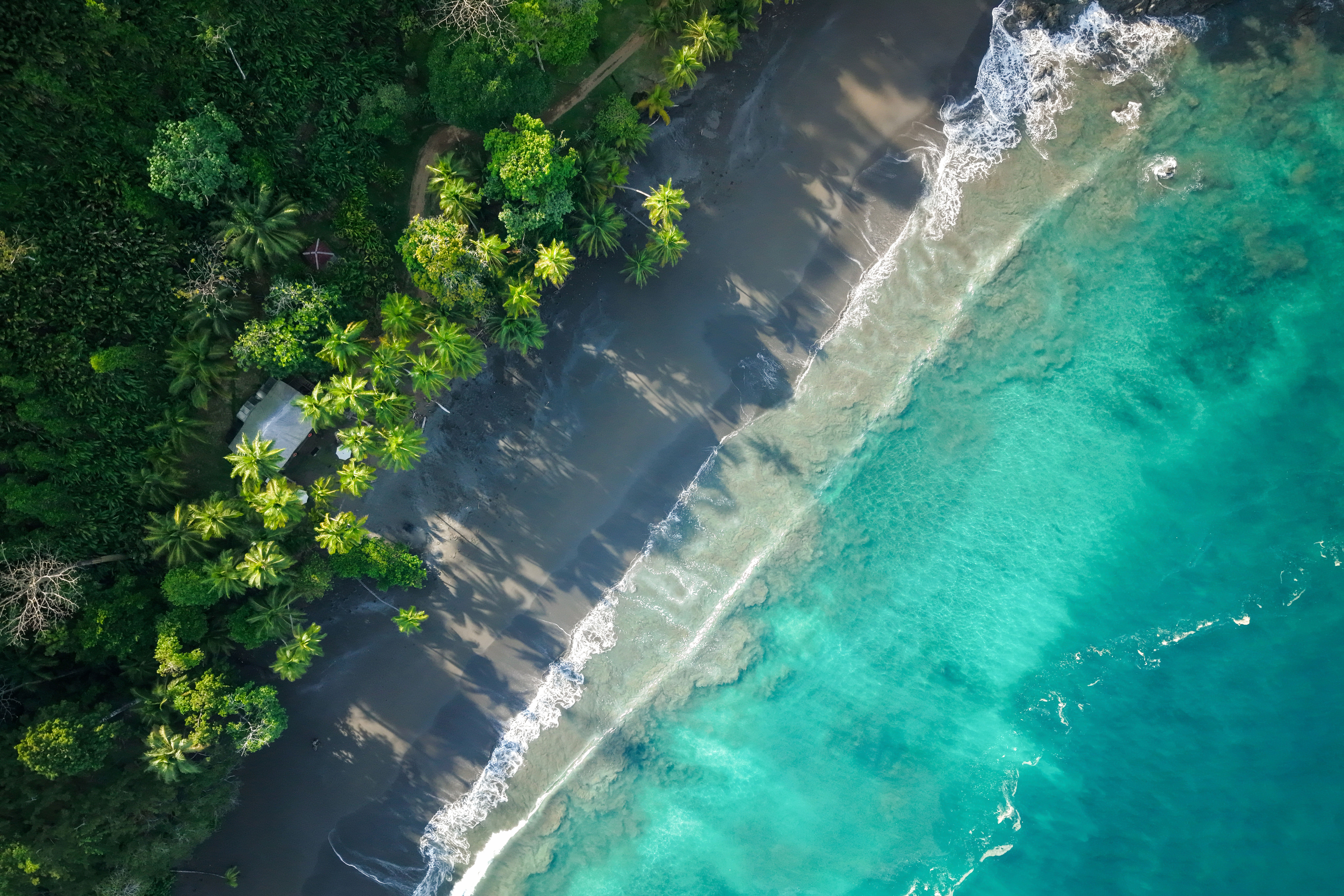
By the time the Pacific comes into view, the atmosphere has changed entirely. Nowhere is this more evident than on the Osa Peninsula, where nature takes centre stage. The coastline here is defined by rugged beauty, limited infrastructure and a palpable sense of beautiful remoteness, with dense rainforest stretching down to meet the ocean.
It’s here that you can find Corcovado National Park, a vast expanse of primary rainforest, winding mangroves and coastal ecosystems that supports an exceptional concentration of wildlife. Experiences here feel unscripted and adventurous.
Offshore, Caño Island offers a contrasted perspective. Protected as a biological reserve, its clear waters and coral reefs are home to rich marine biodiversity, making it one of the country’s most rewarding destinations for snorkelling and diving within a carefully managed, low-impact setting.
Back on land, Drake Bay acts as a gateway to this wild peninsula, its shoreline edged by jungle and punctuated by remote beaches. Nearby, Playa San Josecito forms a secluded bay with calm waters and dense forest surroundings, while Playa Matapalo stretches even further still, a wilderness that is undeveloped, expansive and shaped entirely by the elements.
Two coasts: one way of being
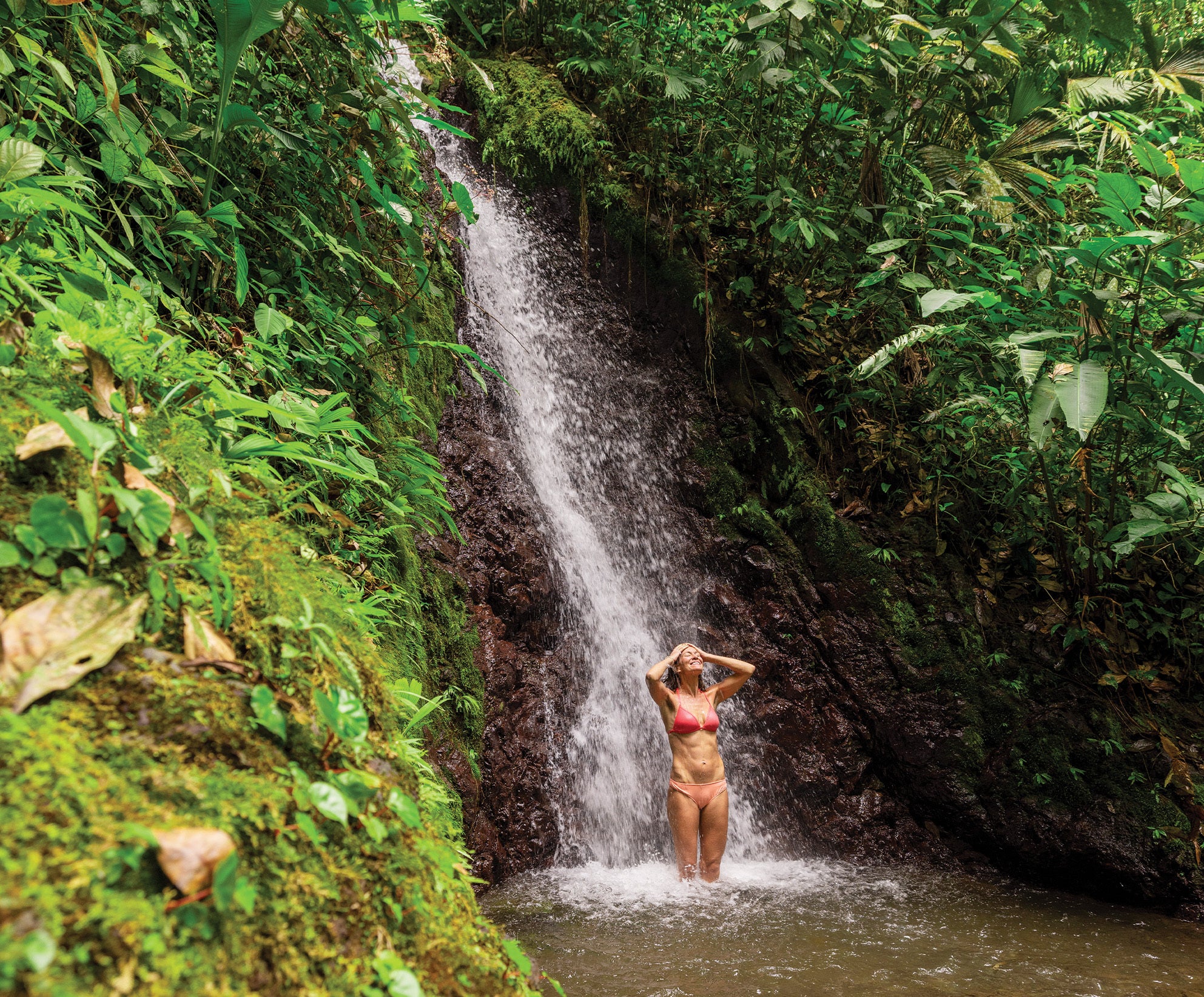
Costa Rica’s coastlines may share extraordinary biodiversity and breathtaking natural beauty, but they offer differing, diverse experiences for travellers. On the Caribbean coast, Afro-Caribbean culture infuses everyday life, from music and cuisine to the laid-back rhythm of beach towns framed by rainforest and sea. While there is a rawness to the Pacific, in the scale of the rainforest, the power of the ocean and the sense of distance from elsewhere. And yet, for all their contrasts, both coasts are bound by a shared thread: extraordinary biodiversity, a deep respect for nature, and a way of life that encourages you to slow down and notice more.
Crossing Costa Rica from one shore to the other is to experience two distinct worlds, but also a chance to find yourself again.
For more travel inspiration and information, head to Visit Costa Rica. For the ultimate Costa Rica getaway, Travelbag has curated the 12 Day Spirit of Costa Rica and Beach Extension tour showcasing the country’s extraordinary biodiversity, immersive landscapes and slower pace of life. Beginning with a nine-day independent adventure through Tortuguero, Arenal and Monteverde, the itinerary takes travellers from wildlife-rich canals and misty cloud forests to rainforest lodges beneath the majestic Arenal Volcano, with opportunities to spot monkeys, crocodiles and tropical birdlife along the way. Guided experiences are balanced with time to explore independently, before the trip concludes with a luxurious four-night beach stay on Costa Rica’s Pacific coast – offering the perfect chance to unwind and embrace the country’s restorative ‘pura vida’ spirit.