Purposeful travel: Reset and restore in Costa Rica through eco-tourism, wellbeing and wild nature
Explore biodiverse rainforests, protected coastlines and the Nicoya Peninsula Blue Zone in a meaningful way – rooted in conservation, cultural connection and intentional living
 JaneWalter

Costa Rica occupies a stretch of Central America, bordered by both the Pacific Ocean and Caribbean Sea. Here, you’ll discover a slower pace of life that is highly attuned to nature: mornings are set by light rather than alarms, and days seem to stretch in a quietly joyful way.
Sustainability in Costa Rica is not trend-driven or performative. It sits in the background, shaping how places are built, how food is grown, how people move through the landscape and co-exist. Guided by the philosophy of ‘pura vida’ – prioritising wellbeing and connections with nature and each other – and reflected in the country’s live. life. now approach, there is a sense that life is lived a little closer to what matters. When you experience this extraordinary country, you’ll find that you appreciate your surroundings and the simple things, often without realising you have slowed down at all.
Discover natural products with a 'Pura Vida' approach to life
Channelling Costa Rica’s ‘pura vida’ philosophy and the ‘live. life. now’ ethos, wellness and natural beauty brand NEOM Wellbeing offers small rituals designed to help travellers slow down, reset and reconnect wherever they are in the world. Crafted with naturally derived ingredients and expertly blended fragrances, ranges including ‘Happiness’, ‘Bliss’ and ‘Perfect Night’s Sleep’ span candles, essential oil blends, pillow mists and bath and body products designed to support mood and wellbeing. The brand’s travel-sized collection also makes it easy to bring a sense of calm on the go – whether you're unwinding after a rainforest adventure, creating a restful evening ritual or carving out mindful moments between coast-to-coast exploration on your Costa Rica travels.
Sensory journey: nature leads the experience
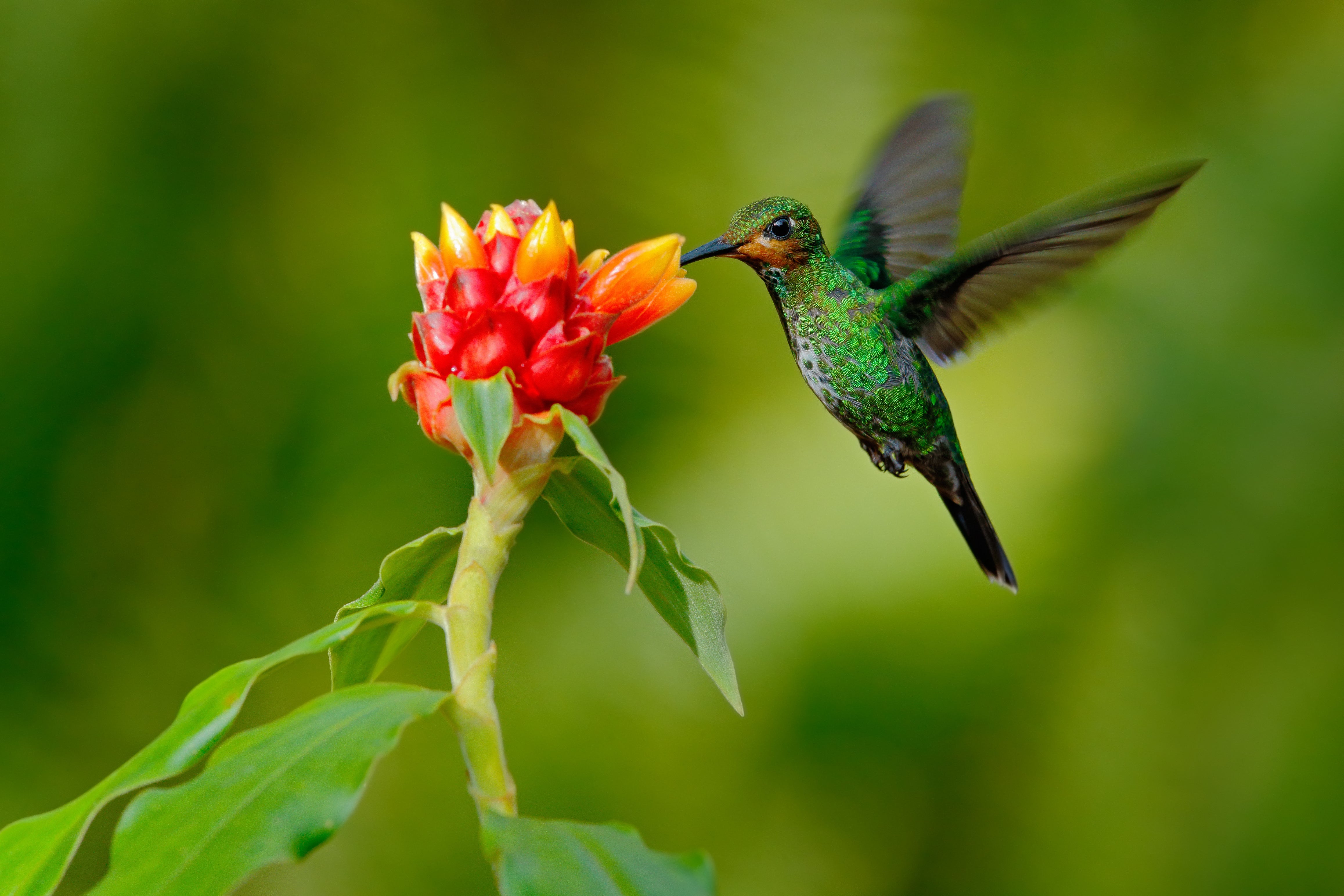
While Costa Rica occupies a relatively small area, it holds an outsized share of the world’s biodiversity. Despite covering less than 0.05 per cent of the Earth’s surface, the country is home to around 6.5 per cent of global biodiversity, with more than a quarter of its land protected through national parks, reserves and wildlife refuges. Rainforest gives way to cloud forest and coastline, often within the space of a single journey.
It's a place where all your senses have space to come alive. The hum of insects in the canopy, petrichor after the rain, glistening waters, hot sand and rich spices combine to enrich the experience. With more than 900 colourful bird species recorded across the country, Costa Rica has become one of the world’s leading destinations for birdwatching, while both two-toed and three-toed sloths can still be found in the wild.
On the northern Caribbean coast is Tortuguero National Park, where travel is best done on water, along narrow canals that cut through dense jungle. Wildlife appears gradually, waiting to be explored. Along both the Caribbean and Pacific coasts, conservation efforts continue to protect important nesting sites for green, leatherback, hawksbill and olive ridley sea turtles.
Further south, on the Osa Peninsula, the atmosphere shifts. Corcovado National Park feels expansive and dense, the kind of place that resists being neatly understood on the map. Walking here with a guide changes the experience entirely: not just about spotting wildlife, but about noticing patterns, relationships and the small details of the natural world.
Low-impact travel: closer encounters with nature
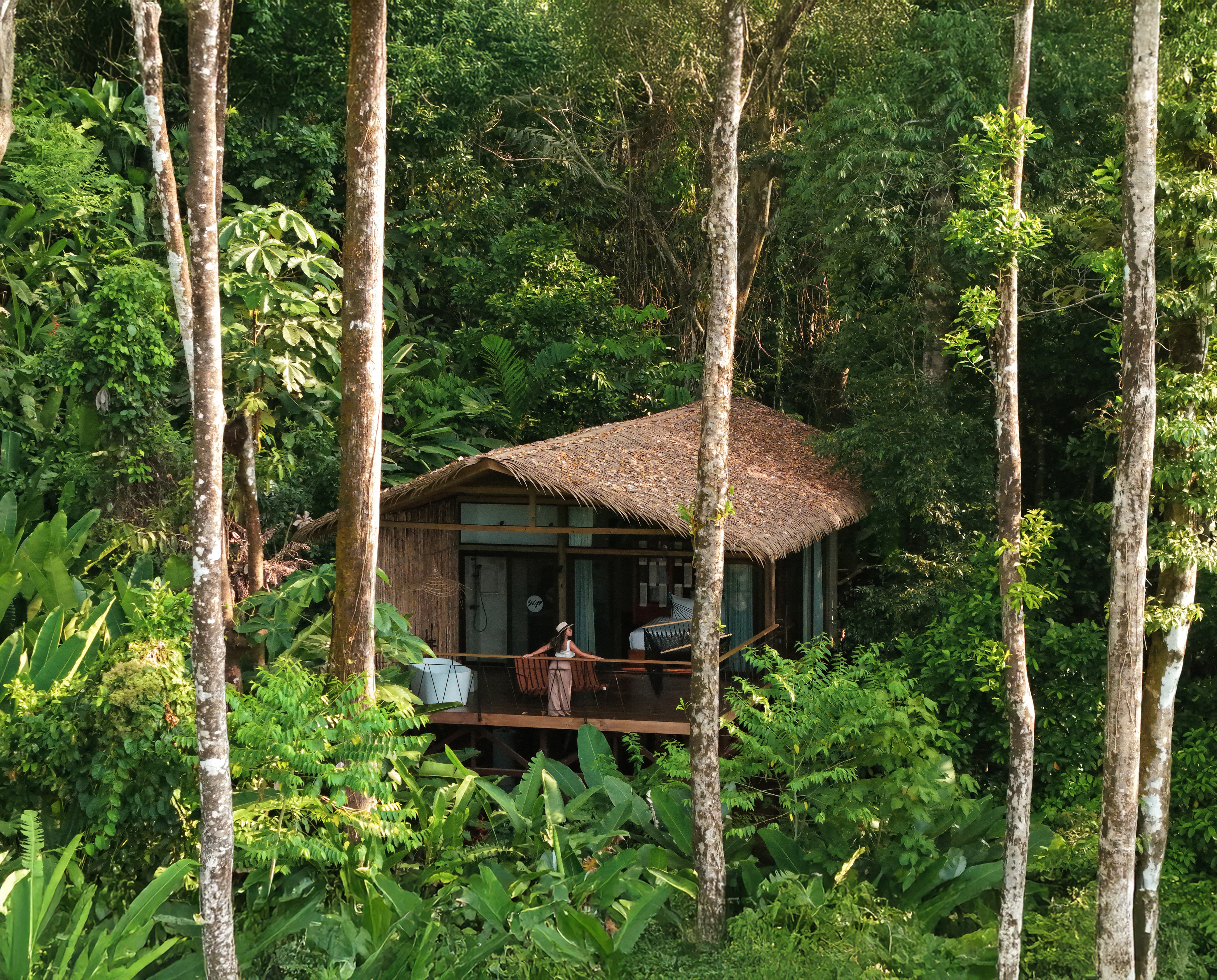
Offshore, Caño Island is carefully protected: its waters are crystal clear and alive with marine life. Visitor numbers are carefully managed, part of a broader approach to conservation that prioritises long-term protection over volume tourism. This sense of lightness carries across the country. Places to stay tend to work with their surroundings rather than against them, built to sit within the landscape instead of competing with it. Many eco-lodges work closely with communities, employing local guides and sourcing ingredients nearby, creating experiences that feel rooted in place.
Meals tend to reflect the landscape and availability, whether that means Caribbean dishes such as rondón, rich with spices, coconut and seafood, or traditional gallo pinto served with fresh fruit and locally produced Turrialba cheese. Farm-to-table dining is less a restaurant concept than part of everyday life. And in slowing down, in observing more closely, you begin to discover what you didn’t know you were missing. Simple pleasures are boundless: all because wellbeing is shaped by the landscape and its produce.
The Nicoya Peninsula is one of the world’s recognised Blue Zones, though that label feels secondary to what you actually experience when you arrive. People spend time outdoors, meals are fresh – often prepared with ingredients grown close by – and there is a sense of connection, both to others and to place, part of the fabric that is Costa Rica.
New connections: a different way of travelling
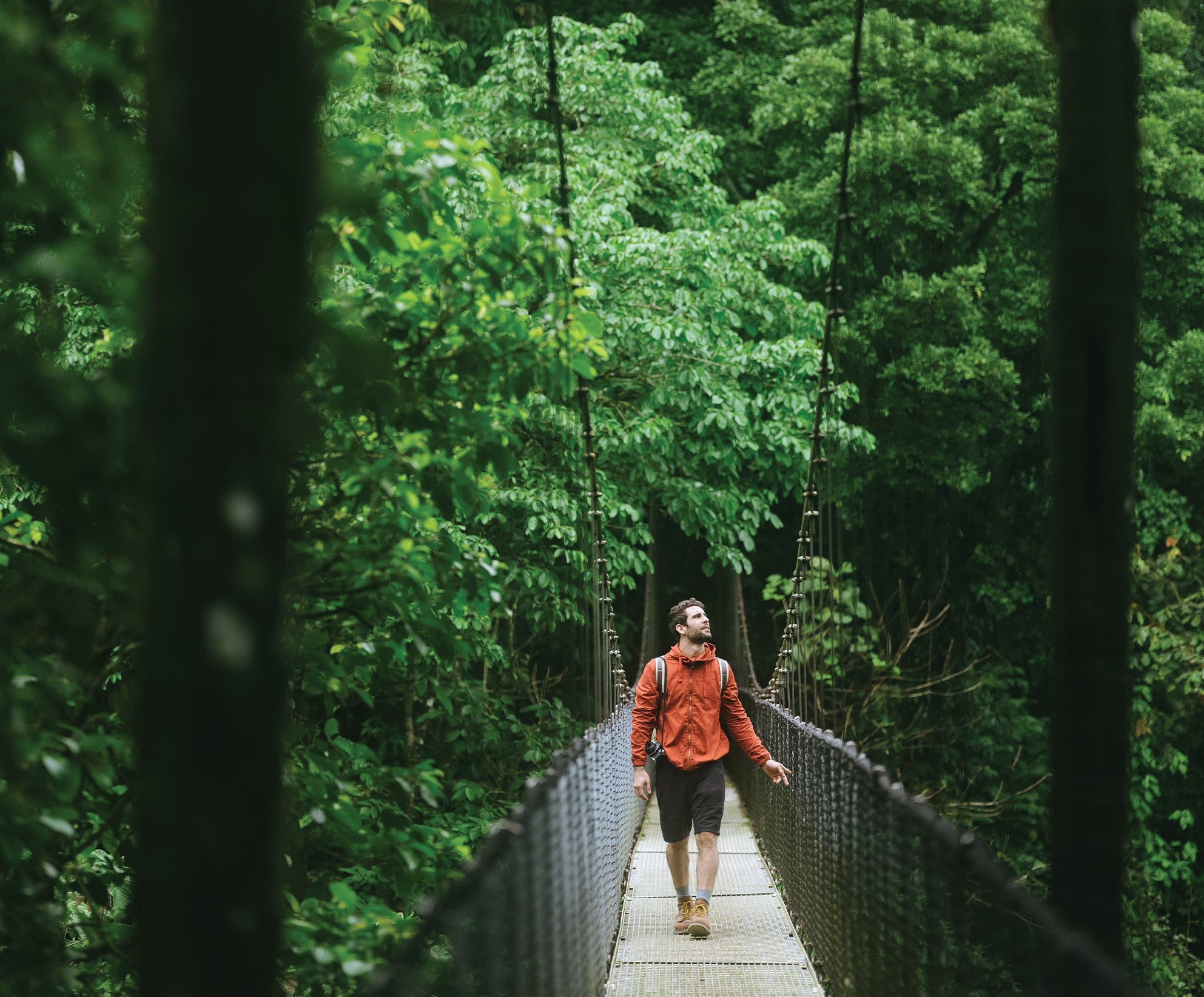
With strengthened connectivity between the UK, Europe and Costa Rica (including direct routes with British Airways), more travellers can experience the country's unique blend of biodiversity, culture and wellbeing. It’s a destination that rewards a slower pace, inviting visitors to reconnect with nature, community and simpler pleasures.
In Costa Rica, sustainability is not a trend but a way of life. Visitors are encouraged to engage with nature thoughtfully, whether through guided wildlife encounters in protected reserves, low-impact adventures such as kayaking and snorkelling, or community-led experiences that celebrate local culture and heritage. While staying in eco-conscious lodges and supporting conservation-focused tourism initiatives, from wildlife monitoring projects and protected marine reserves to community-led cultural experiences, allows travellers to experience the country's extraordinary biodiversity while contributing to its protection.
Travelling here feels less extractive and more reciprocal; a joyful approach rooted in respect for nature and community. It's part of the country's enduring appeal, offering something increasingly valuable: the chance to slow down, reconnect and travel with greater awareness of the landscapes and cultures that surround us. Costa Rica doesn't simply leave visitors with memories of mist-shrouded cloud forests, wildlife-rich coastlines and awe-inspiring Pacific horizons. It offers a reminder that travel can help support conservation efforts, local livelihoods and the protection of extraordinary natural environments for generations to come.
For more travel inspiration and information, head to Visit Costa Rica. For the ultimate Costa Rica getaway, Travelbag has curated the 12 Day Spirit of Costa Rica and Beach Extension tour showcasing the country’s extraordinary biodiversity, immersive landscapes and slower pace of life. Beginning with a nine-day independent adventure through Tortuguero, Arenal and Monteverde, the itinerary takes travellers from wildlife-rich canals and misty cloud forests to rainforest lodges beneath the majestic Arenal Volcano, with opportunities to spot monkeys, crocodiles and tropical birdlife along the way. Guided experiences are balanced with time to explore independently, before the trip concludes with a luxurious four-night beach stay on Costa Rica’s Pacific coast – offering the perfect chance to unwind and embrace the country’s restorative ‘pura vida’ spirit.










.jpg?width=1200&height=800&crop=1200:800)


















.jpg&h=630&w=1200&q=100&v=c0f97a310e&c=1)