EU entry-exit system has been a ‘shambles’, Ryanair chief says
Since its launch, the EES caused disruption for some travellers, with some even missing flights due to the long queues
 Tfoso
Tfoso
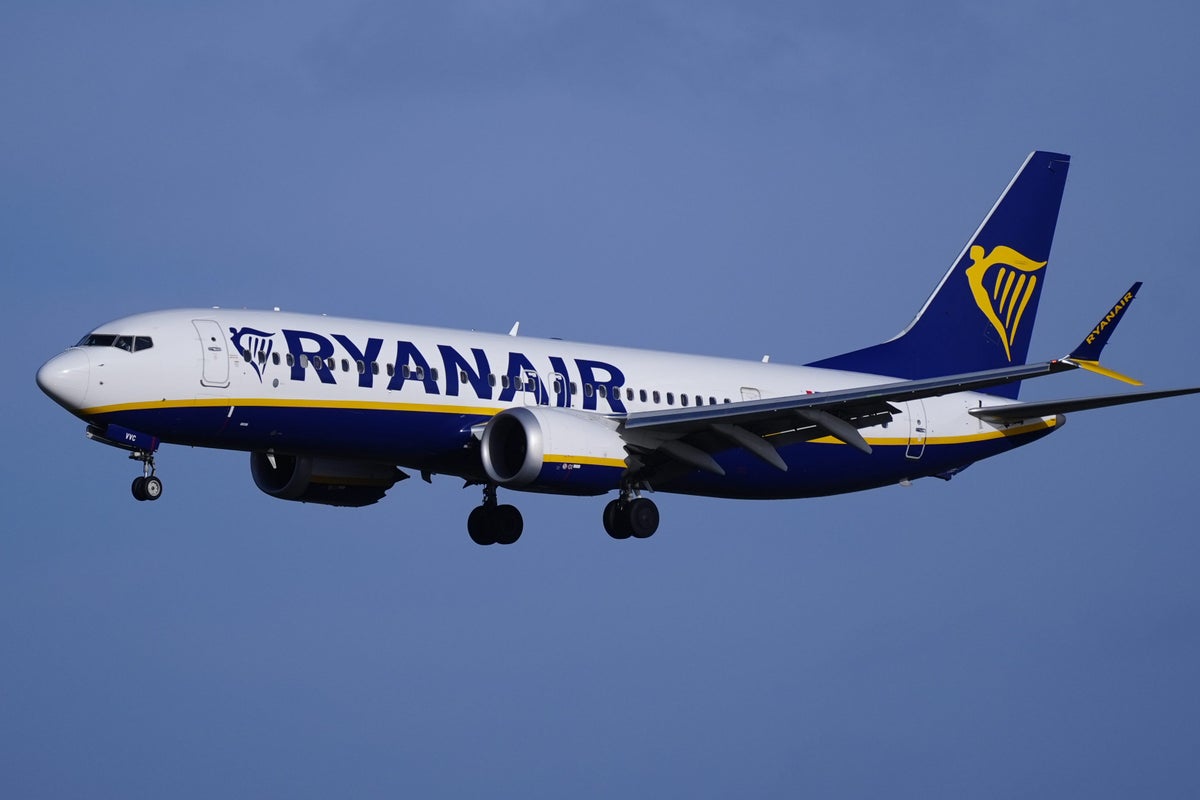
Ryanair has described the EU’s handling of new border checks as a "shambles", warning that travellers risk facing long queues now that temporary flexibility for the Entry-Exit System (EES) has come to an end.
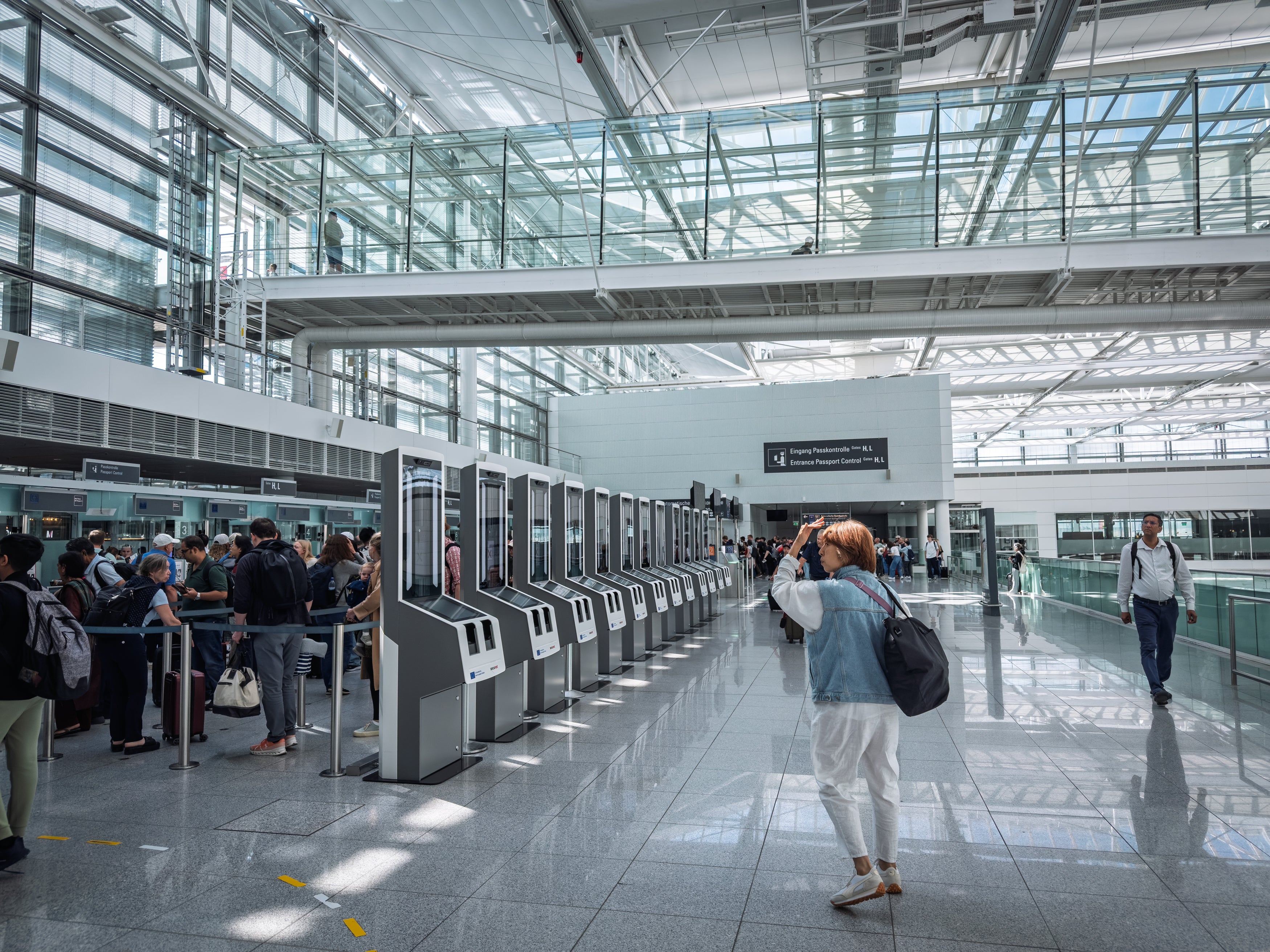
Fully introduced in April, the EES mandates that visitors from third-party nations, such as the UK, must have their fingerprints registered and photograph taken to enter the Schengen Area, which consists of 29 European countries, mainly in the EU.
While most UK travellers complete the process at foreign airports, border procedures are also carried out at sea ports, alongside Eurotunnel’s Folkestone terminal and London St Pancras railway station.
Since its launch, extensive queues have caused severe disruption for some travellers, leading to missed departures. Airports in Spain, Portugal, France and Italy have been reported among the worst affected, with more than 100 easyJet passengers missing a flight from Milan Linate to Manchester in April amid passport desk delays.
In May, the Port of Dover declared a "critical incident" during half-term after wait times hit four-and-a-half hours on a day handling roughly 8,500 outbound tourist vehicles.
Over the summer, system flexibility allowed member states to partially suspend checks in exceptional circumstances, but this measure expired on Sunday.
Ryanair’s chief operational officer Neal McMahon said on Monday: “The EU’s handling of EES has been a shambles from start to finish.
“Airlines, airports and border authorities repeatedly warned Brussels that the rollout was not ready, that it would increase processing times and that it would create excessive queues for passengers.
“Those warnings were ignored, with EU citizens the ones delayed and disrupted.
“Passengers should not be made pay the price for the EU’s failed EES rollout.”
He said the airline was calling on the EU Commission to “urgently extend the EES derogation until at least April 2027” to give airports and border authorities time to increase staffing levels and ensure the system can operate efficiently before full enforcement.
In a press briefing last week, EU Commission spokesperson Markus Lammert said the organisation was in “close and constructive contact” with “those few member states where some operational adjustments are needed at certain border crossing points”.
He said that during an “additional period of operational adjustment” necessary at a few border crossings, the Commission “stands ready to provide additional support to these members states”.
This could include deploying additional staff or providing operational assistance, Mr Lammert said.
“We have offered additional help to the member states concerned and asked them to further intensify the operational preparedness, including the necessary technical, organisational, and communication measures, with a view to ensuring that remaining challenges are fully addressed by the end of the year,” he added.