From the Academy: Relics
The proposed sale of the Buddha's relics raises questions that returning them has not settled. The post From the Academy: Relics appeared first on Tricycle: The Buddhist Review.
 AbJimroe
The proposed sale of the Buddha’s relics raises questions that returning them has not settled.
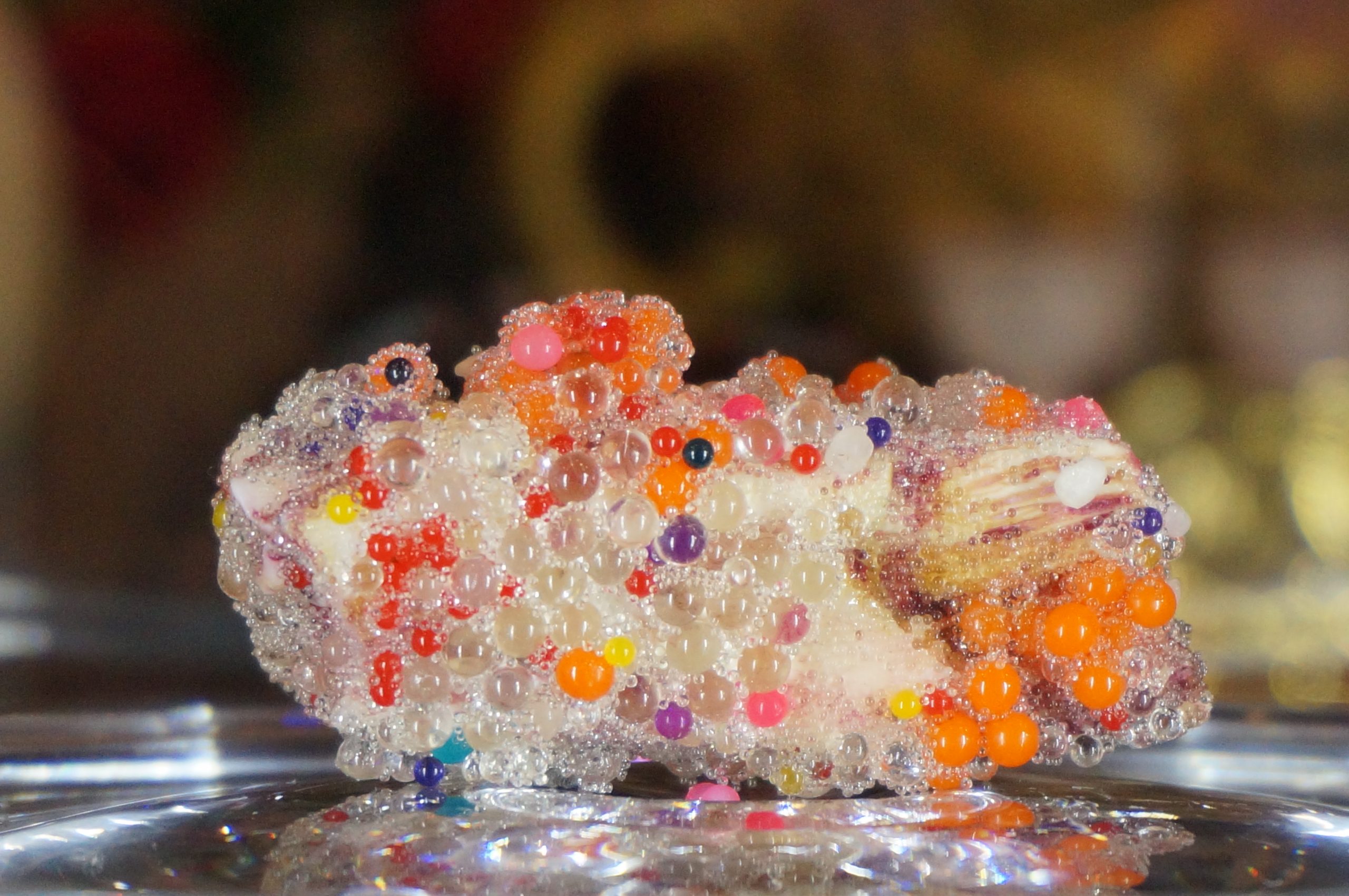
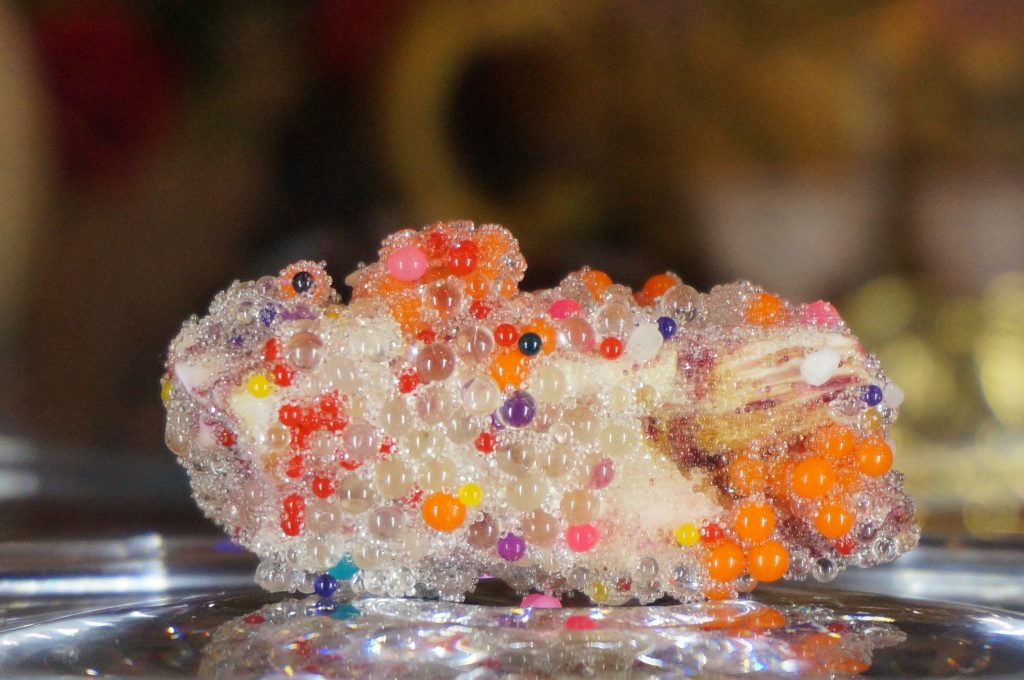 Buddha's Tooth in the 10,000 Buddha Relics Collection. | Wikimedia Commons
From the Academy is a monthly email newsletter for Premium subscribers, developed in collaboration with Tricycle’s resident Ho Family Foundation Buddhism Public Scholar. Each issue offers a scholarly take on a key topic in Buddhist thought and practice, with further readings and videos for exploration. Select issues are published here for the wider Tricycle community.
In May 2025, Sotheby’s Maison in Hong Kong abruptly halted an auction of Buddhist relics—gems and gold ornaments taken from the Indian Piprahwa Stupa in 1898. The proposed sale raised numerous ethical and historical concerns, none more central than a disagreement over what constitutes a relic. Many Buddhists consider the Piprahwa jewels to be corporeal relics, or sarira—embodiments of the Buddha that remain in the world. For the auction house, the gems were material artifacts, distinct from the human remains and therefore suitable for sale.
The sale did not go through. Buddhist leaders and scholars objected, and the Indian government issued a legal notice demanding the relics’ return. In July 2025, a public-private partnership returned them to India, where they later went on public display in New Delhi. As Conan Cheong has argued in Tricycle, repatriation is not restitution, and the relics remain in private hands. In the Buddhist sense, custodianship carries an obligation to make them available for veneration. What counts as a relic, and the responsibilities around it, remain unsettled.
The Buddha, Still Present
Across Buddhist traditions, relics convey the presence of the Buddha and other revered figures from the past. The Mahavamsa, a Sri Lankan Buddhist chronicle, states: “If we see the relic, we behold the Buddha.” Tradition classifies a variety of materials as relics: bone fragments, crystalline “pearls” found in cremated remains, and even a master’s clothes or possessions. Buddhists believe the Piprahwa jewels are as sacred as the bones and ashes found with them. The Sanskrit inscription on the stupa identifies these as relics of the Buddha himself.
Stupas enshrine relics as literal embodiments of enlightened presence, inspiring prayers and aspirations, circumambulations, and devotional rites. More broadly, relics reflect how objects, places, and symbols become sacred through the ways people relate to them. For many practitioners, this presence is real rather than symbolic. Relics are living links to the Buddha that invite reverence, offerings, and ongoing relationship.
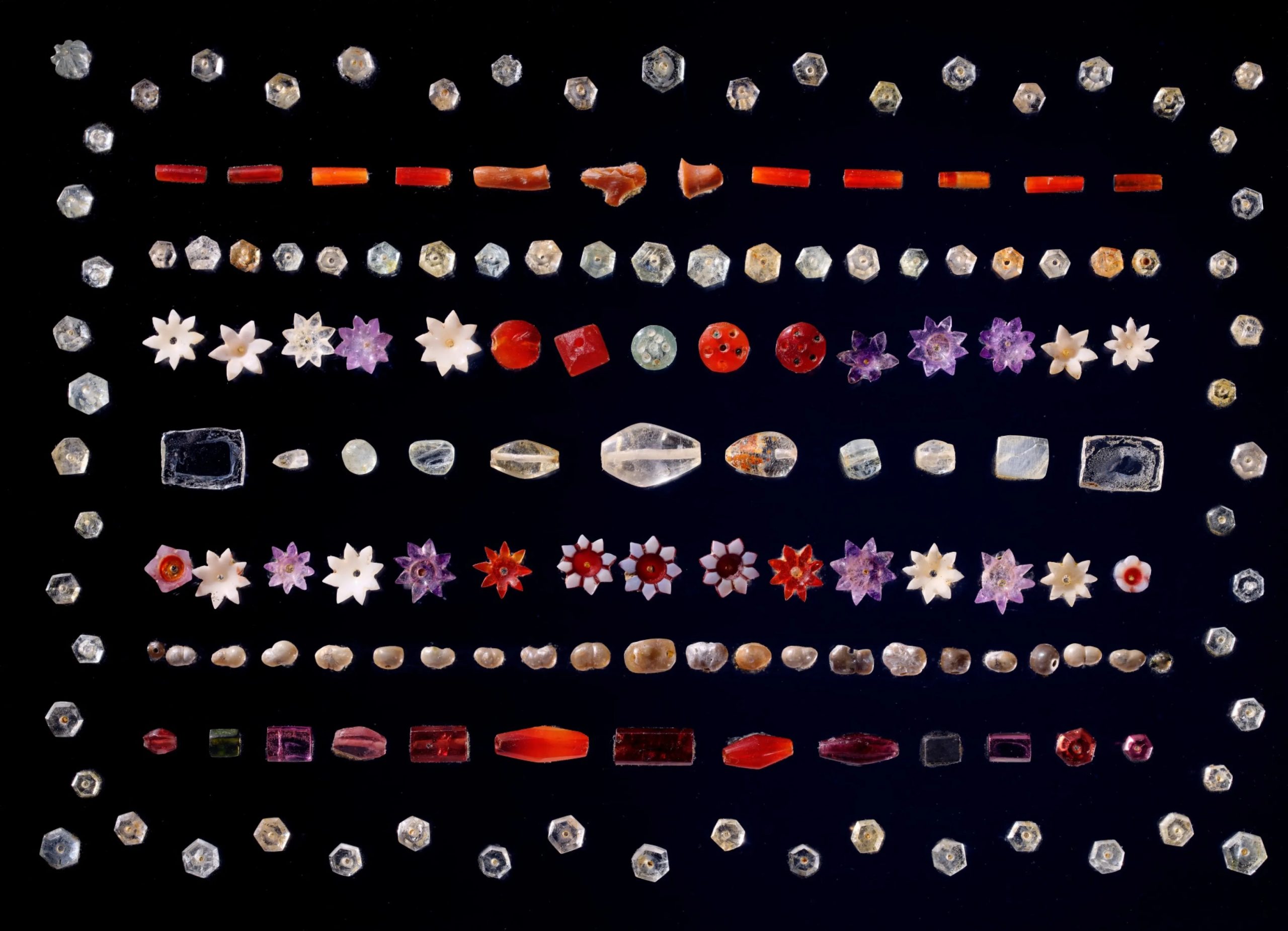 Gems from the Piprahwa Stupa, excavated in 1898 by the colonial landowner William Claxton Peppé. The inscribed reliquary found with them names the Sakya clan, kinsmen of the Buddha. | Photo: Sotheby’s
Relics in Place and Transit
Like other facets of religious life, relics move within broader networks of trade, travel, and political power. King Asoka (3rd century BCE) famously divided the Buddha’s relics among numerous stupas that helped map his empire. As embodiments of the Buddha, relics traveled with monks and merchants, legitimizing and transmitting Buddhism across cultures. Buddhists have also prized the garments and ritual implements of past masters as objects that transmit blessings and authority.
Ownership and Access
Communities still display and venerate relics on ceremonial occasions. Touring relics bring in revenue and prestige while raising ethical tensions around control and access. At times, these concerns blend with questions of religious authority and state sovereignty. A dispute in 2025 over an illicit image of the Buddha’s tooth is one example. Outside the ritual setting of a stupa or shrine, it becomes difficult to appreciate the religious significance of relics. In the postcolonial era, removing sacred objects from their traditional sites and selling them as art or collectibles has become controversial. Repatriation addresses part of that history and leaves the rest open. Returning a relic to its country of origin does not necessarily return it to the people who venerate it.
Perceiving the Sacred
For some, relics evoke superstition or idolatry; for others, they are sources of devotion, faith, and inspiration. Are sacred objects powerful in themselves, or only because of how we perceive them? How we answer that question shapes our relationship with relics. Traditional Buddhist narratives and modern authors acknowledge this ambiguity. Even mundane objects can offer blessings when people treat them as special. The multiple ways of viewing relics illustrate a key Buddhist principle: Perception, in many ways, shapes reality.
Additional Resources
Conan Cheong and Ashley Thompson, “Selling the Buddha’s Relics Today,” in Journal of Buddhist Ethics, 2013. A discussion on the history and meaning of relics, occasioned by the Sotheby’s sale. The same relics are the subject of a National Geographic documentary, “Bones of the Buddha.” Alexandra Kaloyanides, “Objects of Conversion, Relics of Resistance,” Stanford Department of Religious Studies, 2017. Kaloyanides, a former Tricycle managing editor, discusses how Buddhists in colonial-era Burma used relics to resist conversion to Christianity. She also discusses relics and Theravada Buddhism on a Tricycle podcast. Dan Martin, “Pearls from Bones: Relics, Chortens, Tertons and the Signs of Saintly Death in Tibet,” in Numen, 1994. A survey of the types and significance of relics in Tibetan Buddhism, including the views of Tibetans who questioned their value.
Thank you for subscribing to Tricycle! As a nonprofit, we depend on readers like you to keep Buddhist teachings and practices widely available.
This article is only for Subscribers!
Subscribe now to read this article and get immediate access to everything else.
Already a subscriber? Log in.