I Started Reacting to Alcohol Differently At 30 — Here’s What Changed
My Oura ring doesn't lie...
 Astrong

Registered Dietitian Nutritionist
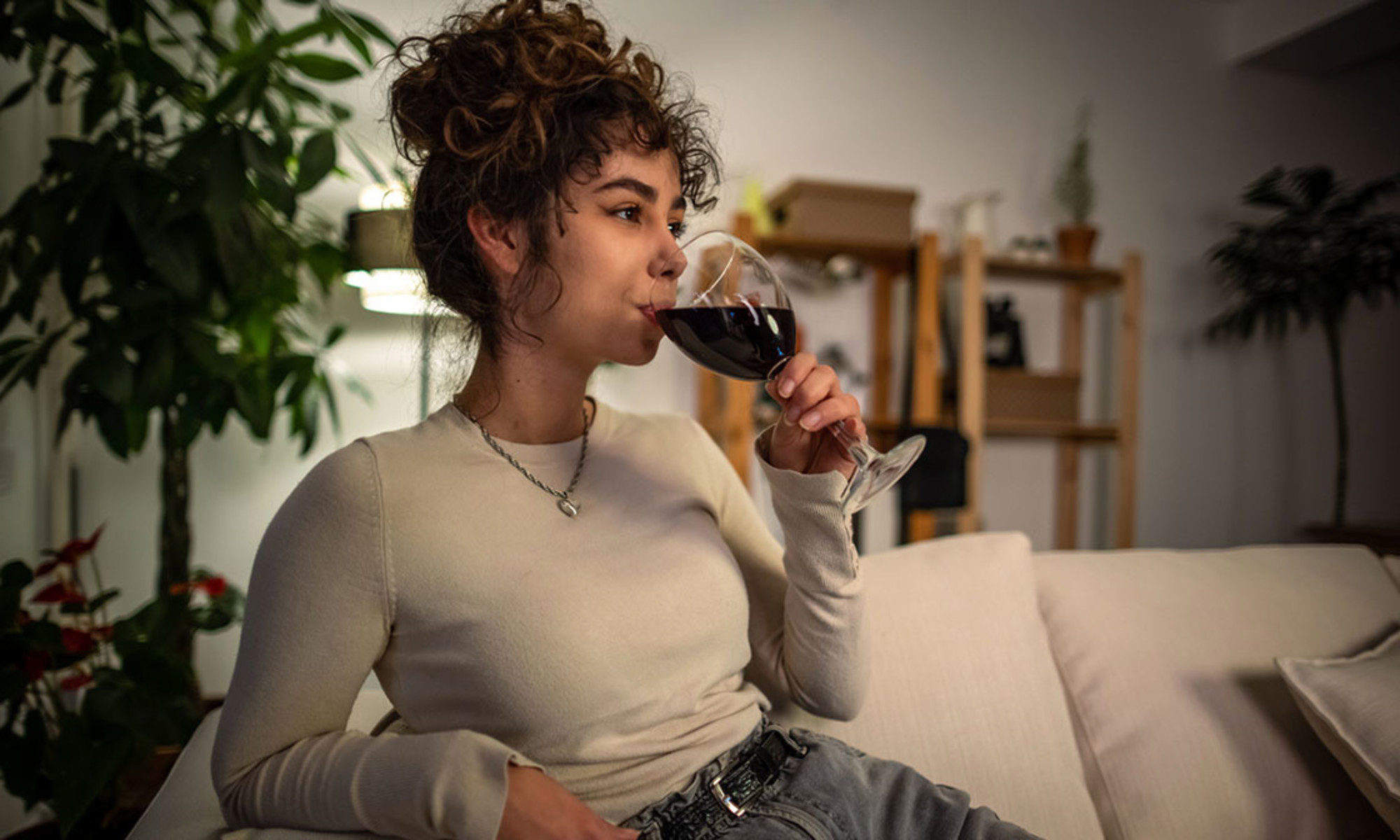
Image by Milos Stankovic / iStock March 27, 2026 I’m someone who was never fearful of crossing the threshold into her 30s, and I naively thought that nothing would really change. I mean, I’m in the best physical shape of my life (thanks to consistent strength training over the years). I’ve fine-tuned my eating habits to best support my metabolic health. And, I’ve always taken pride in how I balance those healthy habits while enjoying myself socially, like with fun dinners and drinks out. What could go wrong? Oh boy, was I humbled quickly. Within months of turning 30, my physiological response to alcohol completely changed. Even just enjoying one beverage, one night a week (which used to not impact me at all), now seemed to frazzle my system. While 30 is by no means an exact “off switch” for how your body handles alcohol, research shows that aging does alter (and slow) how the body metabolizes alcohol1 and changes water distribution in the body—both of which contribute to increased blood levels of alcohol. Here’s how my body’s response to alcohol has changed in the last year, and the steps I’m taking now to minimize those effects and stay social while drinking less. 
My sleep quality tanks
On an average night without alcohol, my sleep score typically sits in the mid- to upper-80s range (according to my Oura). But even having one drink within two hours of going to bed will drop the score into the 60s.
Alcohol is a known sleep disruptor (even though some people report falling asleep faster after drinking. However, it fragments the second half of the night, reducing deep restorative and REM sleep2, which play a role in memory, mood regulation, and recovery.
Personally, I’m a great deep sleeper, as I typically get about 2 hours a night. Having one beer shortened that by at least 50 minutes!
My heart rate increases
My heart rate has always been sensitive (to alcohol, exercise, stress, etc). But on nights I have a drink, my average sleeping heart rate can jump by around 10 beats per minute! It’s enough to put me on edge.
And there’s a reason for that. Alcohol activates the sympathetic nervous system (your body’s “fight or flight” response) while also lowering heart rate variability, a key marker of recovery.
So even as you’re lying in bed, your body is working overtime to process the alcohol, keeping you in a more stimulated state and making true rest harder to come by.
I experience more headaches
I’ve never been someone prone to hangovers, and still never really reach that point. But my brain feels foggy, cluttered, and like it’s working at half capacity the next day.
Part of that is likely tied to sleep disruption, but alcohol also contributes to dehydration.
And as drinking enough water throughout the day is hard for me at baseline, it’s extra challenging when alcohol is in the mix. (Either way, electrolyte packets like these are crucial for supporting my daily hydration.)
The approach I’m taking to alcohol now
These physiological changes are absolutely shifting how I approach alcohol. While I don’t plan on eliminating it completely from my diet, I am absolutely changing how and when I do participate.
The takeaway
The change in my response to alcohol after I turned 30 was undeniable. And it’s a lesson I’m glad I’m learning now. Our tolerance (and physiology) evolves over time, and it’s important to listen and adjust to what your body needs.