NVIDIA delivers 10,000 H200 chips to Chinese ByteDance and Tencent, more to follow
ByteDance and Tencent have reportedly received 10,000 NVIDIA H200 chips each, giving Chinese AI companies access to powerful processors amid ongoing U.S. export restrictions.
 Aliver

NVIDIA H200 chips are now reaching Chinese AI companies
 Mariia Shalabaieva / Unsplash
ByteDance and Tencent have reportedly begun receiving shipments of NVIDIA’s H200 artificial intelligence chips in China, marking a significant development in the technology rivalry between Beijing and Washington.
According to the Financial Times, both companies have received around 10,000 H200 processors each over the past few weeks after China allowed the chips to enter the mainland. The shipments could give two of China’s largest technology companies additional computing power to train advanced AI models and develop AI agents capable of competing with leading U.S. systems.
The development comes after months of uncertainty surrounding whether China would actually allow approved companies to import the H200, despite the U.S. government loosening its own export restrictions.
NVIDIA’s H200 finally reaches Chinese tech giants
The H200 is NVIDIA’s second-most powerful AI GPU, sitting behind the newer Blackwell B200. While the B200 remains restricted from export to China, the H200 offers significantly more AI computing capability than the H20, which was previously among the most powerful NVIDIA chips available to approved Chinese customers.
The U.S. originally restricted H200 sales to China over concerns that advanced NVIDIA processors could contribute to the development of China’s military technologies. The policy changed in December 2025, when the U.S. allowed NVIDIA to sell H200 chips to vetted Chinese companies.
 TikTok Unsplash
Reuters later reported that China had agreed to import several hundred thousand H200 processors. ByteDance and Tencent were among 10 Chinese companies reportedly authorized to purchase the chips, with each company potentially able to acquire as many as 100,000 processors.
The first reported shipments now suggest those approvals are translating into actual hardware deliveries. China has reportedly asked companies to keep most of their H200 processors outside mainland China and ship them to Hong Kong instead. That creates an unusual situation, since ByteDance and Tencent reportedly do not currently operate data centers there.
China still wants its own AI chips
The shipments are important because NVIDIA’s hardware remains considerably more capable than China’s domestic alternatives, even as Beijing aggressively pushes technology companies toward locally developed processors.
Huawei currently leads China’s domestic AI chip market, but industry experts cited in the reports say NVIDIA remains significantly ahead in performance. Access to H200 processors could therefore provide Chinese companies with additional computing capacity while domestic chipmakers continue developing alternatives.
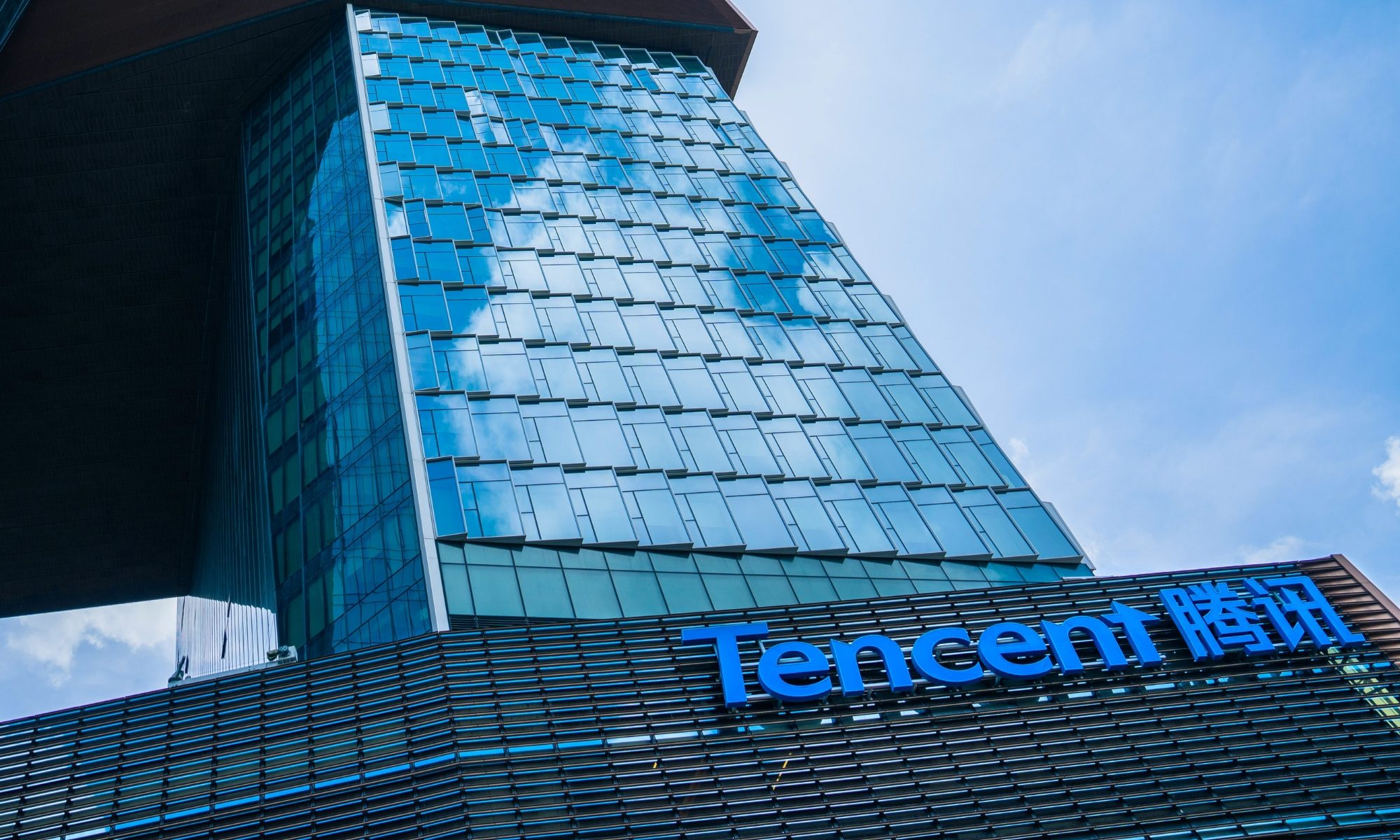 Tencent Unsplash
China’s reluctance to rely heavily on foreign processors also explains why the government reportedly wants companies to keep much of the newly approved NVIDIA hardware outside the mainland. Beijing is simultaneously trying to reduce its dependence on U.S. technology and strengthen its own semiconductor industry.
For NVIDIA, the development reopens part of an enormous market while keeping the company’s most advanced Blackwell hardware off-limits. For Chinese AI companies, H200 access could accelerate model development at a time when computing power has become one of the biggest advantages in the AI race.
More H200 shipments could follow, with other approved Chinese companies reportedly expected to receive similarly sized deliveries. Whether those processors remain a temporary bridge or become a larger part of China’s AI infrastructure will depend on how Washington and Beijing handle the next round of export restrictions.

Moinak Pal is has been working in the technology sector covering both consumer centric tech and automotive technology for the…
Framework’s cheapest laptop just got serious about taking on the MacBook Neo
Framework Laptop 12 is back, and it brings some Wild Cat power
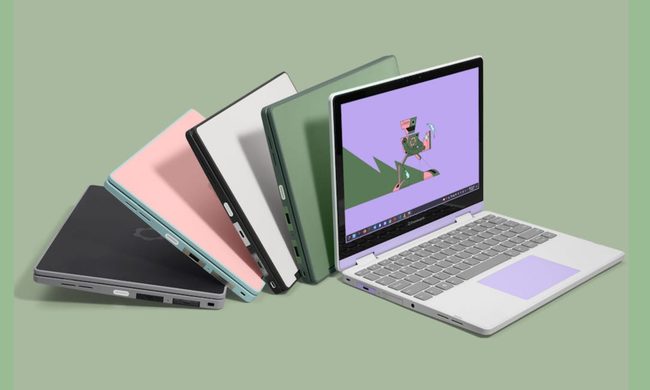
The MacBook Neo made the budget laptop segment a lot more competitive overnight. Apple showed that you can get more for just a few hundred dollars. This had Windows laptop brands scrambling to drop worthy competitors, and Framework's cheapest notebook is also swinging back now.
Back in May, YouTuber Jeff Geerling compared the original Framework Laptop 12 directly against Apple’s budget MacBook. Apple's laptop turned out faster, quieter, more efficient, better built, and equipped with a better display. While Framework had repairability, upgradeability, a touchscreen, and its 360-degree hinge on its side, the Neo still beat it out in terms of sheer value.
Claude can now reply to and send Gmail messages on your behalf
Claude can now send Gmail emails without asking for approval every time
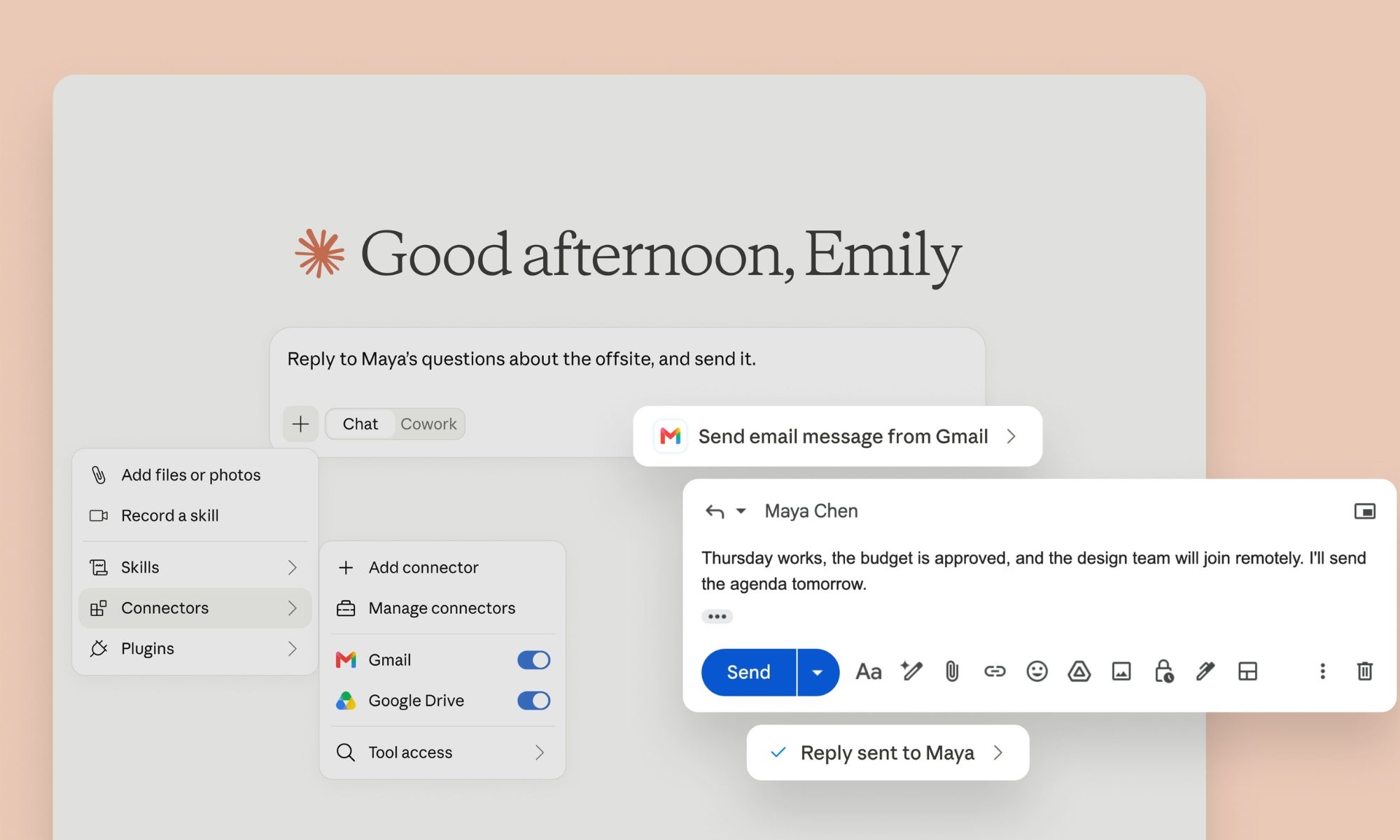
Claude is taking another step toward becoming an AI assistant that can actually get things done, rather than simply telling users what to do. Anthropic has expanded Claude's Gmail integration, so the AI can now reply to, send, and forward emails on a user's behalf without requiring approval every time.
The capability builds on an existing Claude connector for Google Workspace, which already allowed users to work with Gmail, Google Calendar and Google Drive. Sending an email was the notable missing piece. That changes with the latest update, although users still control whether Claude needs permission before sending messages.
Googlebook finally gets a launch date, and it’s sooner than you would expect
Googlebook gets a September 15 showcase with Gemini, Android and new laptops
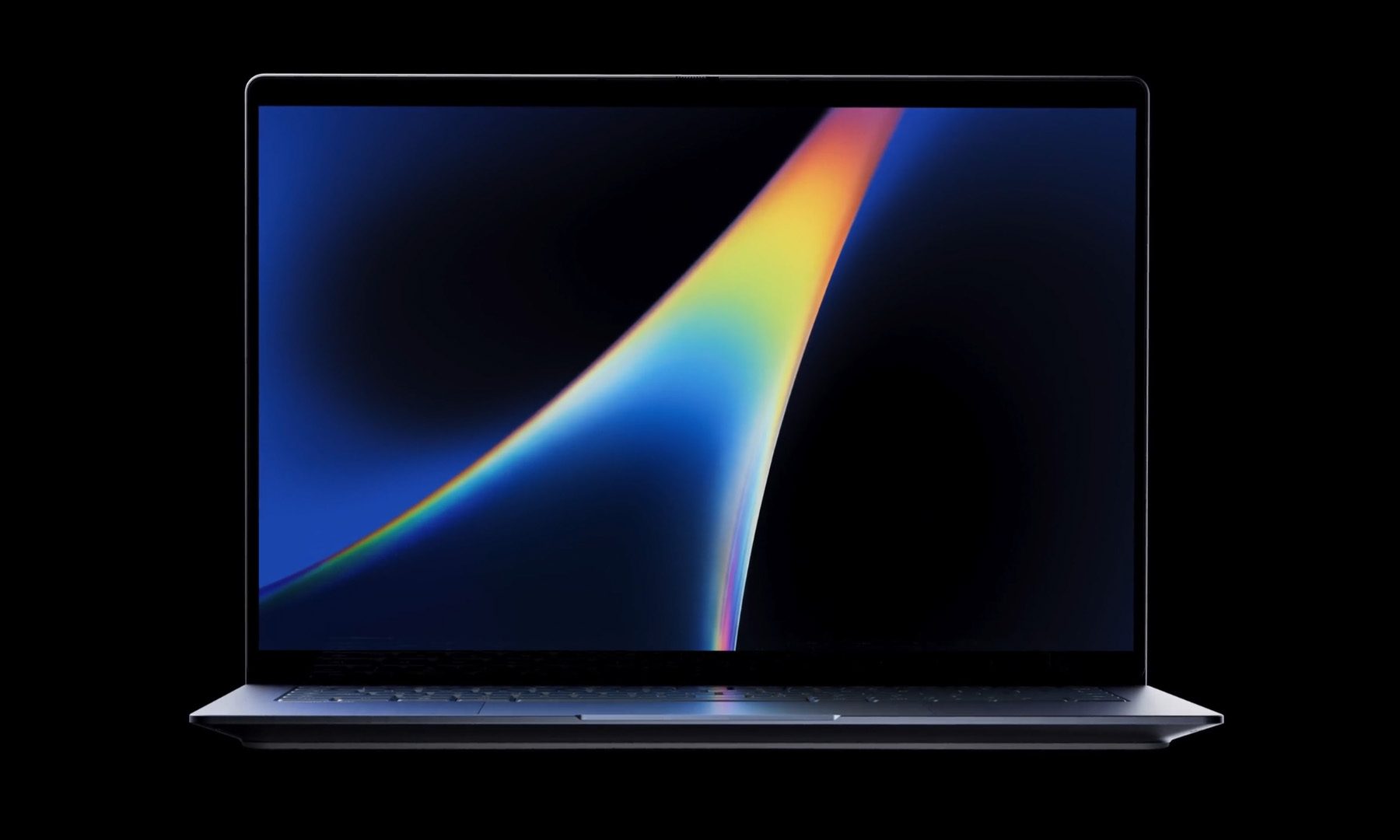
Google has finally put a date on the next major step for Googlebook, its upcoming premium laptop platform designed around Gemini and a native Android codebase. The company will host an in-person media showcase in New York City on September 15, 2026, where it plans to reveal more about the software and hardware behind the platform.
Google first introduced Googlebook alongside Android 17 at The Android Show earlier this year. Details were limited at the time, but the company demonstrated Gemini-powered features including custom widgets, Magic Pointer and deeper connections between Googlebooks and Android phones.