Stop Overlooking This Vitamin When It Comes To Muscle Health
Low levels of this nutrient could affect far more than bone health.
 Aliver

Image by Klaus Vedfelt / Getty August 08, 2026 Vitamin B12 has long been called the "energy vitamin," but most people don't know why. It's not that B12 gives you a direct jolt of energy like caffeine. Instead, it works at the cellular level, helping your mitochondria (the tiny power plants inside your cells) produce the energy your muscles need to function. New research1 shows just how critical this connection is: when B12 runs low, your muscle cells may struggle to generate energy efficiently, and the damage can start at the level of your DNA.
The vitamin your mitochondria can't work without
B12 plays a key role in helping your cells build and repair DNA. When B12 is low, this process stalls, and your mitochondrial DNA (the genetic instructions inside your mitochondria) becomes more prone to errors.
Though mitochondrial DNA is relatively small, it contains the blueprints for proteins your mitochondria need to produce energy. When this DNA is damaged, your cells can't generate energy as effectively.
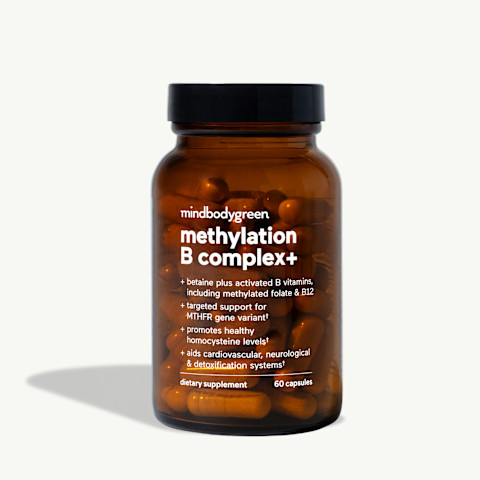
Low B12 starved muscles of energy
Researchers at Cornell University and the University of Alabama at Birmingham wanted to understand how B12 deficiency affects energy production in muscles.
They studied two groups of mice: young-adult males that were either genetically prone to impaired B12 use or fed a B12-deficient diet for seven weeks, and older mice (roughly equivalent to older adults in human years) that received weekly B12 injections for eight weeks.
Here's what they found:
The groups most likely to run low
The study notes that B12 deficiency has been linked to muscle weakness, mitochondrial problems, and increased risk of frailty in older adults.
What you can do about it
If you're concerned about your B12 levels, here are some practical steps:
The takeaway
This research adds to growing evidence that B12 does far more than prevent anemia; it plays a key role in how your muscles produce energy. For anyone focused on healthy aging, keeping your B12 levels in check through diet, testing, and supplementation when needed is a simple way to support your mitochondria and muscles for the long haul.